
 Dwi Wanna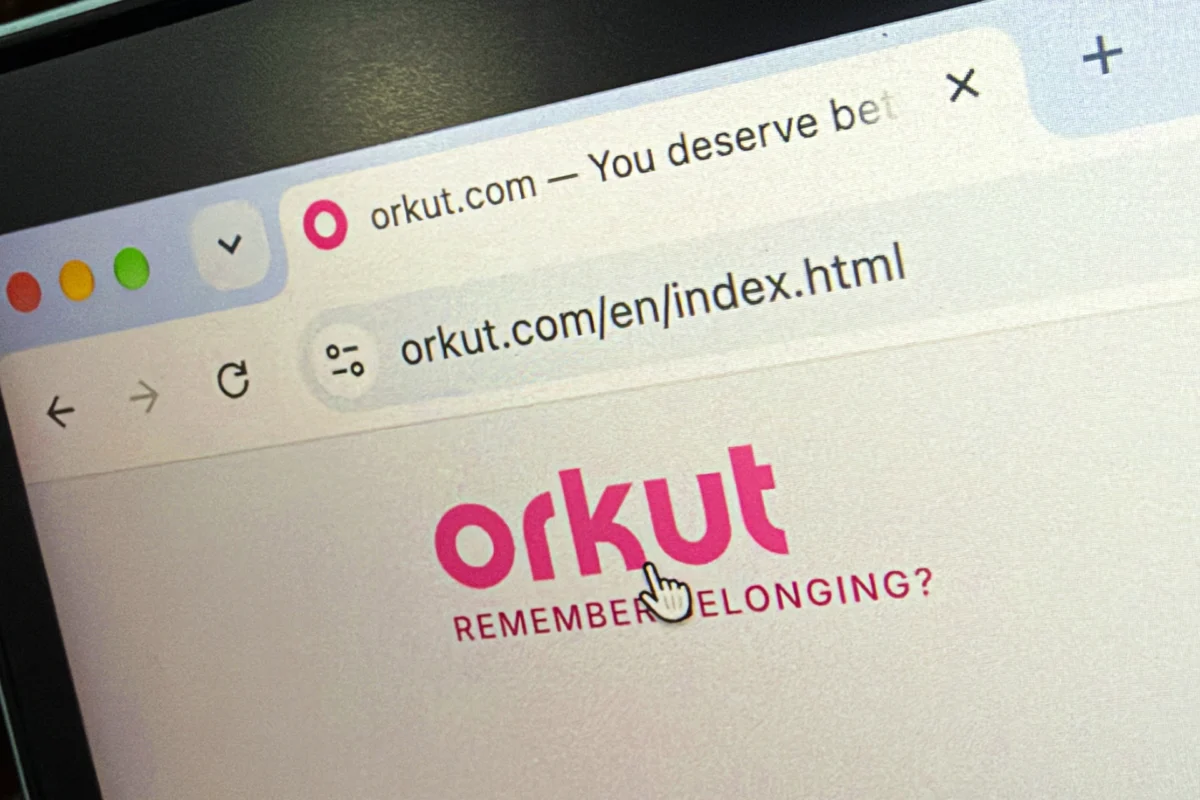
In a move that has sent ripples of nostalgia across the digital landscape, Orkut Büyükkökten, the visionary founder of the eponymous social network that defined the mid-2000s, has signaled a potential return for the platform. More than a decade after the service was shuttered by Google, its creator is calling on the global user base—particularly in its former strongholds of Brazil and India—to rally for a revival of what he terms a "kinder, more authentic" era of social networking.
The announcement, delivered via a post on X (formerly Twitter) and supported by a manifesto on the Orkut website, marks a significant shift in the discourse surrounding social media. At a time when major platforms are grappling with the existential threats of algorithmic polarization and AI-generated misinformation, the prospect of Orkut’s return is being framed not as a reboot of an old tool, but as a cultural intervention to restore human connection to the center of the web.
The Genesis and the Golden Age of Orkut
To understand the weight of this announcement, one must look back at the origins of Orkut. Launched in 2004 as a "20% project" by Google engineer Orkut Büyükkökten, the platform was born during the infancy of social networking. It predated the global dominance of Facebook and offered a unique digital ecosystem that prioritized community-building through "Communities"—interest-based forums that allowed users to find their niche, whether in obscure hobbies, regional pride, or shared professional interests.
For many, particularly in the Global South, Orkut was the gateway to the internet. It was an era defined by custom profile themes, "scraps" left on public walls, and the "crush" feature that gamified social interaction in a way that felt intimate rather than invasive. At its peak, Orkut boasted over 300 million active users. It was not merely a website; it was a digital neighborhood.
However, the late 2000s saw the meteoric rise of Facebook, which prioritized a "real-name" policy and a more aggressive newsfeed algorithm. By 2014, Google—having pivoted its resources toward the now-defunct Google+ and the expanding YouTube ecosystem—officially pulled the plug on Orkut. The closure left a void that, according to Büyükkökten, has never been properly filled.
A Chronology of the Attempted Comeback
The road to this potential revival has been long, marked by several experimental pivots and strategic retreats.
- 2004: Orkut is launched as a passion project, quickly becoming the dominant social force in Brazil and India.
- 2014: Google shutters Orkut in September to streamline its social media assets.
- 2016: Two years after the shutdown, Büyükkökten launches Hello, a new social network designed to connect users based on shared passions rather than social graphs. Despite an ambitious start, the platform failed to achieve critical mass, accumulating roughly 2 million downloads before ceasing operations in 2020.
- 2022: A cryptic message appears on the Orkut landing page, stating, "I’m building something new." This sparked a flurry of speculation, though no specific product was released.
- 2024 (Current): Büyükkökten issues a formal call to action, asking former users to register their support at Orkut.com, explicitly stating a desire to "rebuild the internet we first loved."
The Manifesto Against the Algorithmic Age
The core of the current push is an ideological critique of modern social media. In his published letter on the Orkut homepage, Büyükkökten offers a stark assessment of how the internet has degraded over the last two decades. He points to the rise of AI-generated content and the "algorithmic curation" of human experience as the primary culprits for the erosion of social trust.
"Artificial intelligence is an extraordinary technology," he writes, "but it is dissolving the one premise that made social networking special and worth building: that there was a person on the other side."
Büyükkökten’s vision for a "new" Orkut is centered on a return to intentionality. He argues that the modern "infinite scroll" model, which prioritizes engagement metrics and ad revenue, has replaced human connection with a sterile feedback loop of content consumption. His proposal suggests a platform that incentivizes deep engagement over broad reach, and authentic, human-led interaction over automated content streams.
Implications for the Modern Social Landscape
The implications of a potential Orkut revival are profound. If the platform returns, it will enter a market that is vastly different from the one it left. Today’s social media giants are under intense scrutiny regarding data privacy, mental health impacts on teenagers, and the proliferation of deepfakes.
1. The Challenge of "Authenticity"
Büyükkökten is betting that there is a significant, untapped market for a "pro-human" social network. However, the challenge lies in the infrastructure of the modern web. Users are now accustomed to high-speed multimedia integration and cross-platform syncing. Rebuilding the "internet we loved" may require balancing the charm of 2004 with the technical demands of 2024.
2. The AI Divide
While the founder is critical of AI’s current role in social media, he has previously hinted that his future projects would leverage machine learning to help people connect. This suggests a nuanced approach: using AI not to generate content, but as a tool to facilitate genuine discovery and protect community spaces from spam and bots—a recurring issue on the original Orkut.
3. Community vs. Corporate Control
The most significant hurdle for any new venture will be the transition from a "founder-led mission" to a sustainable business model. Orkut’s original downfall was, in part, its inability to pivot against the advertising-heavy model of its competitors. To succeed, the new version will need to find a way to monetize without sacrificing the "authentic belonging" that serves as its unique selling proposition.
Official Responses and Market Skepticism
As of this writing, Orkut Büyükkökten has not responded to requests for clarification regarding the technical development of a new platform. The current campaign at Orkut.com serves as a litmus test for market interest. By inviting users to "add their names in support," the founder is essentially performing a massive crowdsourced feasibility study.
Industry analysts remain cautious. History is littered with "nostalgia-based" platforms that failed to capture the attention of a younger demographic that values short-form video and ephemeral content over the long-form, forum-based interactions that defined Orkut. Furthermore, the absence of a clear product roadmap leaves many wondering if this is a genuine software development initiative or a high-profile attempt to spark a cultural conversation about the state of the web.
The Road Ahead: Can We Go Back?
The question of whether Orkut can truly return is not just a technical one; it is a question of whether the internet can be changed. The original platform was a product of its time—a period of relative innocence in the digital age. Recreating that environment in the current climate requires more than just a website; it requires a fundamental shift in how users approach their time online.
As the tech world watches, the "Orkut movement" stands as a poignant reminder that while we have gained speed and connectivity, we may have lost something essential in the transition. Whether or not a new Orkut platform ever launches, the conversation sparked by its founder is a necessary one. It challenges us to ask what we want from our digital lives: more content, or more community?
For now, the community awaits. The Orkut homepage remains a digital monument, waiting to see if enough voices will join the chorus to bring it back to life. Whether it succeeds as a platform or remains a symbol of an idealized past, the call for a "kinder, more authentic" internet is a sentiment that resonates deeply in an increasingly automated world.
Disclaimer: This article is based on recent developments reported in the tech sector. As with all venture-backed or community-driven projects, the future of the platform remains speculative. The author and publisher hold no affiliation with Orkut or its founder.


 Lina Irawan
 Suro Senen
 Laily UPN
 Iffa Jayyana
 Rifan Muazin

 Lina Hope