
 Nana Muazin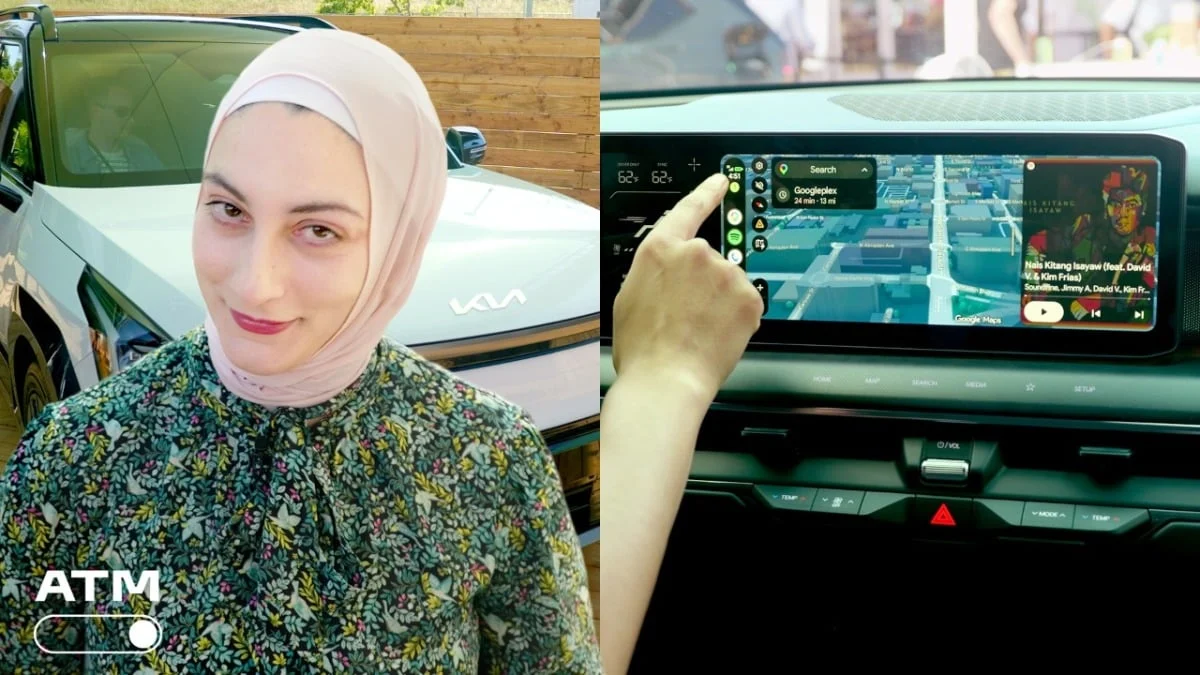
The digital landscape has undergone a seismic shift over the past decade, evolving from a playground for hobbyists into a multi-billion-dollar global industry. As we look toward 2025, the definition of a "creator" has expanded beyond simple video production to encompass entrepreneurs, educators, activists, and technologists who command influence rivaling traditional media conglomerates. At the center of this transformation lies the Mashable 101, an annual curation that acts as a barometer for cultural relevance and digital authority.
This analysis explores the state of the creator economy, the structural shifts in how we consume information, and the implications for the future of entertainment, technology, and social good.
Main Facts: Defining the 2025 Creator Paradigm
The Mashable 101 serves as more than just a list; it is a diagnostic tool for understanding where public attention is currently focused. For 2025, the cohort represents a move away from the "influencer" era—defined by aesthetic perfection and sponsored posts—toward a "creator" era, defined by utility, niche expertise, and community-driven monetization.
Key facts shaping the current ecosystem include:
- Platform Diversification: Creators are no longer tethered to a single algorithm. The 2025 list highlights creators who have mastered the "omnichannel" approach, leveraging long-form video, newsletters, and direct-to-consumer commerce simultaneously.
- The Rise of the Specialist: Generalist "lifestyle" influencers are losing ground to domain experts in science, tech, and financial literacy. Audiences are increasingly prioritizing educational content that provides tangible value.
- Economic Independence: The shift from ad-revenue dependence to creator-owned products (merchandise, software, and subscription-based communities) is now the industry standard for longevity.
Chronology: The Evolution of Digital Influence
To understand where we are, we must look at the trajectory that brought us to the current state of digital media.
Phase 1: The Emergence (2010–2015)
This era was characterized by the democratization of production tools. High-definition cameras became accessible, and platforms like YouTube and early Vine allowed for a new breed of celebrity. Influencers were often seen as "internet famous," a term that carried a connotation of fleeting popularity.
Phase 2: The Monetization Boom (2016–2020)
As platforms refined their ad-revenue sharing programs, the "Creator Economy" was coined. Brands realized that influencer endorsements outperformed traditional television commercials. This period saw the rise of talent management agencies and specialized marketing firms focused exclusively on the social media space.
Phase 3: The Maturation and "Creator Hub" Era (2021–2024)
The pandemic accelerated digital consumption, forcing a professionalization of the industry. Creators began acting as small businesses, hiring editors, community managers, and legal teams. The Mashable 101 began reflecting this professional shift, highlighting individuals who treated their output as a sustainable media company rather than a personal diary.
Phase 4: The 2025 Horizon
We are currently in a period of consolidation. With the rise of AI-assisted content creation and the saturation of social feeds, the barrier to entry has shifted from "can you make content" to "can you build a community."
Supporting Data: The Economics of Attention
The data surrounding the creator economy is staggering. According to recent industry reports, the creator economy is estimated to be worth upwards of $250 billion globally, with projections suggesting it could double by 2027.
The Shift in Engagement Metrics
- Engagement vs. Reach: In 2025, brands and platforms are de-prioritizing raw follower counts in favor of "true reach" and "conversion metrics." A creator with 50,000 highly engaged subscribers in a niche like "sustainable home tech" is now more valuable to advertisers than a generalist with 2 million passive followers.
- Newsletter Resurgence: There has been a 40% increase in creators moving their primary audience off social platforms and into email newsletters and private community apps (such as Discord or Circle) to hedge against algorithmic volatility.
- Video Consumption: Long-form video remains the king of retention. While short-form content (TikTok, Reels, Shorts) acts as the "top of the funnel" for discovery, the long-form format is where creators build the trust required for long-term monetization.
Official Responses and Industry Sentiment
The transition toward a creator-led media landscape has not been without tension. Traditional media outlets, once the gatekeepers of information, have had to adopt "creator-first" strategies to survive.
The Industry Perspective
Executives at major tech platforms have publicly stated that the "future of the internet is human-centric." In recent statements, platform leaders have emphasized the importance of providing better tools for creators to own their data. "We are moving away from the era of the ‘platform creator’ who relies on the algorithm, and toward the ‘independent creator’ who uses the platform as a utility," noted a prominent tech industry analyst.
The Creator Perspective
Many top-tier creators featured on the 2025 Mashable 101 have voiced concerns about burnout and algorithmic exhaustion. The consensus among the top 100 is that "authenticity" is becoming increasingly difficult to maintain in a landscape where AI tools are producing high-quality content at an industrial scale. Their response has been to double down on human-centric storytelling and physical, real-world events.
Implications: The Future of Media and Society
The implications of this shift are profound, affecting everything from entertainment to social justice.
1. The Death of the "Gatekeeper"
The traditional media gatekeepers—the editors and producers who decided what was "newsworthy"—are losing their absolute power. Information is now distributed via a peer-to-peer network of trust. While this allows for a wider diversity of voices, it also presents challenges regarding misinformation. The onus of verification has shifted from the media organization to the individual audience member.
2. The Tech-Human Integration
Technology is no longer just a delivery system; it is part of the content. As tech and science creators become more influential, they are shaping public policy, interest in STEM fields, and the adoption of new consumer electronics. The Mashable 101 highlights that these creators are now the primary educators for the general public on complex topics like AI ethics and space exploration.
3. Social Good as a Core Pillar
Perhaps the most encouraging trend in the 2025 landscape is the rise of the "activist creator." Creators are using their platforms to mobilize grassroots support for environmental and social causes at a speed that traditional nonprofits cannot match. By weaving social good into their everyday content, these creators are normalizing civic engagement for younger generations.
4. The Shopping and Deals Ecosystem
The "Shop-tainment" model—where shopping is integrated seamlessly into content—has fundamentally changed retail. The direct link between a creator’s recommendation and a purchase is now the primary driver of e-commerce growth. This has forced brands to become more transparent and creator-friendly, as they are now at the mercy of the creator’s reputation.
Conclusion: Navigating the Creator Landscape
As we navigate the remainder of 2025, it is clear that the creator economy is no longer a sub-sector of the internet; it is the internet. The creators featured in the Mashable 101 represent the vanguard of a new professional class—one that values community, transparency, and niche expertise.
For the consumer, this presents a paradox of choice. While the democratization of information is a net positive for society, the burden of discerning quality from noise has never been higher. As we move forward, the most successful creators will be those who can act as both entertainers and trusted curators in a world of infinite content.
The future of digital media will not be defined by the platforms we use, but by the individuals we choose to follow. The Mashable 101 serves as a crucial compass in this vast, evolving, and undeniably exciting digital frontier. Whether you are a brand looking to connect, a creator looking to scale, or a consumer looking for meaning, the lessons of 2025 are clear: the human element is the only sustainable competitive advantage in a world of algorithms.


 Reynand Wu
 Sagoh
Sagoh
 Raul Delapena Setiawan

 Azzam Bilal Chamdy
 Ali Ikhwan