
 Layla Zulfa
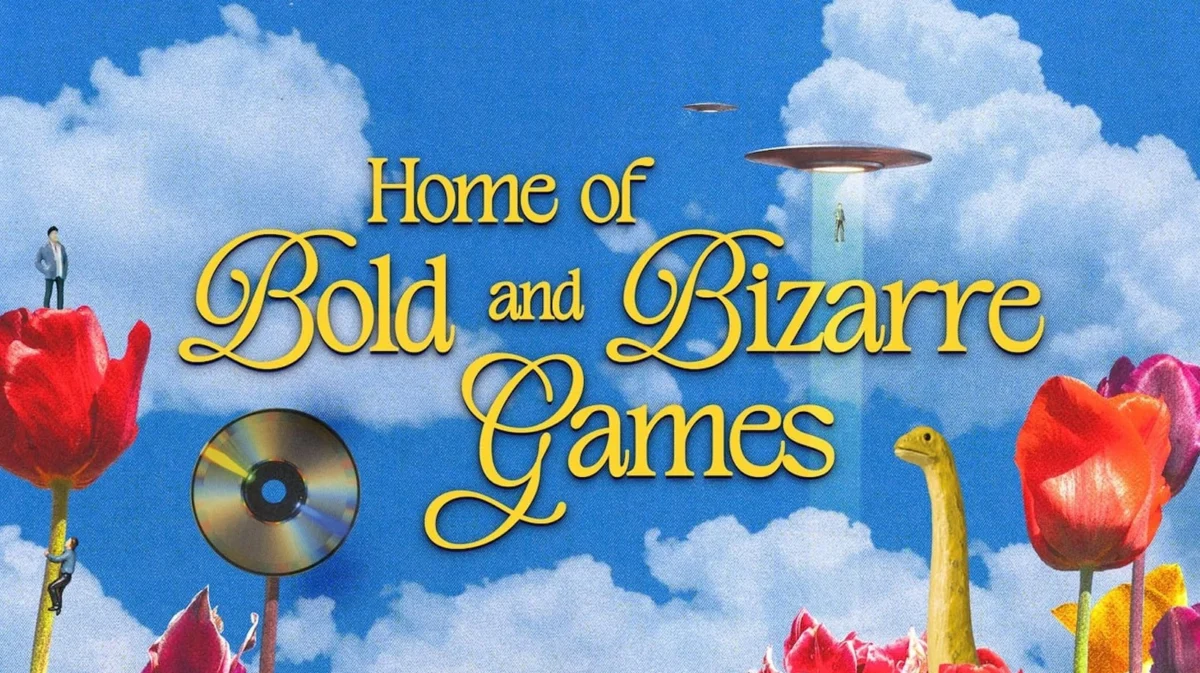
In an era defined by hyper-optimized storefronts, algorithmic discovery, and the creeping integration of generative artificial intelligence, the landscape of indie gaming is often dictated by the invisible hand of big tech. Now, curator-turned-publisher Pantaloon is looking to disrupt that status quo with the launch of "Playbill," a subscription service designed to champion the "bold and bizarre" while explicitly rejecting the industry’s trend toward AI-generated content.
The Genesis of a New Platform
The rise of Pantaloon is a story of community-driven growth. Originally beginning as a newsletter that amassed a loyal following of over 50,000 subscribers, the brand carved out a niche by gamifying the acquisition of game keys. By solving puzzles, fans could earn access to curated indie titles, a model that prioritized engagement over passive consumption.
This foundation has now evolved into the Playbill, a subscription service that functions as a boutique version of Xbox Game Pass. While the service provides access to a rotating library of eccentric titles, its mission statement is fundamentally different from the corporate giants: it aims to serve as a home for experimental works that might otherwise be buried by the market-shaping algorithms of platforms like Steam.
A Curated Lineup: What’s on the Bill?
The initial offering of the Playbill is eclectic, focusing on titles that challenge traditional design conventions. The library includes third-party gems such as the high-stakes Buckshot Roulette, the atmospheric Silt, the intense Ex Sanguis, and the evocative Cabin Factory.
These are complemented by Pantaloon’s internal development projects, which include Sub-Verge, Occlude, It Takes a War, Boxroom, Rolla, and the music creation simulation Offbeat.
The service operates on a model of immediacy for first-party titles, mirroring the "day one" releases seen in premium subscription tiers elsewhere. Perhaps most exciting for the community is the inclusion of Virtue: Prologue, a visual novella that serves as a companion piece to the highly anticipated Virtue and a Sledgehammer. By securing a timed exclusive for this title, Pantaloon is signaling its intent to offer genuine value beyond a standard back-catalog dump.
The "Green Room" and Experimental Access
Beyond the full-game library, the Playbill features a dedicated space dubbed the "Green Room." This area serves as a repository for demos, playtests, and, most intriguingly, "abandoned prototypes."
Currently, users can access early looks at projects like Isle Goblin, Mr. Magpie’s Harmless Card Game, and Lemonade Apocalypse. By surfacing these works-in-progress, Pantaloon is fostering a culture of transparency and iterative design, allowing players to witness the messy, often beautiful process of game development—an experience that is rarely offered on traditional commercial platforms.
The Ethical Stance: A Firm "No" to Generative AI
Perhaps the most significant differentiator of the Playbill is its explicit stance on the role of artificial intelligence in the creative process. In an industry where developers are increasingly tempted to use generative AI for assets, dialogue, or code to reduce overhead, Pantaloon has drawn a hard line.
"It’s also worth stating that we won’t feature or platform any games that use genAI in any form; the Playbill is a celebration of the craft of making games," stated founder Jamin Smith. This policy is not merely a technical constraint; it is a branding pillar. By centering human craft, Pantaloon is attempting to build a safe harbor for developers who prioritize artistic integrity over automated efficiency.
Subscription Mechanics and Sustainability
The Playbill utilizes a key-based distribution system, which introduces a unique logistical element to the subscription model. Unlike streaming services that provide unlimited access to a static library, Pantaloon cycles games out of the Playbill as key stocks are depleted.
The pricing structure is bifurcated:
- Primo Subscription: Available for $5 per month or $60 per year.
- Annual Access: Yearly subscribers gain immediate access to the full initial lineup of 13 games, as well as every new title added to the service.
- Monthly Access: Monthly subscribers receive one "bespoke" game per month. To prevent "churn-and-burn" behavior—where a user might subscribe for one month to hoard keys and then cancel—Pantaloon has implemented a six-month threshold. Users must maintain a subscription for six consecutive months to unlock the full back-catalog of games.
This approach is a strategic move to ensure the longevity of the service. By encouraging long-term loyalty, Pantaloon hopes to create a sustainable ecosystem where developers are compensated fairly, and the publisher can continue to fund high-risk, high-reward indie projects.
The Implications for Indie Publishing
Pantaloon’s move into the subscription space raises important questions about the future of indie distribution. Can a small, curated service survive in a market dominated by massive bundles like Humble Choice or the sheer breadth of Xbox Game Pass?
The answer may lie in the "community-first" approach. By leveraging the existing 50,000-strong newsletter audience, Pantaloon is not starting from zero. They are already in possession of a customer base that values puzzles, community interaction, and the act of discovery. By continuing to offer free-to-access puzzles and community features—even to non-subscribers—they are maintaining a wide "top of the funnel" that could lead to higher conversion rates for their Primo tier.
Furthermore, the rejection of generative AI serves as a powerful marketing tool. As debates regarding the soul of creative work continue to polarize the gaming industry, a "Human-Made Only" label could become a significant selling point for a specific demographic of gamers who feel alienated by the tech-heavy direction of larger studios.
Looking Ahead: A Shift in Curation
The success of the Playbill will ultimately depend on the quality of its partnerships and the strength of its rotating library. If Pantaloon can continue to source games that are truly "bold and bizarre," they may find themselves at the forefront of a movement that prioritizes curation over content saturation.
As Jamin Smith noted, the goal is to reduce the barrier to entry for genres that traditional algorithms tend to suppress. By acting as a filter for quality and originality, Pantaloon is positioning itself not just as a publisher, but as a cultural gatekeeper for the next generation of indie gaming.
Whether this model of "curated subscription" can be scaled remains to be seen. However, in a market where the average player is overwhelmed by choice, the promise of a curated, human-centric, and experimental collection is a compelling proposition. For those tired of the homogenized nature of mainstream gaming, the Playbill offers a refreshing, albeit niche, alternative—a digital stage where the craft, rather than the algorithm, takes center stage.


 Asep Darmawan


 Ammar Sabilarrohman

 Asro

 Nila Kartika Wati

 Muslim
