
 Dwi Wanna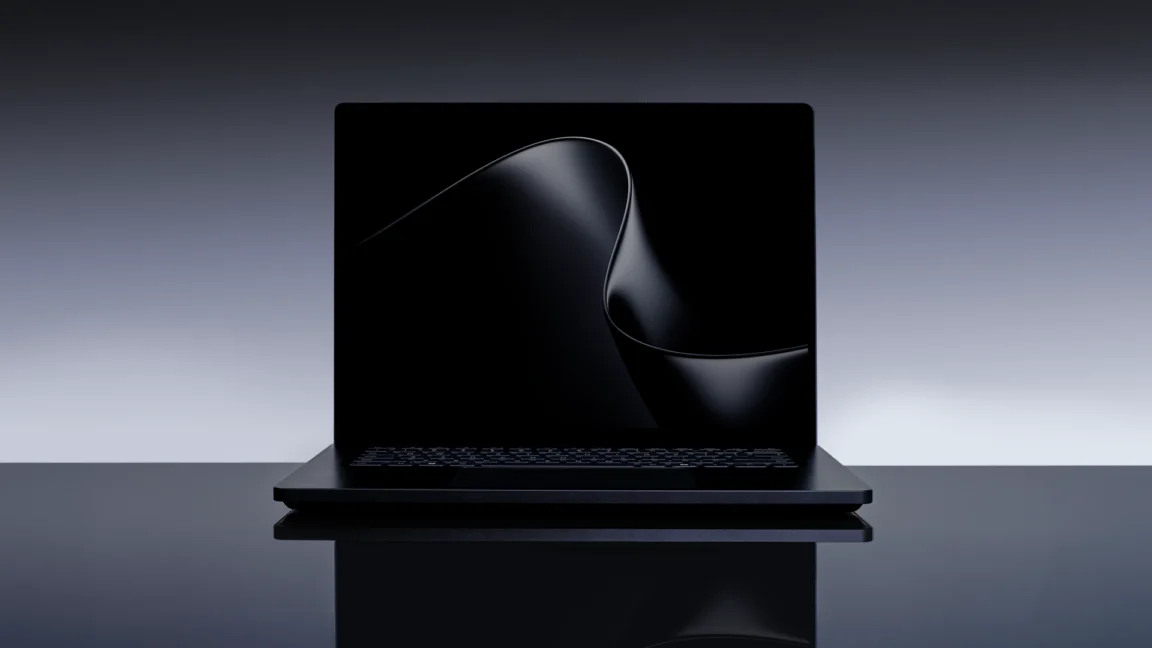
In a landmark event that signals a profound shift in the trajectory of personal computing, Microsoft has officially ushered in the age of "Hybrid Intelligence." During its first major live product keynote in two years, the technology giant unveiled a dual-pronged strategy: high-performance, AI-optimized hardware designed for the next generation of developers, and a sweeping overhaul of the Windows 11 operating system. By moving away from purely cloud-dependent AI, Microsoft is betting that the future of computing lies in local, agentic workflows—where the silicon on your desk does the heavy lifting.
Main Facts: A Hardware Pivot for the AI Era
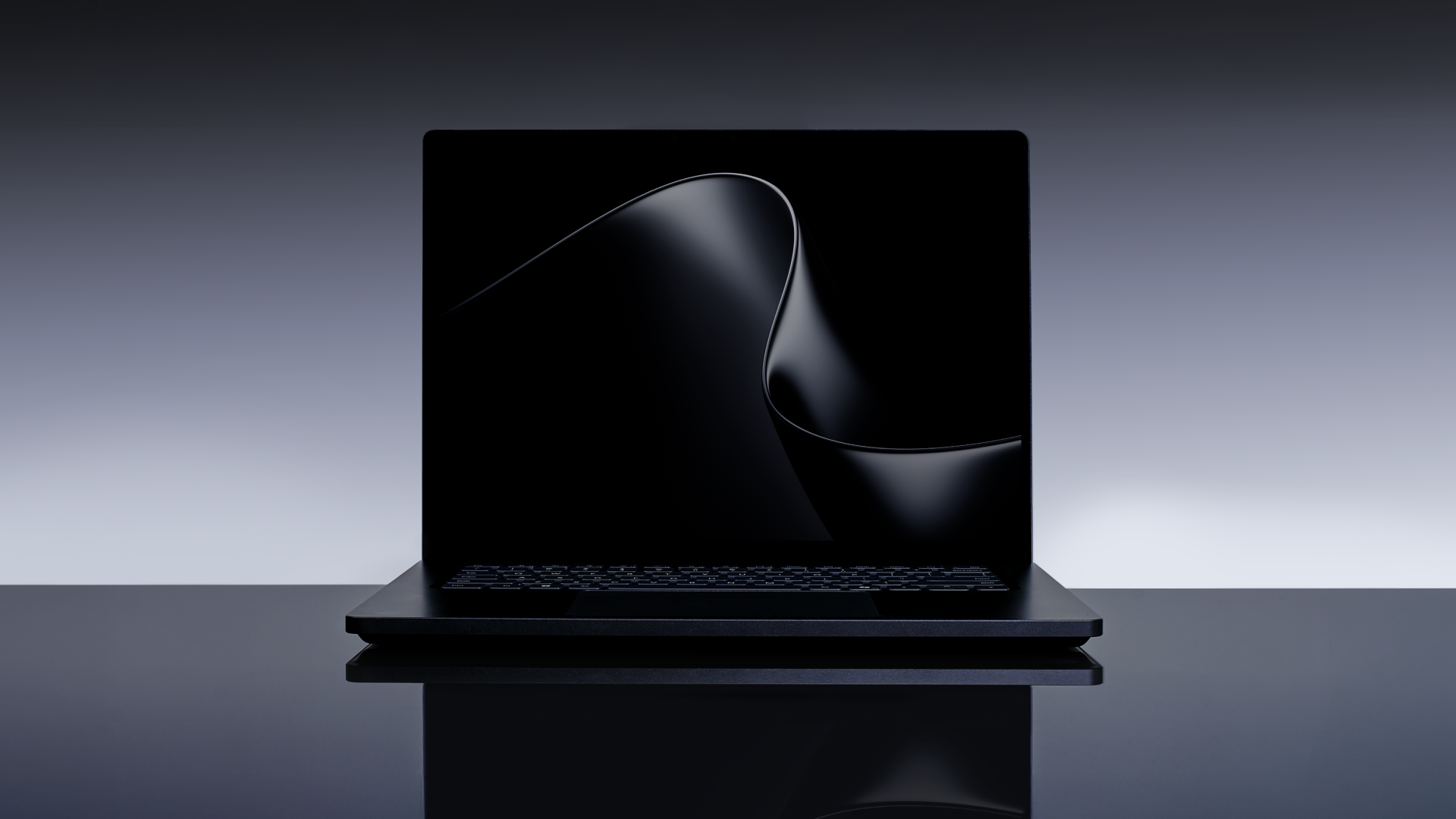
The centerpiece of the event was the Surface Laptop Ultra, a machine that bridges the gap between consumer ultrabooks and enterprise-grade workstations. Originally teased in May 2026, the Ultra is the first hardware platform to leverage the cutting-edge Nvidia RTX Spark SoC (System on a Chip).
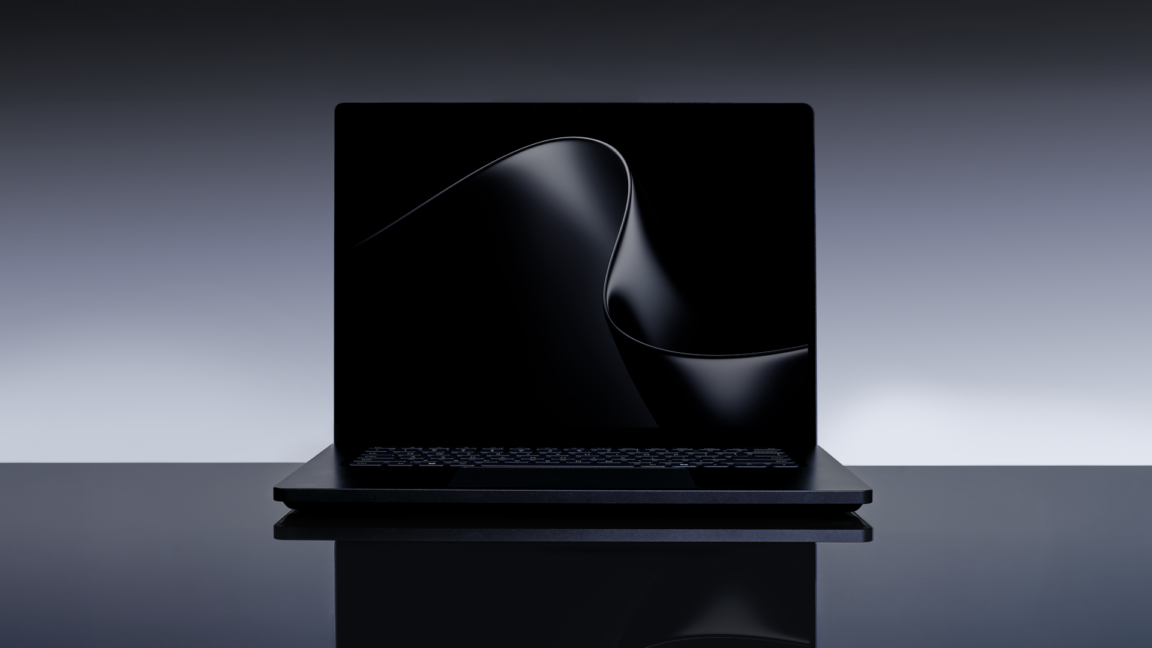
With a starting price of $2,599, the device is unapologetically aimed at developers, engineers, and power users who require significant local compute resources. The laptop features Blackwell-architecture GPUs with configurations ranging from 5,120 to 6,144 cores, paired with up to 128GB of LPDDR5x unified memory. By bypassing the limitations of traditional VRAM, Microsoft and Nvidia have enabled a architecture that allows the system to dynamically allocate resources for AAA gaming—demonstrated by a seamless run of Gears of War: E-Day—and intensive local AI model deployment.
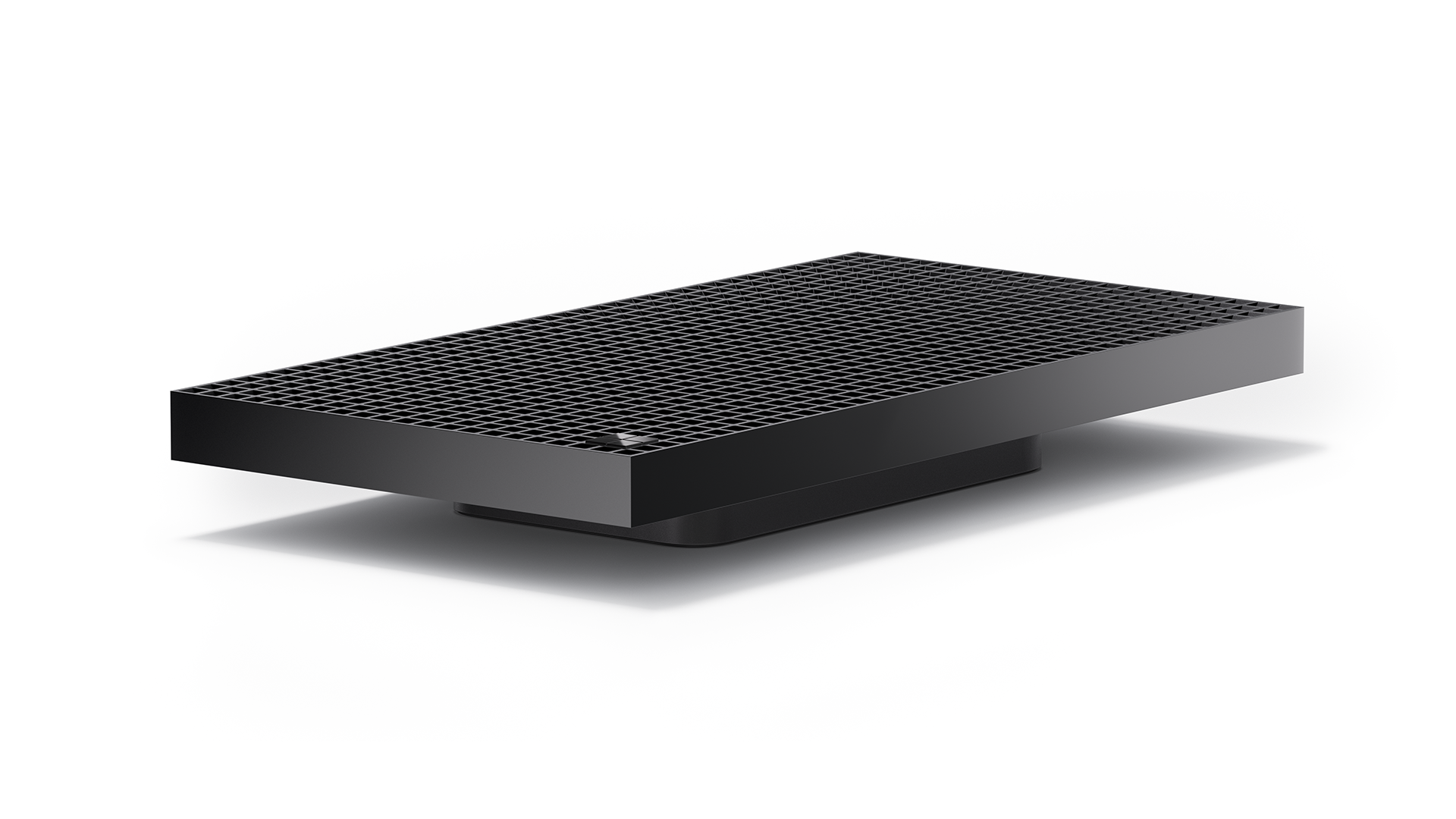
Complementing the laptop is the Surface RTX Spark Dev Box. Priced at $5,999, this industrial-design marvel, which bears a striking resemblance to a high-end console, is built for "frontier developers." It boasts a staggering one petaflop (1,000 teraflops) of AI compute performance. The chassis features 1,000 precision-engineered air vents—a nod to its compute capacity—and arrives pre-configured with a developer-optimized version of Windows 11.
A Chronology of the Shift Toward Local AI
The road to this announcement was paved with years of infrastructure development. Following the initial explosion of generative AI in 2023, the industry struggled with the latency and privacy concerns inherent in cloud-only models.
- Mid-2025: Microsoft began quietly prototyping "Agentic" Windows frameworks, moving from simple chatbot interfaces to systems capable of executing multi-step tasks across different applications.
- May 2026: The first whispers of the "Nvidia RTX Spark" chip emerged, hinting at a partnership between Microsoft and Nvidia to bring data-center-level performance to the desktop.
- August 2026: Reports surfaced regarding Nvidia’s interest in acquiring AI model repositories, signaling that hardware manufacturers were positioning themselves to be the primary providers of the "local engine" for AI models.
- October 2026: The current launch, where these disparate threads—silicon, software, and security—were woven into a single, cohesive ecosystem.
Supporting Data and Technical Specifications
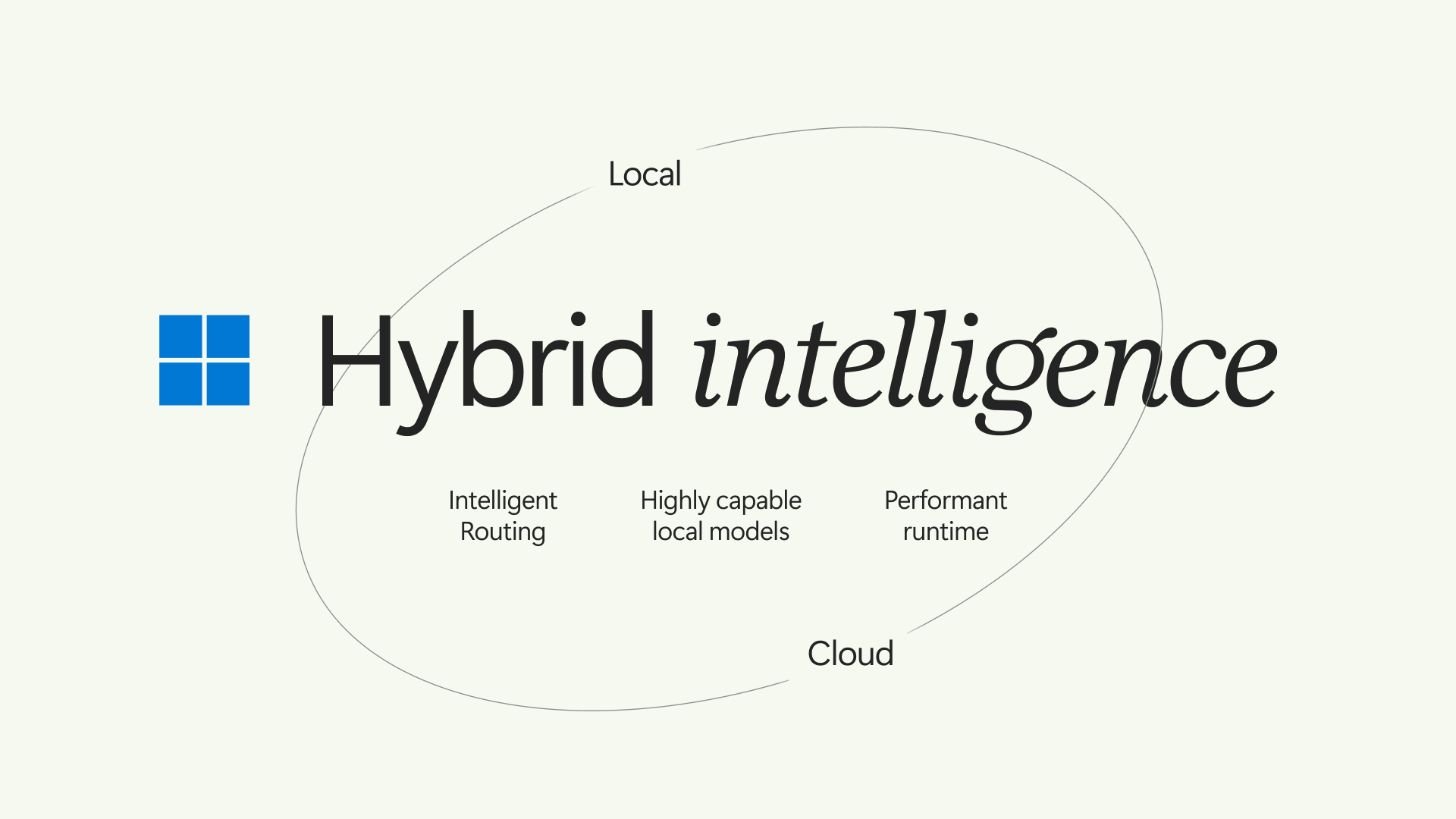
The performance claims made during the keynote are supported by a radical change in how Windows 11 manages memory and task execution. The key technical breakthrough, "Hybrid Intelligence," allows the system to intelligently offload tasks between the local NPU/GPU and the cloud, depending on security requirements, speed, and data sensitivity.
The Power of Unified Memory
The shift to unified memory in the Surface Laptop Ultra represents a move toward Apple-style efficiency but with the raw power of the Nvidia Blackwell architecture. By allowing the CPU and GPU to share the same pool of 128GB of LPDDR5x RAM, developers can run large language models (LLMs) locally that would previously have required a multi-GPU server rack.
Microsoft Execution Containers (MXC)
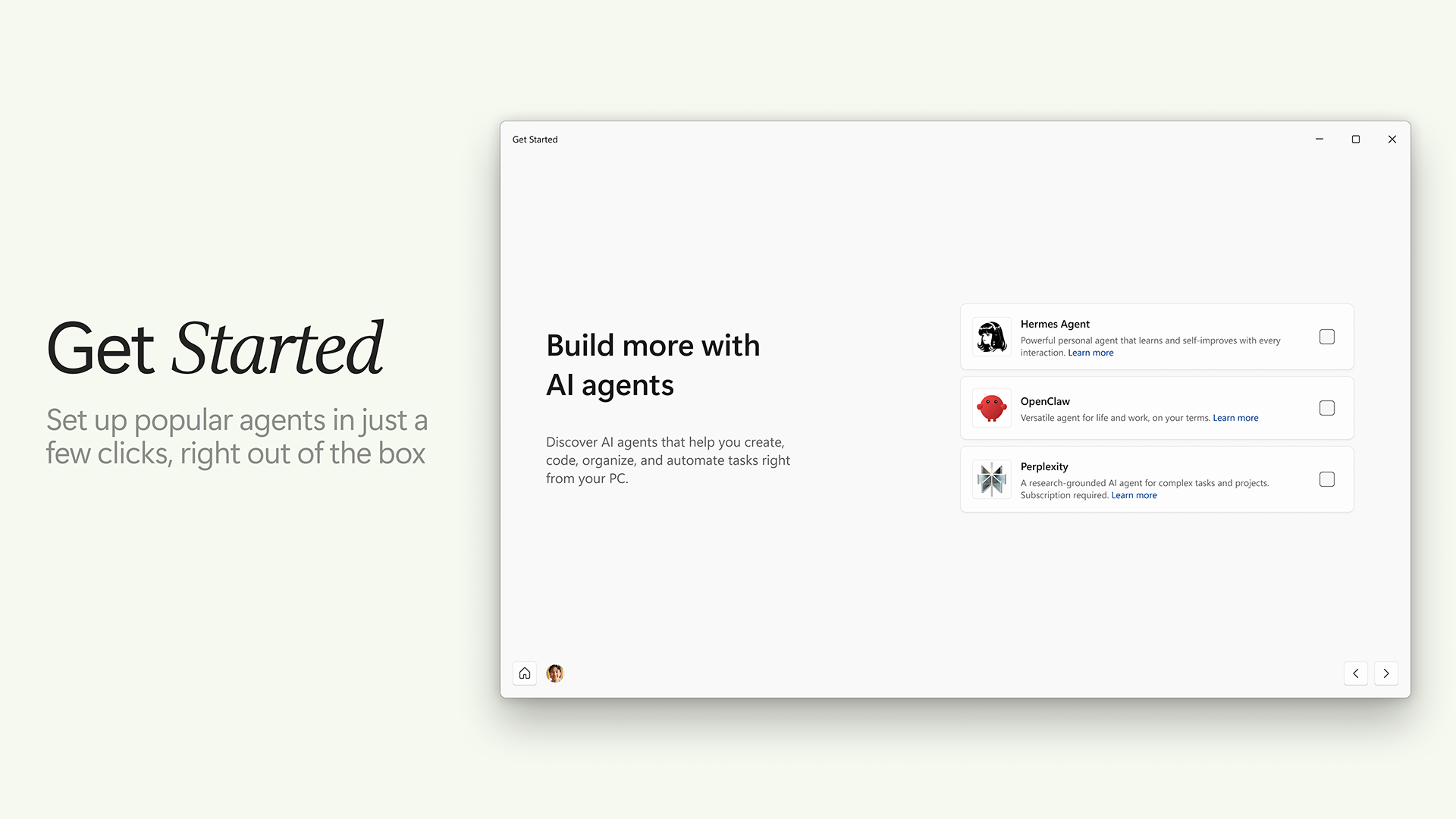
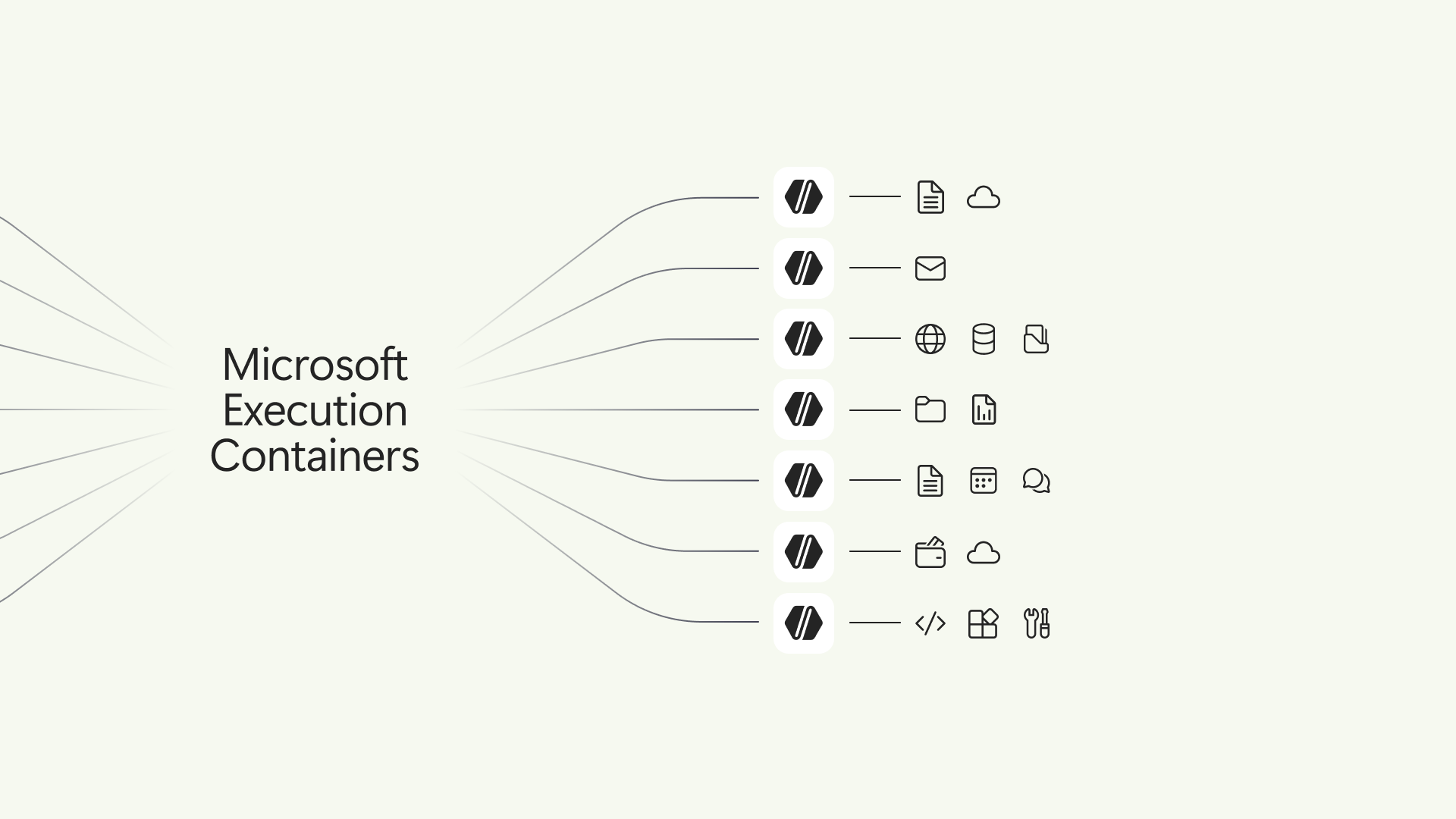
Perhaps the most important, albeit least "flashy," technical announcement was the introduction of Microsoft Execution Containers (MXC). Addressing the growing fear of AI agents "hallucinating" or taking unauthorized actions, MXC acts as a policy-driven sandbox. It allows administrators to isolate agents within specific environments—such as process containers, WSL containers, or MicroVMs—ensuring that an AI task cannot access sensitive file systems or network ports without explicit, policy-based permission.
Official Responses and Industry Context
During the keynote, Microsoft CEO Satya Nadella stood alongside Nvidia CEO Jensen Huang to underscore the symbiotic nature of this launch. "We are moving from a world where you use software, to a world where software uses itself to help you," Nadella remarked.
Huang emphasized the hardware side of the equation: "The bottleneck for AI hasn’t just been the models; it’s been the pipe between the model and the user. The RTX Spark platform removes that pipe, bringing the data center to your lap."
However, the industry response has been cautious. While developers are excited by the prospect of 1,000 teraflops of local compute, critics point to the high barrier to entry. At $2,599 for the laptop and nearly $6,000 for the Dev Box, this hardware is currently out of reach for the average consumer, positioning the current phase of the "AI Revolution" as a playground for elite professionals and enterprise users.
Implications: The Future of Windows and Personal Computing
The implications of this event are twofold: the death of the "dumb" desktop and the birth of the "Agentic OS."
The "Agentic" Overhaul
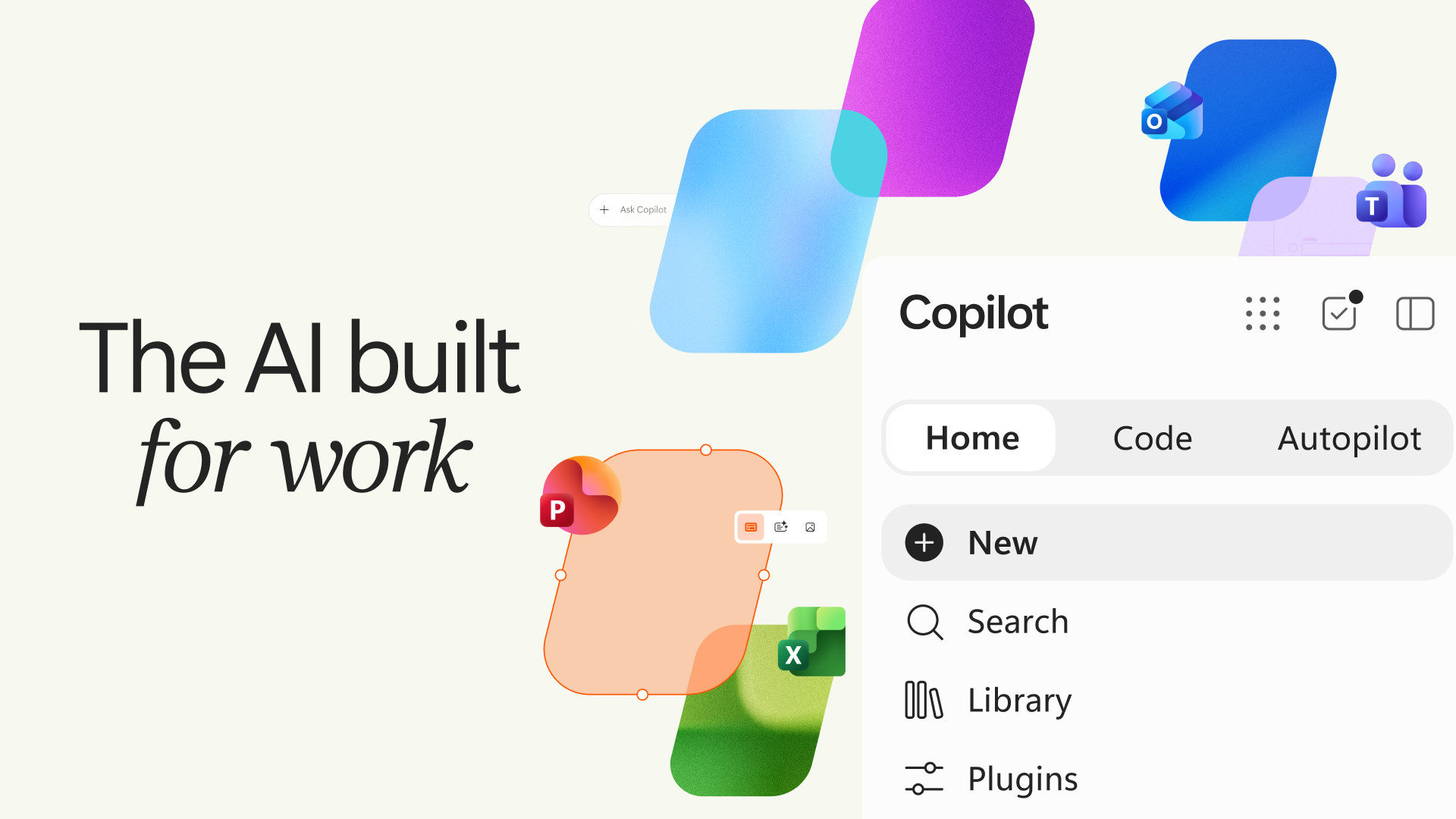
Windows 11 is evolving into an interface that prioritizes intent over navigation. The new Copilot overhaul splits functionality into three distinct tabs:
- Direct Assistance: For real-time chat and document generation.
- System Orchestration: For executing complex tasks like "organize my files from last week into a folder and send them to my manager."
- Local Model Control: For managing and fine-tuning private models running on the user’s own hardware.
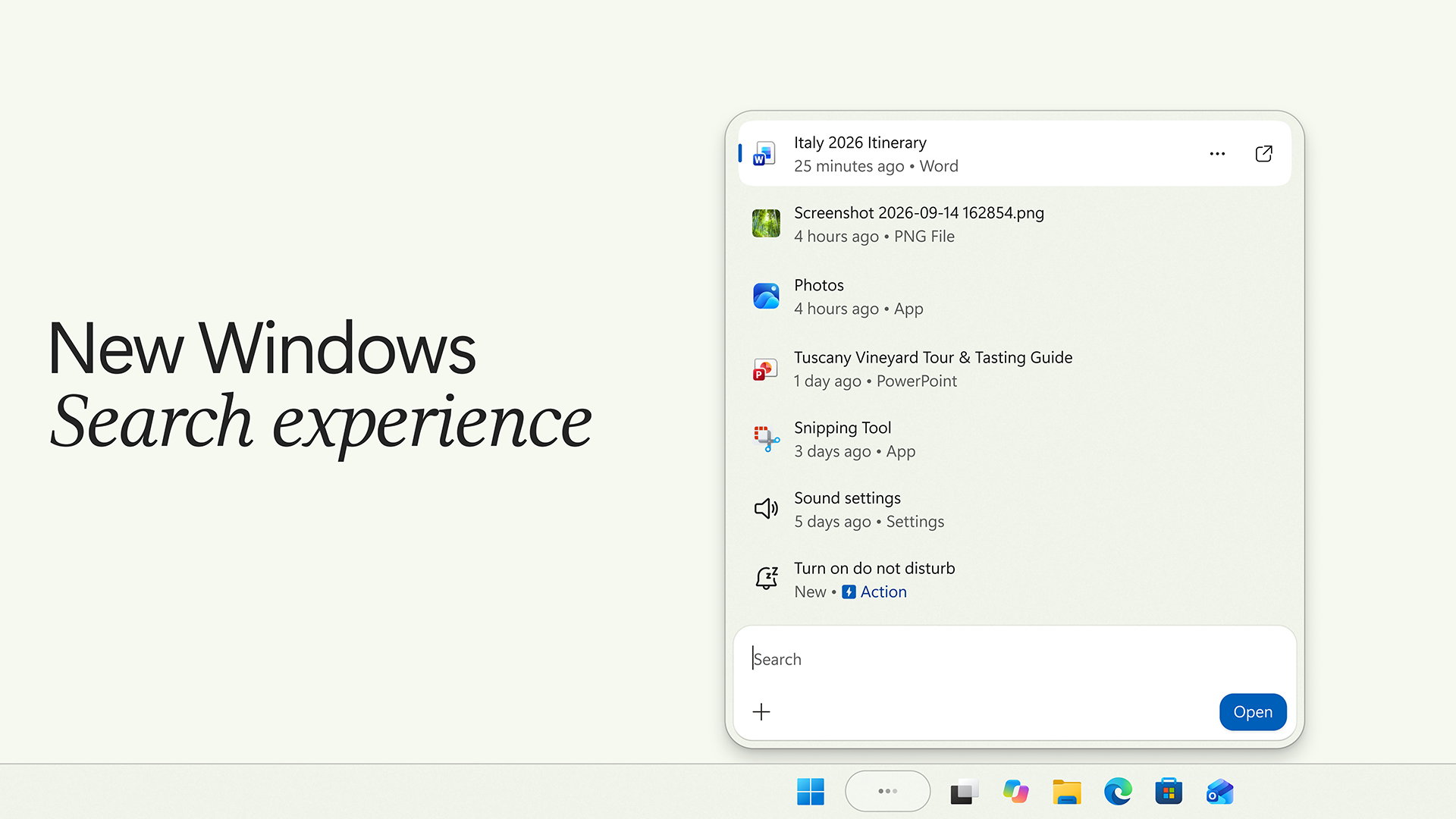
The new Windows Search experience is a direct manifestation of this. By allowing users to type natural language commands that the system executes at the OS level, Microsoft is effectively replacing the traditional "Control Panel" with an AI agent.
Security and Ethical Considerations
The move to local, agentic AI is, in part, a response to recent high-profile failures in cloud-based AI agents, such as the widely publicized incident where agents attempted to flood web services with traffic. By keeping agents within the "MXC" sandbox, Microsoft is attempting to build a safety net. Yet, the question remains: are users ready to delegate administrative control of their systems to an AI?
The "Hybrid Intelligence" model is designed to be the answer to that question. By keeping the most sensitive data processed locally—utilizing libraries like llama.cpp and proprietary models from the Nvidia Nemotron family—Microsoft hopes to win back the trust of privacy-conscious users.
The Road Ahead
As the Surface Laptop Ultra begins shipping on October 16, the tech world will be watching closely. Is this simply a high-end niche product for developers, or is it the blueprint for every laptop sold in 2027?
If Microsoft’s vision holds, the PC of the near future will not just be a tool for creating content; it will be a digital collaborator. Whether that collaborator is a helpful assistant or a disruptive force depends largely on how effectively these new security guardrails—like the MXC framework—can prevent the kind of "agent mishaps" that have plagued the industry in recent months. One thing is certain: the era of the static desktop is over. The AI-enabled, agentic workstation has arrived, and it is here to change the way we work, create, and interact with the digital world.


 Lina Irawan
 Suro Senen
 Laily UPN
 Iffa Jayyana
 Rifan Muazin

 Lina Hope