
 Reynand Wu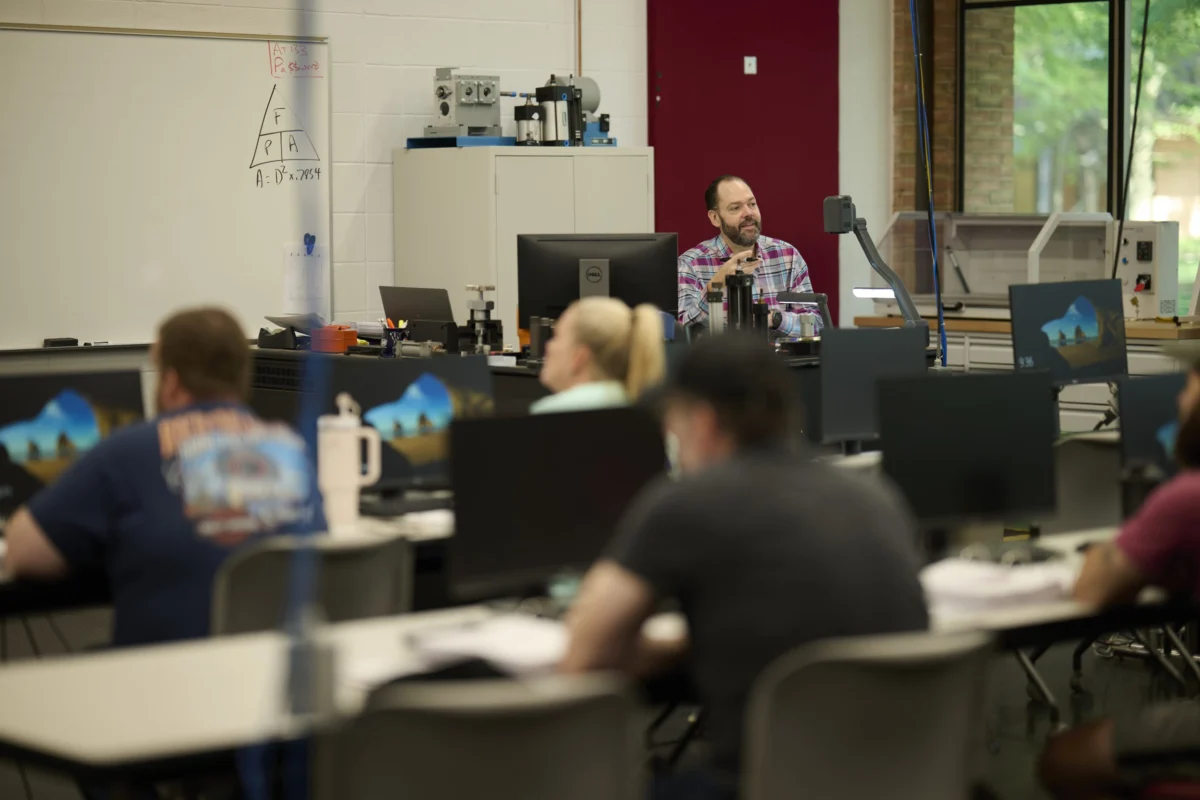
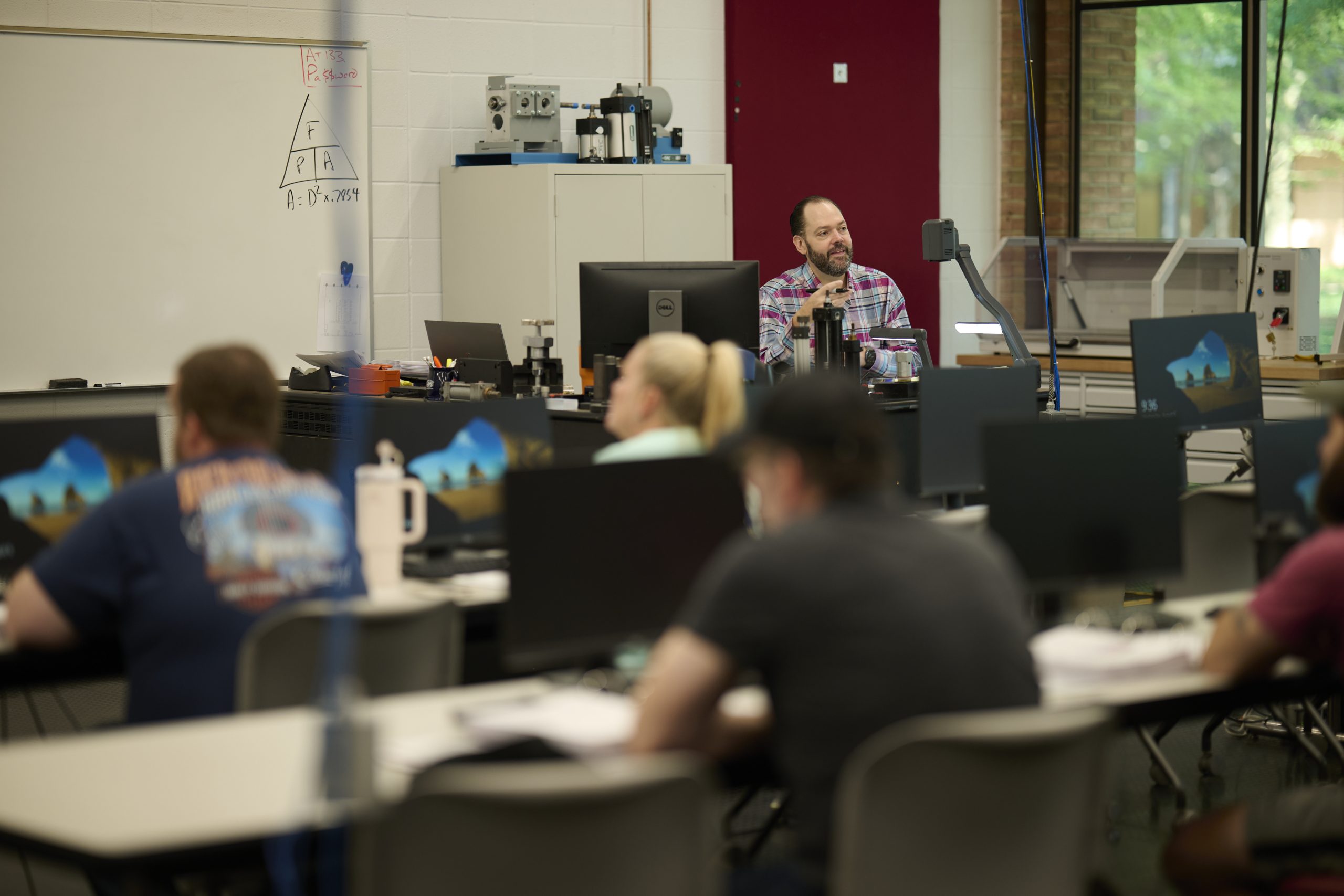
In classrooms ranging from vocational training centers—like the fluid power engineering labs at Lorain County Community College—to elite liberal arts seminars, the fundamental nature of the student-teacher relationship is undergoing a tectonic shift. Artificial Intelligence (AI), once a futuristic curiosity, has firmly embedded itself into the academic ecosystem. As students and faculty alike embrace, resist, and navigate these new tools, the pedagogical landscape is being rewritten in real-time.
The Hechinger Report is currently investigating the depth and breadth of this transformation. While public discourse has been dominated by fears of plagiarism and the "death of the essay," a more nuanced crisis is unfolding: How do we measure human intelligence and critical thought in an era where an algorithm can draft a thesis, solve a complex equation, or debug code in seconds?
The Current State of the AI Classroom
The proliferation of Large Language Models (LLMs) has created an unprecedented "Wild West" environment in higher education. Surveys indicate that a significant majority of both students and instructors now incorporate AI into their daily workflows. However, this adoption is polarized.
Proponents argue that AI serves as a "force multiplier," allowing students to brainstorm, structure their thoughts, and overcome the "blank page" syndrome that has historically paralyzed many learners. Conversely, critics—including a growing contingent of faculty—warn of a creeping atrophy. There is a palpable fear that by offloading the cognitive labor of synthesis and analysis to machines, students are losing the ability to think critically about the problems they are tasked to solve.
The Erosion of Foundational Skills
Recent research has provided empirical weight to the skeptics’ concerns. Studies have shown that unregulated AI usage is beginning to erode foundational math skills, as students lean on AI to bypass the "struggle" phase of learning. In education, the struggle—the mental friction required to understand a concept—is not a bug; it is a feature. It is the process through which neural pathways are formed. When that friction is removed, the learning often fails to take root.
A Chronology of the AI Disruption
To understand how we arrived at this inflection point, we must look at the rapid timeline of the last few years:
- Late 2022: The public release of ChatGPT acted as a "Sputnik moment" for academia. Overnight, the standard take-home essay, a cornerstone of undergraduate assessment for decades, was rendered potentially obsolete.
- Early 2023: Institutions scrambled to form task forces. Some universities implemented outright bans, while others attempted to integrate AI tools into the curriculum, often without clear policy guidance or training for staff.
- Late 2023 – 2024: The "arms race" between AI detection software and AI-generated content began. It quickly became clear that detection software was unreliable, often flagging the work of non-native English speakers as "AI-generated," leading to a crisis of trust between students and faculty.
- 2025 – Present: The conversation has shifted from "How do we stop it?" to "How do we live with it?" Colleges are now grappling with the realization that AI literacy is becoming a necessary professional skill, even as they struggle to maintain academic integrity.
Supporting Data: The Student-Instructor Divide
Data gathered from across the sector reveals a complex landscape of utility and harm. According to recent surveys:
- Utilization Rates: Over 65% of students report using AI tools at least once a week for academic purposes.
- Perceived Impact: Interestingly, the student population is split almost exactly down the middle regarding the impact of AI. 48% believe it enhances their learning by providing personalized tutoring and accessibility; 46% fear it is harming their ability to learn independently.
- Faculty Anxiety: Over 70% of professors report being "highly concerned" about the impact of AI on critical thinking skills, yet fewer than 30% have received formal training from their institutions on how to adapt their assignments to this new reality.
The Pedagogical Crisis: Rethinking Assessment
The "blue book" exam—the timed, pen-and-paper test conducted in a supervised classroom—is making a resurgence. While this addresses the issue of cheating, it ignores the broader goal of higher education: preparing students for a world where AI is a ubiquitous tool.
The central challenge for educators today is "authentic assessment." If a student can ask an AI to write a reflection paper, the paper is no longer a valid measure of the student’s internal cognitive process. Professors are now tasked with the daunting job of redesigning curricula to focus on in-class oral defenses, collaborative projects that emphasize group synthesis over solitary production, and assignments that require students to critique AI output rather than generate it from scratch.
Official Responses and Institutional Policy
The response from higher education institutions has been inconsistent. Some, particularly in the tech-heavy vocational and engineering sectors, have moved toward a "co-pilot" model. In these environments, students are encouraged to use AI to handle mundane calculations or boilerplate coding, freeing up their time to focus on complex, high-level system architecture and creative problem-solving.
Conversely, in the humanities, the response has been more cautious. Many departments are doubling down on oral examinations and in-person discussions, viewing the classroom as a "sacred space" where human interaction must remain unmediated by algorithms.
There is also a growing push for national standards. Education policy experts are calling for a framework that prioritizes "AI Literacy"—teaching students not just how to prompt a bot, but how to understand the ethical implications, biases, and hallucinations inherent in the technology.
Implications for the Future of Learning
As we look toward the future, the implications of this shift are profound:
- The Devaluation of the Degree: If the output of a student can be easily replicated by an algorithm, the credential itself loses market value. Institutions must pivot toward demonstrating the process of learning rather than just the final artifact.
- The Widening Gap: There is a significant risk that students who learn to use AI as a tool will pull ahead of those who use it as a crutch. This could exacerbate existing inequalities in educational outcomes.
- The Human Element: The most enduring skill in the age of AI will likely be the ability to synthesize disparate human experiences, provide empathy, and exercise moral judgment—things that, for now, remain beyond the grasp of artificial intelligence.
A Call to Action
The Hechinger Report is committed to documenting this transition. We believe that the stories of individual educators—those on the front lines at places like Lorain County Community College and beyond—are the most important data points we have.
We are asking you: How has your classroom changed? How are you measuring the "soul" of a student’s work in an age of synthetic content? By sharing your experiences, you help us map the contours of this new educational reality.
The Hechinger Report is a nonprofit, independent news organization focused on inequality and innovation in education. If you would like to share your perspective on the integration of AI in your classroom, please reach out to us at [email protected] or contact our staff writer, Meredith Kolodner, directly at [email protected].

 Nana Muazin
 Layla Zulfa
 Raul Delapena Setiawan

 Sagoh
Sagoh

 Azzam Bilal Chamdy
 Ali Ikhwan