
 Nana Muazin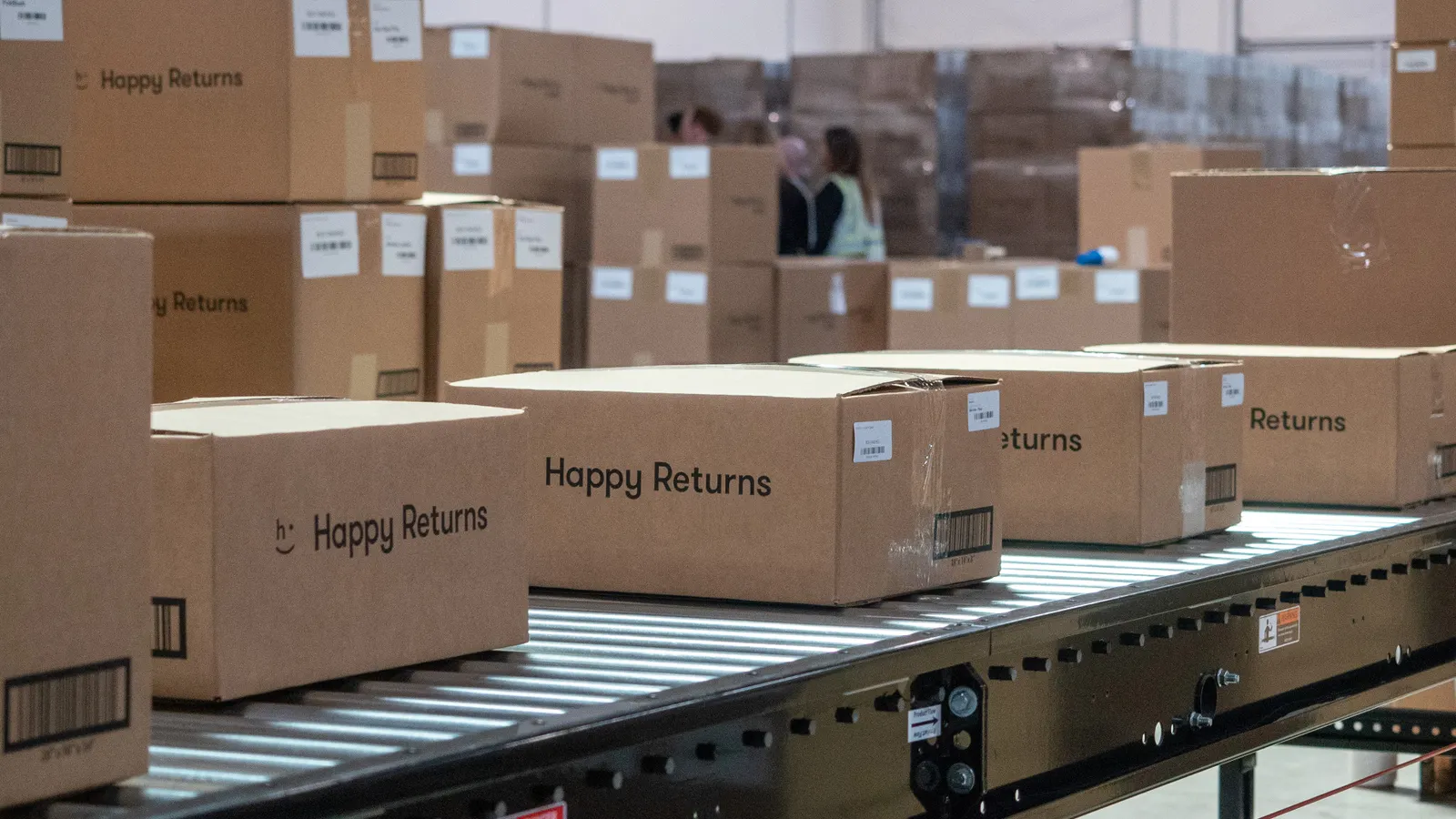
By Max Garland | October 14, 2026
In an era where the ease of a return is often as critical to the consumer as the quality of the product itself, TikTok Shop has taken a decisive step to fortify its logistics infrastructure. As of mid-October 2026, the social commerce giant has announced a strategic integration with Happy Returns—a UPS-owned company—to offer a streamlined, box-free, and label-free returns experience for its users. This collaboration, which counts major retail players like Pacsun and Everlane among its early adopters, arrives as a critical preemptive measure ahead of the notoriously high-volume post-holiday returns season.
The Main Facts: A New Era for Social Commerce Returns
The integration marks a significant pivot in how TikTok Shop manages the lifecycle of a purchase. Historically, returns in the social commerce space have been fragmented, often placing the burden of packaging and shipping on the consumer, which frequently results in friction, cart abandonment, and reduced customer loyalty.
By tapping into the Happy Returns ecosystem, TikTok Shop is now providing a standardized, frictionless solution. Consumers can initiate a return through the TikTok Shop app, receive a QR code, and drop their items—sans boxes or shipping labels—at any of the thousands of "Return Bars" located in retail locations nationwide. This move positions TikTok Shop as a more sophisticated competitor against established e-commerce marketplaces like Amazon, which have long prioritized the efficiency of the "last mile" and the "first mile" of reverse logistics.
Chronology of the Partnership
The road to this integration reflects the broader evolution of TikTok’s commerce strategy:
- Q1 2026: Market research identifies that customer frustration with returns is a leading cause of churn for high-growth merchants on the TikTok Shop platform.
- Q2 2026: Initial discussions between TikTok Shop’s strategic initiative team and UPS/Happy Returns begin, focusing on how to integrate existing infrastructure into a social media interface.
- Late Summer 2026: Pilot testing commences with a select group of retailers, including Pacsun and Everlane, to test the integration between the TikTok Seller Center and the Happy Returns portal.
- October 14, 2026: Official public launch. TikTok Shop confirms it is the first major social commerce platform to directly integrate Happy Returns at the platform level, rather than relying on individual merchant-side website plugins.
- Q4 2026 (Upcoming): The platform is expected to handle its first major stress test during the post-holiday returns rush, typically occurring between December 26 and mid-January.
Supporting Data: The Economics of the Return
The financial implications of this partnership are underscored by the sheer scale of the reverse logistics market. According to data from the National Retail Federation (NRF), consumers are expected to return nearly $850 billion worth of merchandise annually. For retailers, these returns represent more than just lost sales; they are significant operational drains that involve shipping costs, inspection fees, and potential inventory depreciation.
Happy Returns has positioned its service as a cost-containment tool. During a recent webinar for merchants, Birdie Smith, Head of Sales at Happy Returns, noted that the service is best suited for merchants processing at least 10,000 returns annually, particularly those within the apparel, footwear, and accessories verticals. These categories, which form the backbone of TikTok Shop’s inventory, are historically prone to high return rates due to sizing and fit issues.
Furthermore, the integration provides a dual-track approach:
- For Fulfilled by TikTok (FBT) merchants: No additional setup is required. The infrastructure is pre-integrated into the platform’s back-end.
- For Seller-Fulfilled merchants: A streamlined onboarding process allows merchants to plug their existing operations into the Happy Returns network, provided they meet the volume thresholds required for efficiency.
Official Responses and Strategic Visions
The leadership teams behind this partnership view the collaboration as a synergy of reach and infrastructure.
Patrick Nommensen, President of Strategic Initiatives at TikTok Shop:
"Our primary goal is to ensure that the shopping experience on TikTok is seamless from discovery to delivery, and—when necessary—to return. By partnering with Happy Returns, we are making the post-purchase process faster, hassle-free, and more trustworthy. We want our users to feel the same confidence purchasing from a creator-led storefront that they would from a traditional legacy retailer."

David Sobie, Co-Founder and CEO of Happy Returns:
"Our TikTok Shop partnership brings Happy Returns into one of the fastest-growing commerce ecosystems in the world. We are providing a fraud-resistant, scalable returns infrastructure that merchants desperately need. By removing the need for boxes and labels, we aren’t just saving the consumer time; we are helping merchants consolidate returned inventory, which drastically reduces the carbon footprint and processing costs associated with individual returns."
Implications for the Retail Landscape
The implications of this move are far-reaching, touching upon competition, consumer behavior, and the future of logistics.
1. Competitive Pressure on Logistics Providers
The competition in the returns space is heating up. While Happy Returns has established itself as the leader in the "box-free" space, the industry is not standing still. FedEx has aggressively pushed its "Easy Returns" service, which leverages its massive footprint of FedEx Office locations and retail partnerships (like Kohl’s). With TikTok Shop choosing Happy Returns as its exclusive box-free partner, the pressure on other logistics carriers to improve their "Return Bar" footprint is immense.
2. The Normalization of "Social Returns"
For years, social commerce was viewed as a "discovery" engine—a place to find trends but not necessarily a place to build a long-term, high-volume retail brand. This integration signals the "professionalization" of TikTok Shop. When a brand like Everlane, known for its transparency and premium positioning, adopts a returns flow integrated into a social platform, it legitimizes that platform as a serious retail destination.
3. The Fraud and Efficiency Balance
One of the most significant challenges in reverse logistics is return fraud—cases where customers return empty boxes, incorrect items, or used goods. Happy Returns’ model of in-person, "Return Bar" verification mitigates this risk. Because the items are checked at the point of drop-off, retailers receive faster validation, allowing for quicker refunds and, crucially, faster restocking of inventory. In the fast-paced world of social commerce, where trends can vanish in weeks, the ability to get inventory back into the "sellable" pool is a massive competitive advantage.

4. Consumer Psychology and Conversion
The "Return Friction" index is a real metric in e-commerce. High friction (having to find a printer, buy a box, drive to a post office) leads to lower conversion rates. By removing these hurdles, TikTok Shop is essentially lowering the "risk" of purchase. Consumers are more likely to buy multiple sizes or styles if they know that returning the ones they don’t want is as simple as a quick trip to a local store. This is expected to drive higher average order values (AOV) across the platform.
Conclusion: Preparing for the Holiday Surge
As the retail industry looks toward the end of 2026, the focus shifts to operational resilience. The "January Surge"—the massive wave of returns following the winter holidays—is often the ultimate test for any logistics chain.
By integrating Happy Returns now, TikTok Shop is not merely adding a feature; it is insulating its ecosystem against the chaos of the holiday season. Merchants who successfully leverage this integration will likely see higher customer retention, lower overheads on return processing, and a more robust brand reputation. As the lines between social media and traditional e-commerce continue to blur, this partnership stands as a blueprint for how platforms can marry the spontaneity of viral shopping with the cold, hard efficiency required by modern supply chain management.
For the modern consumer, the "hassle" of the return is becoming a relic of the past. For TikTok Shop, it is the latest bridge crossed in its quest to become the dominant global commerce marketplace.


 Lina Irawan
 Ali Ikhwan
 Layla Zulfa
 Nana
Nana
 Pevita Pearce
 Rifan Muazin

 Iffa Jayyana