
 Asep Darmawan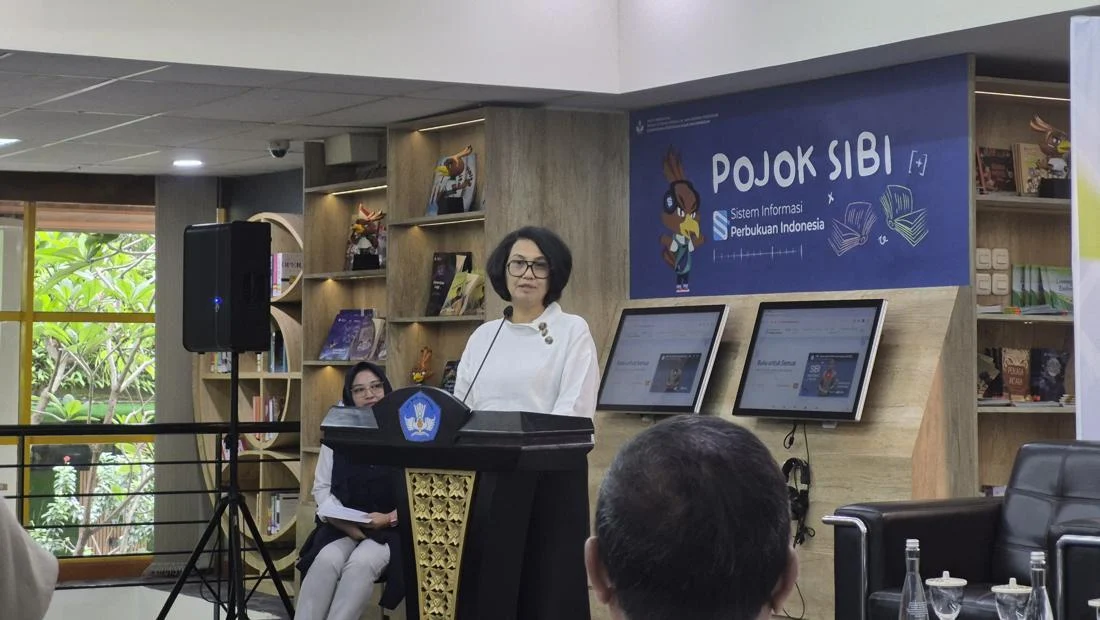
The ceremony, which coincided with the "Bedah Buku Bermutu 2045 Hz Frekuensi Masa Depan Indonesia" (Review of Quality Books: 2045 Hz Frequency of Indonesia’s Future) event, underscored the ministry’s unwavering commitment to fostering a culture of reading and learning. Secretary-General of Kemendikdasmen, Suharti, articulated the vision behind SIBI, emphasizing its role as a groundbreaking innovation designed to elevate literacy rates nationwide by ensuring the availability of premium educational content.
"SIBI stands as one of our key innovations to strengthen our efforts in improving literacy in Indonesia by providing quality books," Suharti stated with conviction. She further elaborated on the system’s comprehensive capabilities, "This system boasts complete features, from book selection to curation, all integrated within the platform." Her remarks highlighted not only the accessibility but also the rigorous quality control inherent in the new system, assuring users of the educational value of the materials available.
The integration of SIBI with SLiMS is particularly noteworthy. SLiMS, an open-source library management system, was originally developed and first implemented in Kemendikdasmen’s own library. It has since gained widespread adoption, not only across Indonesian school libraries but also, remarkably, by institutions in other countries, including Bangladesh and several nations in Central Asia. This fusion of a curated digital book repository with an established, robust library management system represents a strategic move to create a more efficient, accessible, and globally-recognized educational infrastructure.
The Dawn of Digital Literacy: SIBI and SLiMS Integration Unveiled
The formal launch on May 25, 2026, was more than just a ceremonial ribbon-cutting; it was a clear declaration of Kemendikdasmen’s ambition to leverage technology in overcoming long-standing challenges in educational resource distribution. The event at the Kemendikdasmen Library in Senayan, a hub for educational discourse, provided the perfect backdrop for unveiling an initiative poised to reshape the learning landscape for millions.
Secretary-General Suharti, a key architect of this digital transformation, passionately articulated the transformative potential of SIBI. Her address centered on the critical link between access to quality reading materials and the overall improvement of national literacy. Indonesia, a vast archipelago with diverse geographical and socio-economic conditions, faces unique challenges in ensuring equitable access to educational resources. SIBI, envisioned as a centralized yet accessible digital platform, directly addresses these disparities. It promises to transcend geographical barriers, making educational content available to students and teachers regardless of their location, from bustling urban centers to remote villages.
Suharti’s emphasis on SIBI’s "complete features" is crucial. This is not merely a digital catalog but a sophisticated ecosystem designed to support the entire lifecycle of educational materials. From the initial selection of content, which involves stringent pedagogical and contextual relevance criteria, to the meticulous curation process that ensures accuracy, quality, and alignment with national curricula, SIBI acts as a guardian of educational standards. This level of oversight is intended to build trust among educators and parents, assuring them that the resources available through SIBI are not only accessible but also pedagogically sound and culturally appropriate. The system’s capacity for continuous updates and expansion means it can evolve with educational needs and technological advancements, providing a dynamic and relevant resource for years to come.
The "Bedah Buku Bermutu 2045 Hz Frekuensi Masa Depan Indonesia" event, held concurrently, provided a deeper context to the launch. It highlighted the ministry’s forward-looking perspective, emphasizing the role of quality literature in shaping the intellectual landscape for future generations. The thematic focus on "2045 Hz Frequency" subtly alludes to Indonesia’s centennial vision, "Indonesia Emas 2045" (Golden Indonesia 2045), where a highly educated, innovative, and competitive populace is envisioned. The quality of books accessible today directly influences the caliber of citizens tomorrow, making SIBI a foundational pillar in achieving these ambitious national goals.
SIBI: A Comprehensive Platform for Quality Books and Enhanced Literacy
At its core, SIBI, or Sistem Informasi Perbukuan Indonesia, is a digital repository designed to be the definitive source for high-quality educational books in Indonesia. Its establishment is a direct response to the ongoing need to elevate the nation’s literacy rates, which are fundamental to individual empowerment and national progress. The platform is engineered to address various pain points in the traditional book distribution model, including limited physical access, the high cost of printed materials, and the challenges of maintaining an up-to-date collection in every school library.
Key Features and Content:
SIBI is not merely a collection of e-books; it is a meticulously managed system. Supriyatno, the Head of the Kemendikdasmen Book Center, elucidated on the rigorous standards applied to the content available on SIBI. "On SIBI, users can obtain various information related to books, especially the textbooks currently used in educational units," he explained. "The books available on SIBI are those that have received recommendations from the Kemendikdasmen Book Center and are primary textbooks aligned with the current curriculum." This assurance of quality and relevance is paramount, distinguishing SIBI as an authoritative source for educational content.
The platform offers:
- Curated Content: Every book on SIBI undergoes a thorough review and curation process by the Kemendikdasmen Book Center, ensuring its pedagogical value, factual accuracy, and alignment with national educational objectives. This includes textbooks, supplementary reading materials, and other educational resources crucial for holistic learning.
- Free Access: A cornerstone of SIBI’s mission is to provide equitable access. Supriyatno emphasized that "books on SIBI can be accessed, read, and downloaded for free." This eliminates financial barriers that often hinder students and schools, particularly in underserved areas, from acquiring necessary learning materials.
- Comprehensive Information: Beyond just the books themselves, SIBI provides detailed information about each title, including author, publisher, subject matter, and its relevance to specific curriculum frameworks. This rich metadata assists educators in selecting appropriate resources and students in finding relevant learning materials.
- Support for Diverse Learning: By offering digital formats, SIBI supports various learning styles and accessibility needs. Students can read online, download for offline access, and potentially utilize text-to-speech features or adaptive displays, depending on the platform’s future enhancements.
Why Quality Books Matter:
The emphasis on "quality books" is not an arbitrary one. Research consistently demonstrates a strong correlation between access to high-quality, engaging reading materials and improved literacy outcomes. Quality books stimulate critical thinking, foster vocabulary development, enhance comprehension skills, and cultivate a lifelong love for reading. In a rapidly evolving world, where information literacy is as crucial as basic reading and writing, providing curated, reliable content is more vital than ever. SIBI’s commitment to quality ensures that students are exposed to accurate, well-structured, and inspiring content, forming a solid foundation for their intellectual growth.
Scaling Up Access: The "Pojok SIBI" Initiative
Recognizing that digital access alone might not suffice in all contexts, Kemendikdasmen has envisioned a complementary physical presence through the "Pojok SIBI" or SIBI Corners. These dedicated spaces are designed to serve as focal points for digital literacy and access, ensuring that the benefits of SIBI reach every corner of the nation.
Massive Socialization and Implementation:
Toni Toharudin, the Head of Kemendikdasmen’s Agency for Primary and Secondary Education Policy (BKPDM), outlined the ambitious plans for the widespread rollout of these corners. "We want to massively socialize SIBI, because it is one of the keys to quality education for all," Toni stated. This emphasis on "quality education for all" underscores the equity-driven approach of the initiative, aiming to leave no student behind due to geographical or infrastructural limitations.
The strategy involves a phased implementation:
- School-Based Pojok SIBI: "In schools, yes, Pojok SIBI will be present for schools that are ready," Toni explained. This readiness likely refers to schools equipped with basic digital infrastructure such as computers, internet connectivity, and staff capable of managing these digital corners. These school-based Pojok SIBI will provide students and teachers with direct access to SIBI’s vast digital library within their learning environment. This could involve dedicated computer stations, tablets, or even large interactive screens where students can explore and download books.
- Regional Hubs at UPTs: Beyond individual schools, the initiative leverages Kemendikdasmen’s Technical Implementation Units (UPTs) as crucial regional dissemination points. "But, in every UPT, it will become a source of SIBI socialization for the region," Toni added. UPTs, which are decentralized arms of the ministry, serve various administrative and support functions for education in their respective regions. By designating them as "sources of socialization," Kemendikdasmen aims to create regional hubs where educators, community leaders, and parents can learn about SIBI, receive training on its usage, and access its resources. This approach ensures broader outreach and localized support, helping to bridge the digital divide and foster community engagement with the platform.
Strategic Importance of Decentralized Access:
The "Pojok SIBI" initiative is strategic for several reasons. Firstly, it acknowledges the digital divide that still exists in many parts of Indonesia. While smartphones are ubiquitous, dedicated computing resources and reliable internet access for educational purposes are not universally available, especially in remote areas. Pojok SIBI provides a communal access point, minimizing individual device and connectivity requirements.
Secondly, these physical corners can facilitate guided learning and digital literacy training. Librarians or designated staff at schools and UPTs can assist users in navigating the SIBI platform, discovering relevant content, and even troubleshooting technical issues. This human element is crucial for maximizing the utility of a digital platform, especially for those new to digital learning tools.
Lastly, Pojok SIBI fosters a sense of community around reading and learning. These spaces can become vibrant centers for educational activities, book clubs, and collaborative learning, extending the impact of SIBI beyond mere digital access to a more immersive and interactive experience. By integrating digital resources with physical spaces, Kemendikdasmen is creating a hybrid ecosystem that leverages the strengths of both worlds to enhance educational equity and quality.
SLiMS: Indonesia’s Contribution to Global Library Management
The integration of SIBI with the Senayan Library Management System (SLiMS) is a testament to Indonesia’s growing prowess in developing innovative, open-source technological solutions for public good. SLiMS is far more than just a library software; it is a success story of homegrown innovation that has garnered international recognition.
Origin and Functionalities:
Suharti proudly highlighted SLiMS’s roots: "SLiMS is a system that was first developed and used in the Kemendikdasmen library." This origin story underscores the ministry’s commitment not only to adopting technology but also to fostering its development internally. As an open-source system, SLiMS offers a cost-effective and flexible solution for managing library operations. Its core functionalities typically include:
- Cataloging: Efficient organization and indexing of library collections, making books and other resources easily discoverable.
- Circulation Management: Streamlining the borrowing, returning, and renewal processes for library materials.
- Member Management: Maintaining records of library patrons, their borrowing history, and preferences.
- Inventory Management: Tracking the physical location and status of all library assets.
- Online Public Access Catalog (OPAC): Providing a user-friendly interface for patrons to search the library’s collection from anywhere.
- Reporting: Generating various reports to help librarians analyze usage patterns, manage collections, and make informed decisions.
The open-source nature of SLiMS means it is continuously improved by a community of developers and users, ensuring its adaptability and responsiveness to evolving library needs. This collaborative development model has been instrumental in its widespread adoption.
International Adoption and Recognition:
Perhaps the most striking aspect of SLiMS, as noted by Suharti, is its remarkable international reach. "It has even been adopted, according to information, by various countries including Bangladesh and regions in Central Asia also use SLiMS," she revealed. This international recognition is a significant achievement, positioning Indonesia as a contributor to global library technology. The fact that libraries in diverse geographical and cultural contexts have chosen SLiMS speaks volumes about its robustness, versatility, and ease of use.
This international adoption carries several implications:
- Validation of Indonesian Innovation: It validates the technical expertise and innovative capacity within Indonesia’s public sector. It demonstrates that solutions developed locally can meet international standards and address global challenges.
- Soft Power and Collaboration: It enhances Indonesia’s soft power on the global stage, showcasing its willingness to share open-source tools that benefit other nations. This can foster further international collaboration in technology and education.
- Cost-Effectiveness for Developing Nations: For countries with limited budgets for proprietary software, SLiMS offers a high-quality, free alternative, making advanced library management accessible to a broader range of institutions. This aligns with global efforts to democratize technology and knowledge.
The success of SLiMS underscores Kemendikdasmen’s dual role: not just as a consumer of technology but also as a developer and sharer of impactful digital solutions.
Synergy for Enhanced Accessibility: SIBI and SLiMS Integration
The integration of SIBI and SLiMS is where the true power of Kemendikdasmen’s digital strategy lies. This synergy creates a unified, powerful ecosystem for managing and accessing educational resources, addressing critical barriers to learning.
Technical and Practical Benefits:
The integration means that users interacting with a library using SLiMS can now seamlessly access the digital collection of SIBI. This could manifest in several ways:
- Unified Search: A single search query in the SLiMS OPAC could yield results for both physical books in the library and digital books available on SIBI.
- Streamlined Access: Users can directly click through from SLiMS to SIBI to read or download digital books, eliminating the need to navigate multiple platforms.
- Comprehensive Resource Management: Librarians can manage both their physical inventory and their digital subscriptions/access rights through a single interface, simplifying administration.
This integration is a practical solution to a pervasive challenge. As Suharti emphasized, it is "an effort by Kemendikdasmen to increase access to quality books." More importantly, it tackles the persistent issue of infrastructure limitations. In a country where robust internet connectivity and extensive physical library networks are not uniform, digital solutions become vital.
Overcoming Infrastructure Limitations:
"Also, it does not hinder the infrastructure limitations we face," Suharti firmly stated. This point is crucial. By integrating SIBI with SLiMS, the ministry acknowledges that while physical libraries remain important, digital access offers unparalleled reach, especially in areas with underdeveloped physical infrastructure or challenging terrain.
- Geographical Barriers: Books can be delivered digitally to the remotest schools and homes without the logistical complexities and costs of physical transportation.
- Timeliness: Digital books can be updated and distributed almost instantly, ensuring students always have access to the most current information and curricula.
- Space Constraints: Digital libraries require no physical shelf space, making it feasible for even the smallest schools or community centers to host a vast collection of books.
- 24/7 Access: Unlike physical libraries with limited operating hours, SIBI, through its integration with SLiMS, offers round-the-clock access to learning materials, empowering students to learn at their own pace and schedule.
This integration represents a strategic pivot from a solely physical-centric approach to a hybrid model that prioritizes digital access while complementing existing library infrastructure. It ensures that the aspiration for "quality education for all" is not merely a slogan but a tangible reality, supported by robust, accessible technological platforms.
Driving Educational Equity and National Literacy
The launch of Pojok SIBI and the integration of SIBI with SLiMS are more than just technical achievements; they are foundational elements of Kemendikdasmen’s broader strategy to transform Indonesia’s educational landscape. These initiatives are deeply intertwined with the nation’s ambitious goals for human resource development and the realization of "Indonesia Emas 2045."
Empowering Students and Educators:
By providing free, quality, and accessible educational resources, Kemendikdasmen is directly empowering students to take charge of their learning. It fosters independent study, encourages self-discovery through reading, and levels the playing field for those who previously lacked access to essential materials. For educators, SIBI becomes an invaluable tool, offering a rich array of supplementary resources to enhance their teaching methods and keep abreast of the latest pedagogical content. The curated nature of SIBI also saves teachers valuable time, as they can trust the quality and relevance of the materials without extensive pre-vetting.
Fostering a Digital Learning Culture:
These initiatives accelerate the adoption of digital literacy across the educational ecosystem. By making digital platforms central to resource access, students and teachers will naturally develop essential digital skills – navigating online interfaces, conducting digital searches, evaluating online content, and utilizing digital reading tools. This prepares them for a future workforce that increasingly relies on digital proficiency. The "Pojok SIBI" further reinforces this by providing physical spaces for digital engagement and learning support.
Addressing Educational Disparities:
Indonesia’s vast geography and socio-economic diversity often lead to significant disparities in educational opportunities. The digital reach of SIBI and the localized support of "Pojok SIBI" directly target these disparities. They ensure that students in remote areas, who might otherwise have limited access to physical libraries or current textbooks, now have an equal opportunity to engage with high-quality learning materials. This commitment to equity is crucial for building a cohesive and prosperous nation.
Contributing to National Development Goals:
Ultimately, improved literacy and equitable access to quality education are direct drivers of national development. A well-educated populace is more innovative, productive, and capable of contributing to economic growth, social progress, and democratic participation. By investing in platforms like SIBI and SLiMS, Kemendikdasmen is making a strategic investment in Indonesia’s future, laying the groundwork for a generation of critical thinkers, lifelong learners, and engaged citizens who can realize the vision of a "Golden Indonesia" by 2045.
Conclusion
The launch of Pojok SIBI and the integration of SIBI with SLiMS by Kemendikdasmen represent a transformative moment for education in Indonesia. Underpinned by a vision to enhance literacy and ensure equitable access to quality learning resources, these initiatives leverage homegrown technological innovation to address long-standing educational challenges. From the comprehensive curation of SIBI’s digital library to the strategic dissemination through "Pojok SIBI" and the global reach of SLiMS, every component is meticulously designed to empower students and educators across the archipelago.
As Secretary-General Suharti and her colleagues have articulated, this endeavor is not merely about providing books; it is about building a robust, accessible, and future-ready educational ecosystem that transcends geographical and infrastructural barriers. By fostering digital literacy, promoting a culture of reading, and ensuring that quality education is within reach for every Indonesian child, Kemendikdasmen is laying a vital foundation for a more knowledgeable, innovative, and prosperous nation, firmly aligned with its ambitious "Indonesia Emas 2045" vision. The digital revolution in Indonesian education has officially begun, promising a brighter future for generations to come.



 Basiran
 Raul Delapena Setiawan
 Reynand Wu
 Sagoh
Sagoh

 Azzam Bilal Chamdy
 Ali Ikhwan