
 Layla Zulfa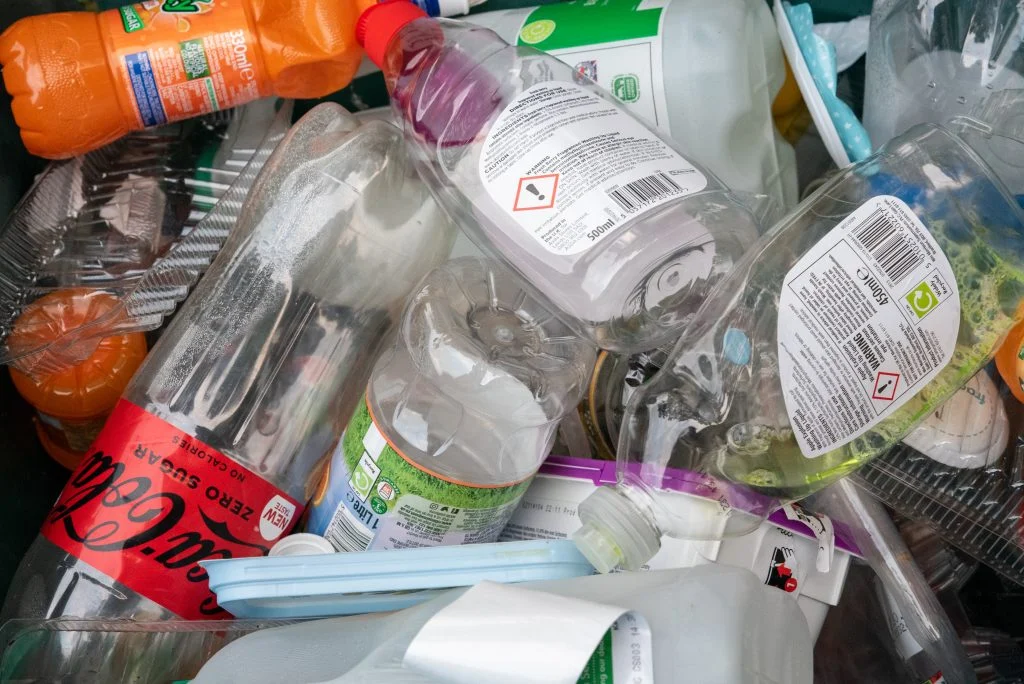
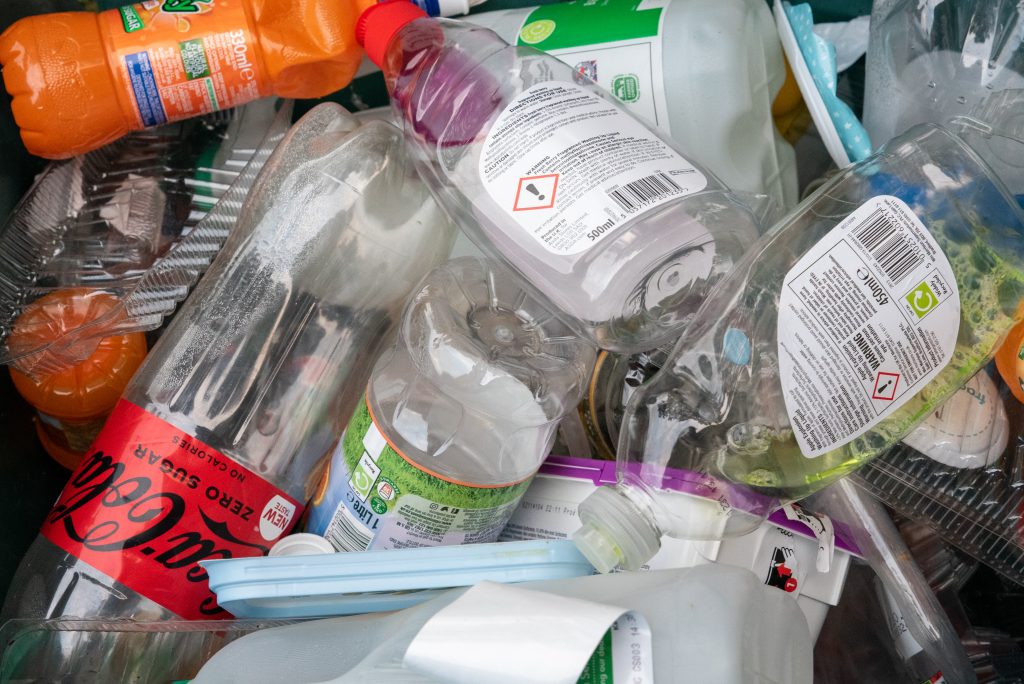

The UK retail sector is bracing for a significant financial shock as the cost of plastic Packaging Recovery Notes (PRNs) has more than doubled over the past year. According to the latest analysis from the British Retail Consortium (BRC), the average price per tonne of plastic PRNs has skyrocketed from approximately £180 in 2025 to over £370 in 2026. This sudden inflationary pressure is set to add more than £100 million to the industry’s collective operating costs, sparking fresh warnings that these expenses will inevitably be passed down to households already grappling with the cost-of-living crisis.
The BRC is now calling for a fundamental reform of the UK’s environmental compliance framework, arguing that the current system is inefficient, duplicative, and, in the words of industry leaders, "completely unnecessary."
The Core Issue: An Overlapping Regulatory Burden
At the heart of the crisis is a complex, multi-layered regulatory environment. Retailers are currently required to navigate three distinct, overlapping packaging-related costs:
- Packaging Recovery Notes (PRNs): The long-standing, market-based system designed to evidence that a certain amount of packaging has been recycled.
- The Plastic Packaging Tax: A levy applied to plastic packaging manufactured in or imported into the UK that contains less than 30% recycled plastic.
- Extended Producer Responsibility (EPR): The government’s flagship scheme intended to shift the cost of household waste management from local councils to the producers of packaging.
The BRC asserts that having these three mechanisms running in parallel creates an administrative and financial bottleneck that serves no clear environmental benefit. Instead, it places a disproportionate burden on retailers, who are forced to pay multiple times for the management of the same materials.
A Chronology of the PRN Spike
The volatility of the PRN market has been a growing concern for industry analysts since early 2025. To understand how the sector arrived at this £100m shortfall, it is necessary to examine the timeline of the current market disruption:
- Q1 2025: PRN prices remained relatively stable, hovering around the £180 per tonne mark. Retailers operated under the expectation of a transition toward a more unified EPR framework.
- Q3 2025: Early signs of market volatility emerged as recycling targets tightened and supply-side pressures began to impact the availability of accredited recycling evidence.
- Q1 2026: Market prices began a steady, aggressive climb. Speculation regarding the government’s timeline for the full implementation of the EPR scheme led to a tightening of the PRN supply, driving prices upward.
- Q3 2026: The current peak of over £370 per tonne has been reached, forcing industry trade bodies to speak out as the annual cost impact to retailers officially breaches the £100 million threshold.
The Financial Implications: Costs, Consumers, and Compliance
The immediate financial implication is a direct hit to the bottom line of the nation’s largest retailers, but the ripple effects are likely to be far more widespread.
The Cost to the Consumer
Retailers operate on thin profit margins, particularly within the grocery and high-street fashion sectors. When operating costs rise by such significant margins—specifically when those costs are statutory—retailers are often left with little choice but to adjust their pricing strategies. Industry experts warn that if the government does not act to streamline the system, this £100 million in additional costs will likely manifest as incremental price increases on the shelves of supermarkets and department stores.
The Inefficiency of the Status Quo
Beyond the immediate cash flow impact, there is the issue of administrative inefficiency. Businesses must dedicate significant resource to reporting and compliance across three separate platforms. The BRC argues that the current PRN system is an "outdated" relic that was intended to encourage recycling but has instead become a source of market volatility and profit-taking by accredited reprocessors.
Official Response: The BRC’s Call for Reform
Andrew Opie, the BRC’s director of food and sustainability, has been the primary voice behind the call for a radical simplification of the waste management landscape.
"The Packaging Recovery Note system is outdated, inefficient, and completely unnecessary," Opie stated. "Rather than charging retailers—and ultimately consumers—three separate times on the packaging they use, the government should streamline this process and run recycling through its flagship EPR scheme."
The BRC’s proposal is clear: fold the PRN system into the existing £1.5bn-a-year Extended Producer Responsibility scheme. By doing so, the government would create a single, unified framework. The BRC maintains that this transition would save businesses and households £100m annually without sacrificing the integrity or effectiveness of the UK’s recycling targets.
The Ringfencing Demand
Crucially, the BRC is not just calling for the removal of the PRN system; it is also demanding a guarantee on how funds are utilized. Opie emphasized that for any new or streamlined system to be effective, "EPR funds must be ringfenced."
The concern is that, without strict legislative safeguards, money raised through environmental levies may be diverted into the general Treasury pot rather than being invested in the infrastructure required to boost national recycling rates. The BRC is pushing for a guarantee that all funds raised are strictly used by local councils to create and operate a world-class recycling system capable of processing a wider range of materials more efficiently.
Looking Ahead: Can the System Be Modernized?
The government’s Extended Producer Responsibility (EPR) scheme was designed to be the definitive answer to the UK’s waste management challenges. By making producers financially responsible for the entire lifecycle of their packaging, the policy aims to incentivize the use of more sustainable materials and reduce waste. However, the persistence of the PRN system has muddied these waters.
For the retail sector, the goal is "regulatory simplification." In an environment where companies are already making massive investments to pivot toward a circular economy, the added cost of the PRN system is viewed as a hurdle that impedes, rather than accelerates, sustainability goals.

The Path to Policy Change
As the debate intensifies, stakeholders in the recycling and waste management industries are beginning to voice their own concerns. Some argue that the PRN system provides a necessary, market-driven signal for recycling capacity. However, as prices hit historic highs, the political pressure to find a more stable, cost-effective solution is mounting.
Whether the government will choose to phase out the PRN system in the next legislative session remains to be seen. What is clear, however, is that the current £100m annual "tax" on retail efficiency is unsustainable. For a sector that is already balancing intense competition with the high costs of supply chain modernization, the BRC’s call for a single, streamlined framework appears to be gaining momentum as a common-sense solution to a complex, systemic failure.
In the coming months, the retail sector will be looking for a clear signal from Whitehall. Without intervention, the inflationary pressures of the current packaging regime will continue to serve as a drag on both business growth and household affordability, highlighting the urgent need for a cohesive, long-term environmental strategy that prioritizes efficiency alongside sustainability.

 Reynand Wu
 Iffa Jayyana
 Raul Delapena Setiawan

 Sagoh
Sagoh
 Azzam Bilal Chamdy
 Ali Ikhwan