
 Nana Muazin
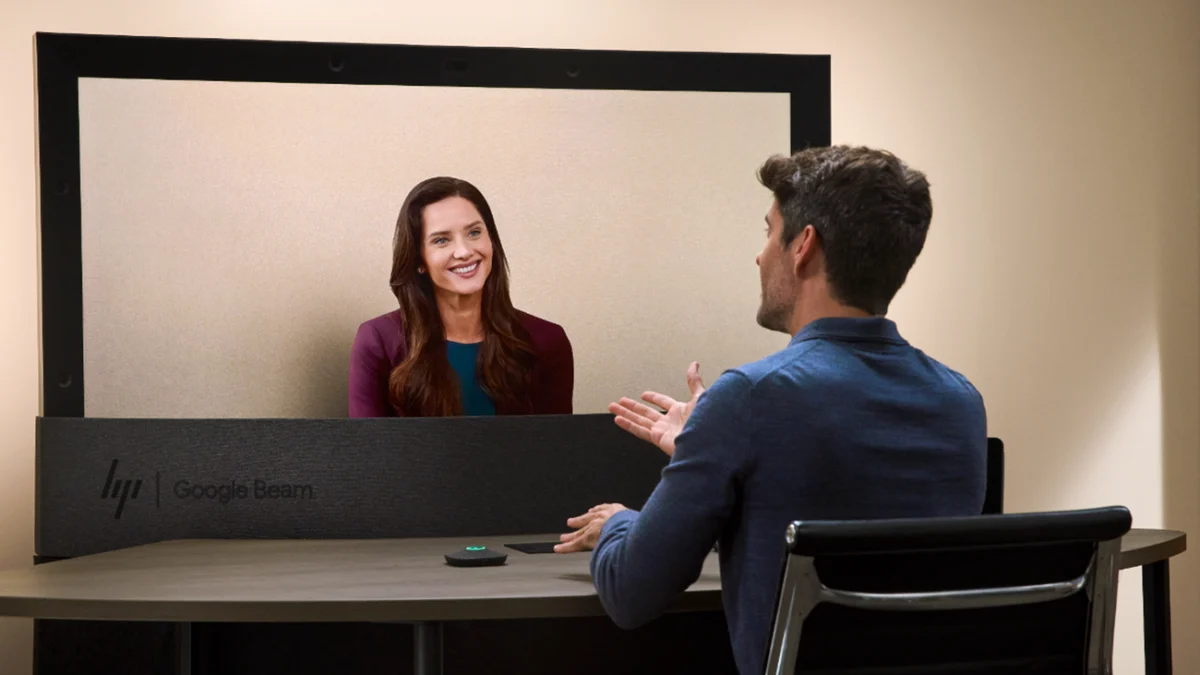
In the evolving landscape of modern work, the "distance" between colleagues has become the primary challenge for enterprises worldwide. While video conferencing tools have bridged the gap for information exchange, they have historically struggled to replicate the nuance of physical proximity. Today, Google is signaling a significant shift in this paradigm with the aggressive expansion of Google Beam, a technology designed to foster genuine, "co-present" human connection regardless of geography.
By announcing a multi-country rollout, a strategic partnership with flexible workspace provider Industrious, and compelling new metrics regarding productivity, Google is positioning Beam not merely as an alternative to video calls, but as a fundamental upgrade to how global organizations operate.
The Core Vision: Moving Beyond the "Flat" Screen
Since its inception, the guiding philosophy behind Google Beam has been to remove the friction of digital communication. Traditional video meetings are often hampered by "flat" interactions—users looking at cameras instead of each other, struggling with eye contact, and missing the subtle non-verbal cues that define effective leadership and collaboration.
Google Beam aims to solve this by creating an environment of "copresence." By integrating seamlessly with existing enterprise ecosystems like Google Meet and Zoom, the technology allows users to occupy a virtual space that feels grounded in reality. The hardware, delivered via the HP Dimension with Google Beam, is designed for high-stakes environments: recruiting, executive mentorship, and complex cross-functional brainstorming.
Chronology: A Trajectory of Growth
The journey of Google Beam has been marked by a deliberate, measured approach to product validation, moving from internal experimentation to a global enterprise offering.
- Internal Incubation: Initially deployed within Google’s own offices, the technology underwent rigorous testing to determine if it could truly reduce the "digital divide" among remote teams.
- The Pilot Phase: Following internal success, Google moved into controlled external pilots, most notably with global consulting firm Bain & Company. This phase was critical in testing the technology’s ability to handle high-fidelity, high-stakes interviews where body language and rapport are paramount.
- The Ecosystem Launch: Recognizing that proprietary hardware requires a robust support system, Google cultivated an ecosystem of 18 audiovisual integrators and distributors. This infrastructure was the prerequisite for today’s global rollout.
- The Retail Expansion (Current): As of October, Google has moved into the "Extended Network" phase. By partnering with Industrious, Google is bringing Beam into the public domain, allowing businesses of all sizes to access the technology in major commercial hubs like New York, Chicago, and Palo Alto.
Supporting Data: The Productivity Dividend
One of the most compelling aspects of the Google Beam rollout is the empirical data supporting its adoption. Critics of new communication hardware often point to the "learning curve" or "tech fatigue." However, an eight-week internal study conducted by Google revealed that the benefits of Beam significantly outweigh the costs of implementation.
Key Performance Indicators (KPIs)
- Connection Metrics: Teams utilizing Google Beam reported a 50% increase in feelings of interpersonal connection compared to those using standard video conferencing.
- Communication Clarity: Users found it 33% easier to ensure their feedback was clearly understood and interpreted as intended, reducing the ambiguity that often leads to workplace tension.
- Operational Efficiency: Perhaps most significantly for the bottom line, teams saw a 21% reduction in the need for follow-up meetings. By enabling higher-quality, more nuanced communication in the first instance, the technology effectively "front-loads" clarity, preventing the "meeting about a meeting" syndrome.
Official Perspectives and Industry Impact
The industry reception has been characterized by a pivot toward "high-touch" virtual experiences. Keith Bevans, Executive Vice President and Partner at Bain & Company, has been a vocal proponent of the technology’s role in professional development.
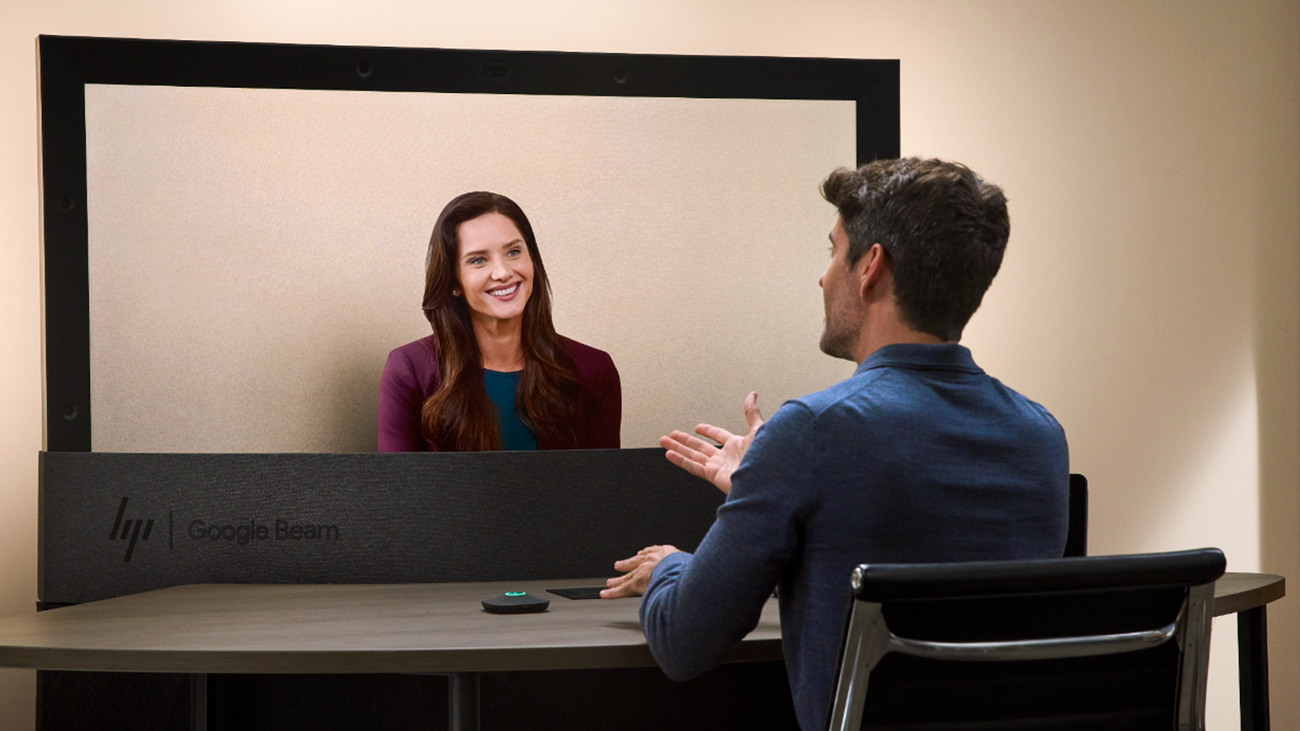
"One of the most challenging things for us to assess with candidates is how they’ll be with clients," says Bevans. "There are so many nuances in body language and eye contact, and Google Beam allows us to virtually understand how people will engage in person, which is critically important for their success at Bain and the success of our mission with our clients."
This sentiment is echoed by early adopters such as Netflix and Capital Group, who are looking to utilize Beam to maintain their unique corporate cultures across distributed workforces. The ability to simulate a "face-to-face" environment is being viewed as a competitive advantage in the war for talent, as it allows firms to interview and onboard global candidates without the logistical and carbon-heavy burden of frequent travel.
Strategic Implications: The Birth of the "Extended Network"
The partnership with Industrious marks a pivotal shift in how enterprise hardware is distributed. By placing HP Dimension with Google Beam units into premium, flexible workspaces, Google is effectively democratizing access to high-end collaboration tools.
Why the "Extended Network" Matters
- Lowering the Barrier to Entry: Small-to-medium-sized enterprises (SMEs) can now leverage enterprise-grade technology without the capital expenditure of purchasing and installing the units in their own facilities.
- Geographic Flexibility: For hybrid companies, the ability to book a "Beam-ready" room in a central city hub allows employees to have high-impact meetings with headquarters while remaining in their local region.
- Future-Proofing Real Estate: As commercial real estate demand fluctuates, the inclusion of "tech-enabled" meeting spaces adds tangible value to flexible office providers, turning them from simple desk-rental services into comprehensive collaboration hubs.
The Future of Work: A Human-Centric Evolution
As the world settles into a hybrid reality, the definition of "being at work" is undergoing a permanent transformation. The expansion of Google Beam suggests that the next phase of the digital revolution will not be about faster speeds or higher resolutions, but about the quality of human interaction.
The integration of HP Dimension with Google Beam into major global markets—including the U.S., Canada, U.K., France, Germany, and Japan—is a clear statement of intent. Google is betting that businesses will prioritize tools that protect the "human element" of their operations.
As we move forward, the success of this initiative will likely be measured by how many organizations choose to move away from the "grid" of traditional video calls toward the "copresence" of Beam. For the modern workforce, the ability to read a room, gauge a reaction, and build trust across thousands of miles may soon become the standard expectation, rather than a luxury.
For those looking to observe this transformation firsthand, the upcoming availability of these units at Industrious locations offers a tangible window into what the future of the boardroom—and the modern office—will look like. The distance hasn’t disappeared, but for the first time in the digital age, it is finally beginning to feel irrelevant.


 Nana

 Siti Muinah

 Raul Delapena Setiawan

 Reynand Wu

 Sagoh


 Azzam Bilal Chamdy

 Ali Ikhwan
