
 Raul Delapena Setiawan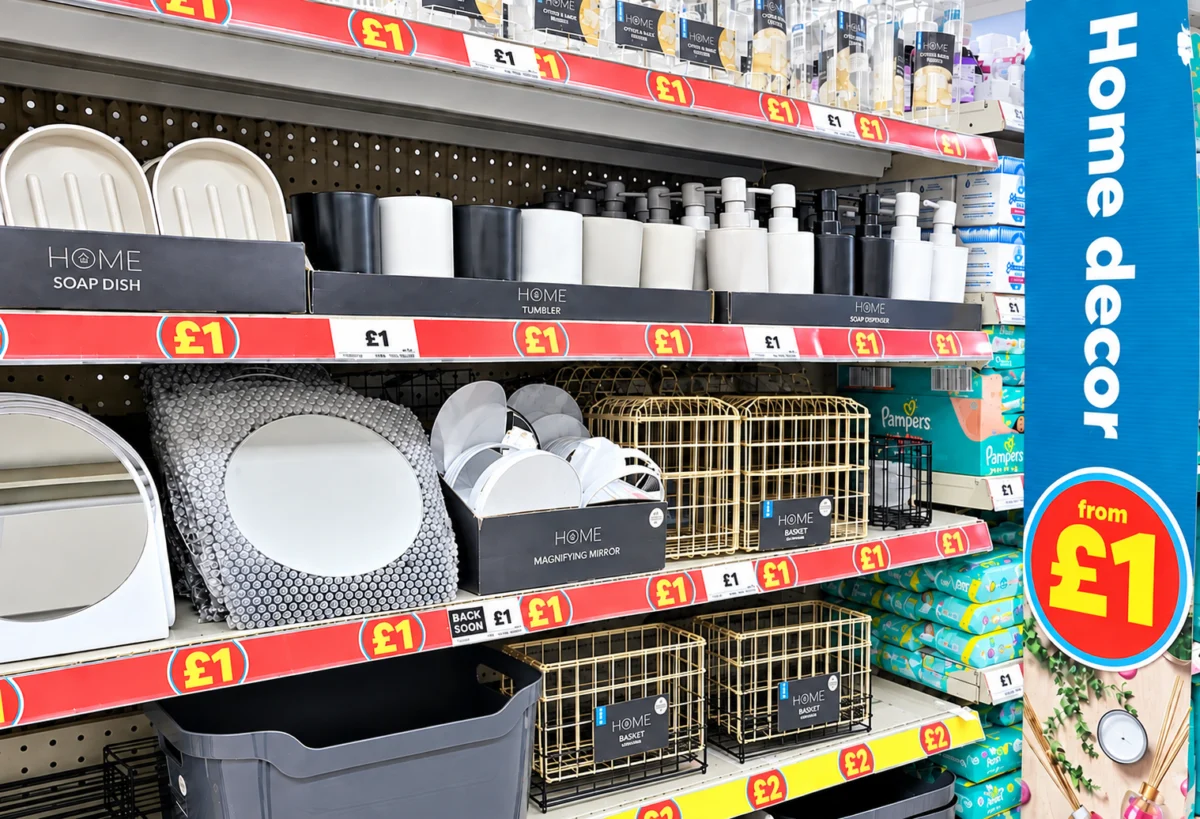
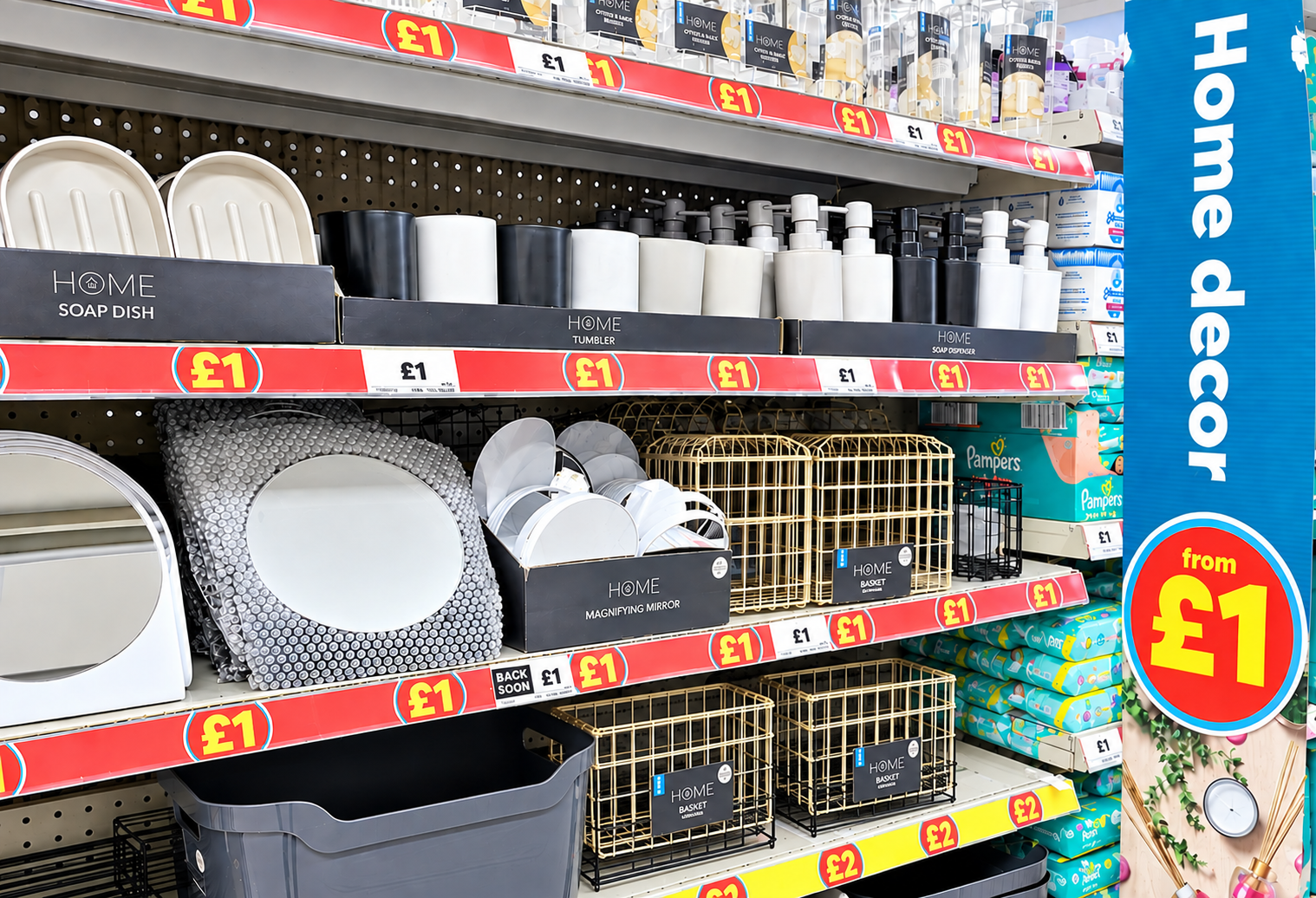
Discount retail giant Poundland has embarked on a transformative journey, launching a sophisticated pilot program across 15 select stores in England, Wales, Northern Ireland, and the Republic of Ireland. This initiative, which began in mid-September, marks a significant departure from traditional retail layouts, signaling a deeper commitment to customer-centric merchandising and the broader expansion of its high-demand general merchandise and clothing ranges.
The move comes at a pivotal time for the retailer, as it confirms strong financial performance for the final quarter of the 2026 fiscal year and sets a positive trajectory for the start of the 2027 fiscal year. By blending operational efficiency with a radical rethink of how its products are presented to the public, Poundland is positioning itself to capitalize on the shifting habits of cost-conscious consumers in an increasingly competitive marketplace.
The Strategic Pivot: Reimagining the Shopping Experience
For decades, Poundland—like many high-street discounters—relied on a rigid, department-based store architecture. However, the current pilot program represents a fundamental shift in philosophy. The retailer is moving toward a model organized by "customer needs and occasions" rather than legacy categorization.
By grouping items based on how shoppers actually interact with their homes and lifestyles—such as "Home Entertainment," "Seasonal Celebrations," or "Daily Essentials"—Poundland aims to create a more intuitive and frictionless shopping environment. This "needs-based" approach is designed to encourage cross-selling and provide a more immersive experience for customers who are increasingly seeking convenience alongside value.
Bringing Pep&Co to Smaller Footprints
Perhaps the most notable aspect of the pilot is the strategic integration of the retailer’s Pep&Co clothing line into smaller-format stores. Historically, these compact locations lacked the square footage to accommodate significant apparel ranges. By utilizing "edited ranges"—highly curated selections of clothing that prioritize high-velocity items—Poundland is testing whether it can successfully bridge the gap between its larger superstores and its smaller, high-street convenience locations.
This evolution is part of a larger "root and branch" range reinvention that has been unfolding across the retailer’s entire estate over the past 12 months. This period has seen the reintroduction of simple, clear pricing structures in grocery aisles and a successful, full-scale transition back to the core Pep&Co branding for all apparel, solidifying a cohesive brand identity that resonates with the modern value shopper.
Chronology of Recovery: A Year of Transformation
The current pilot program is not an isolated event but the culmination of a rigorous 12-month transformation plan. To understand the significance of these changes, one must look at the timeline of Poundland’s recent evolution:
- Q1–Q3 2026: Poundland initiated a top-to-bottom audit of its store estate, identifying inefficiencies in both product range and store layout. During this period, the retailer focused on simplifying its grocery pricing, stripping away complexity to regain the trust of value-focused shoppers.
- Mid-2026: The retailer finalized the transition of its clothing department back to the core Pep&Co brand. This move was intended to leverage the strength of the Pep&Co identity, which had previously been relegated to secondary status in many stores.
- September 2026: The retailer reached the end of its fiscal year with significant momentum, setting the stage for the launch of the current merchandising pilot.
- Mid-September 2026: The pilot program officially commenced in 15 locations, serving as a live laboratory for the "needs-based" layout strategy.
- Late September 2026: The conclusion of the Q4 FY26 reporting period confirmed that the recovery plan had successfully translated into tangible sales growth.
Supporting Data: Financial Strength and Market Performance
The success of the current transformation strategy is backed by robust financial figures. Poundland has confirmed its Q4 FY26 performance, reporting a return to positive like-for-like (LFL) growth, a key metric for retail health.
Key Financial Indicators:
- Unadjusted Q4 LFL Growth: 3.3%
- Adjusted Q4 LFL Growth: 6.4%
- Performance Outlook: The business is now projecting profitability at the upper end of its initial expectations.
These numbers are particularly significant given the volatility of the retail sector over the past year. By delivering consistent growth on both an adjusted and unadjusted basis, Poundland has demonstrated that its strategy of investing in new in-house teams and simplifying the customer offer is not just a theoretical improvement, but a commercially viable path forward. The momentum generated in the final quarter has reportedly strengthened further into the first week of the new financial year, suggesting that the "recovery plan" is gaining traction with the consumer base.
Official Responses: The View from Leadership
Managing Director Barry Williams has been vocal about the importance of these changes. According to Williams, the recent success is a direct result of a multi-faceted approach that prioritizes the customer experience while maintaining the company’s core identity as a value-driven retailer.
"We ended Q4 with significant momentum, returning to positive like-for-like growth, and that momentum has only strengthened in the first week of the new financial year," Williams stated. He emphasized that the "recovery plan" is underpinned by a dual commitment: investment in simple, low pricing and the development of new, high-quality ranges spearheaded by the retailer’s revamped in-house teams.
Williams further framed the new merchandising pilot as a demonstration of "business as usual" at Poundland, albeit with a fresh, innovative edge. "What’s unusual is our new trial also highlights the top-to-bottom refresh of all our ranges over the last 12 months," he noted. "We’re excited about putting those new items in front of our customers as they return to our stores."
Implications: The Future of the Discount Model
The implications of these changes extend far beyond the 15 pilot stores. If successful, the "needs-based" layout and the integration of Pep&Co into smaller stores could become the new blueprint for Poundland’s national estate.
1. The Challenge of Retail Space
The discount sector has historically struggled to balance breadth of range with limited shelf space. By testing an "edited range" of clothing in smaller stores, Poundland is effectively trying to solve the "space vs. choice" dilemma. If the pilot proves that consumers are willing to buy clothing in smaller, more convenient locations, it could open up a significant new revenue stream for the company’s smaller high-street footprints.
2. Competitive Positioning
As inflation continues to impact household budgets, retailers are under pressure to provide more than just low prices; they must provide a pleasant, efficient shopping experience. Poundland’s move to simplify layouts suggests that it is not merely trying to compete on price, but also on the "convenience" factor—a space typically dominated by supermarket express stores.
3. Impact on Shareholders and Suppliers
For investors, the return to positive LFL growth and the potential for upper-end profitability targets signal stability. For suppliers, the "root and branch" range reinvention suggests that Poundland is becoming more discerning about the products it carries. Suppliers who can align with the company’s new, occasion-based merchandising strategy will likely find themselves in a stronger position within the retailer’s evolving ecosystem.
4. Cultural Shift
Finally, the shift toward a "needs-based" shopping environment suggests a cultural change within the organization itself. By moving away from traditional retail silos, Poundland is encouraging its staff to think more like the customers they serve. This is a critical step in maintaining long-term brand loyalty in a market where consumers are increasingly moving toward retailers that offer a seamless, curated experience.
Conclusion
Poundland stands at a defining moment. By successfully navigating the complexities of its FY26 fiscal year and embarking on an ambitious store-layout pilot, the retailer is demonstrating a rare ability to evolve without losing its core value proposition. As the company monitors the results of its current pilot, the wider retail industry will be watching closely to see if this new, "needs-based" model can deliver the long-term, sustainable growth that the brand and its stakeholders are aiming for.
With momentum building as it enters the 2027 fiscal year, Poundland appears well-equipped to face the challenges of the current economic climate, provided it can successfully scale the lessons learned from its latest retail experiment.


 Rifan Muazin
 Asro
Asro
 Dwi Wanna
 Muslim
 Nana Wu
