Lina Irawan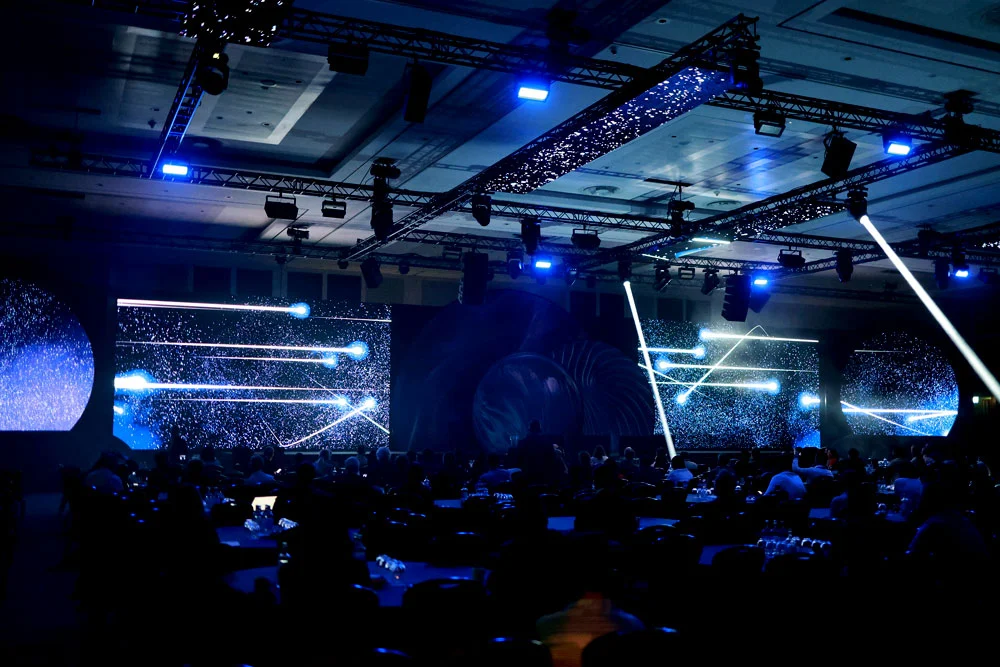
The global procurement landscape is undergoing a tectonic shift. Once viewed as a back-office function focused primarily on cost-cutting and transactional efficiency, procurement has emerged as the strategic nerve center of the modern enterprise. This transformation was on full display in London last week, as the World Procurement Congress—alongside the World Procurement Awards and dedicated AI and Resilience Forums—brought together the world’s most influential supply chain architects, CPOs, and industry visionaries.
Over three days of intense discourse, the message was unequivocal: the era of reactive procurement is over. In its place, a new breed of leadership is rising, characterized by purposeful action, technological fluency, and an unwavering commitment to driving sustainable value.
The Strategic Imperative: Main Facts and Key Takeaways
The World Procurement Congress serves as more than just an industry gathering; it acts as a barometer for the health and direction of global supply chains. This year’s event was defined by a departure from survival-mode thinking. Instead, the narrative centered on "proactive orchestration"—the ability for procurement leaders to act as the golden key that unlocks value across the entire supply ecosystem.
For the CPOs in attendance, the primary takeaway was that the function must "bring the outside in." By acting as a bridge between external innovation and internal business requirements, procurement is uniquely positioned to redefine corporate value. This isn’t merely about supply chain resilience; it is about leveraging the supply ecosystem to drive top-line growth, innovation, and long-term sustainability.
A Chronology of Innovation: The Congress Experience
The event was a masterclass in cross-pollination. The organizers curated an agenda that transcended traditional procurement silos, inviting voices from realms as diverse as astrophysics, Hollywood creative direction, and high-level geopolitics.
Day One: The Macro Landscape
The opening sessions focused on the volatile geopolitical climate. Former prime ministers and global economists framed the reality of modern supply chain management: we are living in an era of permanent volatility. The consensus was clear—the "batten down the hatches" approach is a fallacy. Instead, speakers argued that periods of deep uncertainty are exactly when leaders must double down on long-term investment.
Day Two: The AI and Resilience Forums
The second day was dominated by technical discourse. The AI and Resilience Forums delved into the practical application of machine learning and predictive analytics. Attendees explored how AI can be leveraged not just to automate the mundane, but to gain the granular, real-time insights required for rapid decision-making. The theme here was "human-centric technology": technology as the enabler, but human intuition and strategic intent as the drivers.
Day Three: Visionary Leadership and Awards
The final day culminated in the World Procurement Awards, which showcased excellence in execution. The sessions shifted toward the "Future Operating Model," with leaders from global giants sharing how they are dismantling legacy structures to make room for agility and innovation. The closing remarks served as a call to action: the function must be leaner, closer to the business, and focused as much on downstream impact as it is on upstream procurement.
Supporting Data: Reimagining the Operating Model
One of the most compelling case studies presented during the Congress came from British American Tobacco (BAT). Their recent operational restructuring serves as a blueprint for the modern procurement function.
BAT has implemented a radical "innovation-first" model: 20% of their procurement team is now dedicated exclusively to innovation, with zero traditional savings targets attached to their mandates. This data point is significant because it challenges the industry standard of tying every procurement action to immediate bottom-line cost reduction.
By separating "run-the-business" procurement from "transform-the-business" procurement, organizations are finding that they can:
- Increase speed-to-market: By removing tactical bottlenecks.
- Enhance internal relationships: By aligning procurement staff with business unit outcomes.
- Foster long-term resilience: By focusing on strategic partnerships rather than purely transactional relationships.
This shift represents a fundamental change in the function’s DNA. As procurement leaders move toward this model, the "future function" is becoming leaner, more agile, and significantly more influential in the boardroom.
Official Perspectives: The CPO’s Changing Role
The sentiment among the leadership cohort was one of "reassured energy." While the challenges of inflation, supply chain disruption, and geopolitical tension remain, there is a palpable sense of confidence in the function’s ability to navigate these waters.
"Real leaders are driving forward with purpose," one keynote speaker remarked during the closing ceremony. "They are getting approval for long-term investment plans and implementing strategies that create sustainable revenue growth and resilience by design."
This perspective is crucial. The CPOs who are winning are those who view their role as an investment engine. By "freeing capacity" through automation and AI, these leaders are releasing the capital—both financial and human—required to pivot toward more strategic endeavors. They are moving away from being the "policing" function of the company and toward being the "enabling" function.
Implications: The Path Forward (2025–2027)
What does this mean for the industry at large? The implications of the World Procurement Congress are profound, and they suggest a three-year trajectory of rapid transformation.
1. Technology as the Primary Enabler
AI is no longer a buzzword; it is a necessity. However, the Congress made it clear that technology is only as good as the strategy behind it. The winners in the coming years will be those who keep their eyes on the "real business goal." AI should be used to gain faster, deeper insights, but it must be tempered with the unique perspective and innovation that only human intelligence can provide.
2. The Shift Toward Sustainability and Growth
Procurement is now a key lever for ESG (Environmental, Social, and Governance) targets. The "supply ecosystem" is the largest touchpoint for any major company, and as such, it is where the most significant impact on sustainability can be made. Leaders are no longer just looking at the price of goods; they are looking at the footprint, the ethics, and the resilience of their suppliers.
3. A Call for Boldness
Perhaps the most striking theme of the event was the call for "thinking big." The era of playing it safe is over. In a world of volatility, inaction is the greatest risk. The most successful organizations in the next three years will be those that implement strategies designed for long-term endurance, even when the immediate environment feels unstable.
Conclusion: A New Standard for Excellence
The World Procurement Congress of 2024 has set a new high-water mark for the profession. It was a week defined by the realization that procurement is the central nervous system of global business.
For those who were unable to attend, the message is clear: the function is evolving at a breakneck pace. Whether through the adoption of AI, the redesign of operating models, or the aggressive pursuit of strategic innovation, the path forward is marked by intentionality. As we look toward the next Congress in 2027, the challenge for every procurement leader is to ask themselves: "Am I just managing the supply chain, or am I orchestrating the future of the enterprise?"
The answer, as demonstrated in London, lies in the ability to marry bold ambition with surgical execution. Procurement has the golden key; now is the time to unlock the door.
For those seeking to stay at the cutting edge of these developments, the Procurement Leaders community continues to provide the essential intelligence required to navigate this changing landscape. Sign up for the "CPO Crunch" newsletter to receive weekly insights and analysis on the trends shaping our global economy.

 Sagoh
Sagoh
 Ali Ikhwan
 Raul Delapena Setiawan
 Reynand Wu

 Azzam Bilal Chamdy