
 Asep Darmawan
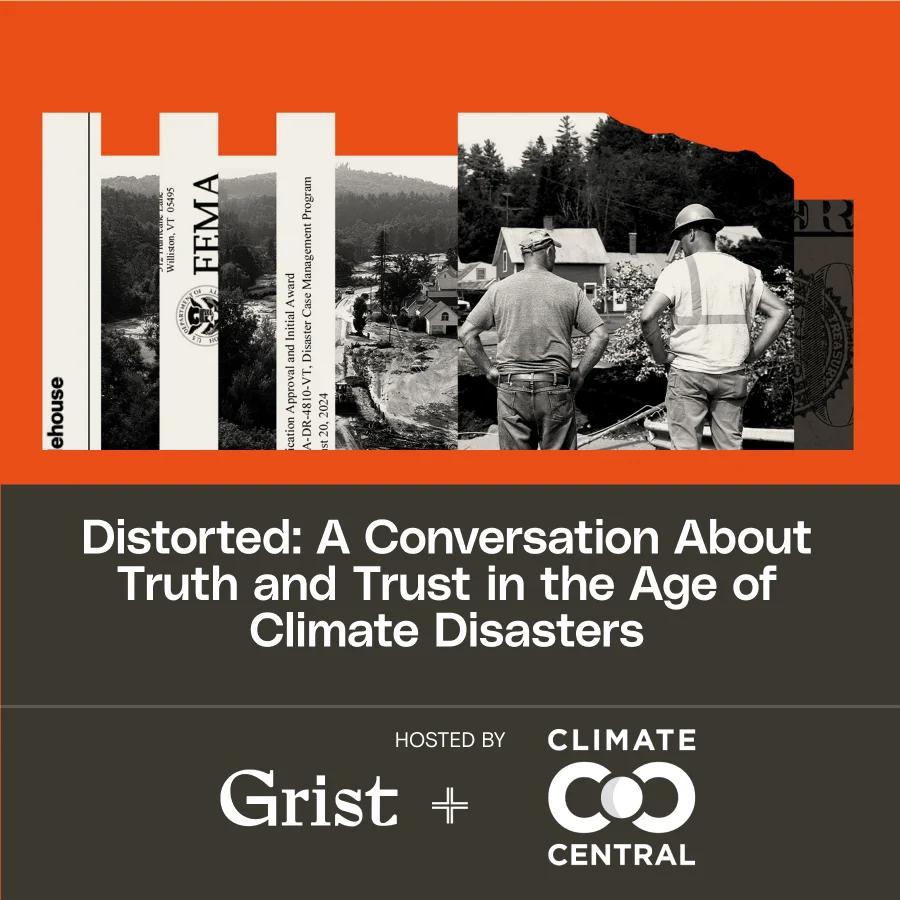
As the frequency and intensity of extreme weather events escalate globally, a secondary, often invisible, disaster is unfolding alongside them: an information crisis. When hurricanes strike, wildfires rage, or record-breaking heatwaves descend, the disruption of communication infrastructure creates a vacuum quickly filled by speculation, fear, and deliberate disinformation.
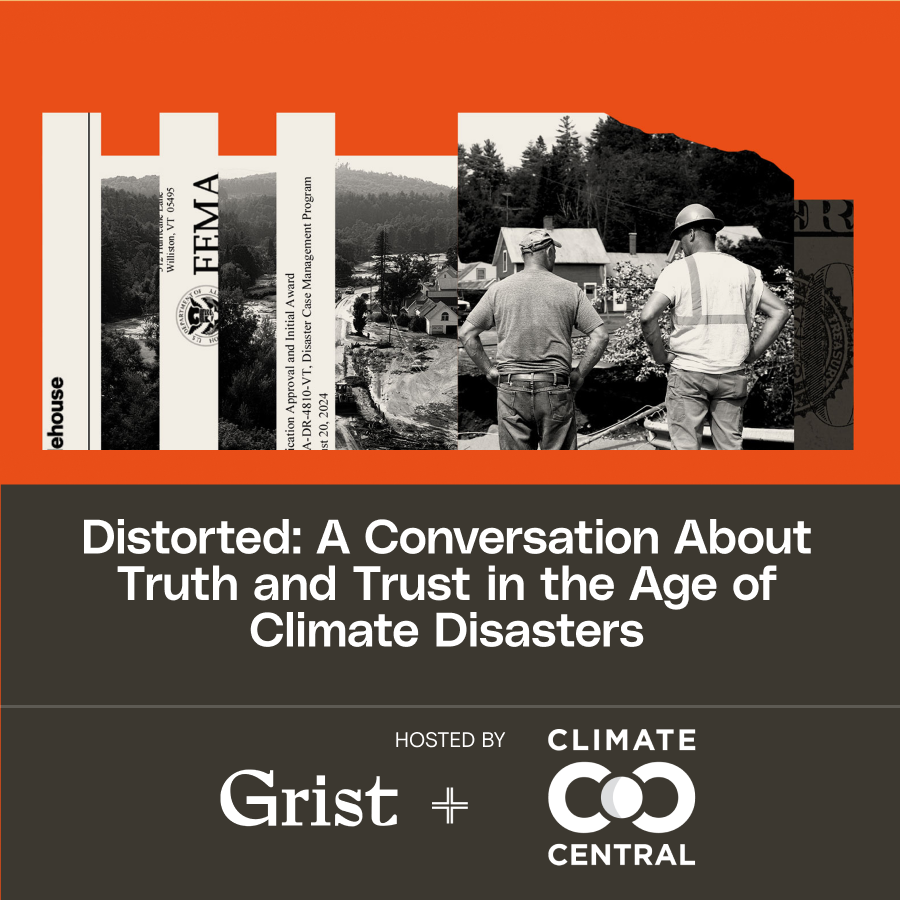
In response to this growing threat to public safety, Grist and Climate Central have announced a collaborative virtual event, "Navigating the Storm," aimed at equipping the public, journalists, and climate communicators with the tools necessary to maintain factual integrity during crises.
Main Facts: The Intersection of Climate and Chaos
The premise of the upcoming webinar, scheduled for October 28, is rooted in a sobering reality: misinformation thrives in the chaos of a disaster. When power grids fail and cellular networks drop, the loss of reliable information sources leaves communities vulnerable.
"Extreme weather events provide unique opportunities for misinformation to spread widely," organizers noted in their event briefing. "Rumors swirl on social media, telecom lines go down, and people’s worst fears and angers come to the surface."
The event aims to bridge the gap between scientific consensus and public perception. By bringing together meteorologists, seasoned journalists, and social researchers, the organizers hope to provide a framework for communicating accurately before, during, and after extreme weather events. Attendees will gain actionable insights on how to handle sensitive conversations—whether in public forums, private circles, or digital spaces—that are increasingly polarized by climate change skepticism and disaster-related anxiety.
Chronology: The Evolution of Disaster Misinformation
The history of misinformation during natural disasters is as old as the news cycle itself, but the digital age has fundamentally altered its velocity and impact.
Pre-Digital Era: The Rumor Mill
Before the advent of social media, misinformation in disasters was typically localized, spread via word-of-mouth or inaccurate radio reports. While dangerous, these rumors had a limited geographic reach and a "cooling off" period where authorities could eventually correct the narrative.
The Rise of Social Media (2005–2015)
With the rise of platforms like Facebook and Twitter, the speed of information increased, but so did the speed of rumors. During events like Hurricane Katrina, the inability to verify information in real-time led to significant confusion regarding government response and safety protocols.
The Algorithmic Era (2016–Present)
We have now entered an era where misinformation is not merely a byproduct of chaos but a tool of political and social manipulation. During recent extreme weather events, we have seen:
- Deepfakes and AI-generated imagery: Falsified photos of flood damage or fire destruction used to incite panic or discredit government aid.
- Bot-driven narratives: Coordinated campaigns designed to downplay the severity of climate change while simultaneously spreading conspiracy theories about "engineered" storms.
- Echo-chamber reinforcement: Algorithms that push users toward disaster-related content that confirms their existing biases, making it nearly impossible to penetrate misinformation bubbles with factual, scientific data.
Supporting Data: Why Truth is Under Siege
The challenge of communication during weather crises is compounded by the rapid decline of local journalism and the rise of "infodemic" dynamics. Research suggests that during a crisis, the human brain is hard-wired to prioritize emotional, alarming information over dry, factual updates.
The "Fear-Response" Gap
Psychological studies indicate that when individuals are under stress—such as when their home is threatened by a wildfire—their cognitive ability to critically evaluate the source of a social media post diminishes. A 2023 study on disaster communications found that false information shared during climate events was 70% more likely to be reshared than verified information from official meteorological services.
The Erosion of Trust
According to recent surveys by Climate Central, public trust in government weather agencies remains relatively high compared to other institutions. However, this trust is increasingly being undermined by political rhetoric. When public officials label climate science as "hoax-driven," it creates a baseline of skepticism that makes emergency warnings less effective.
Official Responses and the Need for Media Literacy
The upcoming Grist and Climate Central event serves as a proactive measure against this erosion of trust. Experts in the field argue that the solution is not just better technology, but better "human infrastructure."
The Role of Meteorologists
Meteorologists are the "frontline of trust" in climate science. By shifting their focus from purely technical data to contextualizing extreme events within the broader scope of climate change, they can provide the public with a clearer understanding of why these storms are becoming more frequent.
Journalism’s Responsibility
Journalists are tasked with the difficult job of reporting on disasters without amplifying misinformation. This involves:
- Rapid Response Fact-Checking: Establishing dedicated desks to debunk viral rumors during active emergencies.
- Visual Literacy: Training staff to spot AI-manipulated images and ensuring only verified footage is broadcast.
- Language Precision: Avoiding the "both-sidesing" of climate science, which can lend undue credibility to inaccurate claims.
Implications: Building Climate Resilience through Truth
The long-term implications of failing to address misinformation are grave. If communities cannot agree on the basic facts of a disaster, the capacity for collective action—such as evacuation planning, resource allocation, and long-term adaptation strategies—collapses.
The "Truth-Gap" and Policy
When misinformation regarding disaster response spreads, it can lead to the politicization of relief efforts. For example, if a community believes false reports that aid is being distributed unfairly based on political affiliation, it can lead to social unrest, further complicating the work of emergency responders and aid workers.
Strengthening Community Networks
The most resilient communities are those that maintain strong, verified, and redundant communication networks. This includes:
- Community-Led Alerts: Utilizing trusted local leaders to disseminate official information, which is often more effective than relying solely on national news.
- Digital Literacy Training: Preparing the public to recognize the red flags of misinformation before a disaster occurs.
Conclusion: Join the Conversation
The virtual event on October 28 is an invitation to engage with the front lines of this intellectual battle. By participating, attendees will not only learn to spot misinformation but will also gain the skills to become "information first-responders" in their own networks.
As extreme weather events become the new normal, our ability to communicate effectively may prove as vital as our ability to build sea walls or fire-resistant homes. Ensuring the flow of accurate, science-based information is the first step toward a more resilient future.
Event Details:
- Topic: Navigating the Storm: Communicating Through Extreme Weather
- Date: October 28, 2026
- Time: 1:00 p.m. ET
- Platform: Virtual (Registration required)
For those unable to attend, the session will be archived, and resources will be provided to help participants refine their strategies for public and private communication. In a world of increasing climate volatility, the truth is not just a standard to uphold—it is a life-saving tool.
For further reading on related climate topics, see: "Michigan’s Energy Future: Affordability and Climate Resilience," an upcoming discussion on the intersection of infrastructure and economic stability.


 Ammar Sabilarrohman
 Neng Nana


 Asro

 Layla Zulfa

 Nila Kartika Wati

 Muslim
