
 Raul Delapena Setiawan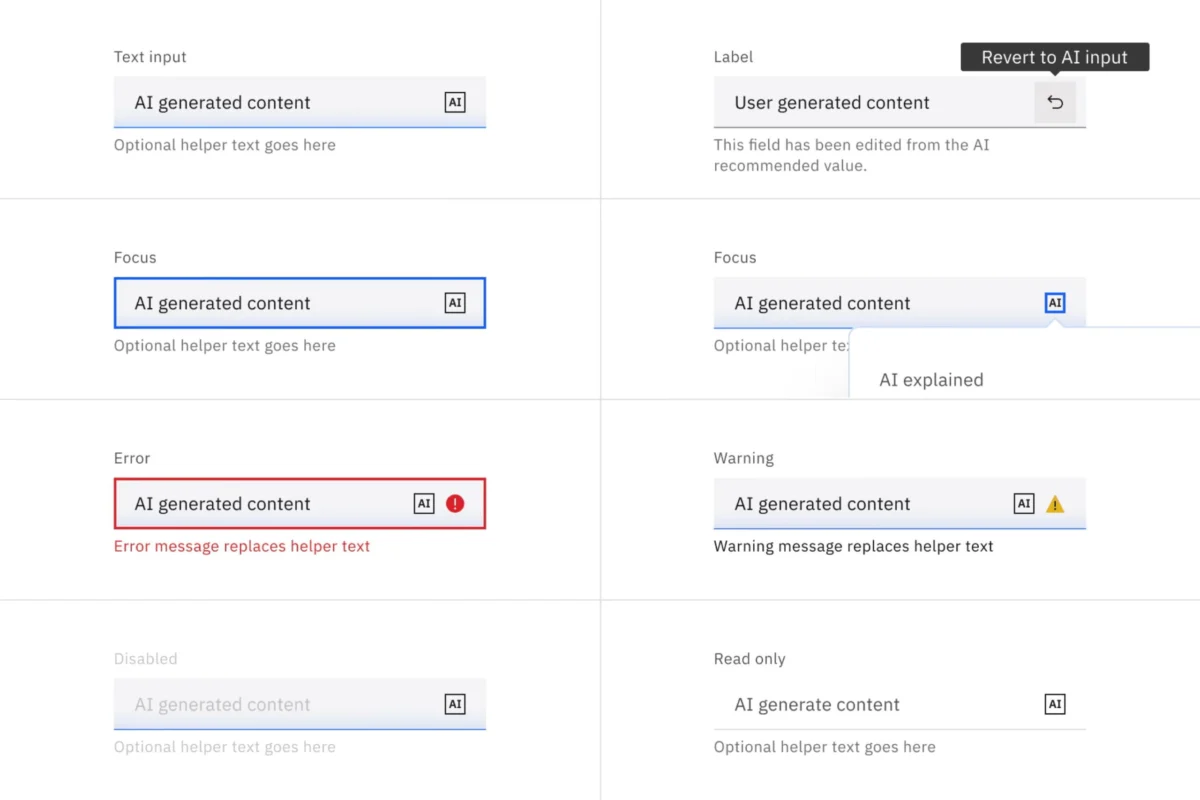
The digital landscape is currently undergoing a seismic shift in regulatory oversight. With the formal activation of the European Union’s AI Act’s transparency obligations on August 2, 2026, the technology industry has found itself in the throes of a compliance transition. For months, headlines have been saturated with discussions of “drastic measures,” “crippling fines,” and “sweeping new rules.” However, beneath the sensationalism lies a pragmatic and highly targeted framework designed to restore trust in digital content.
The mandate is simple yet profound: if an AI system generates content that could be mistaken for human-created work, the consumer has a legal right to know. This isn’t about stifling innovation; it is about establishing a baseline for digital literacy in an age where the boundary between the synthetic and the authentic has effectively dissolved.
The Chronology of Compliance: Why Now?
The path to the August 2026 enforcement date was paved by years of deliberation, debate, and drafting. As generative AI models—capable of producing hyper-realistic imagery, audio, and prose—proliferated, policymakers in Brussels identified a critical gap in consumer protection.
- 2023–2024: Initial proposals for the EU AI Act began to take shape, focusing on risk-based classification of AI systems.
- Early 2025: Draft guidelines regarding transparency, specifically Article 50, were socialized with industry stakeholders to address concerns over implementation costs and technical feasibility.
- August 2, 2026: The mandatory enforcement date for transparency obligations took effect. This deadline applies to all companies serving EU citizens, regardless of whether the firm is headquartered in Paris, Tokyo, or Silicon Valley.
Similar to the General Data Protection Regulation (GDPR) and the European Accessibility Act (EAA), the geographic location of the provider is irrelevant. If your AI-generated output touches an EU user, you are subject to these transparency requirements.

Core Mandates: What Must Be Labeled?
The core of the regulation lies in Article 50(4) of the EU AI Act. The primary objective is to ensure that users are never misled by synthetic media. Whether you are a provider (the developer of the AI system) or a deployer (the organization using the tool to generate content), the obligation rests with you.
Legal experts have clarified that simply licensing an AI tool from a third-party vendor does not shield an organization from liability. If a company publishes an AI-generated image or article, they are responsible for the disclosure. However, not every interaction with AI requires a flag. The law focuses on three primary categories:

- AI-Generated Imagery: Any image that depicts a person, place, or object in a way that is intended to look "real" must be disclosed.
- Synthetic Audio and Video: Deepfakes or voice-cloned content that could reasonably deceive a person into believing it is an authentic recording of a human require clear labeling.
- Content Touching Public Interest: Any AI-generated text or media that makes claims regarding health, safety, politics, the environment, or the economy must be explicitly marked as AI-generated.
The Fine Line: Where “Assistance” Ends and “Generation” Begins
A significant portion of the recent confusion stems from the definition of “AI-generated.” In a world where spellcheckers and grammar tools have used machine learning for years, where do we draw the line?
The European Commission has provided guidance that distinguishes between assistive edits and generative creation.

- Non-Regulated Edits: Minor modifications such as automated spellchecking, grammar correction, formatting, color correction, and standard translation services are considered assistive. They do not trigger a disclosure requirement.
- Regulated Generation: Substantive rewrites, the generation of original paragraphs, the creation of composite imagery, or the addition/subtraction of elements from a photo fall squarely under the label mandate.
A common point of contention is the "human-in-the-loop" defense. Organizations have asked: “If a human skims the content before publishing, does it count as human-edited?” The answer from the Commission is a firm "no." Editorial control must be substantive. A named person or entity must take explicit responsibility for the content. If the content was generated primarily by an algorithm, the "human touch" of a quick read-through does not absolve the publisher of their duty to inform the audience.
The Death of the "Sparkle" Icon: Why Ambiguity is No Longer Acceptable
For the past two years, the "sparkle" icon (✨) has become the de facto symbol for AI features in software. However, the European Commission has signaled that this is no longer sufficient. Research, including studies from the Nielsen Norman Group, indicates that the sparkle is too ambiguous. Users often interpret it as "magic" or "enhanced" rather than "this content was generated by an artificial process."

The EU has released an official icon set, but even these icons are not "get out of jail free" cards. The regulation requires the labeling to be "clear and distinguishable." A tiny icon buried in a footer or a badge that fades away after two seconds is legally non-compliant.
Best Practices for UX/UI Teams:

- Plain Text Labels: Always pair an icon with explicit text, such as "AI-Generated."
- Persistence: The label must persist even if the content is downloaded or reshared on social media platforms.
- Accessibility: The label must be legible to screen readers, ensuring that visually impaired users are also aware of the content’s origin.
- Explainability Panels: For complex dashboards or reports, consider including a disclosure that explains how the AI contributed to the content.
Global Implications: A Pattern, Not a Coincidence
While the EU is currently leading the charge with the most comprehensive framework, this is not an isolated phenomenon. Similar transparency regulations are emerging globally:
- United States: Several states have already passed laws requiring disclosures for synthetic human performers and political advertising. While a unified federal law is still under debate, the regulatory trajectory is clear.
- International Markets: Japan, South Korea, and parts of the UK are currently evaluating their own transparency requirements, often mirroring the EU’s emphasis on consumer protection.
For product teams, this means that "AI-Labeling" is no longer a peripheral task for the legal department. It must be integrated into the product design phase. If you are shipping an AI feature, your UI/UX designers should be defining the labeling strategy as part of the core user journey.

Official Responses and Industry Outlook
The industry reaction has been mixed. Some startups have voiced concerns that the cost of compliance could disproportionately burden smaller firms. However, larger enterprises have largely welcomed the clarity. By establishing a standard, the EU is reducing the "legal gray zone" that has made many companies hesitant to deploy AI in customer-facing roles.
According to the European Commission, the goal is not to punish the use of AI, but to protect the integrity of the information ecosystem. In an era where disinformation is a significant threat, the ability to distinguish between human expression and synthetic generation is a vital component of a healthy, functioning democracy.

Conclusion: Embracing Transparency as a Competitive Advantage
Panic over these new rules is largely misplaced. The requirements are not designed to hinder progress; they are designed to bring maturity to the AI market. Organizations that proactively adopt clear, honest, and accessible labeling will likely find that they gain more user trust than those who attempt to hide their use of synthetic tools.
As the industry moves forward, the focus must shift from "how to hide the AI" to "how to communicate the value of the AI." Whether you are building an automated customer support tool or a creative generation engine, transparency is now a mandatory feature of your user experience.

For those looking to deepen their understanding of these design patterns, resources like Design Patterns For AI Interfaces provide invaluable, practical guidance on how to implement these requirements without sacrificing user experience. The era of "AI slop" is coming to a close, and a more transparent, user-centric future is taking its place. By treating these regulations as a blueprint for better design, companies can turn compliance into a hallmark of quality and integrity.


 Sagoh
Sagoh
 Asep Darmawan

 Reynand Wu


 Azzam Bilal Chamdy
 Ali Ikhwan