
 Iffa Jayyana
In an era where flagship smartphones frequently eclipse the $1,000 mark, the allure of the "budget" Android device has never been stronger. For many consumers, the objective is simple: secure a functional, reliable communication tool without draining their savings. However, the market is flooded with ultra-cheap devices that, while attractively priced, often become electronic paperweights within months due to sluggish performance and hardware limitations.
The central question remains: What good is a phone that cannot keep up with the rhythm of your daily life? Finding the sweet spot—typically around the $300 price point—requires a discerning eye. While you may be willing to sacrifice a titanium frame or a sophisticated telephoto lens, there are certain hardware benchmarks that constitute "non-negotiable" territory. Ignoring these will almost certainly result in buyer’s remorse.
The Evolution of the Budget Tier: A Brief Chronology
To understand why certain specifications have become non-negotiable, one must look at the progression of the Android ecosystem.
- The Early Days (2010–2015): Budget phones were synonymous with "unusable." They featured resistive touchscreens, minimal internal storage (often 4GB or 8GB), and processors that struggled to run basic operating system animations. Users viewed these phones as disposable commodities.
- The Mid-Range Revolution (2016–2020): Brands like Motorola and the introduction of the Google Pixel "a-series" changed the narrative. Manufacturers began to realize that budget-conscious consumers were not just looking for a phone to call with; they wanted a multimedia experience. Features like fingerprint scanners and high-definition displays started trickling down from premium tiers.
- The Modern Standard (2021–Present): Today, the floor for what constitutes a "decent" phone has been raised significantly. With the integration of AI-heavy software, high-resolution social media feeds, and the sheer bloat of modern applications, the hardware requirements have shifted. A phone today isn’t just a phone; it is a pocket computer that acts as a banking terminal, camera, media hub, and navigation system.
Screen and RAM: The Pillars of Daily Performance
When evaluating a device, the user interface—the screen—and the device’s short-term memory—the RAM—are the two most critical factors determining user satisfaction.
The Display Requirement
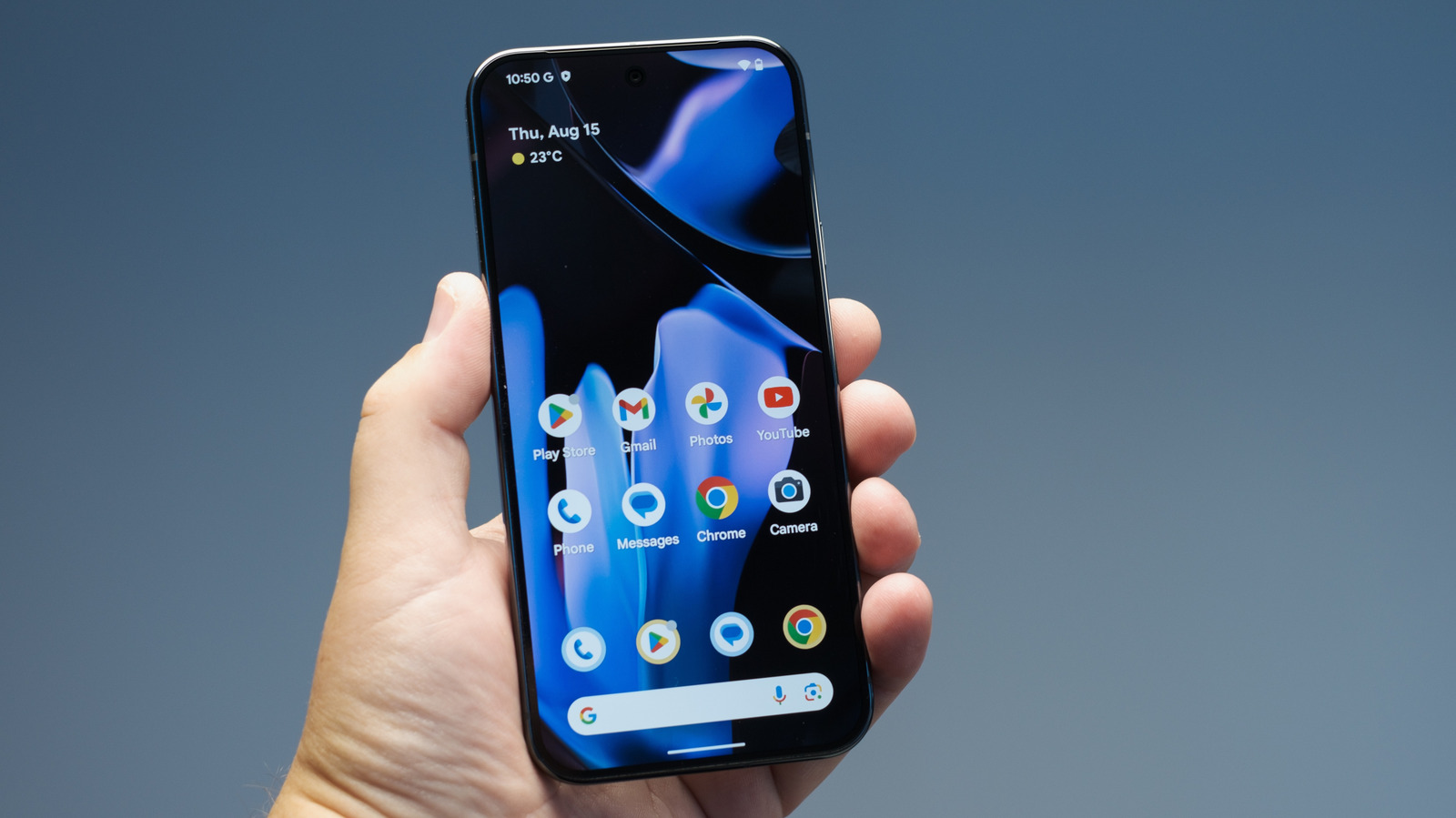
Gone are the days when a 4.5-inch screen was the industry gold standard. Today, we consume vast amounts of video content, navigate complex interfaces, and multitask heavily. A screen smaller than 5.6 inches feels cramped and outdated. For the modern user, 6.1 inches is the "sweet spot" for ergonomics and visibility.
However, size isn’t everything. The panel technology is equally vital. Avoid low-resolution LCD screens at all costs. You should be looking for an AMOLED panel. AMOLED technology offers deeper blacks, higher contrast ratios, and better power efficiency. Furthermore, ensure the display offers at least 1,000 nits of peak brightness. Without this, your screen will become illegible under direct sunlight, rendering the phone nearly useless for outdoor use.
The RAM Ceiling
If the processor is the engine of your phone, RAM is the size of the road it travels on. Android is a multitasking-heavy operating system. If you purchase a device with less than 6GB of RAM, you are setting yourself up for stuttering, app crashes, and constant reloading of background applications.
While 6GB is the absolute minimum, 8GB is highly recommended for longevity. If you intend to play games or use heavy editing software, do not settle for less than 8GB. Furthermore, storage management is critical. 128GB is the bare minimum for internal storage. Given that modern apps and high-definition photography consume space rapidly, 256GB is the "peace-of-mind" standard. If a device lacks expandable storage (via microSD), prioritize the 256GB model to avoid the dreaded "storage full" notification that plagues budget users.
The Battery and Camera: The "Life and Memory" Metrics
A phone is only as good as its ability to stay powered and capture the moments that define our days.
Battery Longevity
The "all-day battery" promise is often marketing hyperbole, but in the budget space, it is a technical reality. A battery capacity of at least 4,500mAh is necessary to ensure the device lasts through a full day of moderate use. However, 5,000mAh is the current industry benchmark for budget powerhouses.
When evaluating battery health, consider the software’s optimization. Some budget manufacturers provide massive batteries that are then drained by poorly optimized background processes. Look for reviews that specifically mention "screen-on time" rather than just total hours.
The Camera Quality Myth
Megapixels are a vanity metric. A 108MP camera with a tiny sensor will consistently underperform against a 12MP sensor with a large, high-quality lens. For social media sharing and basic documentation, seek a rear camera with at least a 32MP sensor, but prioritize sensor size and aperture width. A larger sensor allows more light into the lens, which is the secret to clear, low-noise photos in dimly lit environments.
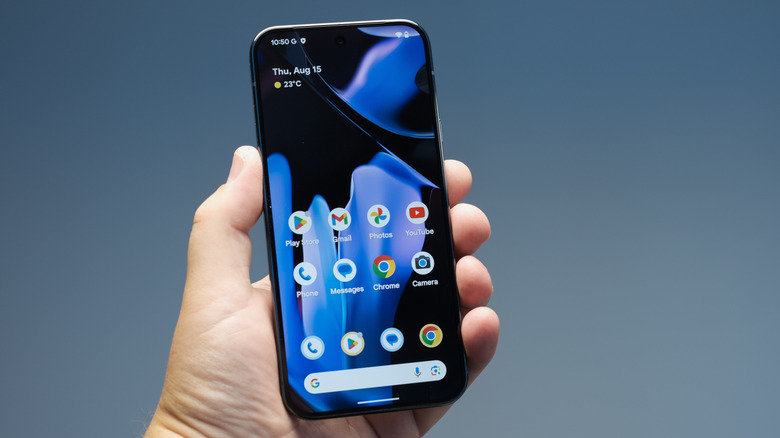
For the front-facing camera, a 12MP sensor is the threshold for decent video calls and selfies. Anything less will result in grainy, "washed-out" images that look poor on high-resolution displays.
Supporting Data: Why "Newer" Doesn’t Always Mean "Better"
It is a common mistake to assume that a brand-new, ultra-cheap phone is superior to a slightly older mid-range device. The market is saturated with "budget" phones that run on outdated chipset architectures.
When researching, consult benchmarking sites (such as Geekbench or Antutu) to compare the processor inside your potential purchase against established benchmarks. If a processor is more than three years old, it will struggle with modern software updates, specifically those that include AI-driven features.
Software Support Cycles
One of the most overlooked aspects of buying a cheap phone is the software support cycle. Many entry-level devices are sold with no promise of future Android OS upgrades. This is a security risk. Before purchasing, verify that the manufacturer guarantees at least two to three years of security patches. A phone that is secure and runs an older version of Android is significantly more valuable than a phone that is insecure and cannot be updated.
Industry Perspectives: The Case for Refurbished Models
Retail experts and technology analysts often suggest that the best "cheap" phone is actually a used "premium" phone.
"The depreciation curve for smartphones is incredibly steep," says tech analyst Marcus Thorne. "Consumers often find that a two-year-old flagship, such as a Google Pixel or a Samsung Galaxy S-series, can be purchased for the same price as a brand-new, entry-level budget device. The older flagship will have a better processor, a superior screen, and a significantly more capable camera system than the brand-new budget alternative."
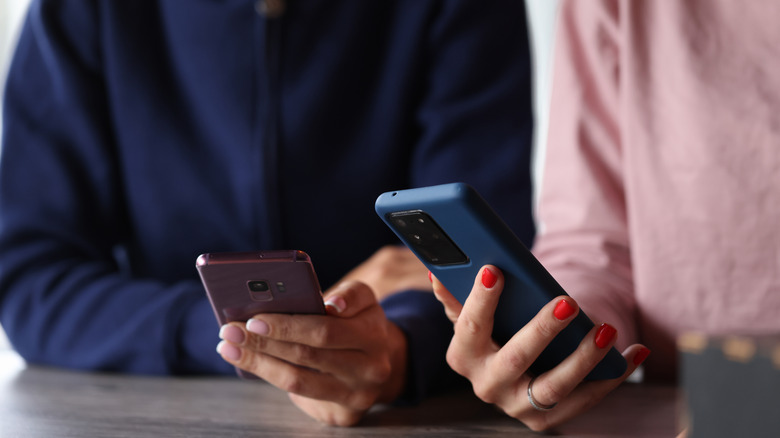
This strategy aligns with the "non-negotiable" requirements mentioned previously. A renewed Google Pixel 8a or a Samsung Galaxy A-series device often sits right at the $300 mark. These devices are purpose-built to meet the standards of a modern, demanding user.
Implications: The Long-Term Cost of Cheap
The implications of purchasing a phone that falls below these non-negotiable standards are twofold: financial and psychological.
- The Financial Trap: Purchasing a $150 phone that becomes unusable in 12 months is less economical than purchasing a $300 phone that remains functional for three years. The "cost per day" of a truly cheap device is often higher than that of a mid-range device because of the frequency with which it must be replaced.
- The Digital Frustration: A slow, laggy phone creates a friction point in the user’s life. Whether it is failing to load a map in an emergency or struggling to snap a photo of a fleeting moment, a subpar device actively degrades the user experience.
Final Recommendations
Before finalizing a purchase, ensure you have ticked these boxes:
- RAM: 6GB minimum, 8GB preferred.
- Storage: 128GB minimum, 256GB preferred.
- Screen: AMOLED, at least 1,000 nits brightness, 6.1-inch minimum.
- Battery: 4,500mAh to 5,000mAh.
- Connectivity: Ensure the presence of NFC (for contactless payments) and Bluetooth 5.0 or higher.
The budget market is no longer a wasteland of low-quality devices, but it remains a minefield for the uninformed. By adhering to these technical requirements, consumers can navigate the noise and secure a device that serves as a reliable partner in their digital life, rather than a source of constant frustration. Do not settle for less—your daily digital life depends on it.


 Neng Nana
 Nana Muazin
 Basiran
 Jia Lissa
 Laily UPN
 Asep Darmawan