Trending News:Beyond the Cone: Why Updated Hurricane Graphics Are Failing to Change Public BehaviorThe Sentinel of Silicon: Inside the UK’s £300 Million Bid to Defend Against Biological Threats with AIFrom Autonomous Vehicles to AI Sovereignty: How Tech Giants are Rewriting the Rules of InfrastructureIkea Scales Up Circular Ambitions: Second-Hand Marketplace Enters Three New MarketsFrom Countertop Scraps to a $173 Million Exit: The Relentless Rise of TrubarBeyond the Transaction: How to Transform Your Email List Into a Thriving CommunityTarget’s Strategic Pivot: How AI and "Luxe for Less" Are Defining the 2024 Holiday SeasonThe Evolution of Frugality: Mr. Money Mustache’s $30,000 "Abundance" ExperimentEnhancing the Backyard Experience: Hansö Expands Its Flagship ‘Apex’ Pergola Line to Meet Evolving Homeowner NeedsThe Architecture of Intent: Why "Manifesting" Money Is More Than Just Wishful ThinkingGlobal Justice Reached: Nigerian National Sentenced to Eight Years for Multi-Million Dollar Cyber-Fraud CampaignBeyond the Alphabet: How Zig Engelmann’s Radical Pedagogy Challenged the Educational EstablishmentCritical Memory-Corruption Flaw in Google’s Brotli Decoder: A Deep Dive into CVE-2026-111497Roadrunner Expands North American Footprint with New Canada-to-U.S. LTL Service and General Rate IncreaseThe AI Reckoning: Why Procurement Leaders Must Choose Innovation Over ParalysisThe End-to-End Myth: Why Supply Chain Management Remains a House of SilosMastering the Art of the Career Narrative: A Guide to Adobe InDesign Resume TemplatesBeyond the Wireframe: Building a Defensible ROI Case for UX DesignThe Repairability Revolution: Are Sennheiser’s Momentum True Wireless 5 the Death Knell for Disposable Audio?Beyond the Grid: How Gregory & Thomas Redefined the Architectural Web Experience for Telha ClarkeThe Post-Tool Paradigm: Why AI is Demanding a Fundamental Shift in Software DesignThe Art of Adorability: A Comprehensive Guide to Kawaii Typography in Modern DesignBeyond the Memory Wall: How to Master Large-Scale JSON Processing in PythonThe Geometry of Light: Scientists Unlock a Hidden Ability to Control Optical "Handedness"The Sovereign Shift: European Public Sector Embraces Matrix for Secure, Interoperable CommunicationsThe PKI Reckoning: eMudhra’s Market Exit Exposes Hidden Risks in Global Trust InfrastructureBeyond the Code: How Formal Verification is Shaping the Future of Software EngineeringBeyond the Star: How GitHub Reimagined Repository Metrics for Scale and SecurityDecoding the Latency Tax: A Deep Dive into Token-Level Filtering PerformanceClosing the Gap: Why Coding Agents Need Real-World Browser VerificationBridging the Future: Insights and Innovations from JetBrains GameDev Day 2026A Botanical Tribute to a Legend: Salvia messii Discovered in the Peruvian AndesOpinions expressed by Entrepreneur contributors are their own.Beyond the Geography of Discontent: Rethinking Regional Development in an Era of InequalityBarclays Announces 5,000 Job Cuts Amid Strategic Shift Toward Artificial Intelligence and Operational EfficiencyThe Future of Narrative: Google Vids Integrates Gemini Omni and Personal Avatars to Revolutionize Content CreationThe Weekly Pulse: Navigating Server Downtime, AI Crawler Protocols, and URL ArchitectureThe Return of the Voice of a Generation: What We Need from the ‘Girls’ RevivalEvening News Ratings Report: NBC Nightly News Shows Momentum as ABC and CBS Navigate Volatile LandscapeThe Microseries Dilemma: Brands Grapple with the High-Stakes World of Vertical StorytellingThe New Era of Search: Why Digital PR is Your Most Critical Asset for AI VisibilityOmnicom’s Strategic Pivot: Analyzing the Financial Architecture of a Media Giant in 2026Decoding the Instagram Algorithm: A Comprehensive Guide for Creators and BrandsThe Pulse of the Digital Age: Mastering Social Listening for Strategic GrowthThe Great Reshuffle: Analyzing the Seismic Shift in Corporate Sustainability LeadershipBeyond the Feed: How Three Global Brands Redefined Content InnovationThe Silent Mandate: Why Black Voters Are Reframing the Climate ConversationThe Sound of Intelligence: Block’s "Dessa" Signals a Paradigm Shift in Conversational AIThe Congo Basin at a Crossroads: The High Cost of the DRC’s Massive Oil ExpansionThe Martian Enigma: How Arsia Mons Defies Atmospheric PhysicsThe 2030 Biodiversity Crisis: A Global Reckoning at COP17Master Your Notifications: A Deep Dive Into Apple Watch’s Theater ModeGeological Paradox: Deep-Earth Rock Challenges Subduction ModelsThe Mt. Silver Challenge: How ‘Daily Red’ is Redefining the Pokémon MetaThe Great Correction: How New Import Rules are Reshaping the German E-commerce LandscapeThe Search for Clarity: How to Reclaim the Original Google ExperienceStop Guessing: Why Zero-Party Data is the New Gold Standard for Email MarketingThe Rise of ‘Adultoween’: How Halloween Transformed Into a Multi-Billion-Dollar Retail PowerhouseThe Great AI Rally: Navigating the Paradox of Prosperity in an Overheated MarketWalmart Empowers Consumers as Artificial Intelligence Takes the Wheel in RetailThe Hidden Tax of Financial Stewardship: Lessons from a Family Weekend in Las VegasThe Betrayal of Valor: Inside the Multi-Million Dollar Fraud Targeting America’s MilitaryFrom Warehouses to Workshops: How One Administrator Transformed Texas’s Disciplinary SystemGlobal Shipping Markets Under Pressure: Container Rates Climb Amidst Capacity Volatility and Shifting DemandBeyond the Bottom Line: Why Revenue Generation is the New Frontier for Procurement LeadershipSecurity Alert: The PHP2Shell Vulnerability Landscape and the Threat of "Potassium" MalwareThe Architecture of Illusion: Unmasking the Myth of End-to-End Supply Chain PlanningGlobeCross Consolidates Operations: Lufthansa Cargo’s New Frankfurt Headquarters Marks a Strategic PivotThe Resurgence of Elegance: A Curated Guide to Free Art Deco FontsThe Responsive Revolution: Why We Must Stop Treating Container Queries Like Media QueriesFrom Dormant Heritage to Digital Icon: The Resurgence of La RevoltosaThe Death of the "Dead" Design System: How AI Agents Are Transforming Digital InfrastructureThe Art of Micro-Typography: Master the Science of Small Text ReadabilityThe Rise of the Autonomous Developer: 5 Free AI Coding Agents You Should Try in 2026The Great Transparency Pivot: How Public Backlash is Reshaping the Hyperscale Data Center IndustryThe Ghost in the Lattice: Oxford Researchers Use Quantum Simulation to Observe "Invisible" Magnetic ForcesThe Future of AI Infrastructure: Google’s Agent Compute Engine and the Quest for Efficient PersistenceFrom Prototype to Production: The Maturity Model for Industrial-Grade AI AgentsFrom Scratch to Scikit: A Deep Dive into the Mechanics of Machine LearningEngineering Resilience: GitHub’s Progress Report on Infrastructure, Scalability, and Recent Service DisruptionsBeyond the Loop: Engineering Robust AI Agent Harnesses from ScratchUnmasking Deceit: The Subtle Power of Words to Reveal the TruthNavigating Uncertainty: The Act, Adjust, Absorb Framework for Entrepreneurial GrowthThe Accountability Gap: Why Sovereign Finance Needs a New Funding ArchitectureStrategic Realignment: GovTech Singapore Navigates Second Phase of Workforce TransformationThe "Poisoned" SERP Crisis: How SEO Tools Are Fighting Back Against Google’s Anti-Scraping TacticsIs Your Brand Invisible to AI? The Strategic Necessity of Prompt TrackingThe Post-Search Pivot: How The Verge is Redefining Audience Loyalty in an AI-Driven Media LandscapeThe Programmatic Toll Booth: Why Independent Agencies Are Trapped in a DSP Fee CycleThe 2026 Social Media Landscape: A Year of AI Integration, Strategic Pivots, and Community ShiftsThe Invisible Architecture: How Oil Built the Modern American HomeThe Vanishing Alps: Switzerland’s Glaciers Face Unprecedented CollapseThe Great Checkout War: Airbnb’s New Cleaning Policy Sparks Host Rebellion and Industry Soul-SearchingThe Silicon Scar: Finland’s Reckoning Over Google’s AI Infrastructure PushThe Post-Perspective Era: How Hindsight AI is Transforming Content Moderation with a $1M GuaranteeThe Great AI Content Standoff: Why the Licensing Boom is Fading and What Comes NextThe Borderless Marketplace: Europe’s E-commerce Landscape Reaches a Critical Inflection PointThe Resilience of Proximity: Why Local SEO Remains the Bedrock of Modern Digital MarketingThe Unsexy Billionaire: How David Royce Built a Pest Control Empire on the Foundations of Grit and "Blue-Collar" GeniusMastering Business Utilities: A Comprehensive Guide to Accounting, Taxation, and Operational Efficiency
Trending News:Beyond the Cone: Why Updated Hurricane Graphics Are Failing to Change Public BehaviorThe Sentinel of Silicon: Inside the UK’s £300 Million Bid to Defend Against Biological Threats with AIFrom Autonomous Vehicles to AI Sovereignty: How Tech Giants are Rewriting the Rules of InfrastructureIkea Scales Up Circular Ambitions: Second-Hand Marketplace Enters Three New MarketsFrom Countertop Scraps to a $173 Million Exit: The Relentless Rise of TrubarBeyond the Transaction: How to Transform Your Email List Into a Thriving CommunityTarget’s Strategic Pivot: How AI and "Luxe for Less" Are Defining the 2024 Holiday SeasonThe Evolution of Frugality: Mr. Money Mustache’s $30,000 "Abundance" ExperimentEnhancing the Backyard Experience: Hansö Expands Its Flagship ‘Apex’ Pergola Line to Meet Evolving Homeowner NeedsThe Architecture of Intent: Why "Manifesting" Money Is More Than Just Wishful ThinkingGlobal Justice Reached: Nigerian National Sentenced to Eight Years for Multi-Million Dollar Cyber-Fraud CampaignBeyond the Alphabet: How Zig Engelmann’s Radical Pedagogy Challenged the Educational EstablishmentCritical Memory-Corruption Flaw in Google’s Brotli Decoder: A Deep Dive into CVE-2026-111497Roadrunner Expands North American Footprint with New Canada-to-U.S. LTL Service and General Rate IncreaseThe AI Reckoning: Why Procurement Leaders Must Choose Innovation Over ParalysisThe End-to-End Myth: Why Supply Chain Management Remains a House of SilosMastering the Art of the Career Narrative: A Guide to Adobe InDesign Resume TemplatesBeyond the Wireframe: Building a Defensible ROI Case for UX DesignThe Repairability Revolution: Are Sennheiser’s Momentum True Wireless 5 the Death Knell for Disposable Audio?Beyond the Grid: How Gregory & Thomas Redefined the Architectural Web Experience for Telha ClarkeThe Post-Tool Paradigm: Why AI is Demanding a Fundamental Shift in Software DesignThe Art of Adorability: A Comprehensive Guide to Kawaii Typography in Modern DesignBeyond the Memory Wall: How to Master Large-Scale JSON Processing in PythonThe Geometry of Light: Scientists Unlock a Hidden Ability to Control Optical "Handedness"The Sovereign Shift: European Public Sector Embraces Matrix for Secure, Interoperable CommunicationsThe PKI Reckoning: eMudhra’s Market Exit Exposes Hidden Risks in Global Trust InfrastructureBeyond the Code: How Formal Verification is Shaping the Future of Software EngineeringBeyond the Star: How GitHub Reimagined Repository Metrics for Scale and SecurityDecoding the Latency Tax: A Deep Dive into Token-Level Filtering PerformanceClosing the Gap: Why Coding Agents Need Real-World Browser VerificationBridging the Future: Insights and Innovations from JetBrains GameDev Day 2026A Botanical Tribute to a Legend: Salvia messii Discovered in the Peruvian AndesOpinions expressed by Entrepreneur contributors are their own.Beyond the Geography of Discontent: Rethinking Regional Development in an Era of InequalityBarclays Announces 5,000 Job Cuts Amid Strategic Shift Toward Artificial Intelligence and Operational EfficiencyThe Future of Narrative: Google Vids Integrates Gemini Omni and Personal Avatars to Revolutionize Content CreationThe Weekly Pulse: Navigating Server Downtime, AI Crawler Protocols, and URL ArchitectureThe Return of the Voice of a Generation: What We Need from the ‘Girls’ RevivalEvening News Ratings Report: NBC Nightly News Shows Momentum as ABC and CBS Navigate Volatile LandscapeThe Microseries Dilemma: Brands Grapple with the High-Stakes World of Vertical StorytellingThe New Era of Search: Why Digital PR is Your Most Critical Asset for AI VisibilityOmnicom’s Strategic Pivot: Analyzing the Financial Architecture of a Media Giant in 2026Decoding the Instagram Algorithm: A Comprehensive Guide for Creators and BrandsThe Pulse of the Digital Age: Mastering Social Listening for Strategic GrowthThe Great Reshuffle: Analyzing the Seismic Shift in Corporate Sustainability LeadershipBeyond the Feed: How Three Global Brands Redefined Content InnovationThe Silent Mandate: Why Black Voters Are Reframing the Climate ConversationThe Sound of Intelligence: Block’s "Dessa" Signals a Paradigm Shift in Conversational AIThe Congo Basin at a Crossroads: The High Cost of the DRC’s Massive Oil ExpansionThe Martian Enigma: How Arsia Mons Defies Atmospheric PhysicsThe 2030 Biodiversity Crisis: A Global Reckoning at COP17Master Your Notifications: A Deep Dive Into Apple Watch’s Theater ModeGeological Paradox: Deep-Earth Rock Challenges Subduction ModelsThe Mt. Silver Challenge: How ‘Daily Red’ is Redefining the Pokémon MetaThe Great Correction: How New Import Rules are Reshaping the German E-commerce LandscapeThe Search for Clarity: How to Reclaim the Original Google ExperienceStop Guessing: Why Zero-Party Data is the New Gold Standard for Email MarketingThe Rise of ‘Adultoween’: How Halloween Transformed Into a Multi-Billion-Dollar Retail PowerhouseThe Great AI Rally: Navigating the Paradox of Prosperity in an Overheated MarketWalmart Empowers Consumers as Artificial Intelligence Takes the Wheel in RetailThe Hidden Tax of Financial Stewardship: Lessons from a Family Weekend in Las VegasThe Betrayal of Valor: Inside the Multi-Million Dollar Fraud Targeting America’s MilitaryFrom Warehouses to Workshops: How One Administrator Transformed Texas’s Disciplinary SystemGlobal Shipping Markets Under Pressure: Container Rates Climb Amidst Capacity Volatility and Shifting DemandBeyond the Bottom Line: Why Revenue Generation is the New Frontier for Procurement LeadershipSecurity Alert: The PHP2Shell Vulnerability Landscape and the Threat of "Potassium" MalwareThe Architecture of Illusion: Unmasking the Myth of End-to-End Supply Chain PlanningGlobeCross Consolidates Operations: Lufthansa Cargo’s New Frankfurt Headquarters Marks a Strategic PivotThe Resurgence of Elegance: A Curated Guide to Free Art Deco FontsThe Responsive Revolution: Why We Must Stop Treating Container Queries Like Media QueriesFrom Dormant Heritage to Digital Icon: The Resurgence of La RevoltosaThe Death of the "Dead" Design System: How AI Agents Are Transforming Digital InfrastructureThe Art of Micro-Typography: Master the Science of Small Text ReadabilityThe Rise of the Autonomous Developer: 5 Free AI Coding Agents You Should Try in 2026The Great Transparency Pivot: How Public Backlash is Reshaping the Hyperscale Data Center IndustryThe Ghost in the Lattice: Oxford Researchers Use Quantum Simulation to Observe "Invisible" Magnetic ForcesThe Future of AI Infrastructure: Google’s Agent Compute Engine and the Quest for Efficient PersistenceFrom Prototype to Production: The Maturity Model for Industrial-Grade AI AgentsFrom Scratch to Scikit: A Deep Dive into the Mechanics of Machine LearningEngineering Resilience: GitHub’s Progress Report on Infrastructure, Scalability, and Recent Service DisruptionsBeyond the Loop: Engineering Robust AI Agent Harnesses from ScratchUnmasking Deceit: The Subtle Power of Words to Reveal the TruthNavigating Uncertainty: The Act, Adjust, Absorb Framework for Entrepreneurial GrowthThe Accountability Gap: Why Sovereign Finance Needs a New Funding ArchitectureStrategic Realignment: GovTech Singapore Navigates Second Phase of Workforce TransformationThe "Poisoned" SERP Crisis: How SEO Tools Are Fighting Back Against Google’s Anti-Scraping TacticsIs Your Brand Invisible to AI? The Strategic Necessity of Prompt TrackingThe Post-Search Pivot: How The Verge is Redefining Audience Loyalty in an AI-Driven Media LandscapeThe Programmatic Toll Booth: Why Independent Agencies Are Trapped in a DSP Fee CycleThe 2026 Social Media Landscape: A Year of AI Integration, Strategic Pivots, and Community ShiftsThe Invisible Architecture: How Oil Built the Modern American HomeThe Vanishing Alps: Switzerland’s Glaciers Face Unprecedented CollapseThe Great Checkout War: Airbnb’s New Cleaning Policy Sparks Host Rebellion and Industry Soul-SearchingThe Silicon Scar: Finland’s Reckoning Over Google’s AI Infrastructure PushThe Post-Perspective Era: How Hindsight AI is Transforming Content Moderation with a $1M GuaranteeThe Great AI Content Standoff: Why the Licensing Boom is Fading and What Comes NextThe Borderless Marketplace: Europe’s E-commerce Landscape Reaches a Critical Inflection PointThe Resilience of Proximity: Why Local SEO Remains the Bedrock of Modern Digital MarketingThe Unsexy Billionaire: How David Royce Built a Pest Control Empire on the Foundations of Grit and "Blue-Collar" GeniusMastering Business Utilities: A Comprehensive Guide to Accounting, Taxation, and Operational Efficiency
In a significant move toward addressing growing concerns over digital safety, Meta has unveiled a suite of new supervision tools for Instagram designed to grant parents deeper, more granular insight into the digital habits of their teenage children. By integrating algorithmic oversight directly into its Family Center dashboard, the social media giant is attempting to strike a delicate balance: providing parents with the visibility they demand while maintaining the privacy and autonomy of younger users.
The update, which allows guardians to monitor the general interest categories shaping their teen’s content feed, comes at a time when the company faces unprecedented regulatory pressure globally. As governments from Canberra to Brussels and statehouses across the United States tighten their grip on digital platform accountability, Meta’s latest initiative serves as both a functional utility for families and a strategic pivot in its public relations battle against allegations of youth endangerment.
The Mechanics of Oversight: What’s Changing?
At the core of the update is the expansion of Instagram’s “Your Algorithm” control feature. Originally designed to empower individual users to curate their content preferences—allowing them to reset or refine the topics the system associates with their profile—this tool is now being extended into the realm of parental supervision.
Bridging the Gap Between Privacy and Guidance
Under the new framework, parents can view a categorized list of the topics that Instagram’s machine-learning systems have identified as interests for their teen. Crucially, the platform has opted for a "broad strokes" approach rather than a granular one. Parents will not be able to view specific individual videos, private messages, or direct search histories. Instead, they will see general interest clusters—such as "Basketball," "Digital Photography," or "Musical Theater."
This design choice is intended to facilitate constructive dialogue rather than surveillance. By understanding the broad themes capturing their child’s attention, parents can initiate conversations about content quality, potential pitfalls, and time management without violating the teen’s digital privacy in an invasive manner.
Real-Time Alerts and Contextual Deep-Dives
Meta is going further by introducing a notification system. When a teen’s algorithm shifts significantly—for instance, if they suddenly begin engaging heavily with a new category—parents will be notified. Furthermore, the dashboard allows parents to tap into these interest categories to receive descriptive context, helping them understand what those specific topics entail on the platform. This helps parents decipher whether a new interest is a harmless hobby or a subject matter that may require further parental guidance.
A Unified Dashboard: The New Family Center
The update is not limited to algorithmic insights; it coincides with a major redesign of the Meta Family Center interface. Recognizing that parents often struggle to manage fragmented digital lives across multiple platforms, Meta is centralizing its safety suite.
The new interface provides a consolidated view of activity across:
Instagram
Facebook
Messenger
Meta Horizon (VR)
By unifying these touchpoints, Meta aims to reduce the "app-switching fatigue" that often hinders parents from maintaining consistent oversight. This centralized hub acts as a command center, allowing guardians to adjust safety settings, monitor screen time, and review algorithmic interests from a single, streamlined location.
Chronology of Regulatory Pressure
The rollout of these tools does not occur in a vacuum; it is the culmination of years of escalating tension between Big Tech and global regulators.
2023-2024 (The Rising Tide): Following internal leaks and whistle-blower testimony regarding the impact of algorithmic feeds on teen mental health, global legislative bodies began moving from "advisory" stances to "punitive" regulation.
Late 2024 (Australia’s Precedent): Australia emerged as a global leader in social media restriction, passing landmark legislation to ban children under 16 from using social media platforms, forcing a global conversation about the feasibility of age-gating.
Early 2025 (European Scrutiny): The EU Commission initiated high-profile investigations under the Digital Services Act (DSA), specifically targeting Meta’s failure to implement robust age-verification systems. The preliminary findings were damning, suggesting that current safeguards were "inadequate" for protecting minors.
Mid-2025 (Global Bans): Nations including Turkey and Spain formalized their own versions of teen social media restrictions, signaling a trend that shows no signs of slowing down.
Present Day: Meta’s current deployment of parental tools is widely viewed as a preemptive strike, intended to prove that the company is capable of self-regulation and, therefore, does not require the draconian bans being proposed in states like New Mexico.
Supporting Data and Industry Context
The shift in Meta’s strategy is heavily influenced by data indicating that parents feel largely "out of the loop" when it comes to the algorithmic forces shaping their children’s worldviews. Market research indicates that while 85% of parents are concerned about the content their teens encounter online, less than 30% feel they have the technical tools to intervene effectively.
By providing this data, Meta is essentially handing the "keys to the engine" to the parents, shifting the burden of active moderation from a faceless machine to the family unit. However, critics point out that these tools are opt-in, meaning that the most vulnerable teens—those whose parents are least engaged—remain entirely exposed to the full weight of algorithmic content delivery.
Official Responses and Corporate Strategy
In an official statement accompanying the launch, a Meta spokesperson emphasized the company’s commitment to "meaningful interaction":
"Starting today, parents and guardians can view the general topics their teens engage with using our supervision tools. By expanding these insights to cover all available categories within ‘Your Algorithm,’ we’re providing families with a clearer understanding of the content their teens see on Instagram. Our goal is to stay informed and facilitate meaningful conversations between parents and their teens."
Despite this conciliatory tone, the corporate strategy remains defensive. In the United States, particularly in the state of New Mexico, Meta has taken an aggressive stance, threatening to withdraw its services entirely if state-level regulations force the company to assume liability for content that children access. This illustrates the high-stakes game of "chicken" currently being played between Silicon Valley and state legislators.
Implications for the Future of Social Media
The implications of this move are profound for the broader tech ecosystem.
The Death of the "Black Box" Algorithm?
For over a decade, the "black box" nature of recommendation algorithms has been a hallmark of social media success. By exposing these interests to parents, Meta is signaling the end of total algorithmic opacity for minors. If this initiative is successful, it may create a new industry standard where transparency is the baseline rather than an exception.
Regulatory Tensions
Will these tools be enough to appease the EU or the US Congress? Many analysts remain skeptical. Regulatory bodies are currently focused on prevention (stopping kids from using the apps at all) rather than supervision (managing their experience while they are on the apps). Meta’s move, while technically impressive, may be seen by regulators as "too little, too late."
The Burden of Responsibility
Ultimately, the success of these features rests on the shoulders of parents. Meta is essentially shifting the role of "moderator" from the company to the home. This creates a digital divide: households with tech-savvy, attentive parents will likely see a significant improvement in online safety, while children in less engaged households may not see any meaningful change in their digital environment.
As the industry moves forward, the pressure on companies like Meta, ByteDance, and Snap will only intensify. Whether this new dashboard represents a genuine paradigm shift toward child-centric design or merely a tactical maneuver to stave off legislative intervention, one thing is clear: the era of the unsupervised, algorithmically driven teen experience is rapidly coming to an end. The future of social media will likely be defined by a tripartite struggle between the user’s autonomy, the parent’s oversight, and the regulator’s iron fist.
The Weekly Pulse: Navigating Server Downtime, AI Crawler Protocols, and URL Architecture
In an era where the boundary between traditional search indexing and AI-driven agentic experiences continues to blur, staying ahead of technical nuances is critical for site owners and SEO professionals.…
The New Era of Search: Why Digital PR is Your Most Critical Asset for AI Visibility
In the rapidly evolving landscape of digital search, the traditional playbook for SEO is undergoing a radical transformation. As Large Language Models (LLMs) like ChatGPT, Google’s AI Overviews, and Perplexity…

 Nana Wu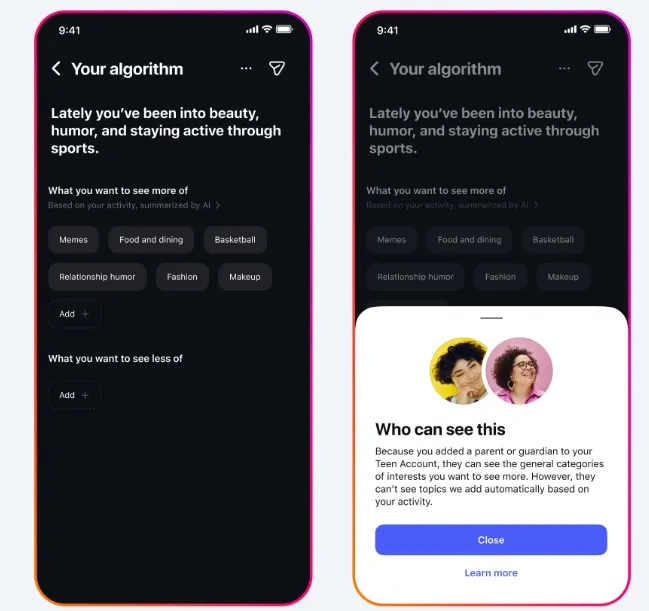


 Ammar Sabilarrohman
 Sagoh
Sagoh
 Raul Delapena Setiawan
 Reynand Wu


 Azzam Bilal Chamdy
 Ali Ikhwan