
 Raul Delapena Setiawan
In a major move to solidify its position at the forefront of the digital content creation (DCC) industry, Maxon has officially unveiled its 2027.0 software releases. The update encompasses the company’s entire creative ecosystem, including industry-standard pillars like Cinema 4D, ZBrush, Redshift, Red Giant, and Autograph. This release marks a significant milestone in Maxon’s ongoing strategy to bridge the gap between high-end professional simulation and intuitive artistic control, addressing long-standing requests from 3D artists globally.
As the demand for hyper-realistic visual effects and complex digital environments continues to surge in the film, advertising, and gaming sectors, Maxon’s 2027.0 update provides a robust suite of tools designed to streamline these demanding production workflows. By integrating sophisticated scattering systems and enhanced fluid dynamics, the company is effectively lowering the barrier to entry for high-fidelity 3D artistry.
The Core Advancements: What Defines 2027.0?
The central focus of the 2027.0 release is the democratization of complex environmental design and physics-based simulation. For years, Cinema 4D users have looked toward third-party plugins or external DCC applications to handle tasks like dense foliage distribution or large-scale fluid simulations. With this latest update, those capabilities have been brought into the native C4D environment, promising a more cohesive and efficient workflow.
The New Scatter System
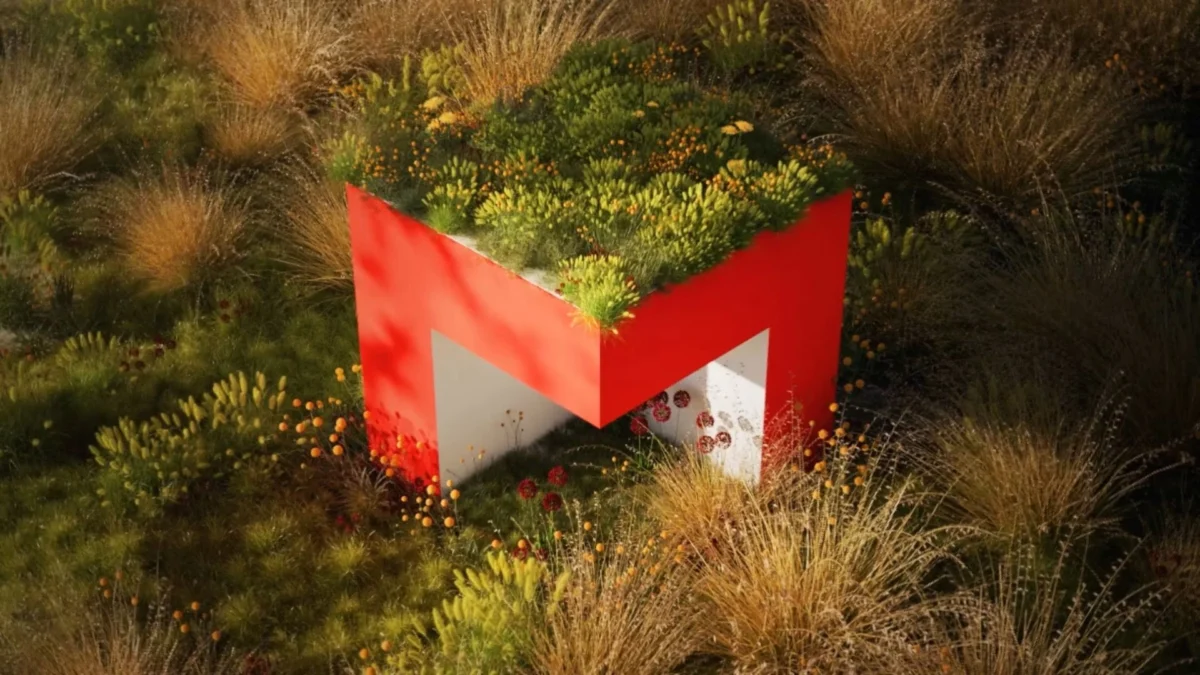
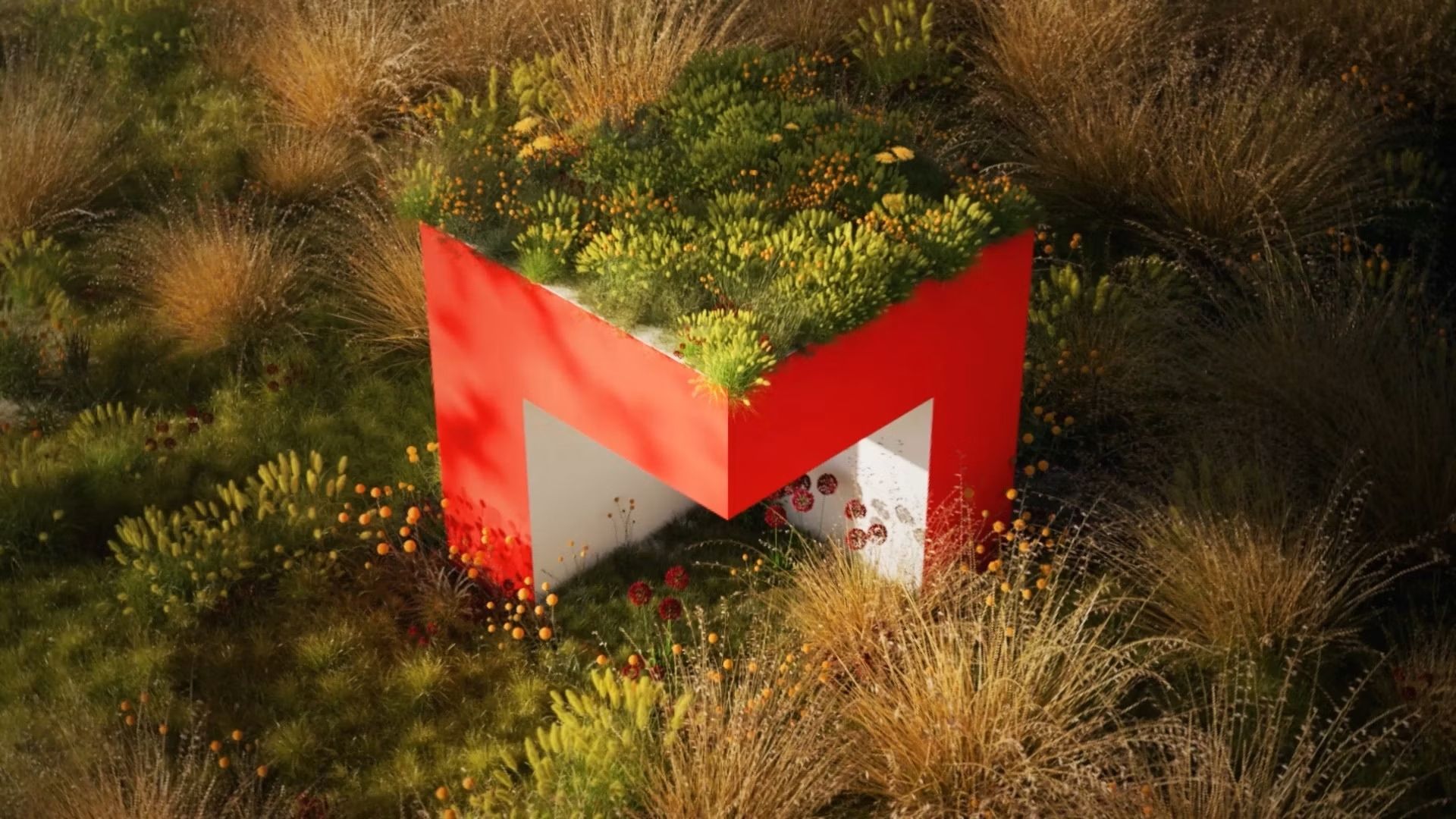
Perhaps the most significant addition is the new Scatter System. Traditionally, populating a 3D scene—whether with rocks, trees, debris, or crowds—required laborious manual placement or the use of heavy, external ecosystem-building tools. Maxon’s new Scatter Generator and associated Scatter Tag represent a fundamental shift.
The system provides artists with granular control over distribution, clustering, and transformation. Crucially, it integrates directly with Cinema 4D’s existing MoGraph toolset. This means that artists who are already familiar with Fields and Effectors can now use those same intuitive tools to influence, animate, and shape scattered objects. This integration not only reduces the need for complex workarounds but also maintains a non-destructive workflow that is essential for modern production pipelines.
Liquid FX: The Future of Fluid Simulation
Beyond environmental design, Maxon has addressed the notoriously difficult field of fluid dynamics with the introduction of Liquid FX. While Cinema 4D has long supported basic liquid simulations, Liquid FX brings a new level of automated detail.
The system introduces automatic foam, spray, and bubble generation, which react dynamically to the primary liquid simulation. This addition addresses the "missing detail" that often makes computer-generated water or liquid effects look artificial. By automating the secondary effects of splashes, waterfalls, and pouring liquids, Maxon allows artists to achieve photorealistic results in a fraction of the time it previously took to build manual, multi-layered simulations.
A Chronology of Innovation: Building to the 2027.0 Release
Maxon’s trajectory toward the 2027.0 suite has been defined by a rapid cycle of feature integration and ecosystem expansion. To understand the significance of this update, one must look at the recent evolution of the software:
- Early 2024: Maxon begins aggressive integration of AI-driven tools, starting with the support for third-party chatbots like ChatGPT and Claude. These tools were introduced to assist with script generation, node-based troubleshooting, and creative brainstorming, signaling Maxon’s intent to lead in the "AI-augmented" creative space.
- Mid-2024: The company focuses heavily on the iPad ecosystem, pushing the beta for Cinema 4D for iPad. This move signaled a shift toward mobility, allowing artists to sculpt and animate on the move, a trend that is expected to culminate in a full, production-ready release by the end of the year.
- Late 2024 to Early 2025: Maxon shifts resources toward the "unified simulation" project. This period saw the tightening of the relationship between C4D’s internal engine and the Redshift renderer, ensuring that feedback loops for lighting and textures became near-instantaneous.
- The 2027.0 Launch: The culmination of these efforts, the 2027.0 release, serves as the "unified" version where scattering, advanced fluids, and AI-assisted workflows finally converge into a single, cohesive experience.
Supporting Data and Technical Performance
The 2027.0 suite is not merely about new features; it is about performance optimization. With the inclusion of faster rendering feedback in Redshift, the "Iterate-Review-Render" cycle has been compressed. In high-end production, time is the most expensive commodity. By reducing the time required to visualize light bounces and scattering density, Maxon is allowing studios to iterate on complex shots significantly faster.
Furthermore, the expansion of the ZBrush production workflow—long considered the gold standard for digital sculpting—shows an effort to ensure that models created in ZBrush can move seamlessly into Cinema 4D for assembly and rendering. This interoperability is backed by improved file handling protocols that reduce the overhead when transferring high-polygon assets across the Maxon One suite.
Official Perspectives: The Vision for 2027
In recent briefings, Maxon leadership has emphasized that the 2027.0 release is a direct response to the "complexity crisis" facing modern 3D artists. As project scopes expand, the number of individual tools an artist must juggle has become a major pain point.
"Our goal with 2027.0 is to simplify the stack," says a company representative. "When an artist has to leave the native environment to solve for scattering or fluid secondary effects, they lose the creative rhythm. By bringing these into the core of Cinema 4D, we are giving the artist their time back. We want the software to be a transparent bridge between their imagination and the final render, not a wall of technical hurdles."
Regarding the iPad development, the company has maintained a cautious but optimistic stance. "The iPad is not just a secondary screen; it’s a new canvas. By keeping it in beta through the end of the year, we are ensuring that the performance matches the desktop-grade expectations of our professional user base."
Implications for the Creative Industry
The release of the 2027.0 suite has immediate implications for the freelance and studio landscape.
For Freelancers
Freelance artists, who often work as "one-person studios," stand to gain the most from these updates. The ability to create dense, complex environments using the native Scatter System means that a solo artist can now produce cinematic-scale shots that previously required a dedicated team of environment artists. The inclusion of automated fluid effects further reduces the need for costly specialized plugins.
For Large Studios
For large-scale production houses, the improvements in ZBrush and Redshift represent a significant boost to pipeline efficiency. As these studios move toward more real-time or near-real-time production cycles (often referred to as "Virtual Production"), the speed of feedback provided by the updated Redshift engine is critical.
The AI Trajectory
Maxon’s continued commitment to integrating third-party AI assistants is also noteworthy. By encouraging users to utilize tools like ChatGPT for complex tasks within the C4D interface, the company is positioning itself as a platform that welcomes, rather than resists, the AI revolution. This creates an environment where technical barriers—such as complex coding for custom shaders or intricate node setups—can be bypassed through natural language interaction.
Conclusion: A New Standard for Digital Artistry
The Maxon 2027.0 release is more than a simple version update; it is a strategic maturation of the suite. By addressing the critical needs for better environmental management and more realistic physics, Maxon is signaling that it intends to remain the primary choice for professional 3D artists.
As the industry moves forward, the success of this release will be measured not just by the number of new buttons in the interface, but by how much more fluidly the creative process flows for the end user. Whether you are a character artist working in ZBrush, a motion designer utilizing the new Scatter System, or a visual effects lead pushing the limits of Redshift, the 2027.0 release offers a compelling vision for the future of 3D creation. With the iPad release on the horizon, the ecosystem is poised to become even more versatile, cementing Maxon’s role as the backbone of modern digital production.

 Sagoh

 Asep Darmawan


 Reynand Wu



 Azzam Bilal Chamdy

 Ali Ikhwan
