
 Rifan Muazin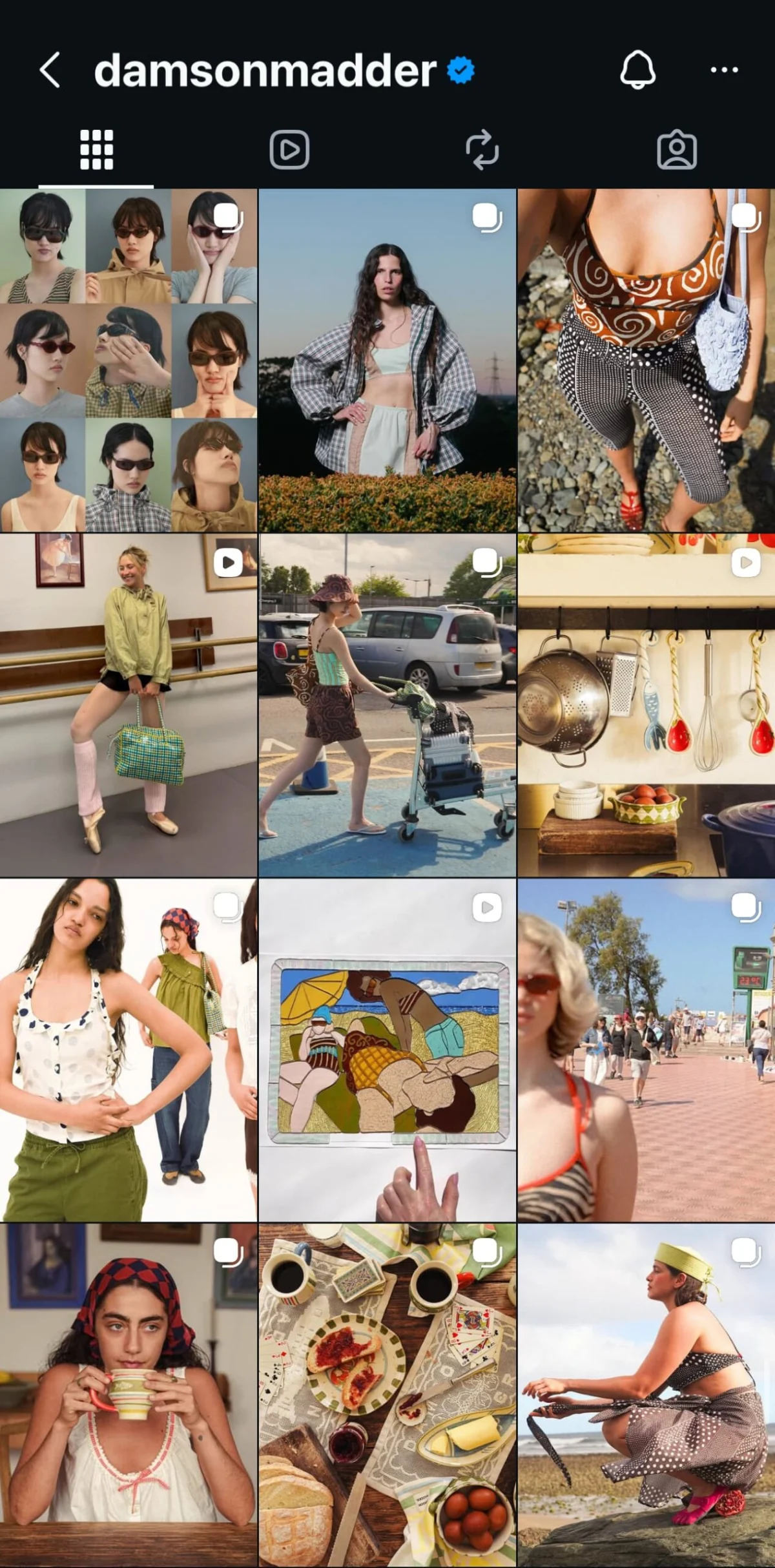
In the modern digital landscape, a notification from Instagram is more than just a social interaction; it is a signal of brand vitality. Whether it is a spike in engagement on a new Reel, a surge of shares, or a consistent uptick in follower count, these metrics represent the tangible output of a successful Instagram marketing strategy. However, achieving this level of visibility is rarely accidental. It requires a meticulous blend of creative intuition, rigorous planning, and precise timing.
Brands that maintain a sophisticated Instagram marketing strategy and consistent publishing cadence are consistently outperforming their competitors. This guide explores the mechanics of professional Instagram management—from mastering the nuances of various content formats to leveraging advanced tools that streamline the transition from content creation to audience conversion.

The Evolution of Instagram Content Formats
Instagram has evolved from a simple photo-sharing application into a multifaceted ecosystem of media formats. Understanding the distinct role of each is critical for any brand looking to build a sustainable presence.
The Power of Static Imagery and Carousels
While video currently commands significant attention, static photos and carousel posts remain the bedrock of a curated brand aesthetic. Carousels, in particular, allow brands to tell deeper stories, offering up to 20 slides of narrative, educational, or product-focused content. When executed with high-quality imagery and thoughtful, "above-the-fold" captions, these formats serve as a permanent archive of your brand’s value proposition.
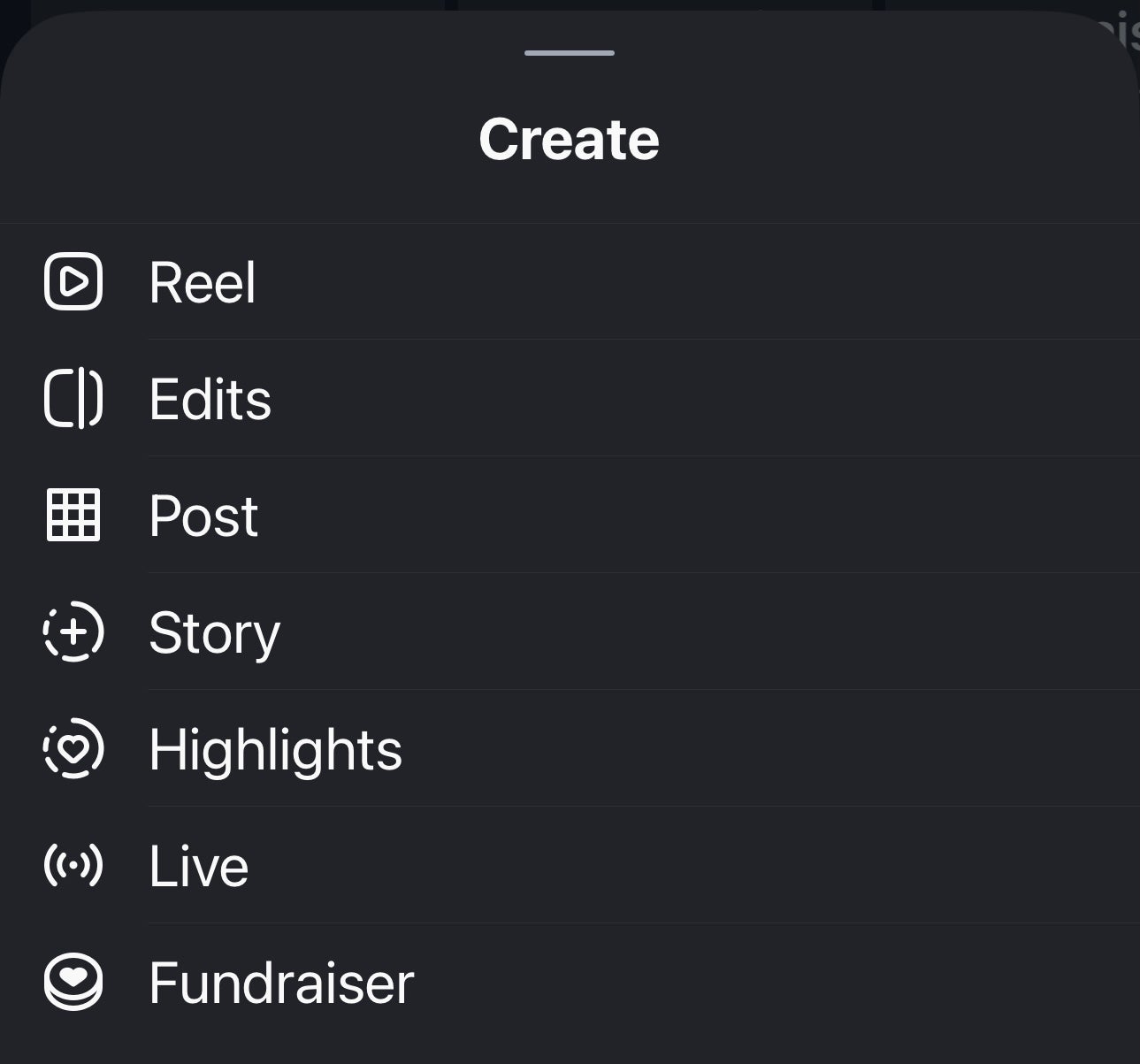
The Ubiquity of Stories
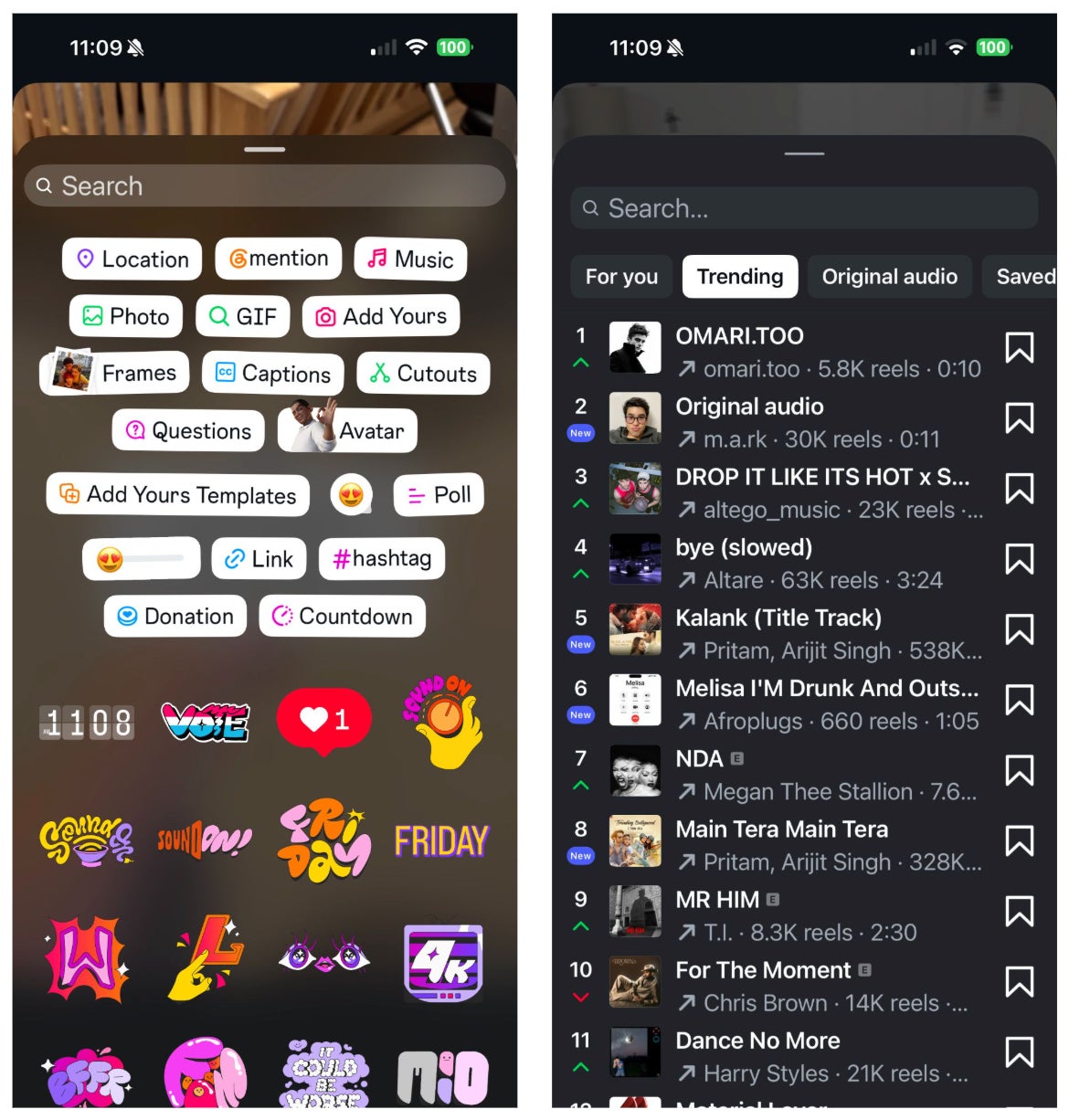
Stories occupy the prime real estate at the top of the Instagram interface. Because they vanish after 24 hours (unless saved to Highlights), they offer a lower-pressure environment for real-time, authentic, and casual brand interactions. For smaller businesses, Stories are the most effective tool for building community, as they facilitate direct communication through polls, sliders, and interactive stickers.
The Rise of Reels
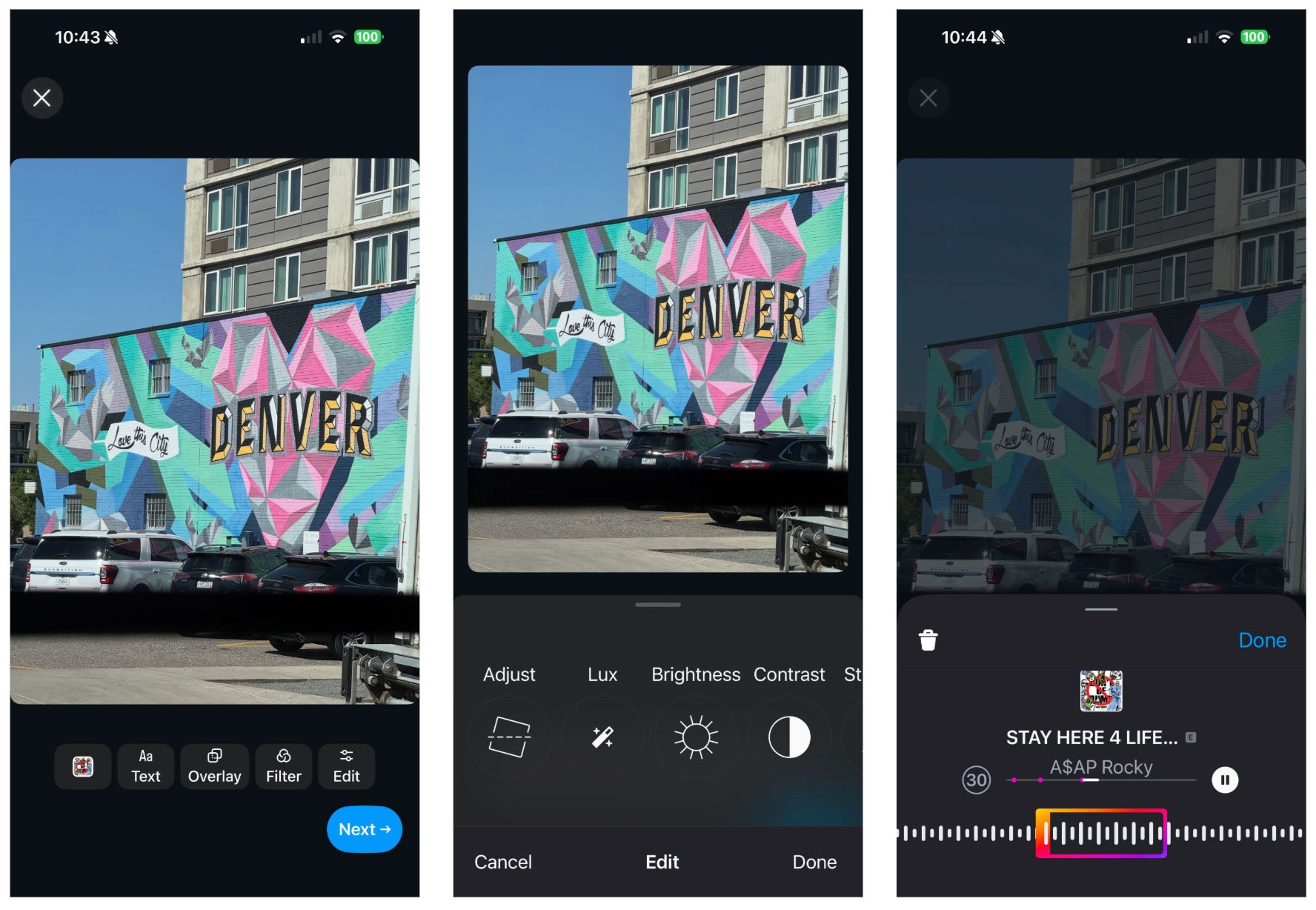
Reels have fundamentally changed the platform’s discovery mechanics. Accounting for nearly 46% of total time spent on Instagram in the United States as of 2025, Reels are the primary vehicle for reaching new, non-following audiences. By utilizing trending audio, precise edits, and hooks designed to stop the scroll, brands can leverage the algorithm to extend their reach far beyond their current follower base.
A Chronology of the Modern Publishing Workflow
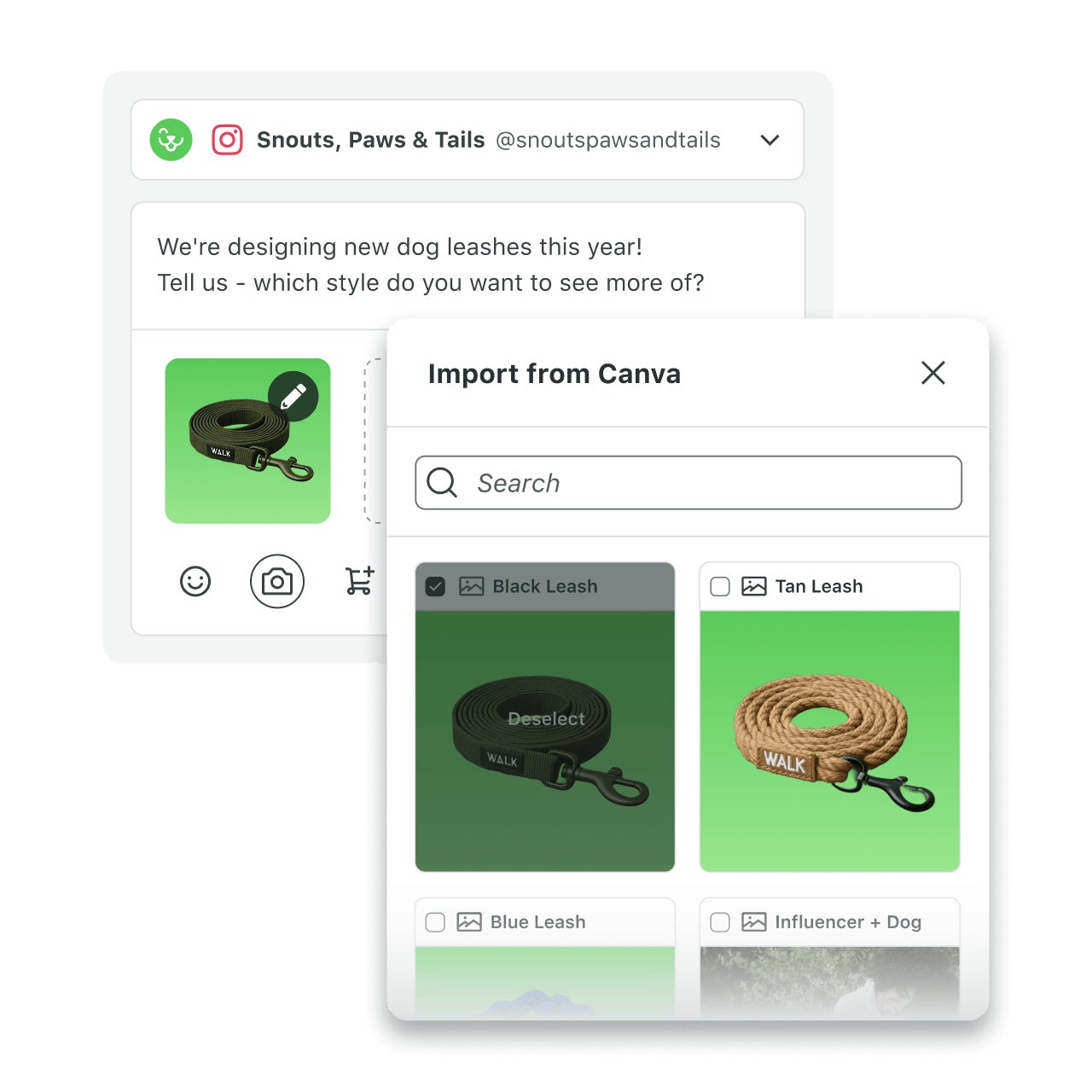
For many marketing teams, the greatest obstacle to success is fragmentation. Juggling native Instagram tools, external editing apps, and manual posting schedules often leads to burnout and inconsistent branding. A professional workflow is defined by centralization.
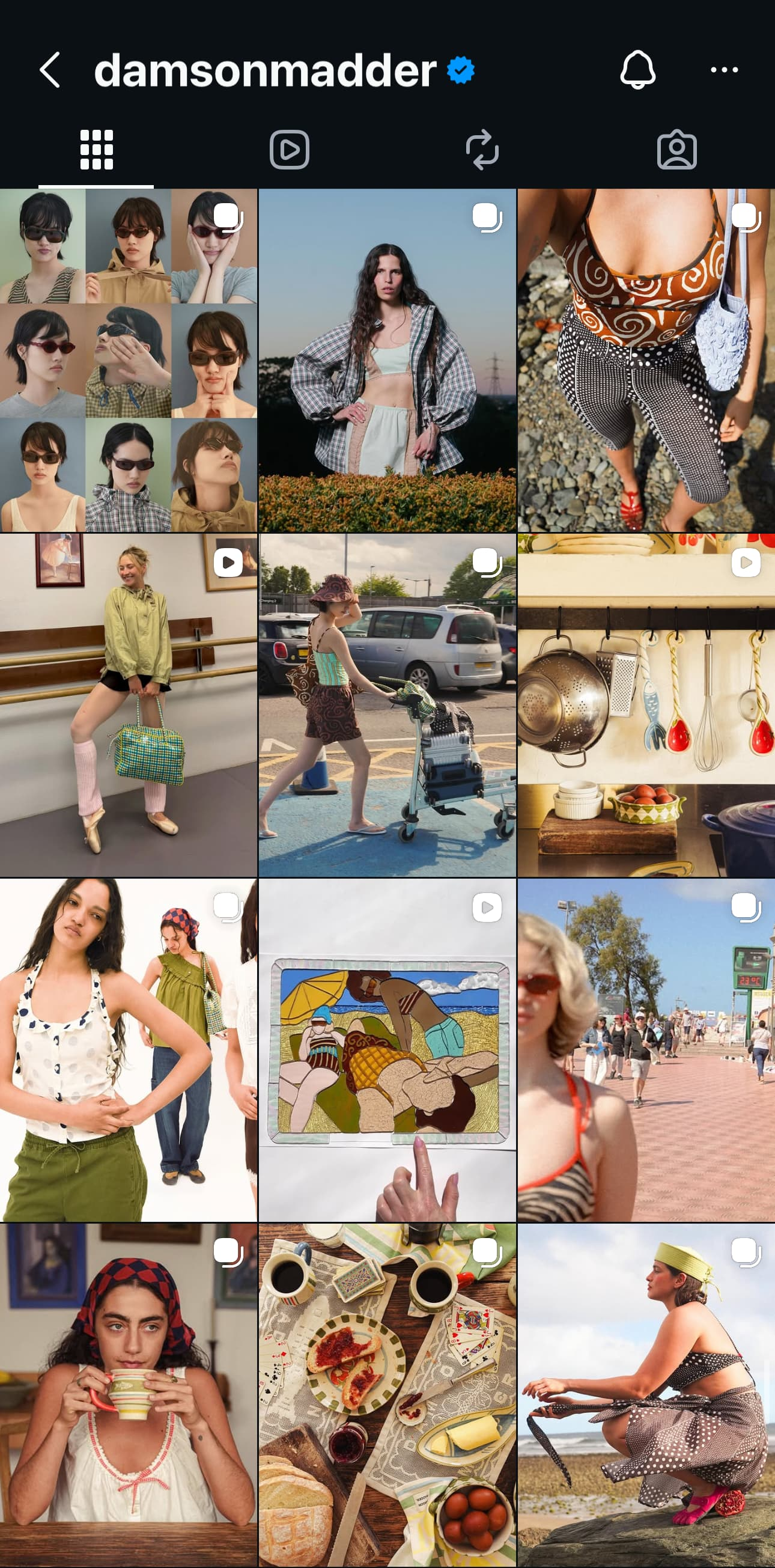
- Ideation and Planning: Utilizing a visual content calendar allows teams to map out their aesthetic weeks in advance. This ensures that the grid—your digital storefront—remains cohesive.
- Creation and Editing: Whether you are cropping images to the 4:5 vertical ratio or trimming video clips, using a unified editor reduces the risk of quality degradation and formatting errors.
- Strategic Scheduling: The "post-and-pray" method is obsolete. Utilizing data-driven "Optimal Send Times" ensures that content is published exactly when the target audience is most active, maximizing the likelihood of early engagement.
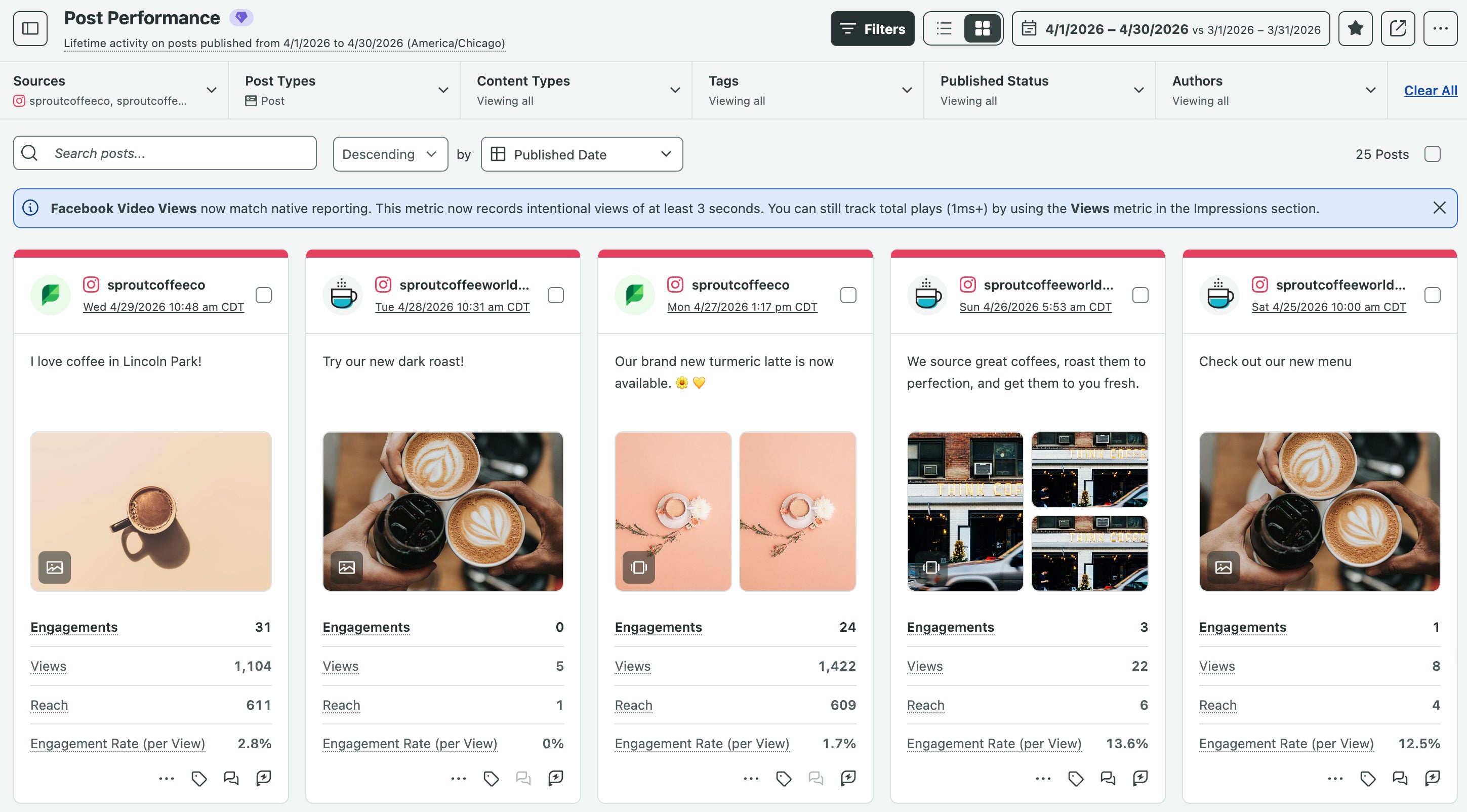
- Performance Review: The cycle concludes with analysis. By reviewing post-level performance reports, marketers can identify which hashtags, content types, and messaging hooks are driving tangible business outcomes, such as profile visits and link clicks.
Supporting Data: Why Strategy Triggers Growth
The numbers support the necessity of a data-backed approach. According to the 2025 Sprout Social Index, 65% of consumers report they are significantly more likely to interact with brands that maintain a consistent, high-quality presence. Furthermore, data indicates that Reels and carousel posts generate superior engagement rates compared to single-image static posts.
The importance of timing is equally backed by data. Instagram’s algorithm prioritizes recency; therefore, posting when your specific audience is online is the single most effective way to signal to the platform that your content is valuable. Tools like Sprout Social’s "Optimal Send Times" utilize up to 16 weeks of engagement data to remove the guesswork, ensuring your content enters the feed at its peak potential.
Official Perspectives: Accessibility and Engagement
As Instagram matures, the focus has shifted toward accessibility and inclusivity. Expert consensus and platform guidelines emphasize that content should be accessible to all, including those who rely on screen readers or view content with sound disabled.

Key strategies for increasing accessibility include:
- Captions: Adding closed captions to all video content is no longer optional; it is essential for reach.
- Alt-Text: Providing descriptive alt-text for images ensures that your content is discoverable and accessible to visually impaired users.
- Contrast and Legibility: Using high-contrast text overlays in Stories and Reels ensures that your messaging is clear, regardless of the background or lighting.
By prioritizing these elements, brands not only fulfill a social responsibility but also optimize their content for a wider range of users, thereby increasing the total "view-time" and engagement potential of their posts.
Implications for Future Growth
The shift toward a more professionalized, data-driven approach to Instagram has profound implications for marketing teams. We are moving away from the era of "vanity metrics"—likes and follower counts—toward a model focused on "business impact."
Centralization as a Competitive Advantage
The primary implication for brands is the necessity of an integrated workspace. By consolidating publishing, scheduling, and reporting into a single platform like Sprout Social, teams eliminate the friction of toggling between five different applications. This allows for a more agile response to market trends and a more coherent brand voice.
The Role of AI in Content Scaling
The integration of AI, such as Sprout’s "AI Assist," is becoming a standard in the industry. These tools help marketers brainstorm hooks, draft captions tailored to specific brand tones, and identify gaps in their content strategy. The implication is clear: the future of social media management lies in the collaboration between human creativity and machine-assisted optimization.
Moving Beyond the Feed
Finally, brands must recognize that Instagram is no longer just a "feed." It is a funnel. With features like "Link in Bio" tools and the ability to schedule the first comment for hashtags, every post should be treated as a conversion point. Whether directing users to a product page or an event registration, the transition from engagement to action is the ultimate metric of a successful strategy.
Conclusion: Turning Strategy into Impact
Posting on Instagram is no longer merely a task of uploading media; it is an exercise in strategic communication. By embracing a workflow that prioritizes consistency, data-driven timing, and accessibility, brands can transform their social presence from a passive gallery into an active engine for growth.
As the platform continues to favor high-engagement, video-centric, and accessible content, the winners will be those who can scale their output without sacrificing quality. Whether you are a solo marketer refining your brand aesthetic or a large team managing multi-channel campaigns, the goal remains the same: to create content that resonates, captures attention, and ultimately drives the business forward.

For those ready to move past the limitations of native apps, platforms like Sprout Social offer a 30-day free trial, providing the necessary infrastructure to centralize your publishing, analytics, and community management in one, high-efficiency workspace.


 Ammar Sabilarrohman
 Sagoh
Sagoh
 Raul Delapena Setiawan
 Reynand Wu


 Azzam Bilal Chamdy
 Ali Ikhwan