
 Neng Nana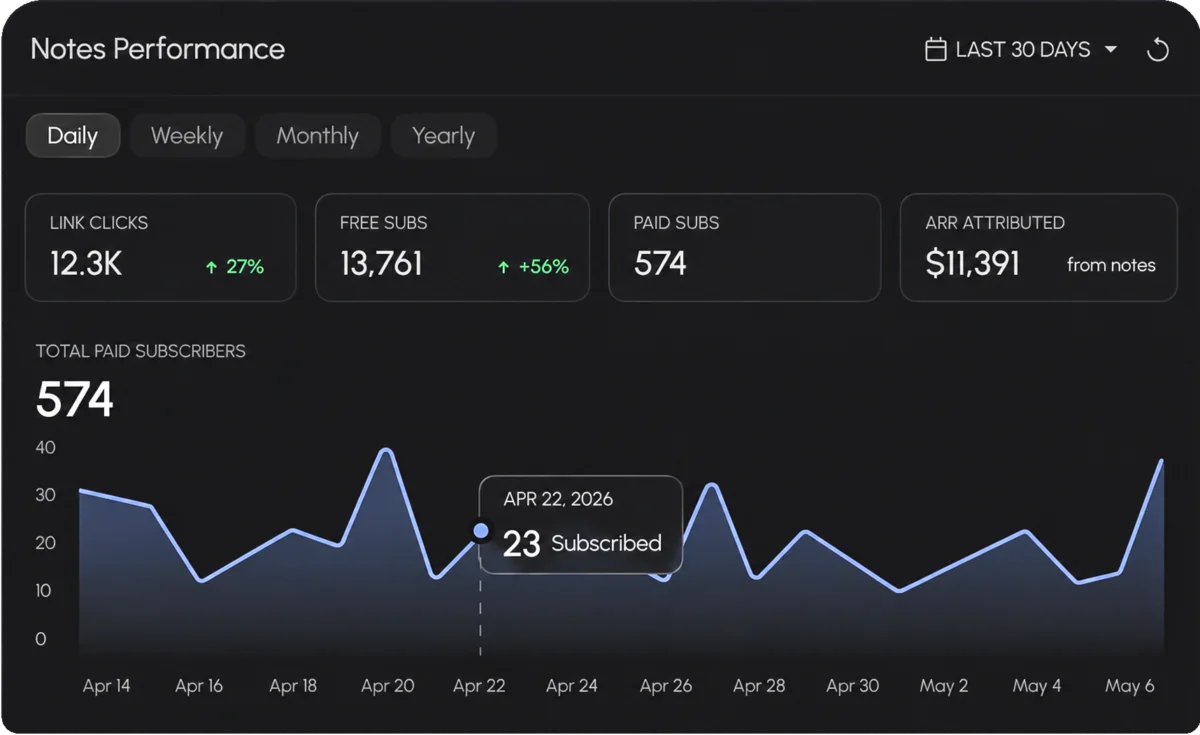
For years, the Substack ecosystem was defined by a singular, rigid workflow: if you wanted to share a Note, you had to hit "Publish" in the moment. The "nope" regarding scheduling became a legendary point of contention among the platform’s most prolific creators. However, the landscape shifted dramatically in the spring of 2026 when Substack finally introduced native scheduling.
Today, writers are no longer restricted to real-time posting. With the rise of third-party integrations, the question has shifted from "Can I schedule?" to "Which tool best streamlines my cross-platform strategy?" Whether you are a solo newsletter writer or a multi-channel content creator, the ability to queue your thoughts is now a standard requirement for maintaining audience engagement.

The Evolution: From Real-Time to Planned Strategy
The history of Substack Notes is a story of rapid maturation. Initially launched as a direct competitor to micro-blogging platforms like X (formerly Twitter), Notes lacked the foundational infrastructure that power users demanded. By early 2026, the community’s demand for scheduling hit a fever pitch, with feature requests flooding support forums.
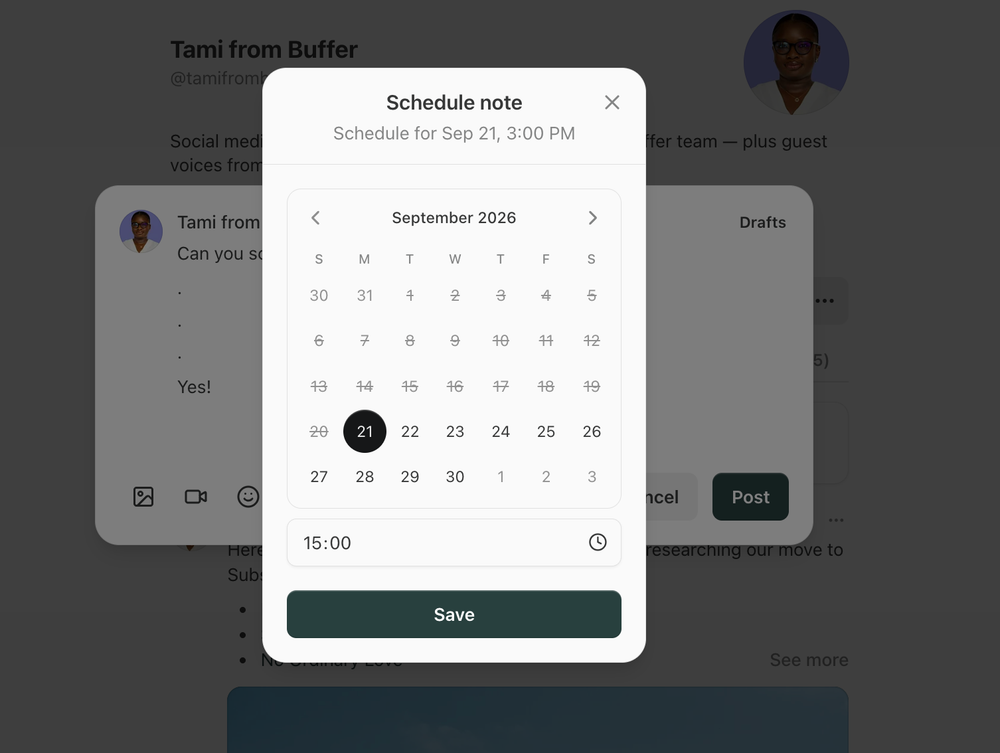
In response, Substack rolled out its native scheduling feature in mid-2026, allowing creators to line up content up to three months in advance. While this was a massive win for simplicity, it highlighted a new gap: while Substack fixed the "when," it did not address the "where." As creators increasingly look to distribute content across Threads, LinkedIn, and Bluesky, the need for a centralized "command center" has transformed the market for third-party schedulers.

Comparative Analysis: The Leading Schedulers
Choosing the right tool requires balancing your need for automation against the complexity of your workflow. Below is an overview of the current market leaders.
| Tool | Best For | Crossposting | Pricing Model |
|---|---|---|---|
| Buffer | Cross-platform power users | Yes (10+ channels) | Free tier / Paid from $6/mo |
| Substack Native | Simple, infrequent posts | No | Free |
| WriteStack | Research & analytics | Via Buffer add-on | Trial / From $23.99/mo |
| Typefully | X-first creators | Yes | Free / From $99/yr |
| Narrareach | AI-assisted content repurposing | Yes | Free / From $19/mo |
| StackSweller | Simple queue management | No | From $25/mo |
Deep Dive: The Top 6 Schedulers Evaluated
1. Buffer: The Integrated Powerhouse
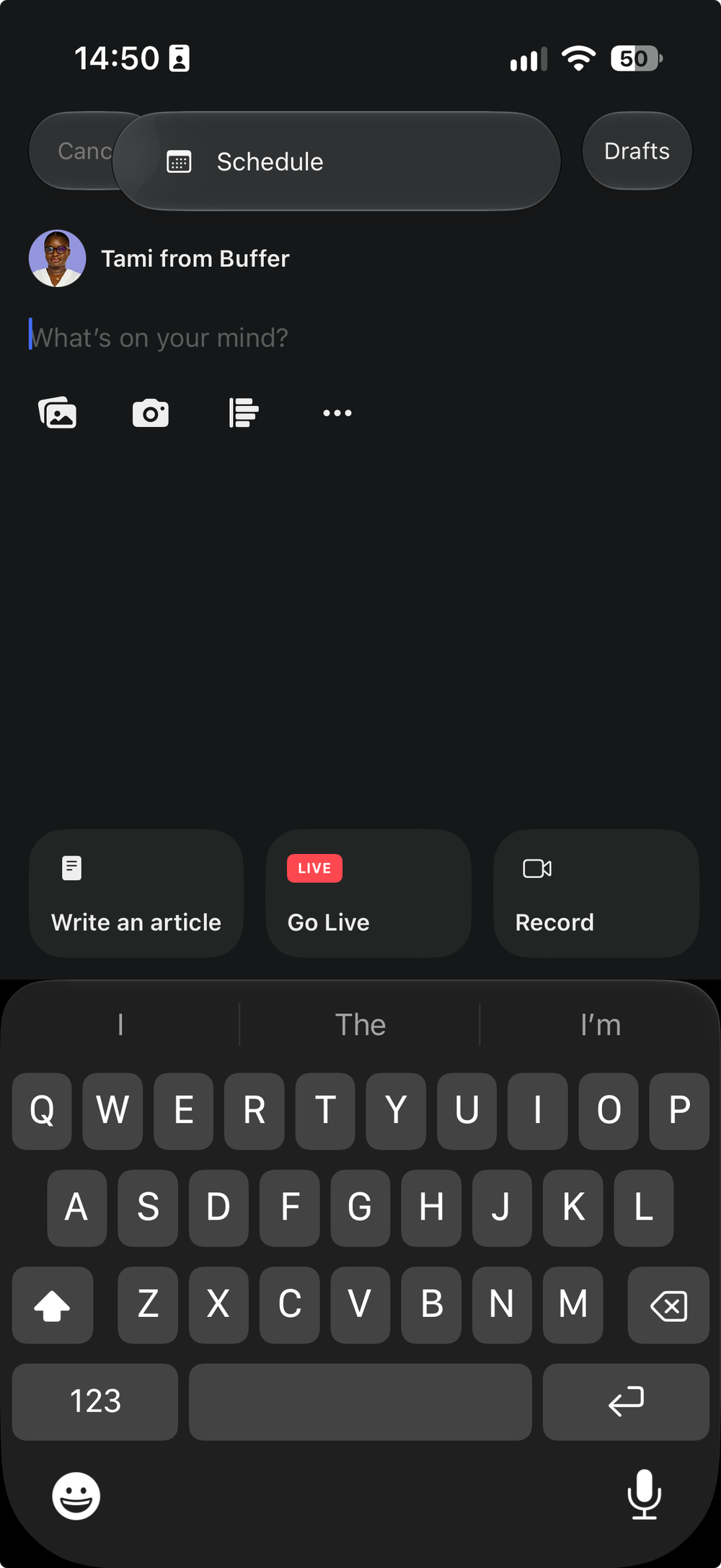
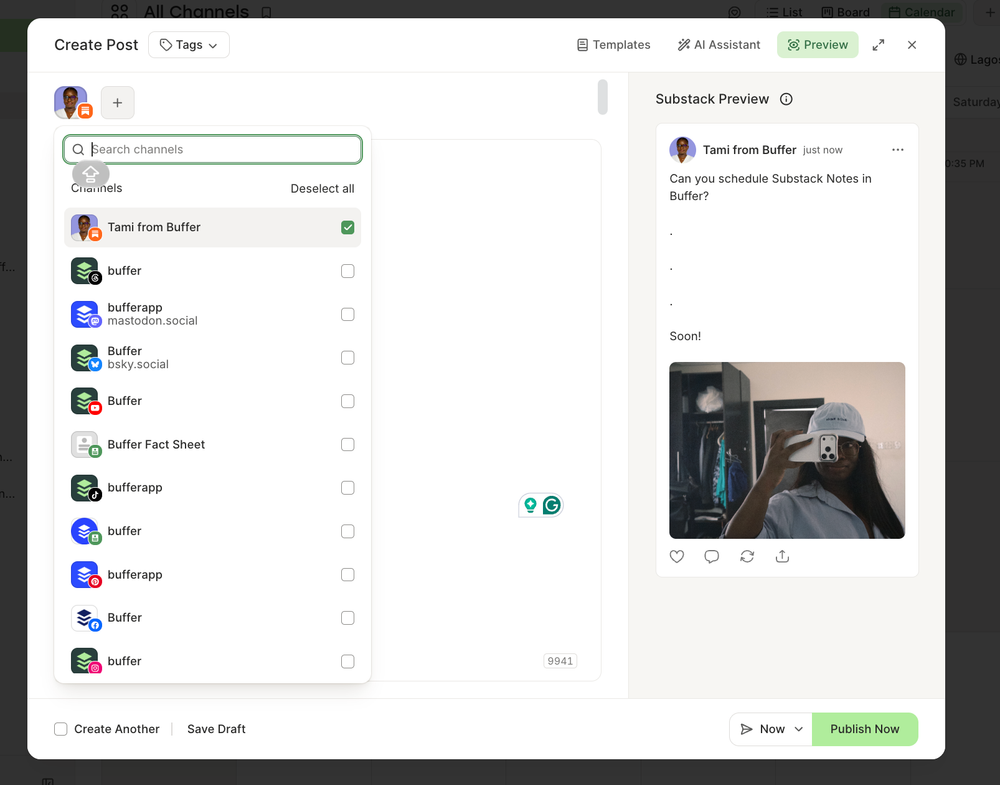
Buffer’s integration with Substack, released in September 2026, was a direct response to over 1,100 user requests. By allowing creators to connect their Substack account alongside their X, LinkedIn, and Threads profiles, Buffer has effectively turned into a unified dashboard for the modern newsletter writer.
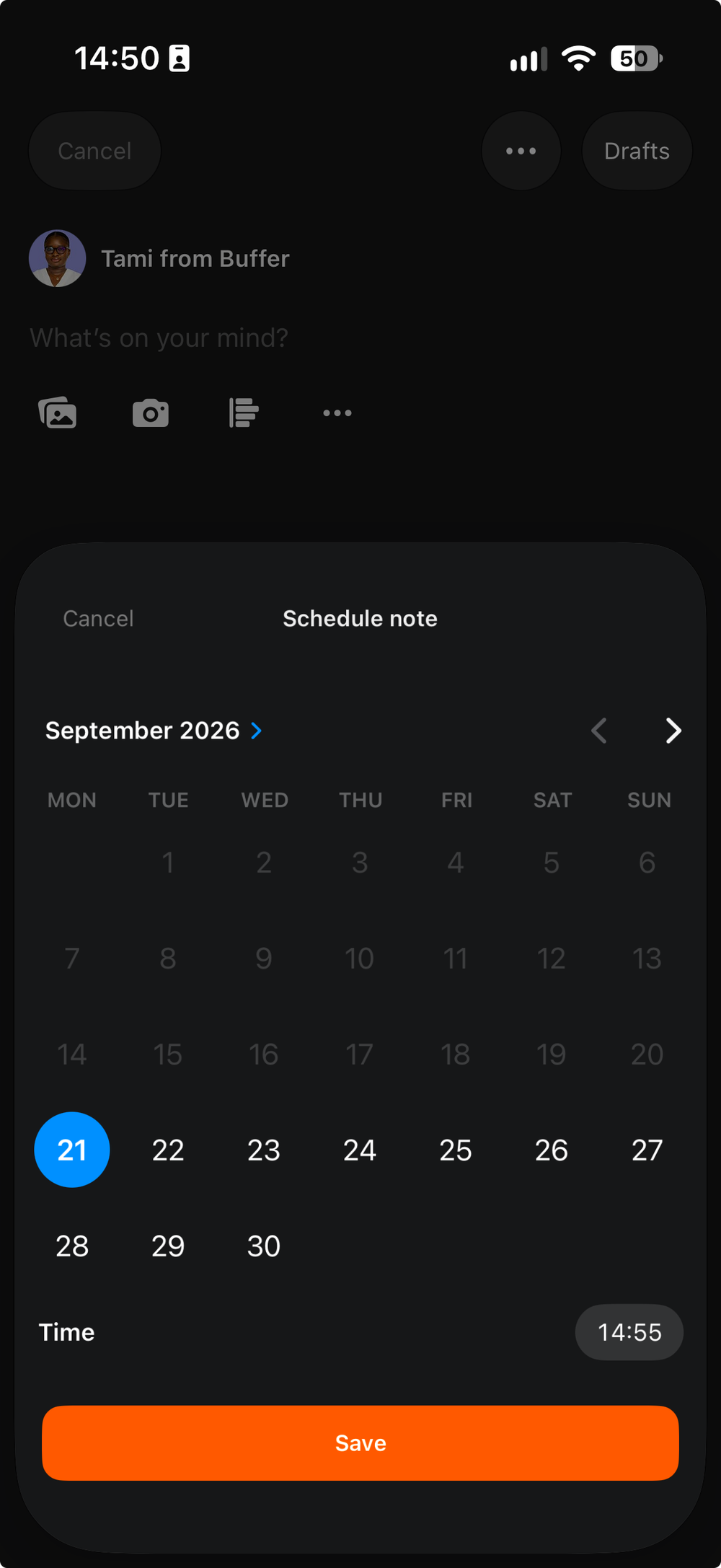
- The Advantage: It offers a visual calendar that is arguably the most intuitive in the industry. The "forever-free" plan, which covers up to three channels, makes it an accessible starting point for emerging writers.
- Implication: By centralizing the workflow, creators can maintain a consistent voice across different platforms without the friction of manual copy-pasting.
2. Substack Native Scheduler: The Minimalist’s Choice
For writers who treat Substack as their sole digital home, the native tool is often sufficient.
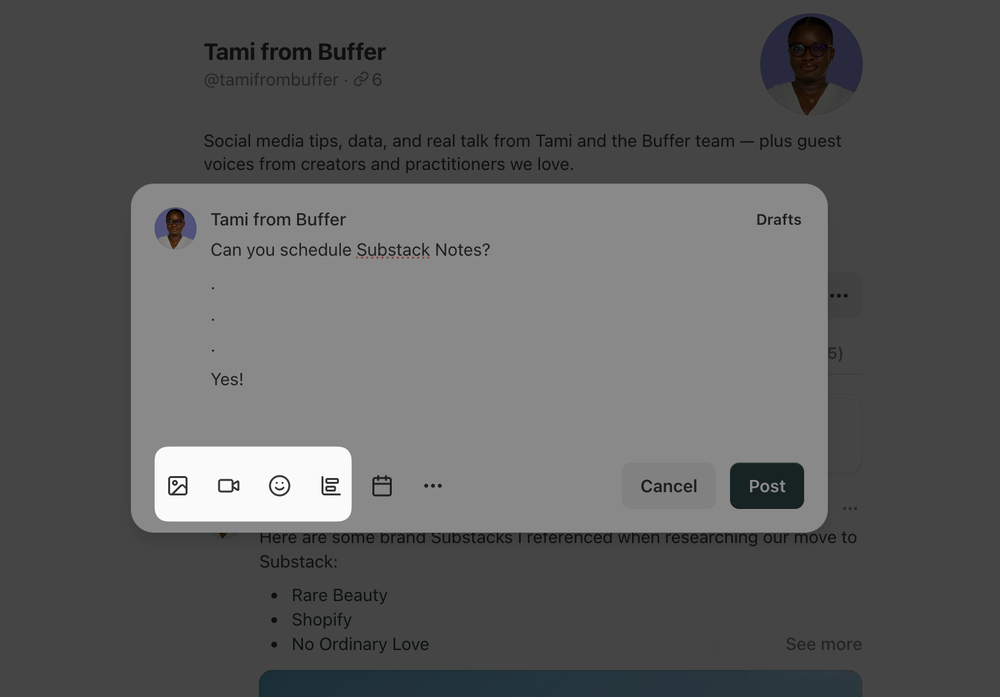
- The Advantage: It is deeply integrated, requires no third-party account connections, and offers zero latency. It is perfect for those who do not wish to deal with API tokens or session cookies.
- Limitation: It is a manual process. There is no bulk-upload feature or queue system, meaning it is ill-suited for heavy-duty content calendars.
3. WriteStack: The Data-Driven Specialist
Built by developer Orel Zilberman, WriteStack is a boutique tool designed for the Substack power user.
- The Advantage: It focuses on the granular details of the Substack ecosystem, offering superior research tools and deeper analytics regarding how individual Notes drive subscriber growth.
- Limitation: The reliance on Chromium-based browser extensions means it is less flexible for users who prefer Safari or Firefox.
4. Typefully: The X-Native Approach
If your primary growth strategy involves short-form content on X, Typefully is the natural progression.
- The Advantage: It maintains a "writing-first" interface that feels familiar to power users of micro-blogging platforms. Its ability to draft threads and schedule them to both X and Substack simultaneously is a significant time-saver.
- Limitation: It currently lacks robust video support for Notes, which may be a dealbreaker for creators pivoting to video-first content.
5. Narrareach: The AI-Centric Workflow
Narrareach represents the future of content repurposing. By feeding an article into the tool, its AI models automatically distill the content into several bite-sized Notes.

- The Advantage: It removes the "blank page" problem. By automatically generating snippets from long-form work, it ensures that your newsletter content is constantly being fed back into your social channels.
6. StackSweller: The Cloud-Based Queue
For the minimalist who wants a "set it and forget it" cloud queue, StackSweller provides a simple, dedicated space to stack posts.
- The Advantage: Because it operates via a stored session, your content publishes even if your laptop is powered down.
- Limitation: The technical setup involves handling session cookies, which may pose a security hurdle for less tech-savvy users.
How Publication Methods Impact Reliability
When evaluating these tools, creators must understand the difference in how they "talk" to Substack.
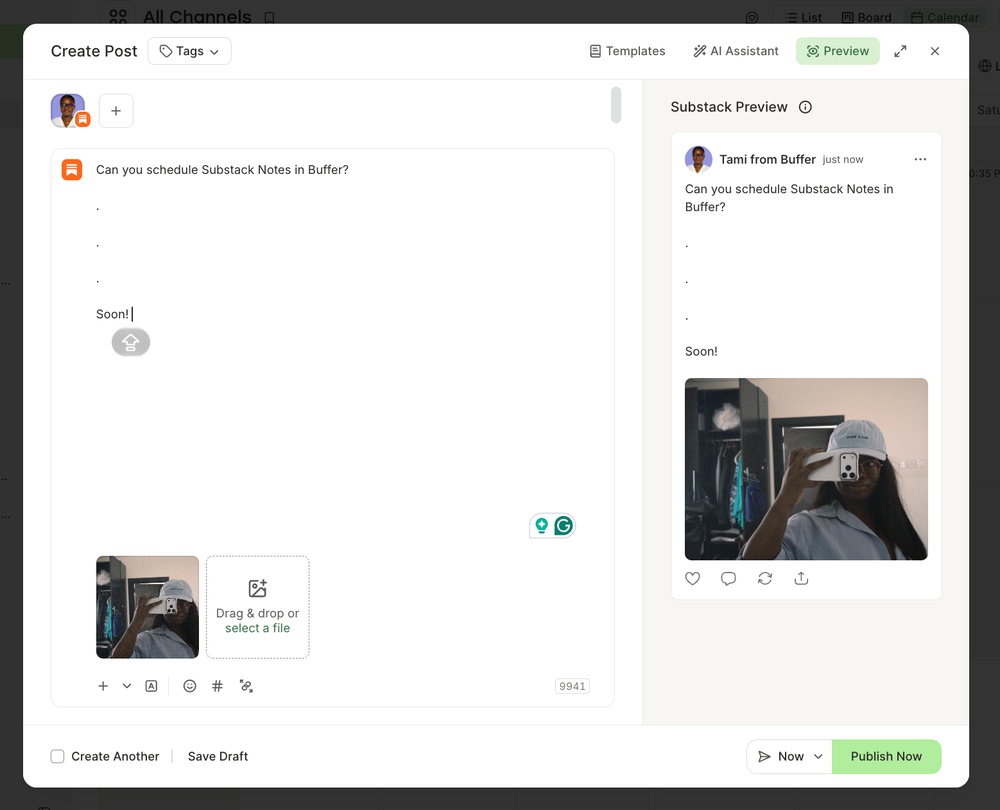
- Official API Connections: Tools like Buffer and Typefully use authorized API access. This is the gold standard for security and reliability.
- Browser-Based Automation: Tools like WriteStack and Narrareach use browser extensions. While powerful, they are tethered to your machine’s uptime and local environment.
- Session-Based Stored Cookies: Tools like StackSweller mimic a browser session. These are the most prone to "breaking" if Substack updates its security protocols or if your login session expires.
Implications for Newsletter Growth
The professionalization of Substack has moved beyond just writing; it is now about content distribution management. Data from recent user studies suggests that creators who use automated scheduling tools post 30% more frequently than those who don’t. This consistency is the single largest indicator of subscriber retention.
However, a word of caution: automation should never replace authenticity. The best strategy is to use these tools to handle the logistical "heavy lifting"—the repetitive tasks of posting across platforms—while keeping the actual writing process human and thoughtful.
Frequently Asked Questions (FAQ)
Can I really schedule everything?
Yes. As of late 2026, the combination of native tools and third-party APIs allows for nearly complete automation of your content pipeline.
Is it safe to share my credentials?
It depends on the tool. Always prioritize services that use official OAuth (where you sign in via a pop-up window) rather than tools that ask for your password directly.
Does scheduling affect reach?
There is no evidence that the Substack algorithm penalizes scheduled posts. In fact, by allowing you to time your posts for peak audience engagement windows, scheduling can actually improve your reach and visibility.
How do I choose the best one?
Start with your distribution goals. If you are a single-platform creator, stick to Substack’s native scheduler. If you are a cross-platform creator, opt for a robust, API-supported tool like Buffer or Typefully.
Conclusion: The Path Forward
The "scheduling gap" that once frustrated Substack creators has been filled by a vibrant ecosystem of developers and platforms. Whether you prefer the simplicity of native tools or the high-powered capabilities of integrated schedulers, the technology is now at a point where your only limitation is your creativity. As we move into the next phase of the creator economy, the winners will be those who use these tools not just to post more, but to build more meaningful, consistent relationships with their readers.

 Azzam Bilal Chamdy
 Iffa Jayyana
 Laily UPN
 Rifan Muazin
 Suro Senen
 Lina Hope
 Lina Irawan