
 Azzam Bilal Chamdy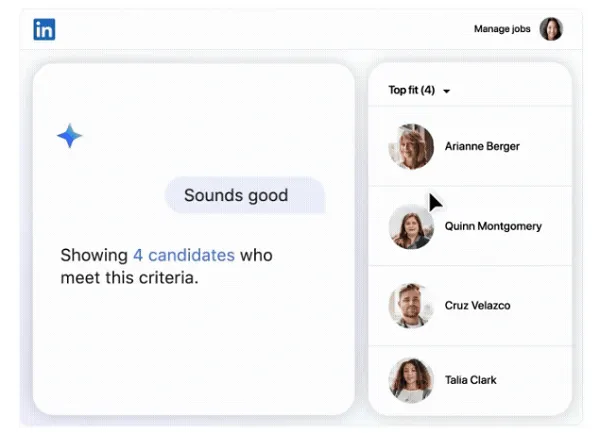
In a strategic move to transform its platform from a passive networking hub into a high-utility marketplace for professional services, LinkedIn has unveiled a suite of new features aimed at empowering consultants, coaches, and recruiters. The centerpiece of this update is a seamless, in-app consulting booking system that allows Premium subscribers to monetize their expertise without directing traffic to third-party platforms. Complementing this, LinkedIn is also upgrading its "Hiring Pro" suite with advanced artificial intelligence, signaling a broader intent to capture more value from its ecosystem.
These updates represent a significant pivot for the Microsoft-owned professional network. By lowering the friction between discovery and transaction, LinkedIn is directly challenging the dominance of external scheduling and payment platforms like Calendly and Stripe, effectively keeping the entire professional lifecycle—from initial connection to final payment—within the confines of its interface.
The Core Innovation: Direct Consulting and Monetization
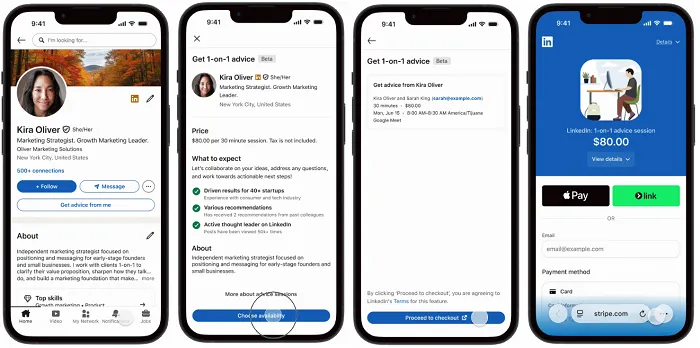
For years, the "LinkedIn funnel" for consultants and advisors has been notoriously inefficient. A professional might spend months building an audience through content, only to lose potential clients when they navigate away from the site to a third-party booking calendar. The new "Get advice from me" feature effectively eliminates this "link-out" hurdle.
How the Booking System Functions
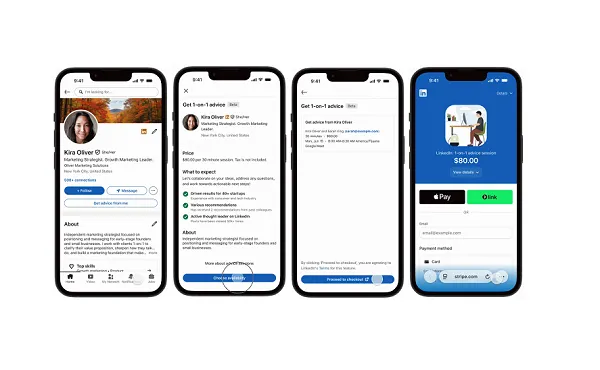
The new functionality allows Premium Business and advanced-tier subscribers to embed a dedicated booking button directly onto their profile. This button acts as a bridge, enabling users to:
- Set Availability: Consultants can define their open slots for one-on-one sessions.
- Automated Payments: By integrating in-stream payment processing, LinkedIn ensures that transactions are handled securely before a session begins, reducing the risk of "no-shows" and non-payment.
- Integrated Video Hosting: The platform now supports hosting the actual consultation, creating an end-to-end user experience that requires no additional software.
By consolidating these disparate tasks into one interface, LinkedIn is positioning itself as the primary infrastructure for the independent professional economy.
Chronology of LinkedIn’s Transformation
To understand the weight of these updates, one must look at LinkedIn’s trajectory over the past decade.
- 2016 – The Acquisition: Microsoft’s $26.2 billion acquisition of LinkedIn marked the beginning of a push toward deeper data integration and productivity tools.
- 2020 – The Creator Shift: Following the global shift to remote work, LinkedIn began aggressively prioritizing creator-centric tools, such as Creator Mode, newsletters, and audio events.
- 2023 – The AI Inflection Point: With the rise of generative AI, LinkedIn began rolling out "LinkedIn Coach" and AI-assisted drafting tools for messages and posts.
- 2024 – The Monetization Phase: The introduction of in-app booking and AI-driven hiring tools represents the current phase: moving from engagement-based metrics to transaction-based utility.
The current rollout, beginning with U.S.-based Premium Business subscribers this month, is the latest iteration of this long-term strategy to ensure users spend as much time—and money—as possible within the LinkedIn ecosystem.
Supporting Data: Why "Connection Count" is No Longer Enough
For much of its history, LinkedIn was treated as a "digital resume" or a vanity project where users obsessed over connection counts. However, industry data suggests that this metric has become increasingly irrelevant.
Recent internal studies cited by industry analysts indicate that while connection counts have surged globally, engagement-to-conversion rates have remained stagnant for many service-based professionals. The "hollow network" phenomenon—where a user has 5,000 connections but generates zero leads—has plagued the platform’s reputation.
LinkedIn’s internal data highlights that:
- Reduced Friction Increases Conversion: Beta testing of the new booking feature showed a 30% increase in conversion rates for pilot users who implemented the "Get advice" button compared to those linking to external websites.
- Premium Value Proposition: With subscriptions becoming a major revenue driver, LinkedIn must provide tangible ROI to justify the monthly cost. Providing a tool that directly generates revenue is a powerful retention mechanism for the platform.
- The Rise of the "Solopreneur": As more professionals transition into fractional roles, the demand for simple, integrated business management tools has skyrocketed. LinkedIn is capitalizing on the fact that these users already maintain their professional identity on the site.
Official Responses and Strategic Vision
In a statement regarding the new features, LinkedIn emphasized that the goal is to "remove friction right where clients discover you." The company is clearly framing this as a service to the professional community.
"For consultants, coaches, and creators, it removes friction right where clients discover you and helps you get paid for what you already know," a company spokesperson noted. This sentiment aligns with LinkedIn’s broader mission to become the "economic graph" of the world. By facilitating commerce, LinkedIn is evolving from a platform where people talk about work to a platform where people perform work.

Regarding the AI-enhanced Hiring Pro tools, the company highlighted a desire to reduce the "manual recruitment workload." By allowing recruiters to use plain language to refine candidate qualifications and manage shortlists, LinkedIn is automating the most tedious aspects of human resources. This, in turn, keeps high-value recruiters tethered to the platform’s proprietary AI rather than seeking out third-party HR tech solutions.
Implications for the Professional Landscape
The introduction of these tools has profound implications for various stakeholders in the digital economy.
For Consultants and Solopreneurs
The barrier to entry for building a consulting business has effectively lowered. Professionals no longer need a website, a payment processor, and a calendar tool to get started; they simply need a LinkedIn profile. This could lead to a massive influx of "micro-consultants" flooding the platform, which will likely heighten competition for visibility.
For Third-Party SaaS Providers
Companies that specialize in scheduling (Calendly), payment processing (Stripe/PayPal), and AI-driven HR screening are now in direct competition with LinkedIn. If LinkedIn continues to build these features natively, many niche SaaS products may find their value propositions diminished.
For the Quality of Discourse
There is a potential downside: the "commercialization" of connections. As LinkedIn becomes a marketplace for transactional advice, the quality of organic networking might suffer. If every interaction is filtered through the lens of a potential paid consultation, users may become more guarded in their interactions, potentially stifling the authentic professional exchange that LinkedIn was originally built to foster.
For the Future of AI in Recruitment
The expansion of Hiring Pro’s AI capabilities signals that the "human element" of recruitment is increasingly being augmented. While LinkedIn claims this allows recruiters to "stay aligned without the extra manual work," it also raises questions about bias. If AI is refining qualifications and creating shortlists based on plain-language prompts, the transparency of the hiring process becomes a critical issue that regulators and HR professionals will need to monitor closely.
Conclusion: A New Chapter for the "Economic Graph"
LinkedIn is no longer just a place to find a job or post updates; it is rapidly evolving into a comprehensive workspace. By integrating booking, payments, and AI-assisted management tools, LinkedIn is positioning itself as the central operating system for professional life.
For the average user, these changes offer a streamlined way to monetize expertise and streamline the hiring process. However, the true test will be how the platform balances these commercial tools with the need to maintain an authentic, high-quality professional community. As LinkedIn continues to roll out these features globally, the professional world will be watching to see if this "all-in-one" approach leads to a more efficient marketplace, or if it further commoditizes the very connections that make the platform valuable.
The era of the "frictionless" professional network has arrived, and for those ready to leverage these new tools, the potential for growth is significant. Yet, as with all platform-centric shifts, professionals must remain cognizant of the trade-off: in exchange for convenience, they are further anchoring their professional survival to the evolving whims and policies of a single tech giant.


 Reynand Wu
 Iffa Jayyana
 Neng Nana
 Evan Lee Salim
 Ammar Sabilarrohman
 Muslim
 Jia Lissa
 Nila Kartika Wati