
 Evan Lee Salim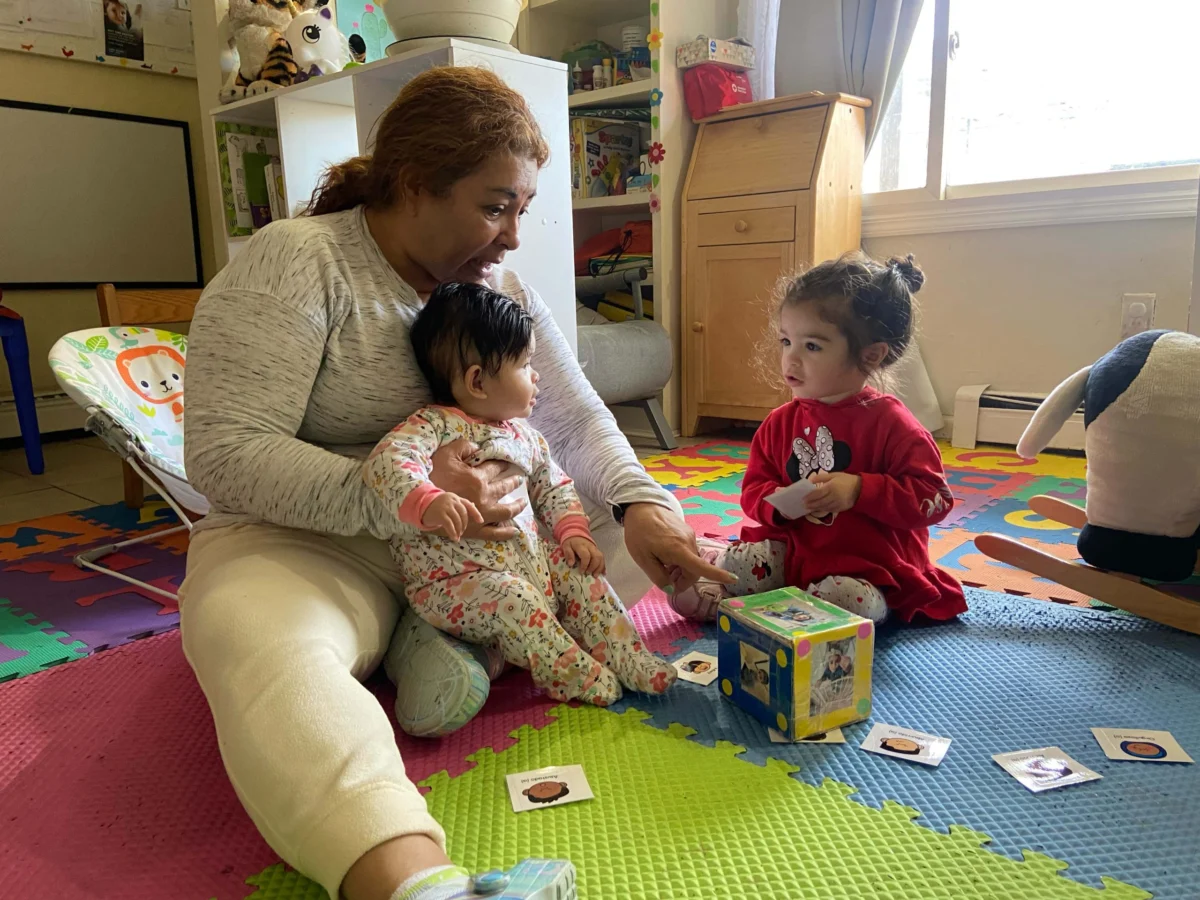
For decades, the invisible labor of early childhood education has been subsidized by the very people the system underpays. Across the United States, from bustling urban centers to quiet rural towns, preschool teachers and home-based daycare providers have routinely reached into their own wallets to purchase the “cozy corner” rugs, sensory bins, and calming lights that transform a room into a high-quality learning environment.
For the first time, federal policy is beginning to acknowledge this financial burden. Under the newly enacted Supporting Early-Childhood Educators’ Deductions (SEED) Act, signed into law on September 18, 2026, early childhood educators are now eligible for the same educator expense tax deduction that has been available to K-12 teachers since 2002.
This legislative shift represents more than just a minor financial adjustment; it marks a significant symbolic victory for a workforce that has long operated in the shadows of the American education system.
The Economics of a Profession in Crisis
The reality for many early childhood educators is stark. According to data from the Buffett Early Childhood Institute at the University of Nebraska, the median wage for these professionals hovers around $13 an hour—approximately half of what their K-8 counterparts earn. Despite this low compensation, the commitment to their students remains unwavering. Research indicates that nearly 91 percent of early educators report spending their own money on essential classroom supplies.
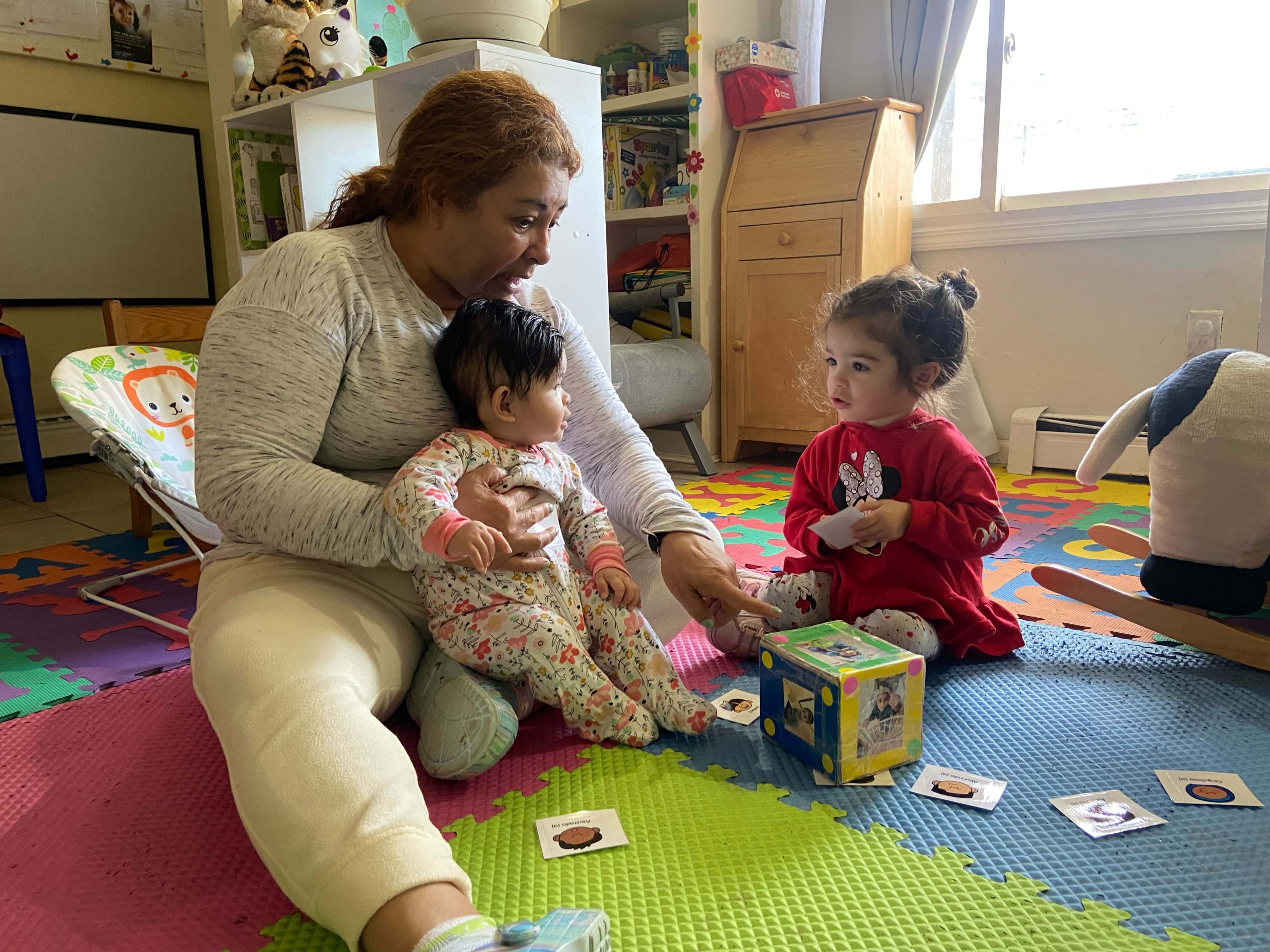
For providers like Kelsey Andersen, director of Bluff’s Little Thinkers in western Iowa, the financial strain is constant. Her center serves 72 children across five classrooms, and while she strives to provide for her staff, the budgetary reality is unforgiving. When the center’s funds are exhausted, the responsibility falls on the teachers.
"We’ve been reaching into our pockets to create quality learning environments for decades," Andersen said. "We’ve been doing educator work. We’ve been buying educator supplies, and we’ve been supporting children’s learning just the same as K-12. There doesn’t need to be this huge distinction."
The financial burden is particularly heavy for home-based child care providers, who often report spending nearly $300 annually in unreimbursed expenses. For those earning less than $35,000 per year, an expenditure of $200 on classroom materials represents a significant slice of their annual income—a cost that, until now, was essentially a "tax" on their dedication to child development.
A Legislative Milestone: The SEED Act
The path to this deduction was unconventional. The SEED Act was introduced as part of the broader Lindsey O. Graham Sanctioning Russia and Iran Act of 2026. While the primary focus of the larger bill dealt with international policy, the inclusion of the SEED provision represents a bipartisan recognition of the child care crisis in America.
Defining Eligibility
The law provides a clear framework for who qualifies for this tax relief. To be eligible, an educator must:
- Work at a facility that provides care for more than two children under the age of 6 (excluding children residing in the home).
- Operate in a facility that receives fees or is supported by public funding (such as Head Start programs).
For the 2026 tax year, the deduction allows educators to write off up to $350 in out-of-pocket expenses. While this amount may not be life-changing for most, it provides a crucial mechanism for tax relief for a workforce that has historically been excluded from federal education support.
Why the Exclusion Was Unjust
The historical exclusion of early childhood educators from the educator expense deduction highlights a systemic bias in how society values education. For years, the federal tax code treated K-12 educators as professionals worthy of reimbursement for their out-of-pocket investments, while treating early childhood educators as peripheral, despite their foundational role in brain development.
Walter Gilliam, executive director of the Buffett Early Childhood Institute, has been a vocal critic of this disparity. "If we’re going to pay them that terribly, the least we can do is not tax them on their terrible pay," Gilliam remarked.
His sentiment echoes a growing consensus among policy experts: that the “child care problem” is, at its core, a compensation problem. By failing to provide adequate salaries or benefits, the current model relies on the altruism of its workforce. The SEED Act is a small but necessary step toward formalizing the status of these professionals as educators, rather than mere custodians.
The Political Landscape: Child Care as a Campaign Issue
The passage of the SEED Act has caught the attention of policy analysts, who see it as a barometer for how lawmakers are prioritizing family issues ahead of upcoming elections. Sarah Rittling, executive director of the nonprofit First Five Years Fund, suggests that the legislative momentum is no accident.
"That they’re willing to move standalone bills, that child care is on top of lawmakers’ minds going into the election, is telling," Rittling said.
The political calculus is shifting. As the cost of child care continues to rise for families, the strain on providers has become a mainstream political issue. Legislators are realizing that the lack of affordable, quality care is a primary driver of workforce participation issues and economic instability.

Other pending legislation further illustrates this trend:
- Immigration Protections: Proposals to prohibit immigration enforcement activities at child care facilities aim to ensure that children of all backgrounds have stable access to early learning.
- Expanded Hours: Bills designed to provide federal funding for centers that serve parents working non-traditional, night, or weekend shifts are gaining traction, acknowledging the reality of the modern gig economy.
Looking Ahead: Is This Enough?
While the $350 deduction is a victory, experts warn that it is only a drop in the bucket compared to the structural changes required to stabilize the early childhood sector.
For teachers like Julia Zamora, who operates a home-based program in Bridgeport, Connecticut, the benefit is welcome, but it does not address the fundamental issue of low wages. Providing tax relief is a way to stop "taxing the poor," but it does not create the professional salary structure needed to attract and retain high-quality talent in the long term.
Furthermore, the administrative hurdle of tax deductions requires that educators have the financial capacity to spend the money upfront and the record-keeping skills to track those expenses. For many, the hurdle remains the initial cost, not the final tax treatment.
However, the cultural impact of the legislation should not be underestimated. By legally defining the work performed in a home-based preschool or a Head Start program as "educator work," the federal government is beginning to dismantle the long-standing, arbitrary wall between early childhood and K-12 education.
The Path Toward Professionalization
To truly support this workforce, advocates argue that future policy must move beyond tax tweaks toward:
- Direct Compensation Supplements: Increasing public funding to raise base hourly wages.
- Professional Development Grants: Providing funding for training that doesn’t come out of the teacher’s pocket.
- Comprehensive Benefits: Ensuring that early educators have access to the same health and retirement benefits as their K-12 colleagues.
Conclusion
The SEED Act serves as a foundational recognition of the essential, albeit undervalued, labor performed by those who shape the earliest years of a child’s life. While the tax deduction is a modest financial benefit, its true value lies in the message it sends to the nation: that the person holding a toddler’s hand in a classroom is an educator, deserving of the same professional respect and fiscal consideration as a high school physics teacher.
As the nation moves forward, the success of this policy will depend on its implementation and whether it serves as a gateway to more substantial reform. For now, thousands of educators across the country can take comfort in knowing that their out-of-pocket sacrifices are finally being acknowledged by the tax code, a small but significant step toward a more equitable education system.


 Sagoh
Sagoh
 Jia Lissa
 Laily UPN
 Iffa Jayyana
 Rifan Muazin
 Suro Senen
 Lina Hope
 Lina Irawan