
 Asep Darmawan
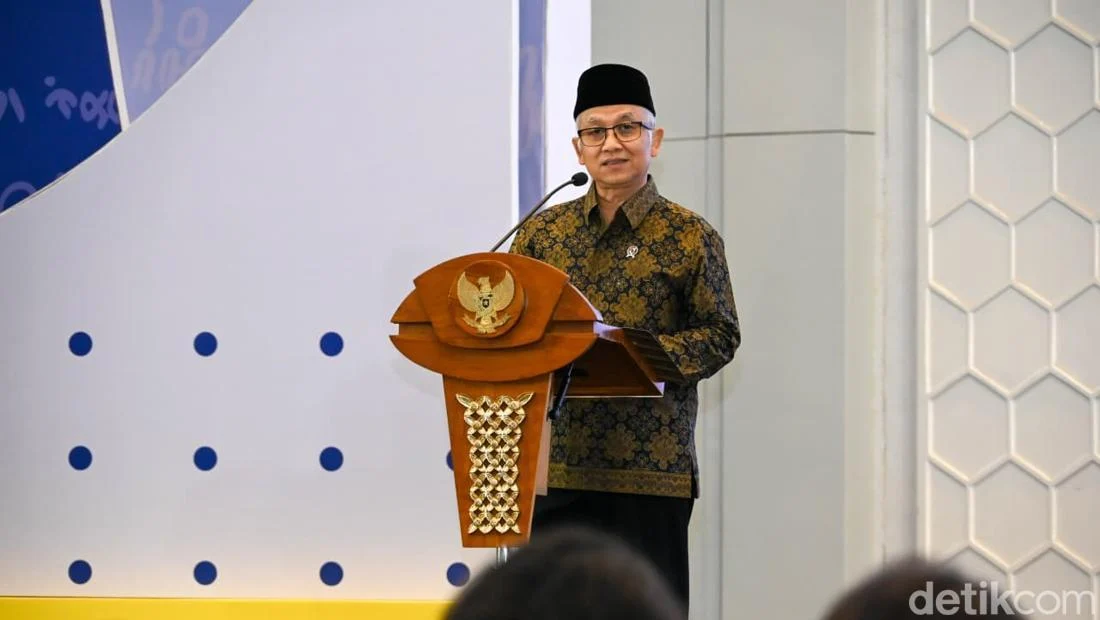
Jakarta, Indonesia – The Indonesian educational landscape is on the cusp of a transformative change as the nation grapples with the comprehensive revision of its National Education System Law (RUU Sisdiknas). In a pivotal call to action, Deputy Minister of Primary and Secondary Education, Atip Latipulhayat, has underscored the imperative for robust and "meaningful participation" from Education Councils across the archipelago, emphasizing their critical role in shaping the future of national education governance.
The ongoing discourse surrounding the RUU Sisdiknas is not merely a legislative exercise but a profound opportunity to recalibrate and optimize the entire educational framework of Indonesia. As the government seeks to consolidate three foundational laws into a singular, cohesive regulatory instrument, the active involvement of community stakeholders, particularly Education Councils, is deemed non-negotiable for the legitimacy and efficacy of the impending legislation.
A New Era for Indonesian Education: Consolidating Laws for a Unified Vision
The current revision aims to merge the existing Undang-Undang (Law) on the National Education System (Law No. 20/2003), the Undang-Undang on Teachers and Lecturers (Law No. 14/2005), and the Undang-Undang on Higher Education (Law No. 12/2012). This ambitious consolidation is driven by the recognition that a fragmented legal framework has, at times, led to inconsistencies, overlaps, and gaps in policy implementation, hindering the holistic development of the education sector. By integrating these crucial legal pillars, the government envisions a more streamlined, comprehensive, and adaptive regulatory environment capable of addressing the complex demands of 21st-century education.
Deputy Minister Atip Latipulhayat, in an official statement on Thursday, October 15, 2026, articulated the profound significance of broad societal engagement. "One of the most important aspects, indeed a prerequisite for this law to truly be sound, is the widespread participation of society, which naturally includes Education Councils," he stated. "This strengthens what we refer to as ‘meaningful participation.’ Here, ‘meaningful’ must be understood as substantive contributions, not merely perfunctory gestures."
This emphasis on substantive input highlights a commitment to democratic policymaking, ensuring that the revised law genuinely reflects the diverse needs and aspirations of all stakeholders – from students and parents to educators and local communities. The Deputy Minister stressed that such participation is crucial for ensuring that the policies formulated are relevant, implementable, and capable of effectively responding to the myriad challenges confronting the nation’s educational system.
Chronology of Reform: A Journey Towards Integrated Education Governance
The journey towards the RUU Sisdiknas has been a protracted one, reflecting the inherent complexities of reforming a system as vast and diverse as Indonesia’s. The original National Education System Law (Law No. 20/2003) served as the bedrock of educational policy for over two decades, establishing the fundamental principles, structures, and objectives of education from early childhood to higher learning. However, the rapid pace of societal, economic, and technological change soon necessitated more specialized legislation.
This led to the promulgation of Law No. 14/2005 on Teachers and Lecturers, which aimed to professionalize the teaching profession, enhance welfare, and establish clear standards for educator competency. Subsequently, Law No. 12/2012 on Higher Education was introduced to address the unique demands of tertiary education, focusing on academic autonomy, research, innovation, and global competitiveness.
While these individual laws addressed specific facets of the education system, their independent evolution sometimes created silos and coordination challenges. For instance, policies related to teacher qualifications in higher education might not perfectly align with those for primary and secondary school teachers, or funding mechanisms might differ across levels without a unified strategic vision. The idea of merging these laws began to gain traction in recent years as policymakers sought a more holistic approach to educational governance, recognizing that the strength of the system lies in its interconnectedness.
The current revision effort, spearheaded by the Ministry of Education, Culture, Research, and Technology, gained momentum with extensive preliminary studies and public consultations. The call by Deputy Minister Atip Latipulhayat on October 15, 2026, marks a crucial phase in this process, signaling the transition from conceptualization to detailed legislative drafting and broad public engagement. This moment represents a critical juncture where theoretical frameworks must be grounded in practical realities, necessitating the active input of those on the front lines of education.
Supporting Data: The Landscape of Challenges in Indonesian Education
Indonesia, as the world’s fourth most populous nation and a sprawling archipelago, faces unique and multifaceted challenges in its education sector. The need for a comprehensive legal framework is underscored by persistent issues that demand systemic solutions:
-
Teacher Welfare and Professional Development: With over 3 million teachers across the country, ensuring equitable welfare, professional growth, and clear career pathways remains a significant hurdle. Many teachers, particularly in remote areas, grapple with inadequate salaries, lack of access to continuous professional development, and uncertain employment status. Data from various educational reports often highlight disparities in teacher quality and distribution, with urban areas generally benefiting from better-qualified educators. The current legal fragmentation can complicate the unified implementation of policies aimed at improving teacher competency and welfare across all educational levels.
-
Education Funding and Equity: While the Indonesian constitution mandates a minimum of 20% of the state budget for education, challenges persist in the equitable distribution and effective utilization of these funds. Disparities in educational infrastructure, resources, and quality between urban and rural, affluent and impoverished regions are stark. Many remote schools lack basic facilities like reliable electricity, internet access, and adequate learning materials. A unified Sisdiknas law is expected to provide a clearer framework for resource allocation, potentially fostering greater equity and accountability in educational spending.
-
Curriculum Relevance and 21st-Century Skills: The rapid evolution of the global economy and technological advancements necessitates a curriculum that equips students with critical thinking, creativity, collaboration, and communication skills, alongside digital literacy. The rise of Artificial Intelligence (AI) mentioned by the Deputy Minister poses both challenges and opportunities, demanding a flexible and forward-looking curriculum that prepares students for future job markets and societal changes. Integrating these aspects into a cohesive legal framework is vital to ensure that Indonesian education remains globally competitive and relevant.
-
Governance and Decentralization: Indonesia’s decentralized governance structure, while empowering local authorities, also presents challenges in maintaining national educational standards and ensuring consistency across diverse regions. The role of provincial and regency/city governments in managing education often varies, leading to inconsistencies in policy implementation and quality. The RUU Sisdiknas aims to strike a balance between national standards and local autonomy, providing a clear delineation of responsibilities while fostering a unified national vision.
-
Quality Assurance and Accreditation: Ensuring consistent quality across all educational institutions, from primary schools to universities, requires robust quality assurance mechanisms. The current system, operating under different laws, can sometimes lead to disparate accreditation processes and standards. A consolidated law could streamline these processes, promoting a more coherent and rigorous approach to quality assurance throughout the entire education system.
These multifaceted challenges underscore the critical need for a well-thought-out, inclusive, and adaptive RUU Sisdiknas. The success of this legislative endeavor will hinge on its ability to address these systemic issues comprehensively, moving beyond superficial fixes to fundamental reforms.
Official Responses: Voices from the Frontlines of Education
The call for "meaningful participation" has resonated strongly with education stakeholders, particularly the Education Councils, whose statutory duty is to enhance the quality of educational services at the local level. These councils, comprising representatives from various community groups, educators, parents, and local experts, serve as crucial bridges between the public and the policymakers.
Nanang Sofyan Hambali, Chairman of the Garut Regency Education Council, articulated the vital role of local councils in ensuring the relevance of the new law. "The presence of Education Councils at the regency and city levels is essential to ensure that the resulting regulations truly accommodate the interests of the educational world," Nanang asserted. He emphasized that councils should not remain passive but actively contribute to the legislative process. "Education Councils in regencies/cities must not be silent; they must participate, contribute to ensure that the RUU drafted by the DPR (House of Representatives) genuinely produces a law that serves the real interests of the education sector," he urged, highlighting the need for local perspectives to be embedded in national policy.
This sentiment was echoed by Joko Riyanto, Chairman of the Forum of Regency/City Education Councils throughout Indonesia. Riyanto expressed a fervent hope that the existence of Education Councils, both at the provincial and regency/city levels, would be explicitly accommodated within the RUU Sisdiknas. "Our hope is that the RUU will continue to include both provincial and regency/city Education Councils, because these councils are platforms for sincere individuals dedicated to the advancement of education across Indonesia," Joko stated. His remarks underscore the deep commitment and invaluable grassroots knowledge that these councils bring to the table, advocating for their continued institutional recognition and empowerment within the new legal framework.
Beyond the Education Councils, other stakeholders are also closely watching the developments. Teacher unions, for instance, are keen to see how the revised law will address issues of teacher certification, professional development funding, and job security, particularly for contract teachers. Parent associations are advocating for provisions that ensure quality education, safe learning environments, and avenues for parental involvement in school governance. Student organizations are calling for a curriculum that fosters critical thinking, creativity, and prepares them for future challenges, including the ethical implications and opportunities presented by AI. These diverse voices collectively underscore the imperative for a participatory and transparent legislative process.
Implications: Shaping the Future of Indonesian Education
The successful revision and implementation of the RUU Sisdiknas will carry profound implications for the trajectory of Indonesian education for decades to come.
For Students: The new law has the potential to usher in an era of more equitable access to quality education, a more relevant curriculum tailored to future demands, and learning environments that foster innovation and critical thinking. By addressing disparities in resources and teacher quality, it could level the playing field for students across the archipelago, regardless of their socio-economic background or geographical location.
For Educators: The integrated law promises clearer guidelines for teacher welfare, professional development, and career progression. A unified framework could standardize certification processes, ensure consistent training opportunities, and provide greater job security, thereby enhancing the professionalism and motivation of teachers and lecturers. The focus on competency enhancement, particularly in areas like digital literacy and AI integration, will be crucial for empowering educators to meet evolving pedagogical demands.
For Institutions: Educational institutions, from kindergartens to universities, stand to benefit from a more coherent regulatory environment. Clearer governance structures, streamlined quality assurance processes, and potentially more efficient resource allocation mechanisms could enable institutions to focus more on their core mission of teaching, research, and community service. For higher education, the integration might foster greater collaboration between institutions and industries, driving innovation and research relevant to national development.
For Regional Governments and Communities: The RUU Sisdiknas will redefine the roles and responsibilities of provincial and regency/city governments in educational governance. By explicitly accommodating Education Councils, the law can empower local communities to have a stronger voice in shaping local educational policies, ensuring that national directives are adapted to local contexts and needs. This decentralization of participation, coupled with national oversight, could foster a more responsive and accountable education system.
Challenges in Implementation: Despite the optimistic outlook, the implementation of such a sweeping legislative reform will not be without its challenges. These include:
- Ensuring Buy-in from All Levels: Translating the spirit of the new law into consistent practice across thousands of diverse educational institutions and local governments will require sustained political will, clear communication, and extensive capacity building.
- Resource Allocation: While the law may provide a framework for equitable funding, securing and effectively distributing the necessary financial resources will remain a persistent challenge, particularly in a developing economy.
- Resistance to Change: Any significant reform often meets with resistance from various quarters. Managing these transitions, retraining educators, and reorienting administrative practices will require careful planning and sensitive leadership.
- Monitoring and Evaluation: Establishing robust mechanisms for monitoring the implementation of the new law and evaluating its impact will be crucial for course correction and ensuring its long-term effectiveness.
The RUU Sisdiknas represents a pivotal moment in Indonesia’s educational journey. By fostering "meaningful participation" and integrating a fragmented legal landscape, the nation has the opportunity to forge a more robust, equitable, and future-ready education system. The success of this ambitious undertaking will depend not only on the legal text itself but, more importantly, on the collective commitment of all stakeholders to its vision and diligent execution.



 Basiran

 Raul Delapena Setiawan

 Reynand Wu

 Sagoh


 Azzam Bilal Chamdy

 Ali Ikhwan
