
 Lina Hope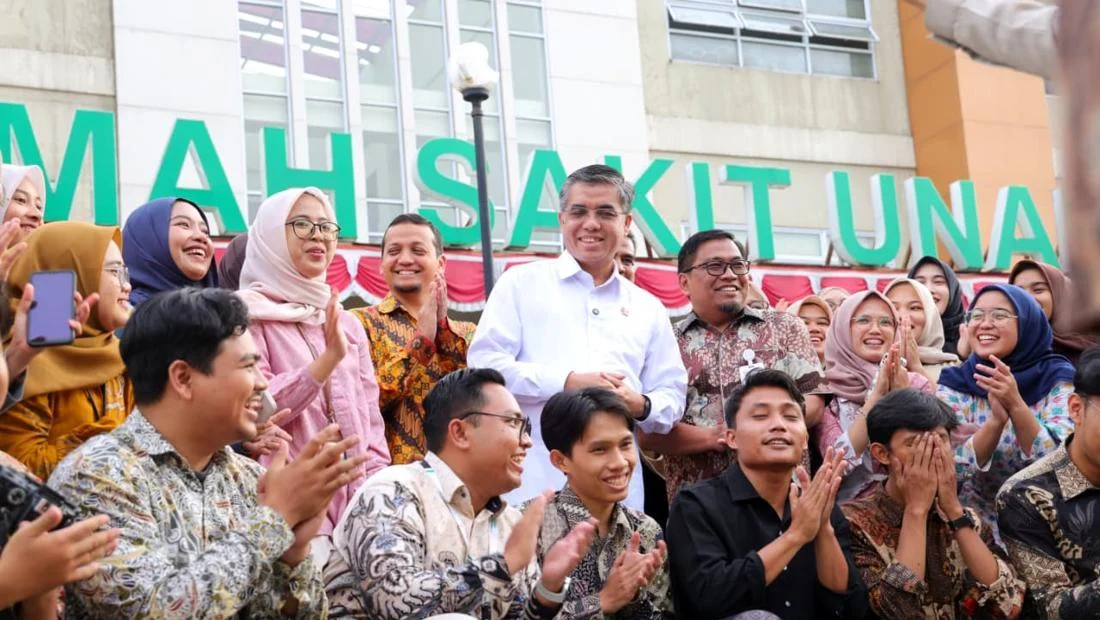
Jakarta, [Date – e.g., May 22, 2026] – The Indonesian Ministry of Manpower (Kemnaker) is setting its sights on a monumental task: enrolling 150,000 participants in the fourth wave of its flagship National Internship Program, known as Magang Nasional. The ambitious proposal for this large-scale initiative has been submitted to President Prabowo Subianto, with crucial budget discussions currently underway at the State Secretariat (Setneg). This program, facilitated through the "MagangHub" platform, is a pivotal component of the government’s broader strategy to enhance human capital development and address the persistent challenge of youth unemployment and skill mismatches in the nation’s burgeoning workforce.
Secretary General of Kemnaker, Cris Kustandi, confirmed the ongoing budgetary review, expressing optimism that the program could commence operations as early as July 2026. "For this year, we have submitted the proposal to the President, and the financing process is currently with the State Secretariat. We are targeting 150,000 participants, and we hope it can proceed smoothly, with the process ideally beginning by July," Kustandi stated, as quoted by Antara on Wednesday, May 20, 2026. The substantial increase in target participants underscores the government’s heightened commitment to empowering the youth and ensuring a skilled, job-ready talent pool for the future.
Charting the Course: The National Internship Program’s Evolution
The National Internship Program, or Magang Nasional, is not a nascent initiative but rather a continually refined effort by the Indonesian government to tackle critical challenges within its labor market. Its inception was driven by a clear recognition of two primary issues: a significant youth unemployment rate and a discernible "skill gap" where the competencies of fresh graduates often do not align with the demands of modern industries. Over the years, the program has evolved, adapting its scope and methodology to maximize impact and reach.
Addressing the Skill-Employment Disconnect
Indonesia’s rapidly expanding economy requires a dynamic and adaptable workforce. However, a common predicament for many university graduates is the lack of practical work experience and industry-specific skills, making the transition from academia to professional life daunting. Magang Nasional was conceived as a strategic bridge, offering structured opportunities for practical learning and professional development. By integrating classroom knowledge with real-world application, the program aims to equip participants with the tangible skills and professional etiquette necessary to thrive in competitive job markets.
The MagangHub platform, which serves as the digital nexus for the internship program, is part of a comprehensive ecosystem designed by Kemnaker. This ecosystem also includes "Skill Hub" and "Career Hub." Cris Kustandi elaborated on this integrated approach, explaining that through this tripartite system, university students and graduates gain access to a continuum of services: specialized training modules via Skill Hub, diverse internship opportunities through MagangHub, and valuable job market information and placement assistance via Career Hub. This holistic approach ensures that participants are not merely placed in internships but are also provided with preparatory training and post-internship career support, enhancing their overall employability.
Previous iterations of the Magang Nasional program have consistently demonstrated its value. While specific participant numbers for earlier batches were not detailed in the latest announcement, the program has historically sought to absorb thousands of young Indonesians into various sectors, providing them with invaluable exposure. Lessons learned from these earlier batches, including feedback from both interns and host institutions, have informed the current program design, aiming for greater efficiency, broader sectoral reach, and enhanced participant outcomes. The consistent demand for the program, reflected in the increasing target numbers, highlights its perceived effectiveness and the critical need it addresses within the Indonesian workforce landscape.
Deep Dive into Supporting Data: Rationale and Impact
The decision to launch Magang Nasional Batch 4 with an ambitious target of 150,000 participants is underpinned by robust data and a clear understanding of Indonesia’s demographic and economic imperatives. The program directly addresses several key national development objectives, particularly in human capital enhancement and economic stability.
The Landscape of Youth Unemployment and Skill Gaps
Indonesia, with its large youth population, faces the dual challenge of providing adequate employment opportunities and ensuring that its young workforce possesses the requisite skills for a rapidly evolving economy. Reports from the Central Statistics Agency (BPS) and various labor market analyses consistently highlight that youth unemployment rates, particularly among recent graduates, tend to be higher than the national average. This is often attributed to a significant mismatch between the theoretical knowledge gained in educational institutions and the practical, job-specific skills demanded by industries. Many employers report difficulties in finding candidates with the right blend of technical expertise, soft skills, and practical experience. The Magang Nasional program is a direct intervention designed to mitigate this disconnect.
Economic Contribution and National Development
Internship programs like Magang Nasional contribute significantly to the national economy in multiple ways. Firstly, by transforming unemployed or underemployed youth into productive contributors, even temporarily, the program boosts overall economic output. Participants gain experience that makes them more valuable in the long term, leading to higher productivity and innovation in their future roles. Secondly, the stipends provided to interns, which are increasing in line with the Minimum Wage, inject purchasing power into local economies. This supports small businesses and contributes to regional economic activity, especially in areas where participants are placed.
Moreover, the program serves as a critical talent pipeline for both the public and private sectors. Companies and government agencies often struggle with recruitment and talent acquisition. By hosting interns, they can identify, nurture, and potentially onboard future employees who are already familiar with their organizational culture and operational demands. This reduces recruitment costs and onboarding time, leading to greater efficiency for host institutions.
Mutual Benefits for Stakeholders
The Magang Nasional program is designed as a win-win-win scenario for all involved parties:
- For Participants: Interns gain invaluable practical experience, acquire new skills (both technical and soft skills like teamwork, communication, and problem-solving), build professional networks, and receive official competency certificates upon completion. This significantly enhances their curriculum vitae and improves their chances of securing permanent employment. The stipend also provides financial support during their learning phase.
- For Host Institutions (Companies, Ministries, Agencies): They benefit from an influx of motivated, often tech-savvy individuals who can contribute to daily operations, special projects, and innovative initiatives. It allows them to assess potential future hires without the immediate commitment of full-time employment. Furthermore, participating in such national programs often enhances their corporate social responsibility (CSR) profile and strengthens their public image as organizations committed to youth development. Cris Kustandi emphasized this, noting, "From companies, they feel greatly assisted; from ministries, they are also helped because their work needs are covered, and participants gain expertise and competency certificates."
- For the Government: The program is a tangible demonstration of the government’s commitment to youth empowerment and human resource development. By actively reducing youth unemployment and improving workforce skills, the government fosters social stability, boosts economic competitiveness, and supports its long-term vision for a prosperous and advanced Indonesia.
The cross-sectoral nature of the program, encompassing government bodies, various ministries, state institutions, and a wide array of private companies, ensures diverse opportunities and caters to a broad spectrum of academic backgrounds and career aspirations. This breadth also maximizes the program’s reach and impact across different industries and geographical regions of Indonesia.
Official Responses and Policy Context
The proposed fourth batch of the National Internship Program is not just a logistical undertaking; it is a clear reflection of the Indonesian government’s strategic priorities under President Prabowo Subianto’s administration, particularly concerning youth empowerment and economic resilience. Official statements from key figures underscore the program’s significance.
Secretary General Cris Kustandi’s Vision
Cris Kustandi’s comments provide insight into the immediate operational aspects and the underlying philosophy of the program. His emphasis on the ongoing budget discussions at the State Secretariat highlights the high-level commitment required to fund such a large-scale initiative, signaling that it is a priority for the central government. The target of 150,000 participants is not merely an arbitrary number but reflects a calculated effort to make a substantial dent in the skill gap and youth unemployment figures. Kustandi’s optimism about a July start date indicates the urgency and resolve within Kemnaker to roll out the program swiftly and efficiently.
He also reiterated the program’s comprehensive nature, stating, "All fields. So, government will also be open, ministries, state institutions, then companies as well." This commitment to a cross-sectoral approach ensures that the program can cater to a diverse range of educational backgrounds and career aspirations, from public administration to technology, manufacturing, and services. The flexibility of placement across various sectors is crucial for maximizing participant absorption and aligning internships with market demands.
Minister Yassierli’s Endorsement of Participant Welfare
Minister of Manpower, Yassierli, has consistently advocated for the welfare of program participants, particularly regarding the financial support they receive. His recent visit to MagangHub participants at RS Universitas Andalas (RS Unand) in Padang, West Sumatra, on Thursday, February 12, 2026, underscored the importance of the stipend. "Utilize it as best as possible, yes. Save, give to parents, or for other beneficial things," Minister Yassierli advised the interns. This personal touch highlights the government’s recognition that while skill development is paramount, providing adequate living support is essential for participants to fully commit to their internships without undue financial burden.
The announcement that the stipend for Magang Nasional 2026 participants will increase in line with the 2026 Minimum Wage (UM) is a significant policy decision. This adjustment ensures that the financial support remains relevant and adequate, reflecting the rising cost of living and making the program more attractive and accessible, especially for those from less privileged backgrounds. While the specific list of the latest provincial minimum wages (UMP) for 2026 is yet to be officially published, this commitment signals a proactive approach to participant welfare.
President Prabowo Subianto’s Broader Agenda
While President Prabowo Subianto’s direct comments on this specific batch were not detailed in the original report, Kemnaker’s act of proposing the program directly to him underscores its alignment with his broader national agenda. President Prabowo’s administration is expected to prioritize human capital development, job creation, and economic growth. Initiatives like Magang Nasional are integral to these goals, serving as practical mechanisms to strengthen the workforce, foster innovation, and ensure that Indonesia’s demographic dividend translates into sustained economic prosperity. The President’s support for such programs is crucial for their scale and national impact, symbolizing a top-down commitment to investing in the nation’s youth.
Selection Process and Requirements
The integrity and effectiveness of any large-scale program hinge on a clear and fair selection process. Cris Kustandi confirmed that the screening process for Magang Nasional 2026 will largely mirror previous batches, focusing on a needs-based approach.
Needs-Based Matching
The selection process is fundamentally driven by the requirements of the partner institutions and companies. "The screening remains as before. Companies open vacancies, ministries open their needs, then participants register according to the available choices," Kustandi explained. This model ensures that interns are placed in roles where their skills can be best utilized and where there is a genuine need for their contributions. Host organizations determine the specific fields and geographical locations for their intern placements, allowing for tailored matches between participant profiles and organizational demands. This demand-driven approach aims to maximize the relevance of the internship experience and the potential for post-internship absorption.
General Requirements (Based on Previous Batches and Common Practice):
While the original article did not detail the specific requirements for Magang Nasional Batch 4, based on previous iterations and common practices for national internship programs, prospective participants can generally anticipate the following criteria:
- Educational Background: Typically open to university students (often in their final years) or recent graduates from various disciplines. Some positions might specify particular majors or fields of study.
- Age: Usually falls within a certain age bracket, often targeting young adults (e.g., 18-30 years old) who are entering or early in their careers.
- Academic Standing: A minimum GPA or academic performance might be required for certain competitive placements.
- Citizenship: Applicants must be Indonesian citizens.
- Availability: Must be available to commit full-time or part-time (as specified by the program) for the duration of the internship.
- Motivation and Skills: Applicants are generally expected to demonstrate strong motivation, a willingness to learn, and basic foundational skills relevant to the chosen field. Online assessments, interviews, and resume reviews are common selection tools.
- Residency: While not always a strict requirement, some placements might prioritize candidates residing in or willing to relocate to the region of the host institution.
The application process typically involves registering on the MagangHub platform, submitting personal details, academic records, and potentially a motivational letter or essay, followed by a selection process orchestrated by the host companies or institutions. The ultimate goal of this rigorous selection is to ensure that participants are well-matched to their roles, leading to a productive and enriching experience for both the intern and the host organization.
Implications and Future Outlook
The launch of Magang Nasional Batch 4 with an unprecedented target of 150,000 participants carries significant implications for Indonesia’s labor market, human capital development, and overall economic trajectory. It signals a robust commitment from the government to not only address immediate unemployment challenges but also to cultivate a future-ready workforce.
Impact on the National Job Market
This large-scale internship program is expected to have a tangible impact on the national job market, particularly for young graduates. By providing 150,000 individuals with practical work experience and certified skills, the program directly enhances their employability. A higher percentage of job-ready graduates can lead to a reduction in structural unemployment and a more dynamic labor force. Moreover, the program fosters a culture of continuous learning and professional development, which is crucial in an era of rapid technological change and evolving industry demands. The hope is that participants will be "more ready to face the needs of the national labor market after following the program."
Long-term Vision for Human Resource Development
Magang Nasional is more than just an internship program; it is an integral part of Kemnaker’s broader, long-term strategy for human resource development. This strategy includes strengthening vocational education, promoting lifelong learning, and fostering a robust ecosystem for skill development and career progression. The integration of MagangHub with Skill Hub and Career Hub exemplifies this holistic vision, aiming to provide a seamless pathway from learning to earning. The government envisions a future where Indonesian youth are not only employed but are also equipped with the adaptive skills required to contribute meaningfully to the nation’s economic diversification and global competitiveness.
Potential Challenges and Considerations
While the program’s ambition is commendable, its scale also presents several challenges that will require careful management:
- Quality Control and Standardization: Ensuring a high-quality, meaningful internship experience for all 150,000 participants across diverse sectors and locations can be challenging. This requires standardized guidelines for host institutions, robust monitoring mechanisms, and effective feedback loops.
- Budgetary Execution: The timely allocation and disbursement of funds for such a large program, including participant stipends and administrative costs, will be critical. Any delays could jeopardize the program’s schedule and impact participant welfare.
- Equitable Access and Regional Distribution: Ensuring that opportunities are equitably distributed across various regions of Indonesia, including remote areas, and are accessible to diverse socio-economic backgrounds, will be important for inclusive development.
- Monitoring and Evaluation: Establishing robust systems for tracking participant progress, post-internship employment rates, and the long-term impact on career trajectories is crucial for assessing the program’s effectiveness and informing future iterations.
- Host Institution Capacity: While companies and ministries benefit, there is a need to ensure that host institutions have the capacity and commitment to provide adequate mentorship, supervision, and learning opportunities for such a large influx of interns.
Recommendations for Future Enhancements:
To further strengthen the Magang Nasional program, several enhancements could be considered:
- Enhanced Collaboration with Academia: Deeper integration with universities and vocational schools to align curricula with industry needs and to streamline the identification and preparation of potential interns.
- Focus on Emerging Industries: Prioritizing placements and skill development in high-growth sectors such as digital technology, green economy, and advanced manufacturing to future-proof the workforce.
- Leveraging Technology: Utilizing AI and data analytics for more precise matching of interns to opportunities, and for real-time monitoring of program progress and participant feedback.
- Mentorship and Alumni Networks: Developing structured mentorship programs and fostering strong alumni networks to provide ongoing support and career guidance to past and present participants.
- Diversity and Inclusion: Implementing targeted initiatives to ensure participation from underrepresented groups, including individuals with disabilities and those from marginalized communities.
In conclusion, Indonesia’s Magang Nasional Batch 4 represents a significant stride in the nation’s human capital development journey. By targeting 150,000 participants, Kemnaker, under the leadership of President Prabowo Subianto, is making a bold statement about its commitment to empowering youth, bridging skill gaps, and fostering a resilient and prosperous future for the country. The success of this ambitious endeavor will hinge on effective execution, continuous evaluation, and the collaborative spirit of all stakeholders involved.


 Asep Darmawan
 Basiran
 Raul Delapena Setiawan
 Reynand Wu
 Sagoh
Sagoh

 Azzam Bilal Chamdy
 Ali Ikhwan