
 Basiran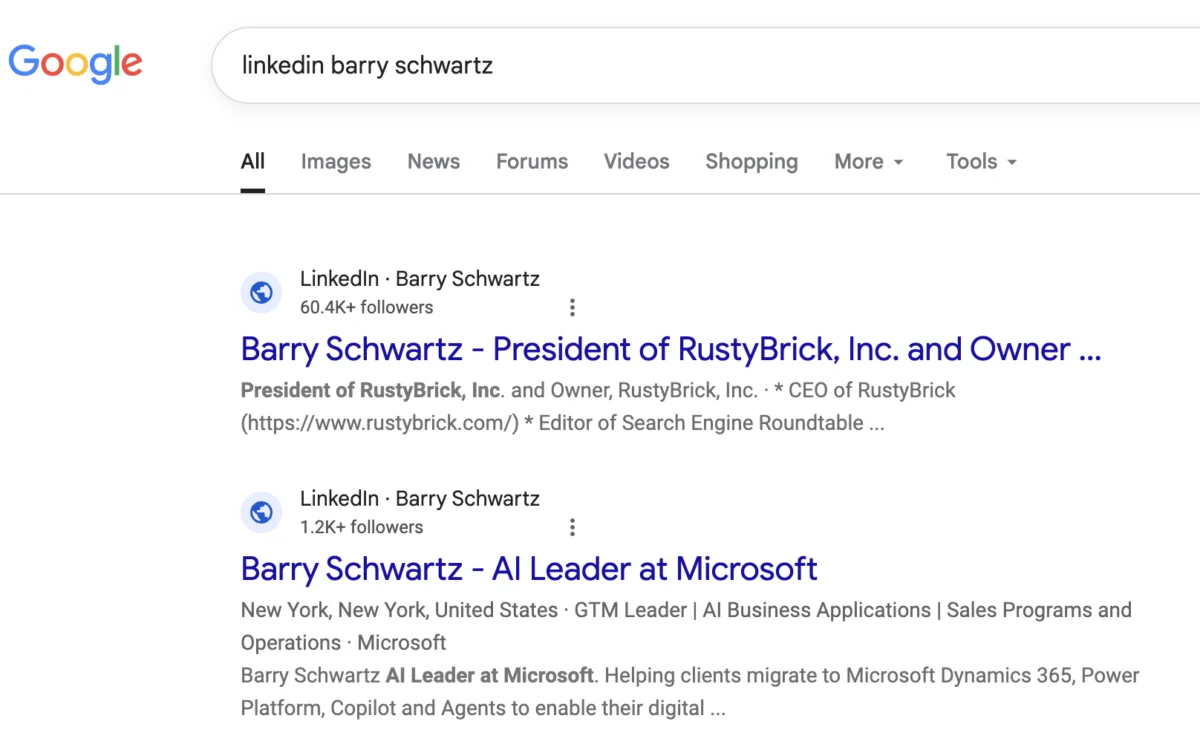
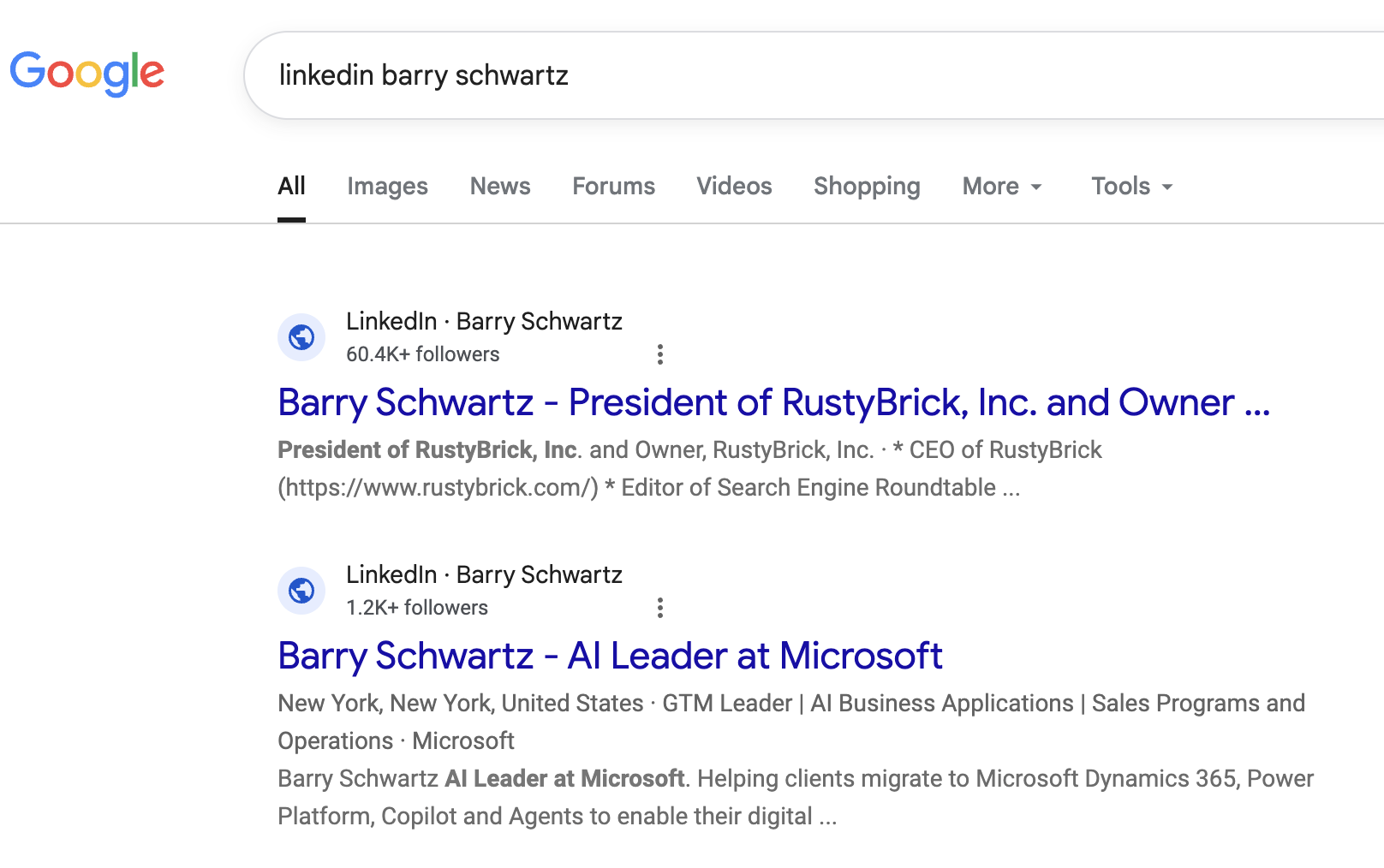
For many digital marketers and website owners, the visual identity of a brand in search results is more than just an aesthetic choice—it is a critical component of user trust and click-through rate (CTR) optimization. This week, that visual consistency was disrupted as Google Search began suffering from a technical glitch that caused custom website favicons to vanish from search result snippets, leaving them replaced by a generic, default globe icon.
Google has officially acknowledged the issue, confirming that its engineering teams are actively working on a resolution. However, as the bug persists into its second week, the SEO community remains on high alert regarding the potential impact on traffic and brand recognition.
The Technical Glitch: What Went Wrong?
The issue first surfaced earlier this week, manifesting as a widespread failure of Google’s search index to properly retrieve and display the correct favicons associated with specific domains. In a standard, healthy search environment, Google crawls a website’s favicon file and caches it to display alongside the site’s title and URL in the Search Engine Results Pages (SERPs).
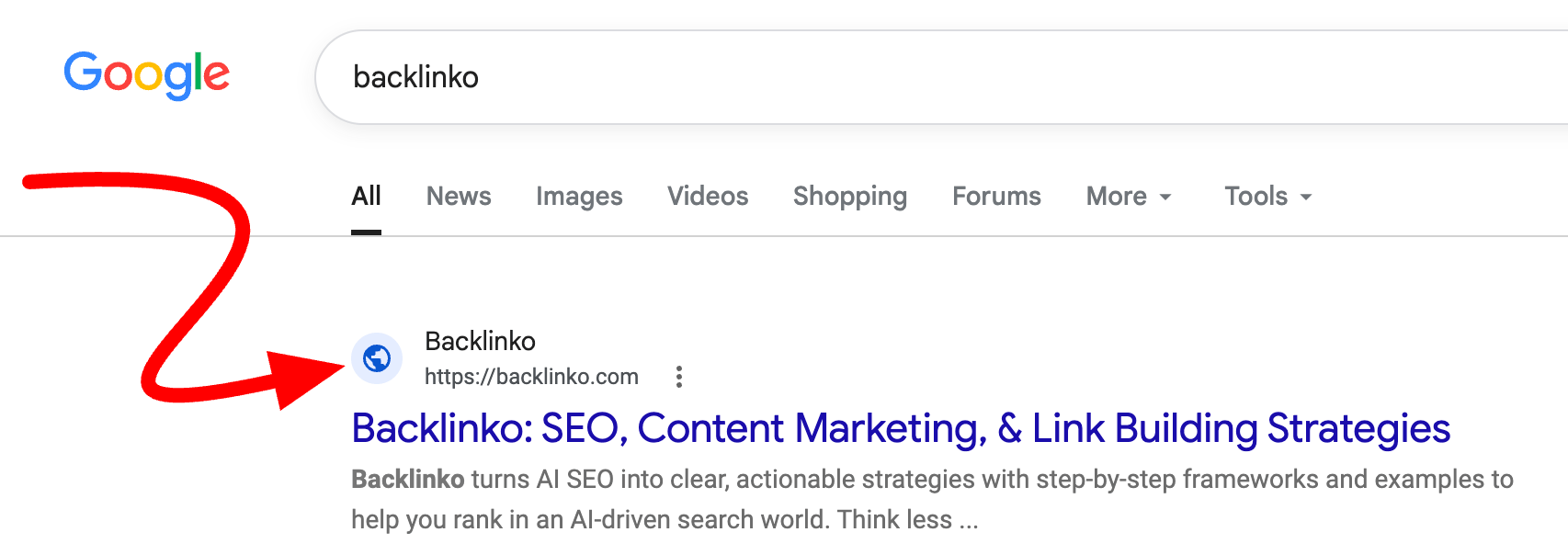
When this process fails, Google’s system defaults to a generic grey-and-white globe icon. This visual placeholder indicates that the search engine is either unable to fetch the asset or is failing to render it within the snippet container.
Observations from across the industry show that the problem is not isolated to specific industries or content management systems. From small personal blogs to massive, high-authority platforms like LinkedIn, the bug has appeared sporadically. While some sites have seen their icons restored as Google’s engineers push background fixes, others remain impacted, highlighting the complex, distributed nature of the search index update process.

Official Confirmation from Google
The silence regarding the issue was broken by Rajan Patel, Google’s Vice President of Engineering for Search. In a statement posted to social media, Patel took accountability for the technical failure, clarifying that the root cause lies within Google’s own infrastructure rather than a widespread failure on the part of webmasters to correctly implement their site’s favicon code.
“It’s an issue on our end,” Patel stated. “We identified the issue and we’re addressing it as quickly as we can. Sorry that this happened.”
While Patel’s confirmation brought relief to many SEO professionals who had spent the early part of the week auditing their own site configurations, the timeline for a full, global resolution remains fluid. The fact that the issue has persisted for nearly a week suggests that the underlying bug may be deeply integrated into the rendering pipeline of Google’s search snippets, requiring a staggered deployment of patches rather than a simple "flip of a switch."
Chronology of the Disappearing Favicons
The timeline of this incident provides insight into how Google handles large-scale indexing errors:
- Early Week: Reports began to spike on platforms like X (formerly Twitter) and industry forums such as the Search Engine Roundtable. Users noted that their site branding had been replaced by the generic globe icon despite no changes being made to their site’s
favicon.icoor<link rel="icon">tags. - Mid-Week: The issue gained traction as more prominent websites reported the same problem. Screenshots began circulating, illustrating the stark difference between a branded search result and the lackluster, non-descript appearance of the default icon.
- Late Week: Rajan Patel issued his statement, confirming that Google had identified the fault and was actively working on a fix.
- Ongoing: By the end of the week, partial recovery was observed. Some sites saw their favicons return, while others, such as LinkedIn, continued to exhibit the default globe. This "patchwork" recovery is typical for Google’s massive, distributed server architecture.
The Importance of Favicons in Search: Why We Care
For digital marketers, the favicon is a critical piece of "SERP real estate." Since Google introduced icons into mobile and desktop search results, the visual environment of the SERP has become increasingly competitive.
1. Brand Recognition and Trust
Users are conditioned to scan search results quickly. A familiar logo or favicon serves as a visual "anchor" that confirms to the user that they are clicking on the intended brand. When that icon is replaced by a generic globe, it can create a split-second of hesitation. In the fast-paced world of search, that hesitation can lead to a loss of trust, particularly if a user is looking for a specific, high-authority site.
2. Impact on Click-Through Rates (CTR)
While there is no public data suggesting that a missing favicon leads to a direct algorithmic penalty in rankings, it undeniably affects user behavior. A result that stands out with a professional, branded icon is statistically more likely to attract attention than one that looks broken or generic. If a site is competing against others that have their icons intact, the "broken" listing may suffer a measurable dip in CTR.
3. Professionalism and Authority
A website without its proper favicon in search looks unmaintained. For businesses, this can inadvertently signal that the site is not currently active or that it is not being managed by a professional team. This perceived lack of attention to detail can be damaging to brand equity.
Implications for Webmasters
The primary takeaway from this incident for webmasters is the importance of "keeping calm and carrying on." When a global issue like this occurs, the instinct is often to scramble—to re-upload favicon files, check server headers, or alter the site’s HTML. However, as Google has confirmed this is a server-side error, any changes made to a site’s existing, correctly implemented favicon code are likely unnecessary.
Webmasters should take this opportunity to perform a "sanity check" on their site’s technical health. Ensure that:

- Your favicon is served in a standard format (PNG or ICO).
- Your
linktags in the<head>of your site follow Google’s documented guidelines. - The favicon file is accessible to Googlebot (not blocked by
robots.txtor server-side firewall settings).
If your site is already compliant with these standards, the best course of action is to wait for the fix to propagate. Over-engineering a response to a Google-side bug can sometimes lead to secondary issues or unnecessary cache clearing that slows down site performance.
The Path Forward: What to Expect Next
As Google continues to roll out its fix, we can expect to see a gradual restoration of favicons across the search ecosystem. The complexity of Google’s index means that the update is not instantaneous; it must move through various data centers and cache layers.
It is worth noting that this is not the first time Google has encountered issues with visual elements in search. As the company continues to integrate AI-generated summaries and more complex visual components into its interface, the probability of minor, localized bugs increases. However, the transparency shown by leadership like Rajan Patel is a positive step toward maintaining the relationship between the search giant and the SEO community.
In the meantime, businesses and site owners should monitor their performance metrics via Google Search Console. While the absence of a favicon is unlikely to cause a massive drop in organic traffic, it is a reminder of how heavily we rely on the stability of Google’s interface.
As of this writing, Google has not provided a specific "time to completion" for the total restoration of all favicons. However, given the pace of the initial fix and the confirmation from leadership, it is highly probable that the issue will be fully resolved within the coming days. For now, site owners are advised to avoid making radical changes to their site architecture and to trust that the search giant is addressing the visual inconsistency.
Conclusion
The "disappearing favicon" bug serves as a poignant reminder of the fragility of the digital landscape. Even for a company as sophisticated as Google, small technical glitches can have a ripple effect that touches millions of websites and impacts billions of search queries.
For the SEO industry, this incident reinforces the importance of vigilance and the necessity of distinguishing between site-specific technical issues and broad, system-wide failures. By relying on official communications from Google and avoiding unnecessary panic-driven changes, marketers can ensure they remain focused on the metrics that truly drive long-term search success. As we wait for the final icons to return to the search results, the episode stands as a testament to the fact that in the world of search, the smallest visual details often carry the most weight.


 Ammar Sabilarrohman
 Sagoh
Sagoh
 Raul Delapena Setiawan
 Reynand Wu


 Azzam Bilal Chamdy
 Ali Ikhwan