Asro
Asro
Somewhere within the depths of your existing email database, a silent sales force is waiting to be activated. These are your superfans—customers who have purchased your product multiple times, left glowing reviews, and would gladly champion your brand to their inner circles. Yet, for many founders, this potential remains entirely untapped.
Most businesses treat their referral programs like a forgotten gym membership: it technically exists, but it hasn’t been touched since January. It’s usually relegated to a stagnant link in a website footer, ignored by both the company and the customer. In a hyper-competitive digital landscape, this is a missed opportunity of massive proportions. When a trusted friend recommends a product, the "selling" is effectively over before the prospect even lands on your site. No ad platform or targeting algorithm can replicate that level of organic trust.
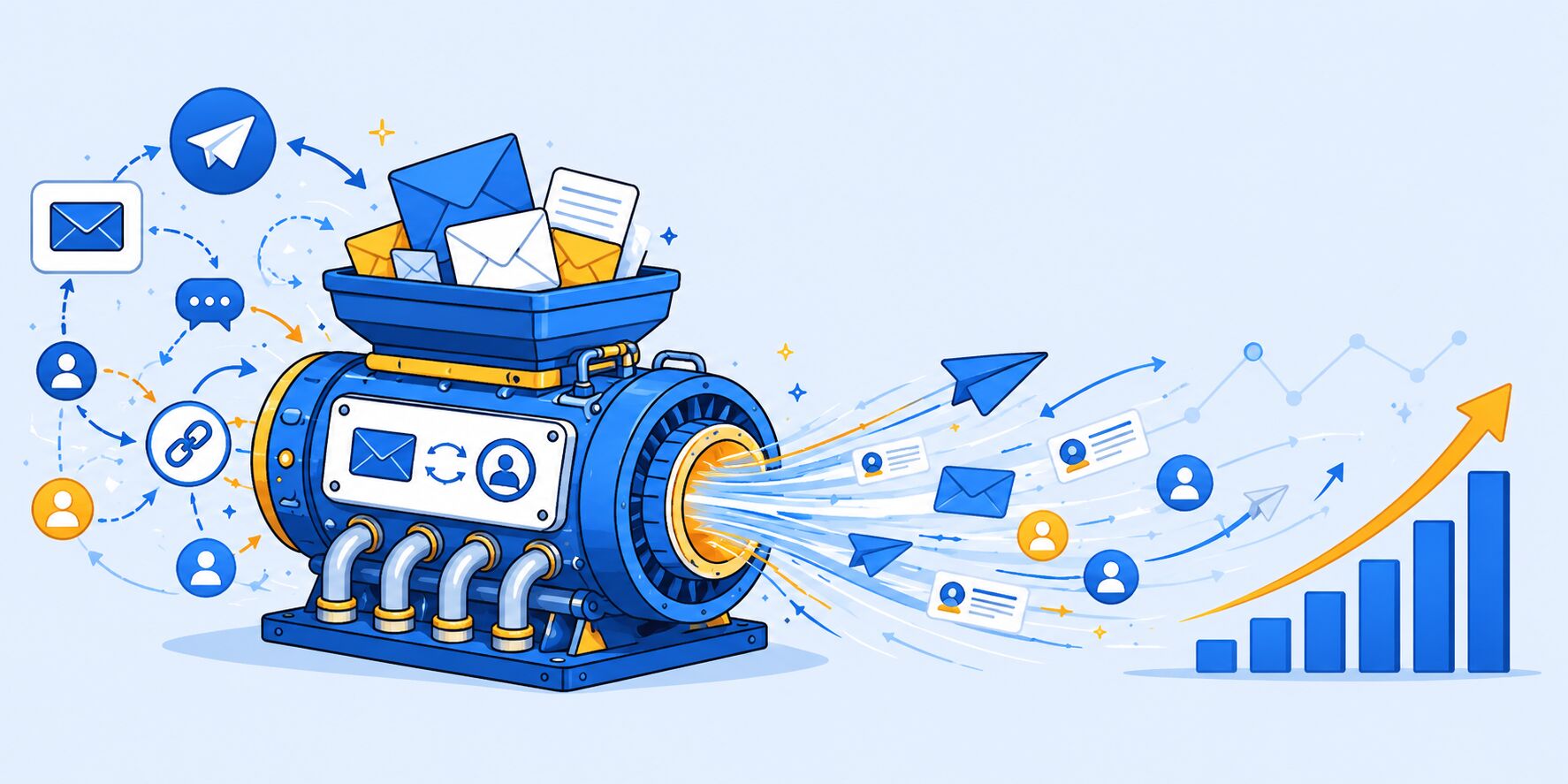
To move from a passive link to a high-octane referral engine, founders must pivot their strategy. It isn’t about creating a static page; it’s about building a systematic, automated infrastructure that leverages the goodwill already residing in your customer base.
The Economics of Trust: Why Referrals Outperform Paid Media
In modern marketing, the cost of customer acquisition (CAC) is skyrocketing. Paid social, search engine marketing, and influencer partnerships are increasingly expensive and prone to diminishing returns. Conversely, referrals represent the most efficient growth channel available to any business.
The Psychology of the Recommendation
Think about your own consumer habits. When a friend suggests a restaurant, a software tool, or a pair of shoes, do you conduct a multi-hour investigation comparing competitors? Likely not. You trust the vetting process your friend has already performed. This "trust transfer" is the secret sauce of referral marketing. Referred customers exhibit higher lifetime values, lower churn rates, and shorter sales cycles because they arrive with a pre-validated belief in your brand’s utility.
Beyond the Algorithm
Algorithms can guess who might like your product based on browsing data, but they cannot replicate the intimate knowledge a customer has of their own friends. Your customers do better targeting on your behalf than any machine ever could. By formalizing this word-of-mouth process, you aren’t just acquiring customers; you are acquiring high-intent leads who are already primed for conversion.
Timing is Everything: The "Moment of Delight" Strategy
The most common failure in referral marketing isn’t the copy, the reward, or the design—it is the timing. A generic "refer a friend" request buried in a Tuesday newsletter is easily ignored. It feels like a chore, or worse, a desperate plea.
To turn referrals into a natural conversation, you must ask at the "Moment of Delight." These are the windows in the customer journey where goodwill is at its peak:
- The Repeat Purchase: When a customer buys for the second or third time, they are signaling clear satisfaction.
- Post-Review: After a customer takes the time to leave a five-star rating, they are actively engaging with your brand’s identity.
- Support Resolution: A customer whose issue was resolved quickly and effectively is often more loyal than a customer who never had an issue at all.
- Positive Feedback: When a customer replies to a marketing email with a compliment, you have a direct green light to invite them into your referral program.
Automation is the key to scaling this. By integrating your email marketing platform with your CRM, you can trigger a referral request a few days after a repeat delivery or immediately following a high review score. This ensures the ask feels like a logical next step rather than an intrusive extraction attempt.
Incentives: The Power of the Double-Sided Reward
If your referral program only rewards the referrer, you are essentially asking your customers to monetize their friendships—a move that often feels "grubby" and transactional. If you only reward the new customer, the referrer lacks the motivation to act.
The gold standard for sustainable growth is the double-sided reward. "Give $10, Get $10" is a classic for a reason: it transforms the referral into a favor. The referrer is helping their friend save money, and they are rewarded for that act of kindness. The new customer arrives with a discount that lowers the barrier to entry. Everyone wins, and the incentive structure aligns perfectly with your brand’s success.
It is important to note that rewards do not need to be extravagant to be effective. Early access to new products, free shipping, or exclusive community status can often be more compelling than a flat dollar amount, particularly for brands that prioritize brand identity and exclusivity.
Eliminating Friction: The Fifteen-Second Rule
Friction is the silent killer of growth. If the process of sharing a link takes more than fifteen seconds, you will lose the vast majority of your potentially interested referrers.
To maximize conversion, you must optimize for ease of use:
- Unique Links: Every customer should have a personalized link that tracks attribution automatically without requiring manual codes.
- Pre-written Messaging: Provide a "copy-paste" message that is short, human, and authentic.
- Omnichannel Sharing: Ensure that share buttons are accessible where your customers’ thumbs already live—WhatsApp, SMS, and email.
Your "superfans"—the top 2% of your list—might fight through a clunky flow, but your growth lies in the "quietly satisfied majority." These are the customers who like you enough to share, but not enough to jump through hoops to do so. Make it effortless, and you will see the volume of referrals rise exponentially.
Strategic Segmentation: Don’t Ask the Wrong People
A common mistake is treating your entire email list as a monolith. Sending a blast request to a customer who hasn’t opened an email in eight months is a waste of time and can actually damage your deliverability.
Instead, build a "Referral Segment." This group should include:
- Frequent repeat buyers.
- Customers who have left positive reviews.
- Those who engage regularly with your newsletters.
- Individuals who have interacted positively with your support team.
By targeting this specific group, you ensure that your referral requests are going to people who are actually likely to act. Tools like Omnisend are built to handle this "plumbing" automatically. By integrating with loyalty platforms like Smile or Yotpo, you can segment your audience, trigger personalized requests, and manage reward distribution without manual intervention.
Implications for the Future of Brand Growth
The bottom line is this: word-of-mouth marketing is happening around your brand regardless of whether you have a formal program in place. The question is whether you are providing the infrastructure to capture that energy.
A robust referral engine is not just a marketing tactic; it is a system of appreciation. It rewards your most loyal advocates and lowers your reliance on expensive ad platforms. By combining timely, automated requests with a double-sided incentive structure and a friction-free user experience, you can turn your customer base into your most effective growth engine.
For entrepreneurs looking to scale, the advice is clear: stop treating referrals as an afterthought. Build the infrastructure today, target the right people, and let your customers do what they are already inclined to do—only louder.
For those looking to build this infrastructure, Foundr readers can access a 50% discount on their first three months of Omnisend by using the code FOUNDR50 during sign-up. Whether you are starting from scratch or migrating from another platform, the goal is to make your growth as automated and efficient as possible.

 Azzam Bilal Chamdy
 Ali Ikhwan
 Raul Delapena Setiawan
 Reynand Wu
 Sagoh
Sagoh