
 Ali Ikhwan
This story was originally published by Yale E360 and is reproduced here as part of the Climate Desk collaboration.
Niku Argane’s farm sits on a steep, precarious hillside in Ethiopia’s central Gurage Zone. For years, this land was defined by loss. Intense, unpredictable flooding carved deep, jagged gullies through his fields, stripping away the fertile topsoil that once sustained his wife and four children. What remained was a landscape increasingly hostile to agriculture: drought stunted his barley and potatoes, and the lack of tree cover meant that when rain finally did fall, it did more damage than good, washing away the nutrients necessary for life.
"We have never stopped farming, but our production declined because of land degradation," the 32-year-old farmer says from his plot in Ambele Kebele. His story is a microcosm of a national crisis. Across Ethiopia, a country where over 100 million people depend directly on the land for survival, the environmental foundation is crumbling. As the nation battles to reverse this trend, it has launched one of the most ambitious—and controversial—ecological restoration campaigns in human history.
The Roots of the Crisis
To understand Ethiopia’s modern struggle, one must look at the environmental trajectory of the last century. In the early 1900s, approximately 35 to 40 percent of Ethiopia was cloaked in dense, lush forests. These highlands were the lifeblood of the nation, providing a stable climate and rich, fertile soil. However, as the population expanded and urbanization surged, the demand for timber, fuel, and agricultural expansion proved ravenous.
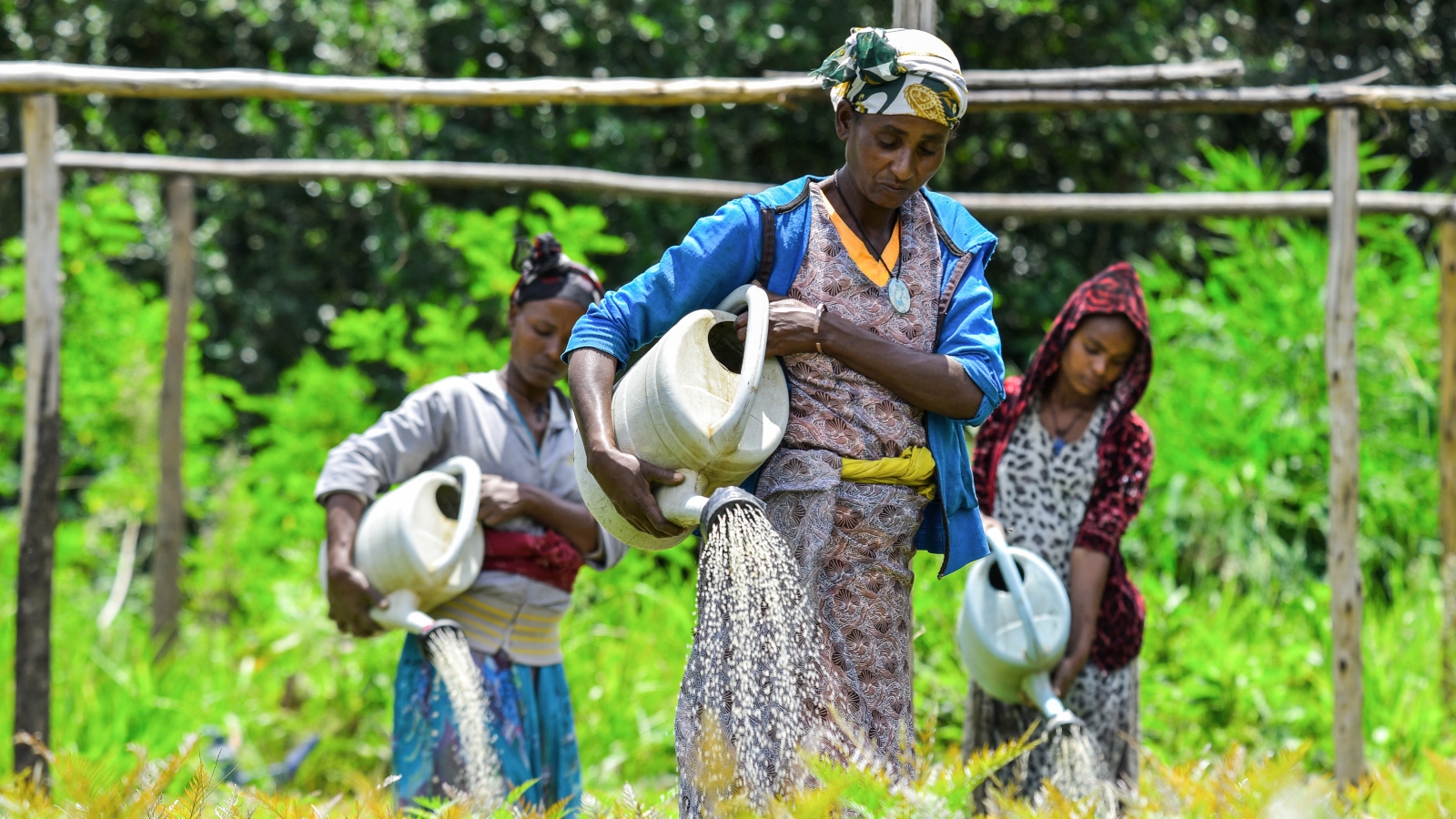
By 1989, the nation’s forest cover had plummeted to less than 3 percent. The consequences were catastrophic. The removal of tree roots—the natural anchors of the earth—left the highlands defenseless against the elements. Experts estimate that during this period, the Ethiopian highlands were losing nearly 1 billion metric tons of topsoil annually. This degradation is not merely an ecological footnote; it is an economic and humanitarian disaster. Current estimates suggest that land degradation costs Ethiopia approximately $4.3 billion every year in lost harvests and diminished income.
A Chronology of Restoration
The path to the current "Green Legacy" did not begin in 2019. It was forged in the shadow of the devastating famines of the 1970s and 80s, which served as a brutal wake-up call for the government and international observers.
- 1980s–1990s: Following the humanitarian crises, the government began small-scale soil and water conservation efforts, including the construction of rudimentary terraces and check dams—stone and log barriers designed to slow rainwater runoff.
- 2000s: Restoration programs expanded in scope and complexity. The government began to implement stricter controls, including the exclusion of livestock from critically degraded land to allow for vegetative recovery.
- 2019: The launch of the "Green Legacy Initiative." This marked a paradigm shift from localized efforts to a nationwide, mass-mobilization campaign.
- 2024: The establishment of the Green Legacy and Landscape Restoration Special Fund, dedicating 0.5 to 1 percent of the federal budget ($73 million to $145 million) to institutionalize the restoration effort.
- 2025–2026: Scientific studies began to confirm high survival rates for seedlings in specific regions, even as climate shocks continued to test the project’s resilience.
Supporting Data: The Scale of the Green Legacy
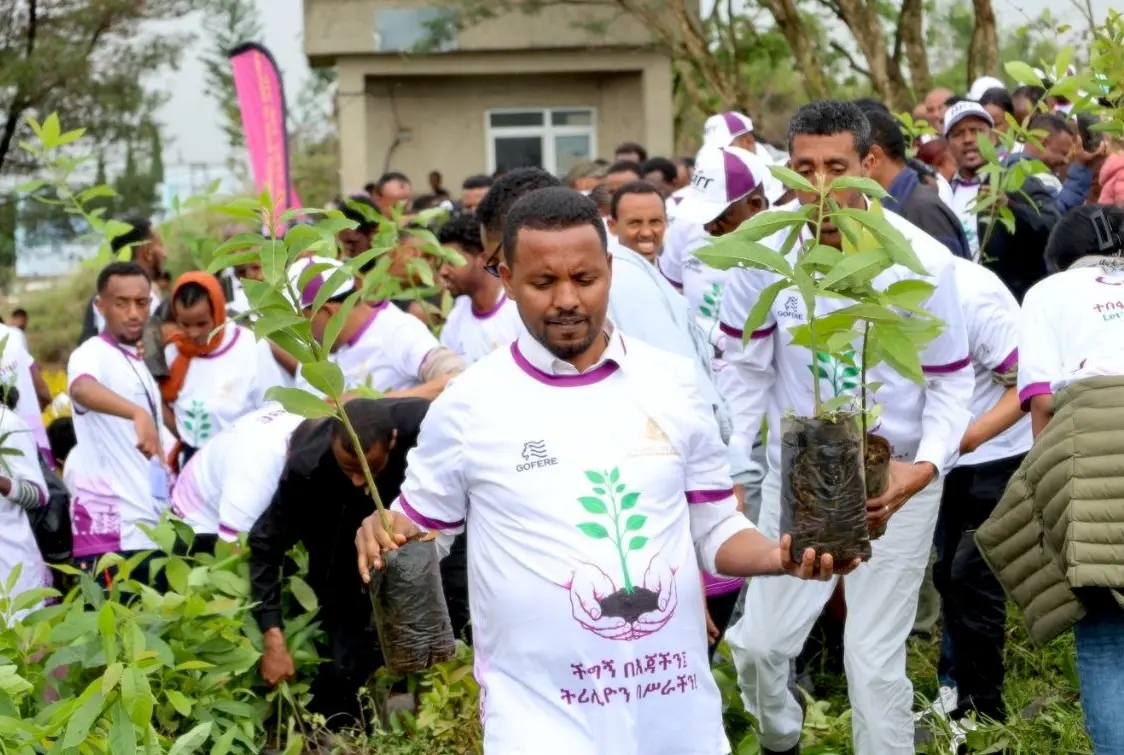
The numbers behind Ethiopia’s environmental campaign are staggering. In just seven years, Ethiopians have planted more than 47 billion seedlings, with an ultimate goal of 50 billion by 2030. In August 2026, the country mobilized 26.6 million volunteers to plant 800 million seedlings in a single day—a feat of logistical and social coordination that has few, if any, modern parallels.
The impact is beginning to show in the data. Official reports indicate that national forest cover rose from 17.2 percent in 2019 to 23.6 percent in 2023. Perhaps more importantly, the rate of deforestation has slowed significantly; between 2013 and 2023, annual forest loss dropped from over 350 square miles to roughly 100 square miles. In specific zones, such as the Abijata-Shalla National Park, the return of trees and native grasses has led to increased groundwater infiltration, rising lake levels, and the resurgence of local wildlife, including cormorants, African darters, and even Grant’s gazelles.
Official Perspectives and Scientific Scrutiny
The ambition of the program has garnered global attention, contributing to the selection of Ethiopia as the host for the upcoming U.N. climate conference. However, the sheer scale of the operation has invited rigorous academic critique.
Aad Kessler, a researcher at Wageningen University in the Netherlands, notes the inherent difficulty of such a massive project. "Reforestation is one of the most difficult things you can imagine," he says. "It almost always fails, but this is so big that even if 30 percent of the trees survive, it’s still huge."
Some experts, such as Emiru Birhane Hizikias of Norway’s Nord University, argue that the political drive for high numbers may occasionally come at the expense of quality. "You can’t expect a baby to grow if you don’t care for it," he observes, noting that "plantation" is not the same as "restoration."
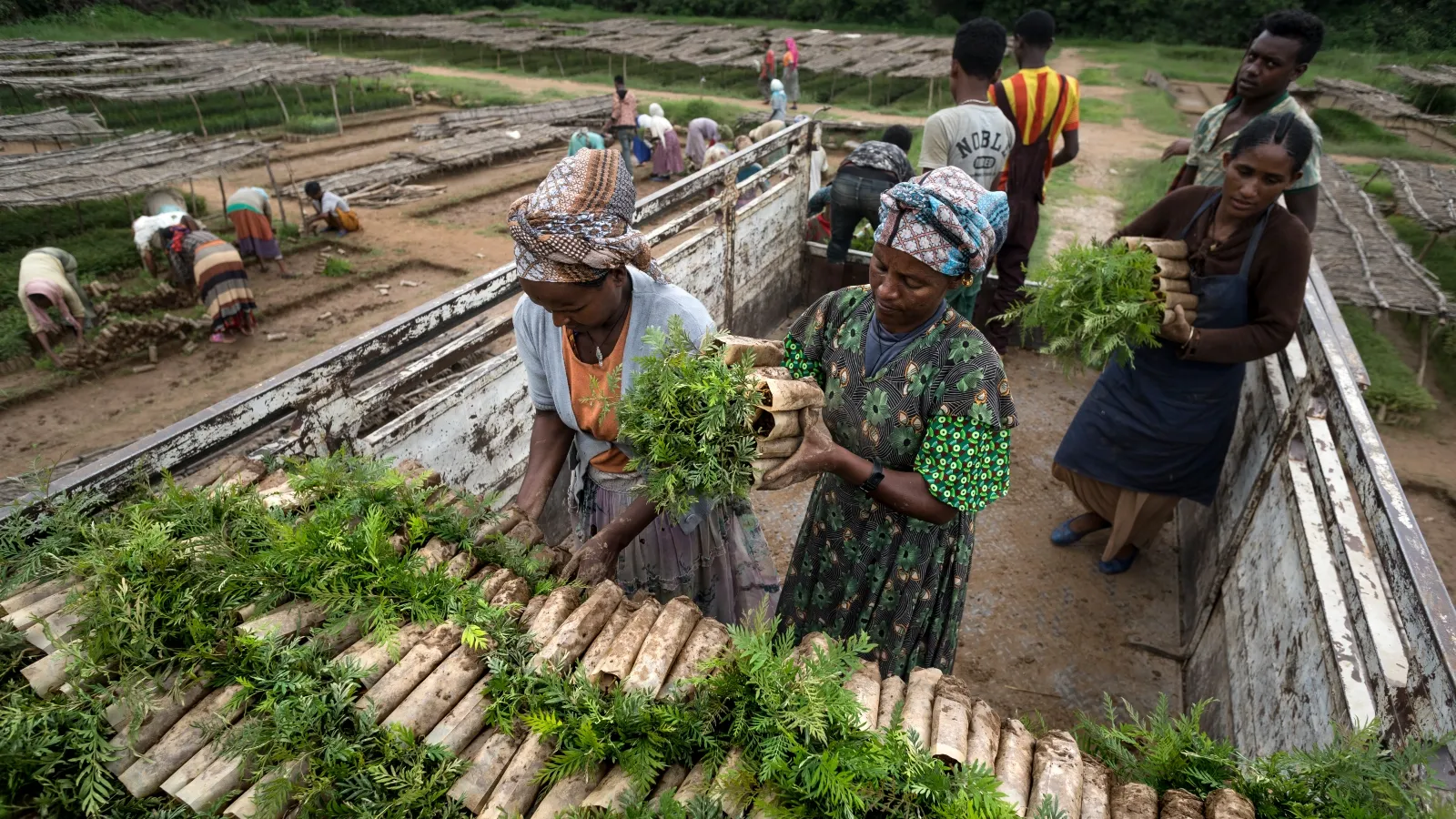
Conversely, government advisers like Abreham Berta Aneseyee maintain that the campaign is rooted in science. Aneseyee points to a 2026 study showing that 80 percent of seedlings survived in southern regions, particularly where planters received specialized training in site preparation and species selection. He emphasizes that the government is moving away from a "plant-and-forget" mentality toward an integrated approach that includes soil stabilization, check dams, and ongoing community management.
The Climate Reality: A Shifting Target
The greatest challenge to the Green Legacy is that it is being implemented while the climate is in a state of violent flux. The Intergovernmental Panel on Climate Change (IPCC) projects more intense and frequent rainfall in East Africa, yet this is coupled with increasingly severe droughts.
In July 2024, the Geze Gofa district suffered a tragic landslide that killed 257 people, highlighting the fragility of the landscape. Simultaneously, the Famine Early Warning Systems Network has linked El Niño patterns to historically poor rainfall, which directly undermines the survival of newly planted seedlings. For farmers like Belayneh Mamo, 65, the unpredictability of the rainy season is not just a scientific concern—it is a threat to the food security of his entire community. He notes that the traditional calendars, which farmers have used for generations to time their planting, are no longer reliable.
Implications: A Model or a Warning?
Ethiopia’s attempt to re-green its landscape stands as a test case for the Global South. It is a bold, top-down-meets-bottom-up experiment in ecological resilience. While it shares conceptual DNA with China’s "Grain for Green" program—which successfully restored the Loess Plateau—it faces a unique challenge: unlike China, where millions of farmers were compensated to stop cultivating degraded land, Ethiopia’s smallholders have no such buffer. They must continue to farm the very land that is being restored.
For Niku Argane, the evidence is already in his fields. By layering tree planting with fodder, fruit trees, and water-trapping structures, he has seen his barley yield climb from 1,800 pounds per acre to 3,200. He is not just growing trees; he is building a buffer against the future.
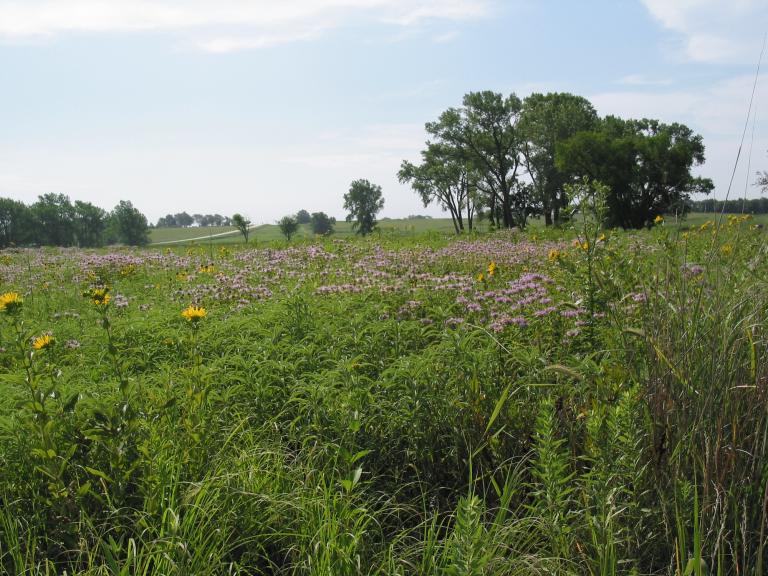
"Restoring degraded land isn’t just about protecting the environment," Argane says. "It’s also about making life better for my family and community."
As Ethiopia prepares to host the international community, it does so with a dual narrative: one of immense, historic progress, and another of profound vulnerability. The success of the Green Legacy will ultimately be measured not by the number of seedlings in the ground, but by the ability of the nation to nurture those saplings through an era of climate extremes. Whether it serves as a global model for restoration or a cautionary tale about the limits of scale, the world is watching. The outcome will decide the fate of millions of people who, like Argane, are betting their lives on the return of the forest.


 Laily UPN
 Lina Hope
 Iffa Jayyana
 Rifan Muazin
 Suro Senen
 Lina Irawan