
 Raul Delapena Setiawan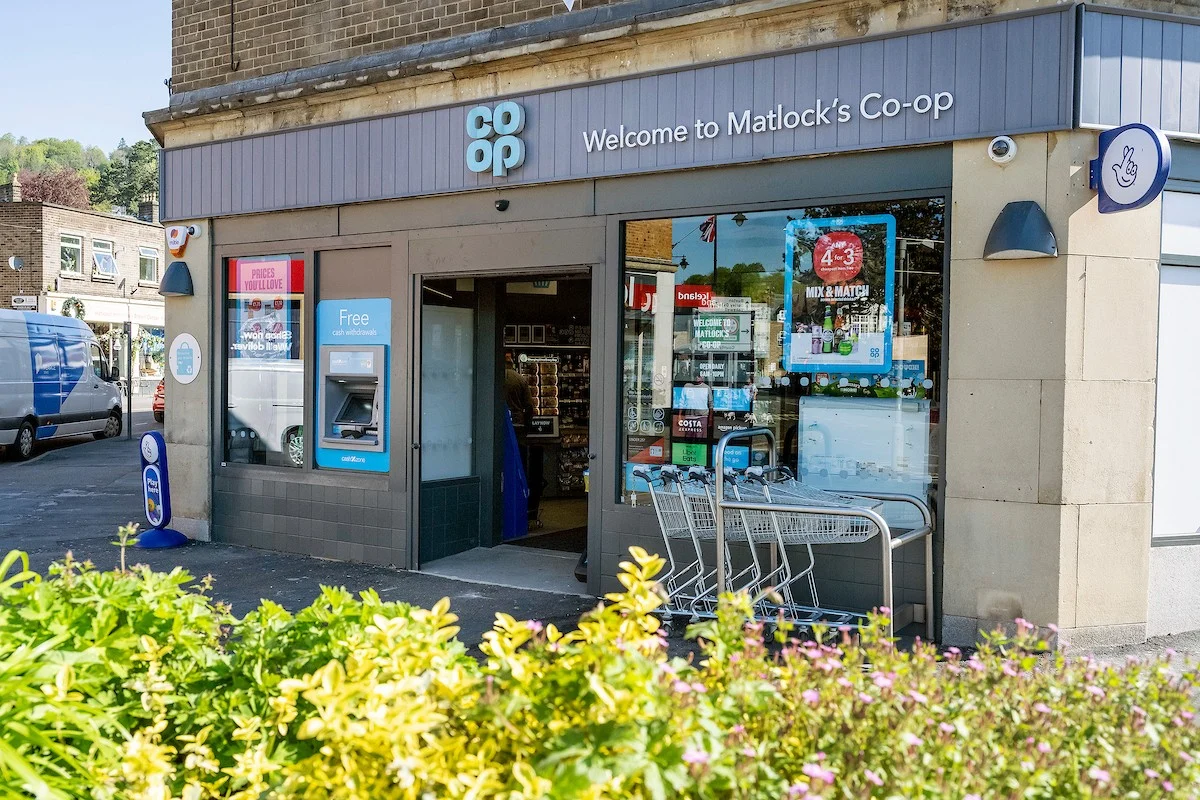
The landscape of British retail media is undergoing a seismic shift as the Co-op, the UK’s prominent convenience retailer, officially enters the digital out-of-home (DOOH) advertising sector. By launching the "Co-op Media Network Out of Home," the retailer has signaled a strategic pivot from traditional retail operations to becoming a major player in the media-buying ecosystem.
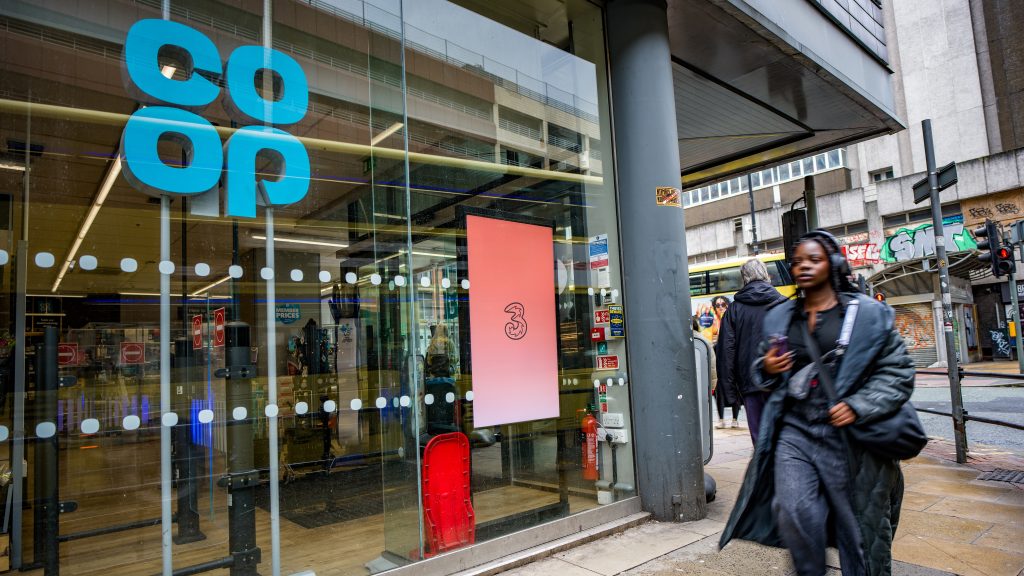
This move immediately positions the Co-op as the fourth-largest digital outdoor advertiser in the United Kingdom, trailing only established industry titans JCDecaux, Global, and Bauer Media Outdoor. Leveraging a massive network of 1,000 front-of-store digital screens, the Co-op is aiming to redefine how brands connect with consumers by pivoting away from traditional commuter-focused advertising toward the untapped potential of neighbourhood-level engagement.
The Strategic Pivot: Main Facts and Market Entry
The launch of the Co-op Media Network Out of Home is not merely a branding exercise; it is a calculated effort to monetize the retailer’s physical footprint. By integrating digital signage directly into its storefronts, the Co-op is transforming its 1,000 locations into a high-frequency media estate.
Unlike traditional "big-box" retail media—which often focuses on destination shopping trips—the Co-op’s strategy centers on the "neighbourhood shop." This environment is designed to capture consumers during their daily routines, rather than during infrequent, planned large-scale shopping trips. The service is open to both endemic brands (products already sold within Co-op stores) and non-endemic brands (companies seeking to reach local audiences), effectively democratizing high-visibility advertising for a wider range of sectors.
The operation is supported by a strategic partnership with Smart Outdoor, a leader in the outdoor media space. Smart Outdoor will spearhead the planning and buying operations, ensuring that the Co-op’s vast digital estate is optimized for advertisers looking to achieve national scale through hyper-local, community-based placements.
A Chronology of Retail Media Evolution
To understand the magnitude of this launch, one must look at the recent evolution of the Co-op’s media strategy.
- 2022: Foundations of the Media Network: The Co-op began laying the groundwork for its internal media agency, Co-op Media Network, recognizing that its vast customer data and physical store network were underutilized assets.
- 2023: Testing and Expansion: Throughout the previous year, the retailer significantly scaled its digital screen infrastructure, testing the efficacy of "front-of-store" messaging. During this period, the Co-op refined its ability to differentiate itself from the "big-box" logic, focusing on the frequency of local consumer interactions.
- Early 2024: Strategic Partnerships: The Co-op entered formal negotiations with Smart Outdoor to streamline the commercialization of its screen network.
- Mid-2024: The Official Launch: The formal announcement of the Co-op Media Network Out of Home confirms the retailer’s status as a top-tier UK outdoor advertiser, marking the culmination of two years of internal restructuring and external partnership development.
Challenging the Status Quo: Supporting Data and Industry Trends
The advertising industry has historically been obsessed with "commuter-path" marketing—placing billboards along major highways, train stations, and bus routes. However, the Co-op’s research suggests this obsession may be misplaced.
Rethinking the Consumer Journey
According to internal data provided by the Co-op, the average consumer makes 18 journeys per week. Of these, only 12% are classified as "commuter journeys." The remaining 88% consist of trips to school, the gym, local parks, and—crucially—convenience stores.
By capturing this 88%, the Co-op is offering advertisers a chance to reach audiences in a mindset that is less "in-transit" and more "engaged-local."
The Scale of the Estate
With 1,000 digital screens now available for high-definition advertising, the Co-op offers a unique combination of:
- Frequency: The ability to hit the same local consumer multiple times per week.
- Relevance: The ability to tailor messages to specific neighbourhoods, something national billboard campaigns struggle to achieve.
- Scale: A national footprint that allows for a single, unified media campaign across England, Scotland, Wales, and Northern Ireland.
Official Perspectives: Leadership Insights
The leadership behind this venture believes the move is a natural progression of the brand’s identity.
Richard Smith, Director of Marketing and Media Operations at the Co-op, stated:
"Over the past two years, Co-op Media Network has successfully used a convenience shopping environment to differentiate itself from the big-box retail media logic and, in doing so, created a neighbourhood-based DOOH estate that champions frequency and presence. The growth of the screen network has been a strategic decision and we’re now able to show our intent as one of the UK’s largest digital outdoor advertisers."
His comments highlight a clear divide in retail philosophy. While larger supermarkets focus on high-volume, lower-frequency destination visits, the Co-op is betting on the high-frequency nature of daily neighbourhood life.
Mark Clancey, Chief Commercial Officer at Smart Outdoor, emphasized the significance of the partnership:
"We’re delighted to partner with Co-op to bring Co-op Media Network Out of Home to the UK market. The launch marks another major milestone in the continued growth and ambition of Smart Outdoor. We believe this network offers a level of community connection that is currently missing from the broader DOOH market."
Implications for the UK Advertising Ecosystem
The entry of the Co-op into the DOOH space carries significant implications for various stakeholders.
For Traditional Outdoor Advertisers
The incumbents (JCDecaux, Global, and Bauer) now face a formidable competitor that does not need to lease expensive land for its billboards—it already owns the real estate. This "embedded" advantage allows the Co-op to offer competitive rates while maintaining high margins, potentially putting pressure on traditional outdoor players to justify their pricing models.
For Brands and Agencies
Brands now have a new, highly effective channel to reach consumers in their "natural habitat." For endemic brands (food and drink companies), the proximity to the point of sale is a massive advantage. For non-endemic brands (such as financial services, local services, or tech companies), the Co-op offers a "neighborhood-level presence" that can serve as a powerful supplement to broader national digital campaigns.
For the Future of Retail Media
The move signals a broader trend: the "Retail Media 2.0" era. Retailers are no longer just selling shelf space; they are becoming media owners. As physical retail struggles to compete with e-commerce on convenience alone, the ability to generate secondary revenue through advertising becomes a critical pillar of store profitability.
The Regulatory and Ethical Landscape
As the Co-op scales this network, questions regarding data privacy and the nature of "neighbourhood-level" targeting will likely arise. While the Co-op has not indicated that it is using personal shopper data for individual screen targeting at this stage, the potential for programmatic, data-driven DOOH in the future is immense. Regulators will be watching closely to ensure that the expansion of advertising screens in community spaces remains compliant with local planning and advertising standards.
Conclusion: A New Chapter for Co-op
The Co-op’s transformation into a major digital out-of-home advertiser is a testament to the shifting sands of the modern retail sector. By reclaiming the 88% of consumer journeys that occur outside of the traditional commute, the retailer has identified a massive, high-frequency audience that is highly attractive to advertisers.
With its partnership with Smart Outdoor, a robust network of 1,000 screens, and a clear vision for neighbourhood-based engagement, the Co-op is well-positioned to capitalize on this opportunity. Whether this will lead to a broader industry shift where every convenience store in the UK becomes a digital billboard remains to be seen, but one thing is clear: the Co-op has officially changed the rules of the game.
For brands, the message is simple: if you want to be where the people are, don’t just look at the highways—look at the local neighbourhood. The Co-op is now the primary gateway to that community, and they are ready to do business.

 Reynand Wu
 Iffa Jayyana


 Sagoh
Sagoh
 Azzam Bilal Chamdy
 Ali Ikhwan