
 Lina Irawan

In the fast-paced world of social media, your Instagram grid is more than just a visual portfolio—it is a conversion engine. Whether you are a solopreneur launching a boutique collection or a marketing manager driving traffic to a corporate event, the goal remains the same: transforming passive scrollers into active website visitors. However, the architecture of Instagram presents a significant bottleneck. With clickable links restricted to captions only for a select few, the "link-in-bio" has emerged as the most valuable piece of digital real estate a brand owns.
Managing this space efficiently has birthed an entire ecosystem of tools. Among them, Linktree stands as the category pioneer, while SproutLink—a proprietary feature from Sprout Social—represents the next generation of integrated social management. Choosing between them is no longer just a matter of preference; it is a strategic decision that impacts your workflow, your analytics, and your bottom line.
The Core Challenge: Why "Link-in-Bio" Matters
Social media platforms are designed to keep users within their ecosystem. Instagram, in particular, has long been a "walled garden" where outbound links are discouraged. Even with the introduction of new features, the bio link remains the primary conduit for traffic.
For brands, the struggle is twofold. First, there is the limitation of space. Most platforms allow for only one or, at most, a few static URLs. Second, there is the friction of maintenance. Every time a brand launches a new product, publishes a white paper, or updates a promotion, the bio link must be manually swapped out. This creates a "leaky bucket" scenario where potential leads are lost because the link they clicked didn’t match the post that piqued their interest.
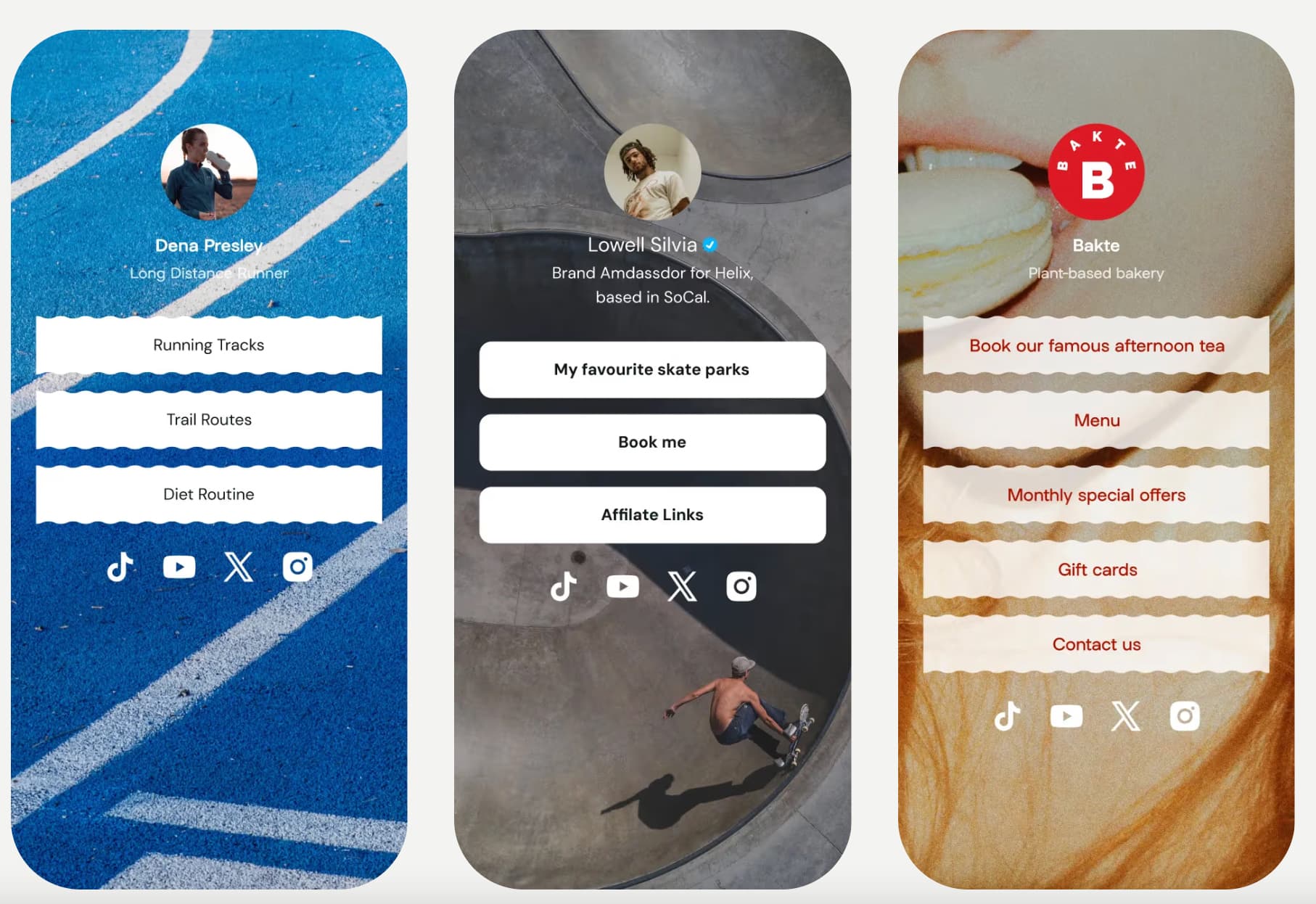
This has paved the way for "link-in-bio" tools. By creating a dynamic, centralized landing page, these tools allow brands to house multiple URLs, effectively turning a single bio link into a multi-pathway navigation hub.
A Chronology of the Link-in-Bio Revolution
The history of the link-in-bio is a testament to the agility of the creator economy.

- The Early Days (2010–2015): In the nascent stages of Instagram, brands were forced to rely on the "Link in bio" mantra in captions, manually updating a single URL to a homepage or a landing page. This was inefficient and hindered conversion tracking.
- The Rise of Aggregators (2016–2019): Linktree emerged as the clear market leader, providing a clean, "link-stacking" interface. This period marked the commoditization of the bio link, making it accessible to everyone from influencers to small businesses.
- The Era of Integration (2020–Present): As social media management suites (like Sprout Social) matured, the industry realized that link management shouldn’t exist in a silo. Tools like SproutLink were developed to bridge the gap between content scheduling and traffic conversion, integrating the link-in-bio directly into the publishing workflow.
Comparative Analysis: SproutLink vs. Linktree
The decision between SproutLink and Linktree ultimately hinges on your organizational structure and your reliance on an all-in-one ecosystem versus a specialized utility tool.
SproutLink: The Integrated Powerhouse
SproutLink is designed for the high-volume social media manager. Because it is embedded directly within the Sprout Social platform, it eliminates the "context switching" that plagues many marketing teams. When you schedule a post, you can simultaneously attach a destination URL. This ensures that the landing page is updated the moment the post goes live, reducing the risk of human error or delayed updates.
Linktree: The Dedicated Specialist
Linktree remains the gold standard for simplicity and platform-agnostic flexibility. Because it is a standalone tool, it is not tethered to any specific social media management suite. This makes it an ideal choice for creators who may use different scheduling tools or who want a highly customizable, branded landing page that functions across TikTok, Instagram, Facebook, and even YouTube.
Data-Driven Performance: What the Reviews Say
When evaluating these tools, review platforms like G2 and Capterra offer a glimpse into user sentiment. However, a nuanced look at the data reveals an important distinction: volume does not always equal superiority.
Understanding the G2 and Capterra Gap
On platforms like G2, Linktree often holds a higher rating in "Ease of Use" for link management specifically. This is expected; Linktree does one thing, and it does it well. Conversely, Sprout Social’s ratings reflect the performance of an entire enterprise-grade suite, including analytics, social listening, and customer care.
When users review Sprout Social, they are evaluating a complex, multi-functional ecosystem. When they review Linktree, they are evaluating a single-purpose utility. Therefore, the "ease of use" gap is not a critique of SproutLink’s functionality, but rather a reflection of the scope of the platforms involved.

Key Metrics for Decision-Making
- Workflow Efficiency: SproutLink excels in environments where speed and automation are paramount. It is built for teams that manage dozens of posts a week.
- Branding and Customization: Linktree offers extensive, beginner-friendly templates that allow for a high degree of aesthetic control, which is often a priority for individual creators and influencers.
- Analytics Integration: SproutLink integrates its click-through data directly into the broader Sprout Social reporting dashboard, allowing managers to attribute ROI directly to social efforts within a single report.
Implications for Modern Marketing Teams
The shift toward integrated link management carries significant implications for how brands approach their digital strategy.
Efficiency and Human Error
Manual updates to link-in-bio pages are a leading cause of broken user journeys. By using tools like SproutLink, teams ensure that the user experience is seamless. When a user clicks a post link, the journey from Instagram to the website becomes a single, fluid motion.
Data Centralization
In a modern marketing tech stack, data silos are the enemy of growth. By centralizing link-in-bio management within a larger social platform, brands can move away from fragmented analytics. Instead of checking Linktree’s dashboard, then checking Instagram’s internal insights, and finally checking Google Analytics, marketers can consolidate their findings into a single source of truth.
Scalability
For growing brands, the transition from a standalone tool to an integrated platform is often a necessary milestone. As a social team grows, the complexity of managing assets, permissions, and reporting requires a tool that scales. Sprout Social provides the governance and auditing tools that enterprise teams require, whereas Linktree remains a staple for smaller, more agile units.
Expert Perspectives and Official Responses
Industry experts often emphasize the "workflow-first" mentality. Alyssa R., a social media manager for a non-profit, notes that the ability to toggle a single post across multiple platforms while simultaneously setting up the link-in-bio is a "productivity multiplier."
From a technical standpoint, the integration of AI-driven features—such as Sprout’s AI Alt Text Generator or automated reporting—creates a compelling case for the integrated suite approach. While Linktree continues to evolve its own "Social Planner" to compete, the deep-linking capabilities of an enterprise platform like Sprout offer a level of cohesion that is difficult to replicate in a standalone utility.
Strategic Decision Guide: Which Path to Take?
To determine the right fit for your organization, consider the following checklist:
Choose Linktree if:
- You are a creator or a small business that requires a simple, "set-it-and-forget-it" solution.
- You need a platform-agnostic tool that works across many different social profiles without requiring a full management suite.
- Your budget is limited, and you can benefit from a freemium model.
- You prioritize aesthetic customization and want a highly branded landing page experience for your followers.
Choose SproutLink if:
- You are part of a marketing team that already utilizes (or is looking to utilize) a comprehensive social media management platform.
- Workflow automation is your top priority. If you are tired of manually updating links every time you schedule a post, the integration within Sprout’s Compose window will save you hours of work each week.
- Analytics and ROI reporting are critical. You need to see how your social posts directly drive website traffic within your existing reporting ecosystem.
- You manage multiple social accounts and require centralized governance, team permissions, and enterprise-grade security.
Final Thoughts: The Platform vs. The Utility
The "link-in-bio" category has moved past the novelty phase. It is now a critical component of the customer acquisition funnel. While Linktree remains the iconic leader of the dedicated link-in-bio movement, SproutLink is the logical evolution for organizations that have outgrown the need for "just a link tool" and are ready to embrace a holistic social media strategy.
In the end, the right choice depends on where you are in your growth trajectory. If you are building your brand from the ground up and value ease of access, a specialized tool is your best friend. If you are scaling a business and need to eliminate friction in your daily operations, integrating your link strategy into your core management platform is the most effective way to ensure that every post counts.
As the social media landscape continues to change, one thing remains certain: the link-in-bio will continue to evolve. Whether it is through AI-generated landing pages or deeper integrations with e-commerce platforms, the brands that win will be those that make it the easiest for their audience to say "yes" to their content and their products.
Disclaimer: The comparison data, pricing, and features cited in this article reflect the status as of October 2026. Social media management tools evolve rapidly; always check the latest documentation from service providers before making a long-term software commitment.



 Nila Kartika Wati

 Ammar Sabilarrohman

 Asep Darmawan

 Asro

 Layla Zulfa


 Muslim
