
 Nana Muazin
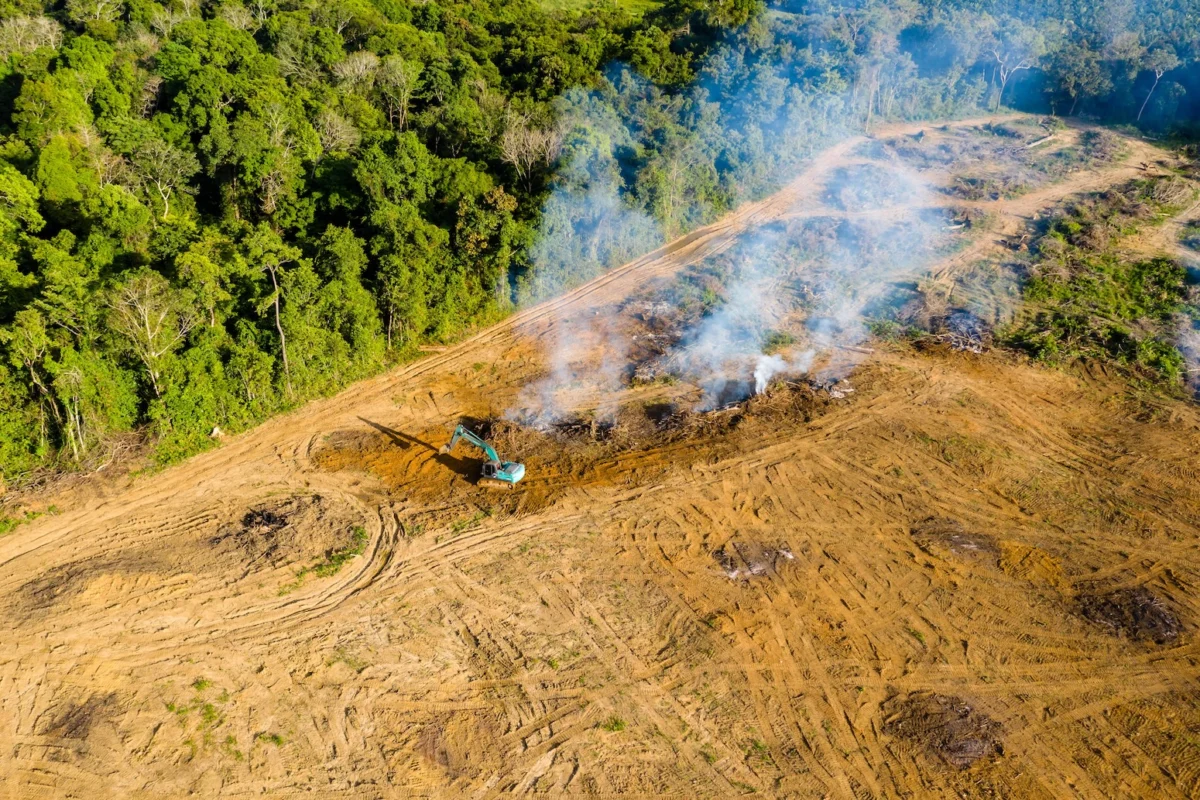
As delegates prepare to descend upon Yerevan, Armenia, for the COP17 biodiversity summit starting on 19 October 2026, a cloud of fiscal uncertainty hangs over the proceedings. A critical global stocktaking report, prepared by the UN Convention on Biological Diversity (UN CBD), has sounded a sobering alarm: the international community is failing to meet the foundational financial commitments required to reverse the tide of nature loss by 2030.
The report confirms that the current influx of finance for nature “falls far short” of the requirements established under the landmark Kunming-Montreal Global Biodiversity Framework (GBF). With the 2025 milestone for public biodiversity funding missed, the upcoming summit is expected to be a theatre of intense, and likely contentious, debate over who should bear the burden of the $700 billion annual “biodiversity finance gap.”
The Anatomy of a Broken Promise: Main Facts
At the heart of the crisis is Goal D of the Kunming-Montreal Global Biodiversity Framework, adopted in 2022. This agreement bound 196 countries to a two-pronged strategy to address the $700 billion annual funding deficit: the reduction of nature-harming subsidies and the active mobilization of new financial resources.

The math is clear: nations committed to reducing environmentally destructive incentives by at least $500 billion per year by 2030. The remaining $200 billion was to be generated through public budgets, multilateral development banks, and private sector contributions. Specifically, developed nations pledged to provide at least $20 billion annually to developing countries by 2025, a figure set to rise to $30 billion by 2030.
The UN CBD’s latest data paints a grim picture. Between 2020 and 2023, the total mobilized finance reached only $186.4 billion—an average of less than $50 billion per year. Most damning is the failure to hit the 2025 public finance target; international public funding for biodiversity averaged a mere $4.4 billion annually over the same period, leaving a massive chasm between commitment and reality.
A Chronology of Stagnation
The trajectory of these financial initiatives has been defined by initial optimism followed by persistent inertia.
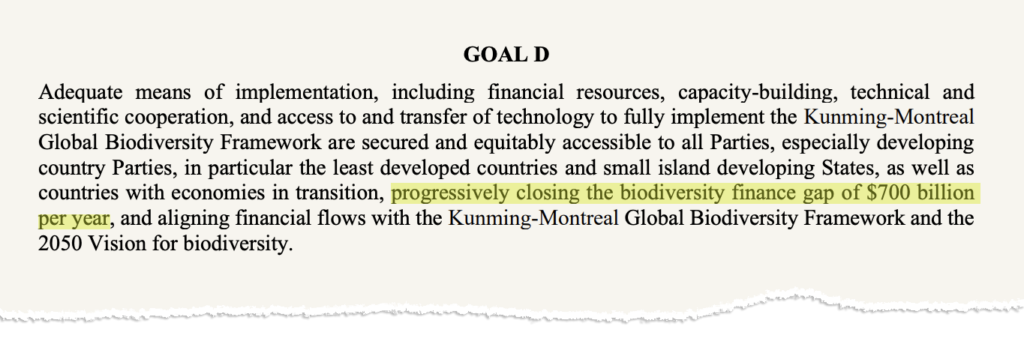
- December 2022: The Kunming-Montreal Global Biodiversity Framework is signed at COP15, establishing the $200 billion-per-year mobilization target and the $20 billion-per-year public finance goal for 2025.
- August 2023: The Global Biodiversity Framework Fund (GBFF) is established under the Global Environment Facility (GEF) to act as a primary vehicle for biodiversity support.
- 2024: COP16 in Colombia marks the creation of the “Cali Fund,” a pioneering mechanism designed to channel profits from companies utilizing digital sequence information (genetic data) into conservation.
- September 2026: The UN CBD releases its Global Stocktaking Report, confirming that the 2025 targets for international public finance have not been met.
- October 2026: COP17 begins in Yerevan, with finance identified as the most critical point of friction in the negotiations.
Supporting Data: By the Numbers
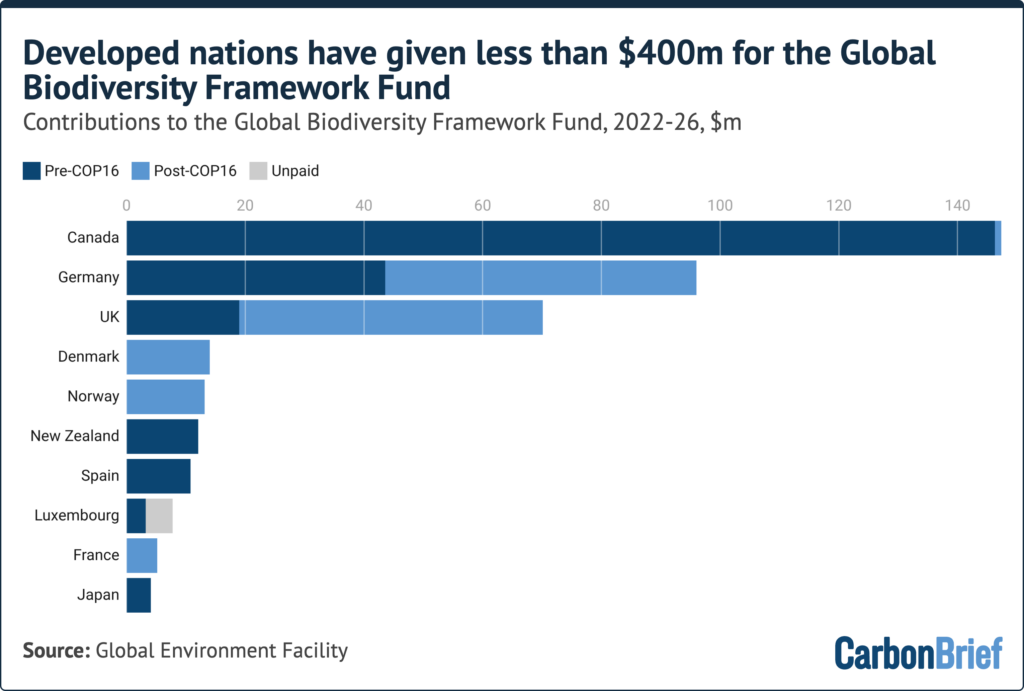
The inadequacy of the current financial architecture is evidenced by the performance of the two primary funding channels: the Global Biodiversity Framework Fund (GBFF) and the Cali Fund.
The GBFF, intended to be a robust mechanism for resource distribution, has struggled to attract capital. As of June 30, 2026, the fund has secured only $387.2 million in signed commitments from a meager 11 countries and one subnational government. This is a fraction of the necessary scale for a global initiative.
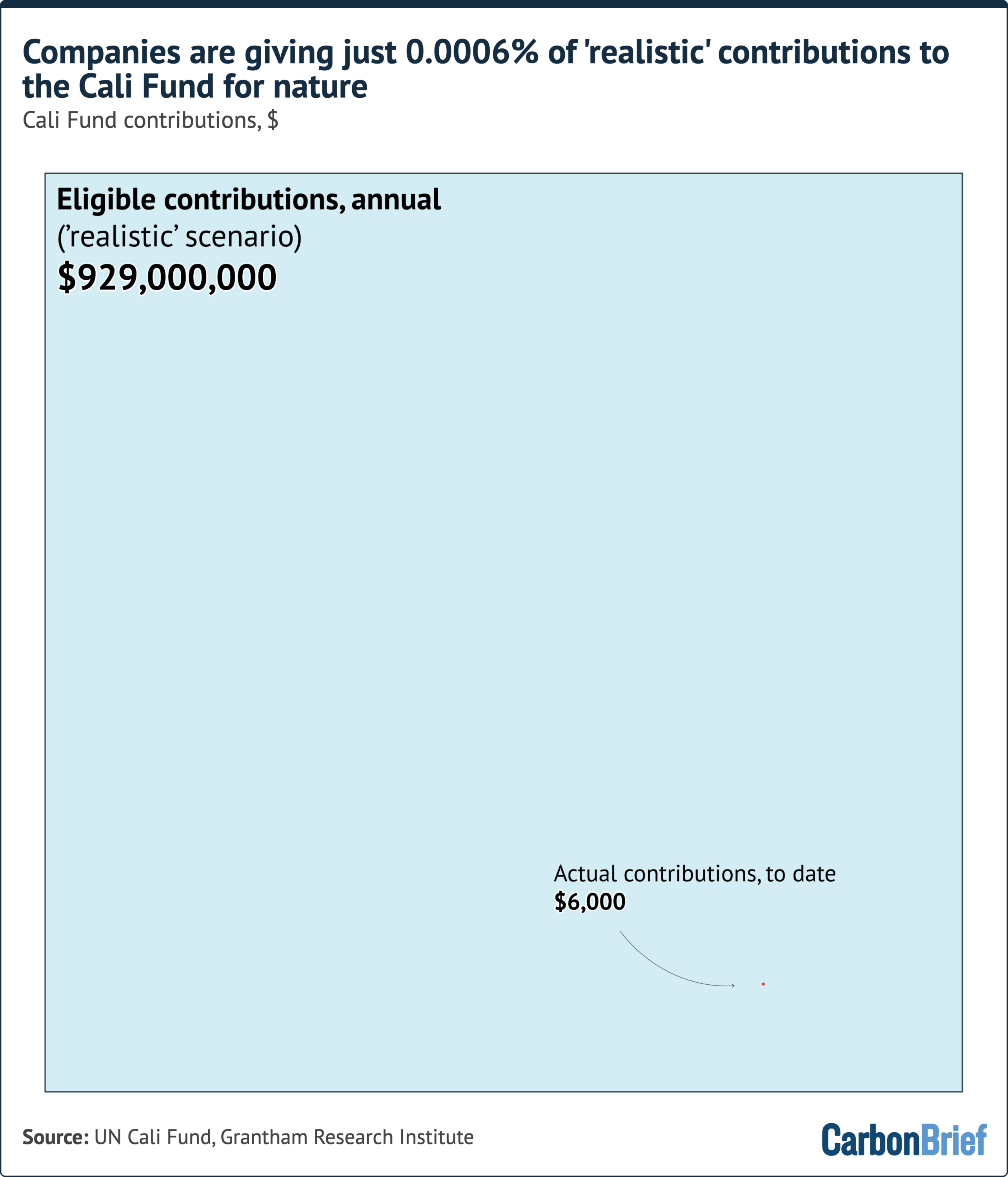
The situation for the Cali Fund is even more precarious. Designed to capture a portion of the vast profits generated by genetic research, the fund theoretically has the potential to raise between $929 million and $3.6 billion annually if industry adoption reaches realistic levels. To date, however, the fund has recorded only two contributions, totaling a symbolic $6,000.
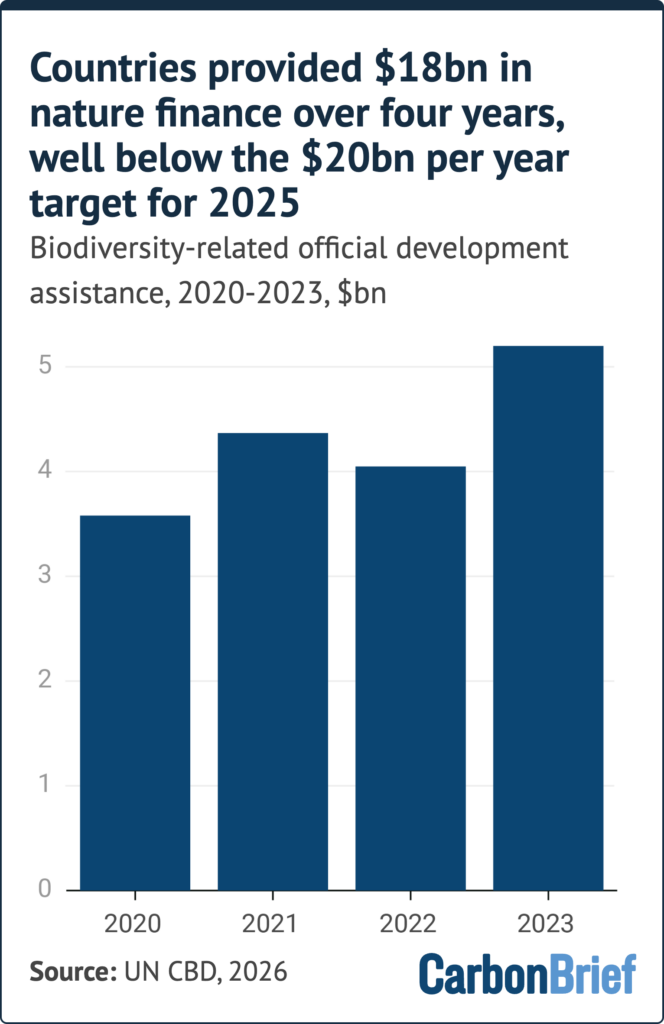
Independent analysis from the Organisation for Economic Co-operation and Development (OECD) corroborates these findings. The OECD reports that while global biodiversity finance reached approximately $75–92 billion per year between 2023 and 2025, international public finance remained stagnant at around $16.1 billion—significantly lower than the $20 billion target. Furthermore, much of this funding is not “biodiversity-specific,” but rather represents broader development aid where nature conservation is merely a secondary consideration.
Official Responses and Expert Critique
The lack of progress has triggered sharp criticism from environmental advocates and policy experts. Lim Li Ching of the Third World Network (TWN) argues that the failure of developed nations to meet their legal obligations is a dangerous precedent.
“Developed countries have regrettably not met their legal obligations,” says Li Ching. She further warns against the industry tendency to pivot toward market-based mechanisms, such as biodiversity offsets and carbon credits, which she suggests often struggle to deliver finance at scale and can inadvertently exacerbate ecological and social harm.
The private sector’s reluctance to engage with the Cali Fund has drawn ire from legal scholars as well. Dr. Siva Thambisetty, an associate professor at the London School of Economics, characterizes the current state of the fund as insufficient because it relies on voluntary participation.
“The private sector is doing what it always does: minimizing outgoings and liability and maximizing freedom to operate,” Dr. Thambisetty notes. She emphasizes that without binding legislation from national governments to mandate contributions, the “Cali debt” will remain unpaid, and the biodiversity goals will remain unreachable.
Dr. June Rubis, representing the Indigenous peoples and local communities on the Cali Fund’s steering committee, expresses deep concern over the “pace of the architecture.” She highlights that for Indigenous communities—the frontline defenders of global biodiversity—the lack of accessible finance is not just a statistical failure, but a threat to their survival. “If one part moves while others are repeatedly deferred, confidence in the wider biodiversity bargain becomes harder to sustain,” she warns.
Implications for the Future
The implications of this financial shortfall are profound. As the world moves toward 2030, the window to prevent irreversible biodiversity loss is rapidly closing. The failure to mobilize resources by 2025 creates a compounding effect; every year of underfunding increases the eventual cost of restoration and heightens the risk of ecosystem collapse.
1. The Erosion of Trust
The most immediate implication of the current funding gap is the erosion of trust between the Global North and the Global South. Developing nations, which harbor the majority of the world’s remaining biodiversity, view the broken financial promises as a breach of the "Global Biodiversity Bargain." This could lead to gridlock at COP17, as developing nations may become increasingly unwilling to agree to more stringent conservation targets without the guaranteed financial support promised in Montreal.
2. The Shift to Risky Market Mechanisms
In the absence of reliable public funding, there is a mounting push to rely on "innovative" finance. While tools like debt-for-nature swaps and biodiversity credits are being touted as solutions, they remain largely unregulated and difficult to monitor. Relying on these mechanisms risks commodifying nature in ways that may not produce tangible conservation outcomes, potentially leading to "greenwashing" rather than genuine restoration.
3. The Need for Regulatory Action
The failure of the Cali Fund suggests that the "voluntary" era of corporate responsibility in biodiversity is insufficient. There is growing consensus that, similar to tax compliance, companies must face mandatory, transparent requirements to contribute to the preservation of the genetic resources from which they profit. The call for national governments to pass laws requiring such contributions is likely to dominate discussions in Yerevan.
4. A Test of Multilateralism
COP17 in Yerevan will serve as a definitive stress test for international environmental governance. If the parties cannot find a pathway to close the $200 billion gap, the credibility of the UN CBD process itself may come under fire. For many observers, the summit represents the last real opportunity to recalibrate the financial architecture of the Kunming-Montreal Global Biodiversity Framework before the 2030 deadline renders the current objectives physically impossible to achieve.
As the summit nears, the message from the scientific and policy community is clear: financial commitments cannot remain symbolic. Unless developed nations and the private sector move beyond pledges and toward tangible, transparent, and legally binding disbursements, the goals of the GBF will remain little more than aspirational text on a page. The planet, meanwhile, continues to lose the species and ecosystems that underpin global stability, at a pace that far outstrips the current global political will to save them.


 Raul Delapena Setiawan

 Laily UPN

 Reynand Wu

 Sagoh


 Azzam Bilal Chamdy

 Ali Ikhwan
