
 Nana
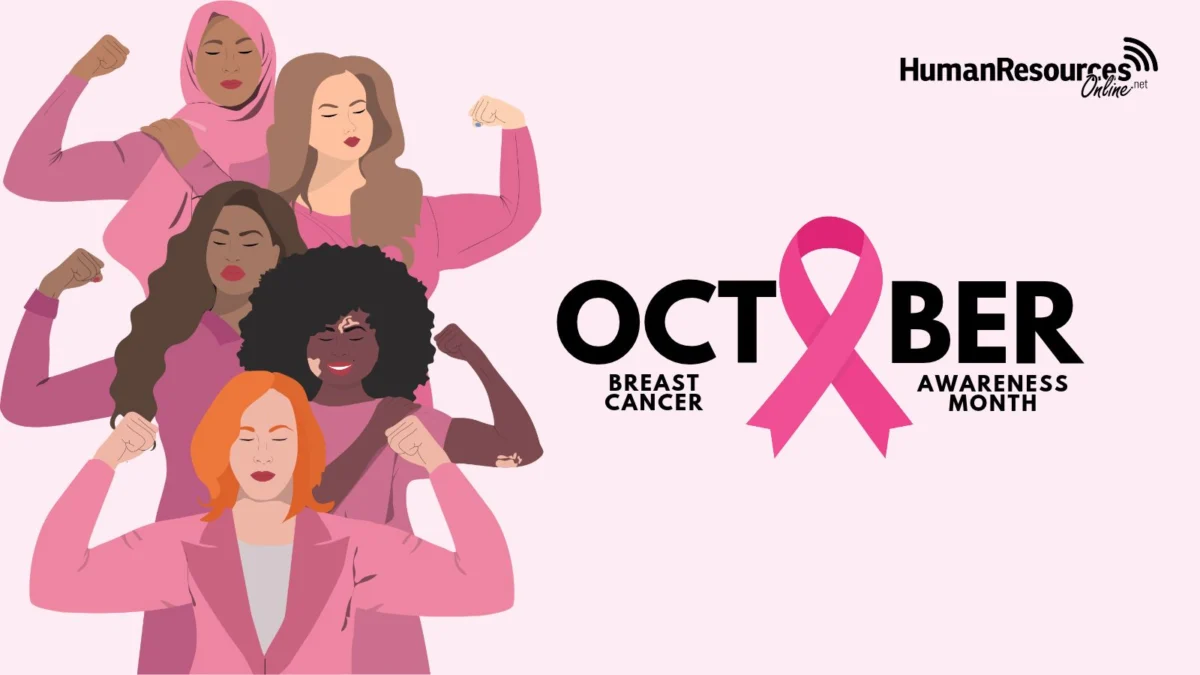
As the global community observes Breast Cancer Awareness Month this October, the conversation within the corporate sector is shifting. What was once a month characterized primarily by symbolic gestures—wearing pink ribbons or illuminating office facades—has evolved into a critical period for substantive policy review and empathetic leadership. For modern employers, the mandate is clear: the workplace must serve as a proactive environment that not only encourages early life-saving screenings but also provides a robust, compassionate framework for those navigating a diagnosis.
In an era where Environmental, Social, and Governance (ESG) metrics and employee well-being are central to organizational success, the role of HR in managing chronic and life-threatening illnesses has never been more vital. This report explores the multi-faceted responsibilities of employers in the fight against breast cancer, providing a roadmap for meaningful action during October and throughout the year.
Main Facts: The Dual Responsibility of the Modern Employer
The intersection of health and work is no longer a peripheral concern for Human Resources. Breast cancer remains the most common cancer diagnosed among women worldwide, and its impact on the workforce is profound. The responsibility of the employer today is bifurcated into two primary streams:
- Preventative Advocacy: Utilizing the organizational platform to disseminate medical guidelines and removing the structural barriers (such as time and cost) that prevent employees from seeking early detection.
- Operational Empathy: Constructing a culture and policy framework that supports employees following a diagnosis, ensuring that their professional identity and financial security remain intact during treatment and recovery.
According to the original guidelines provided by health advocates, meaningful action involves making screening information accessible, offering radical flexibility for medical appointments, and fostering a "psychologically safe" environment where health can be discussed without fear of professional reprisal.
Chronology: The Evolution of Workplace Health Initiatives
To understand the current landscape, one must look at the trajectory of corporate wellness.
- The 1980s – 1990s: The Awareness Era. This period saw the birth of Breast Cancer Awareness Month (founded in 1985). Corporate involvement was largely limited to philanthropy and fundraising. Health was viewed as a private matter, and cancer was often a taboo subject in the office.
- The 2000s – 2010s: The Wellness Integration Era. Companies began to realize that employee health directly impacted the bottom line. "Wellness programs" were introduced, though they often focused on general fitness and nutrition rather than specific disease screening or chronic illness support.
- 2020 – Present: The Holistic Support Era. The COVID-19 pandemic accelerated the breakdown of the wall between work and personal life. Employers are now expected to support the "whole person." This includes mental health, flexible work arrangements for medical reasons, and active participation in public health crises. Today, supporting an employee with breast cancer is seen not just as a "nice to do," but as a core component of talent retention and corporate social responsibility.
Supporting Data: The Case for Early Detection and Workplace Intervention
The statistics surrounding breast cancer underscore the urgency of employer-led advocacy.
The Survival Gap
Data from global health organizations, including the Singapore Cancer Society, indicates that when breast cancer is detected early (Stage 1), the five-year survival rate is often above 90%. Conversely, late-stage detection significantly complicates treatment and reduces survival outcomes.
In Singapore specifically, the guidelines are clear:
- Women aged 50 and above: Recommended mammogram every two years.
- Women aged 40 to 49: Recommended annual mammograms.
- Women aged 20 and above: Recommended monthly breast self-examinations.
The Economic Impact
For employers, the "cost of inaction" is high. Research suggests that "presenteeism"—where an employee is physically present but unable to function due to illness or stress—costs businesses more than absenteeism. Furthermore, the cost of replacing a mid-to-senior level employee who leaves due to a lack of support during a health crisis can range from 50% to 200% of their annual salary. By investing in screening time and flexible support, companies significantly improve their retention rates and reduce long-term disability costs.
Official Responses and Best Practices: A 10-Point Framework
Based on insights from HR leaders and healthcare professionals, here is a comprehensive breakdown of how organizations should structure their breast cancer initiatives.
Part I: Promoting Screening and Early Detection
1. Disseminating Reliable, Localized Information
In an age of digital misinformation, the employer acts as a trusted filter. HR departments should leverage internal newsletters, Slack channels, and employee portals to share verified resources from organizations like the Singapore Cancer Society or the National Cancer Institute. This should include specific "red flag" symptoms and local screening clinic locations.
2. Institutionalizing "Health Time"
The primary barrier to screening is often perceived "work pressure." Employers should explicitly state that time taken for mammograms or diagnostic appointments is sanctioned and encouraged. Managers should be trained to allow "micro-absences"—two or three hours for an appointment—without requiring a full day of medical leave.
3. Bringing the Clinic to the Office
To maximize participation, forward-thinking companies are partnering with healthcare providers to host on-site health talks or mobile mammography units. By removing the commute to a hospital, employers make screening a frictionless process. However, it is essential that participation remains strictly voluntary to respect individual privacy.
4. Cultivating Psychological Safety
Health advocacy fails if employees feel that being "health-conscious" signals a lack of "hustle." Leadership must normalize health conversations. When a C-suite executive mentions they are stepping away for a routine check-up, it sets a powerful precedent that prioritizing health is a professional standard, not a weakness.
5. Sustaining Momentum Beyond October
The "Pink October" phenomenon can sometimes lead to "awareness fatigue." To be effective, health advocacy must be evergreen. Quarterly reminders and year-round access to wellness benefits ensure that an employee whose birthday (and thus their screening window) falls in May is just as supported as one in October.
Part II: Managing a Diagnosis with Empathy (The Manager’s Role)
When an employee discloses a diagnosis, the manager’s response can define that employee’s relationship with the company for years to come.
6. Active Listening vs. Toxic Positivity
- The "Do": Acknowledge the courage it took to share the news. Use open-ended questions like, "How can we best support you during this time?"
- The "Avoid": Clichés like "Everything happens for a reason" or "Stay positive" can be deeply dismissive. Avoid comparing their diagnosis to a relative’s experience, as every cancer journey is unique.
7. Strict Privacy Protocols
- The "Do": Treat the information as highly confidential. Ask the employee specifically: "Who would you like to know about this, and what details are you comfortable sharing?"
- The "Avoid": Never announce a diagnosis to a team or organize a "support fundraiser" without explicit, written consent. Some employees prefer to keep their work life a "cancer-free zone."
8. Dynamic Workplace Adjustments
- The "Do": Propose a menu of options: remote work, "job carving" (temporarily reassigning high-stress tasks), or phased-back-to-work schedules.
- The "Avoid": Don’t assume the employee wants to stop working. For many, work provides a sense of normalcy and purpose. Conversely, don’t expect 100% productivity during chemotherapy weeks.
9. Navigating Benefits and EAPs
- The "Do": Proactively provide a summary of the company’s medical insurance, Employee Assistance Programs (EAPs) for counseling, and critical illness leave policies.
- The "Avoid": Don’t make the employee hunt for this information. They are already overwhelmed; HR should act as a concierge for their benefits.
10. Supporting the "New Normal" of Survivorship
- The "Do": Recognize that "finishing treatment" is not the same as "recovery." Side effects like "chemo brain" (cognitive fog) and extreme fatigue can persist for months. Continue regular check-ins.
- The "Avoid": Don’t stop the support the moment the employee returns to the office. Avoid treating them as "damaged goods" regarding future promotions; their career ambitions likely remain unchanged.
Implications: The Long-term Value of a Health-First Culture
The shift toward proactive breast cancer support has several profound implications for the corporate world:
1. The Strengthening of the "Employer Brand"
In a competitive talent market, candidates are looking for "human-centric" organizations. A company known for standing by its employees during a health crisis builds immense brand equity. This loyalty often translates into higher retention and easier recruitment of top-tier talent.
2. Legal and Compliance Evolution
As workplace laws evolve, the definition of "reasonable accommodation" is expanding. Employers who proactively build flexible frameworks for cancer patients are better positioned to comply with future labor regulations regarding chronic illness and disability rights.
3. The Integration of ESG and Health
Social (the "S" in ESG) factors are increasingly scrutinized by investors. Demonstrating a measurable commitment to employee health—such as high screening participation rates or robust return-to-work programs—is becoming a key indicator of a sustainable and well-managed company.
4. The "Ripple Effect" on Mental Health
Supporting breast cancer awareness isn’t just about the physical illness. It sends a message to all employees—including those dealing with mental health issues or caregiving responsibilities—that the organization values people over output. This reduces overall workplace anxiety and boosts morale across the board.
Conclusion: Beyond the Campaign
Breast cancer awareness is not a seasonal obligation; it is a fundamental aspect of modern workforce management. When employers move beyond the "pink ribbon" and implement structural changes—like flexible scheduling for screenings and empathetic management protocols for the diagnosed—they do more than just improve morale. They save lives and build more resilient, loyal, and human organizations.
Ultimately, an employee’s diagnosis should be a chapter in their life, not the end of their career. By fostering an environment of early detection and unwavering support, employers ensure that their staff can prioritize their health today without compromising their professional future tomorrow.


 Raul Delapena Setiawan

 Jia Lissa

 Ammar Sabilarrohman

 Asep Darmawan

 Asro

 Layla Zulfa

 Nila Kartika Wati

 Muslim
