
 Suro Senen
Foldable smartphones have graduated from experimental niche devices to mainstream flagships. With the arrival of sophisticated, book-style foldables like the Google Pixel 10 Pro Fold and the clamshell elegance of the latest Motorola Razr series, the "folding tax"—the inherent risk of mechanical failure—has decreased significantly. However, despite rapid engineering advancements, the hinge remains the Achilles’ heel of these high-tech marvels.
While you shouldn’t need to treat your smartphone like a fragile antique, understanding the mechanics of your device is essential. By adopting a few mundane, preventative habits, you can extend the lifespan of your foldable and avoid the astronomical repair costs associated with internal display failures.
The Reality of Foldable Durability
The durability of a foldable device is often unpredictable. Real-world usage rarely mirrors the sterile, controlled environment of a laboratory. For instance, one user may subject a Galaxy Z Fold4 to three years of rigorous, daily abuse without a single mechanical hiccup, while another user might experience a catastrophic inner display failure on a Z Fold6 after less than a year of gentle handling.
Often, the culprit is not the folding mechanism itself, but the environment in which it operates. Debris accumulation, temperature fluctuations, and microscopic particulate matter can migrate into the hinge assembly, creating a domino effect that eventually compromises the flexible OLED panel.
The Engineering Myth: Why "Fold Counts" Are Not Expiration Dates
Manufacturers frequently market "fold counts"—laboratory-verified durability ratings—to reassure consumers. Samsung Display, for example, has cited independent testing where their OLED panels withstood 500,000 folds. If you were to fold your phone 100 times a day, that theoretical lifespan would extend over a decade.
However, these figures are misleading for the average consumer. These tests focus exclusively on the flexible display panel under ideal, room-temperature conditions. They do not account for the flex cables that transmit data between halves, the microscopic tension springs within the hinge, or the ingress of pocket lint and sand.
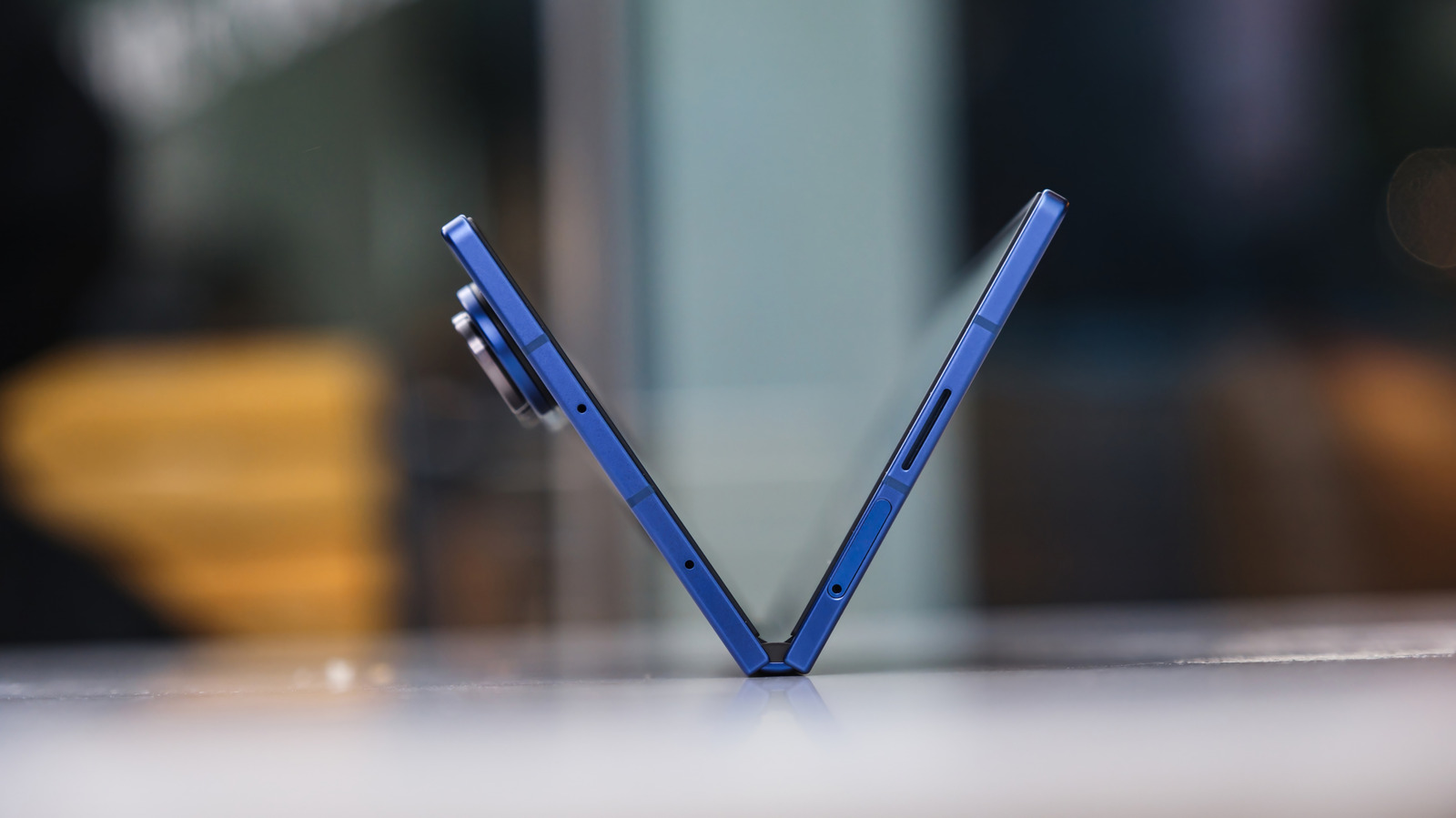
When you see a marketing claim about a 10-year hinge lifespan, interpret it as a testament to engineering quality, not a guarantee of immunity. Real-world conditions—such as a day at the beach or a drop on a hard surface—will always be the primary drivers of hardware failure.
The Physics of Maintenance: Keeping Grit Out
The most effective way to preserve your foldable is to manage the environment. The hinge is a complex mechanical system that, while robust, is not a vacuum-sealed chamber.
1. The Pre-Closure Inspection
Before you snap your phone shut, a quick visual check is the single most important habit you can adopt. Ensure that no foreign objects—such as sand, metal filings, or crumbs—are resting on the inner display or near the hinge gap. Even a single grain of sand can act as a fulcrum, puncturing the display from the underside as the pressure of closing the hinge forces it into the flexible layer.
2. Understanding IP Ratings (The Dust Problem)
Many current foldables, such as the Galaxy Z Fold8 or Z Flip8, carry an IP48 rating. The "4" indicates protection against solid foreign objects larger than 1mm. Crucially, this does not mean the device is dustproof. Fine, particulate matter—the kind that collects in jeans pockets—can still bypass these seals. Treat your phone as if it has no dust protection at all; your bank account will thank you.
3. Avoid Pressurized Air
When debris does find its way into the hinge, the temptation to use a can of compressed air is high. Resist this urge. Pressurized air can force microscopic dust particles deeper into the mechanical components or, worse, drive debris beneath the display screen protector or the display panel itself. If you suspect your hinge is clogged, use a soft-bristled, clean anti-static brush to gently sweep the area, or consult a professional service center.
Official Guidance and Best Practices
Major manufacturers have become increasingly transparent about the limitations of their hardware.
- Samsung’s Stance: Samsung emphasizes the importance of keeping the inner screen free of pressure. Avoid using sharp objects like styluses not specifically designed for the device, and never press down hard on the crease.
- Motorola’s Warnings: Motorola explicitly warns that dust can shorten the functional life of the hinge and cause permanent display scarring. They suggest that users pay attention to the tactile feedback of the device.
- The External Display Strategy: Modern software design now prioritizes the external screen. Devices like the Razr+ 2026 allow users to run full, functional apps on the cover display. By utilizing this screen for quick tasks—checking notifications, replying to messages, or controlling media—you can reduce your daily "fold count" by 50% or more without sacrificing productivity.
Monitoring the Health of Your Hinge
You don’t need to live in fear, but you should be observant. A healthy hinge should operate with a consistent, smooth resistance. If you notice a change in the physical experience of the device, take note:
- The "Crunch": If you hear a faint grinding or crunching noise when opening or closing the device, stop immediately. This is a telltale sign of debris trapped in the track.
- Uneven Resistance: If the phone feels stiffer on one side or the hinge clicks at a specific angle, the internal alignment may be compromised.
- The "Stop-Short": If the device no longer lays perfectly flat or refuses to hold a specific angle (Flex Mode), the internal tensioning mechanism is likely failing.
Continuing to force a hinge that is showing these symptoms is the fastest way to turn a $50-cleaning service into a $579 screen module replacement.
The Economic Implications
The cost of owning a foldable extends far beyond the initial retail price. With a Galaxy Z Fold8 inner-screen replacement costing upwards of $579, the long-term cost of ownership is high.
While insurance plans and extended warranties mitigate this, they do not recover the time lost during repairs or the potential loss of data during a factory reset. By shifting your mindset from "this device is a tank" to "this device is a high-precision instrument," you protect your investment.
Conclusion: A New Relationship with Hardware
Foldable technology is arguably the most exciting development in mobile hardware in the last decade. It offers the utility of a tablet in the form factor of a smartphone. But this innovation requires a trade-off in physical resilience.
By avoiding extreme temperature shifts, keeping your pockets clear of lint, and being mindful of the physical feedback your phone provides, you can enjoy the benefits of a foldable device for years. The goal isn’t to ration your device usage, but to ensure that when you do open your phone, the mechanism is operating in an environment that allows it to thrive. Treat the hinge with respect, and it will continue to provide that seamless "wow" factor for years to come.


 Lina Irawan

 Laily UPN
 Iffa Jayyana
 Rifan Muazin

 Lina Hope