
 Neng Nana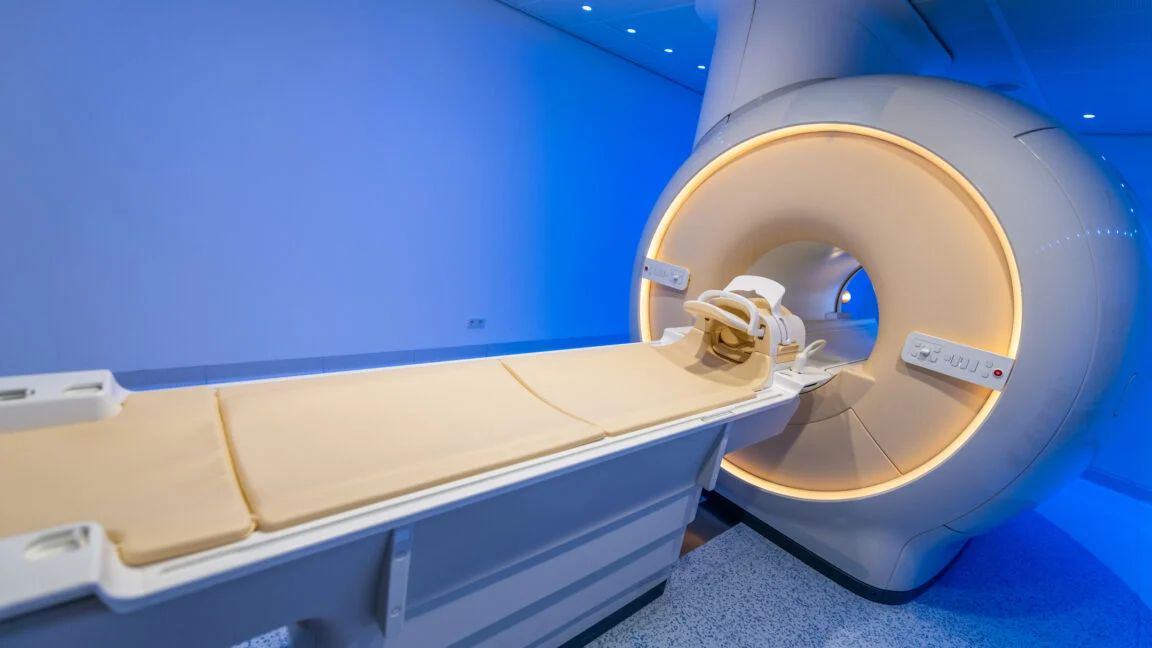
For over a decade, the scientific consensus regarding the psychedelic experience has been defined by a single, evocative metaphor: chaos. When researchers placed volunteers under the influence of psilocybin—the psychoactive compound found in "magic mushrooms"—they observed a brain in disarray. Stable communication networks, those elegant highways responsible for vision, attention, and the fundamental sense of self, appeared to crumble. EEG readings became frantic and noisy, and the brain’s compartmentalized functions seemed to bleed into one another, leading to the widely accepted "entropic brain" hypothesis.
However, a groundbreaking study published in Nature (2026) by a team of neuroscientists at Monash University suggests that this narrative of disorder is incomplete. By employing advanced artificial intelligence to re-examine brain activity, researchers have discovered that what appears to be a disorganized storm is, in fact, a highly structured, context-dependent state. The brain under psilocybin is not merely breaking down; it is reconfiguring itself into a new, coherent form of order.
The Architecture of the Study: The PsiConnect Experiment
The research, led by neuroscientist Devon Stoliker, sought to move beyond the limitations of traditional neuroimaging. Previous studies often relied on "task-based" experiments, where subjects were asked to perform specific mental exercises while in an MRI scanner. Stoliker argues that such methods are inherently flawed. "Once you introduce these sorts of tasks, you’re actually interrupting the very phenomena you are seeking to measure," Stoliker explains. "We wanted ecological validity. We wanted to know what the brain was like when somebody was having an authentic, uninterrupted psychedelic experience."
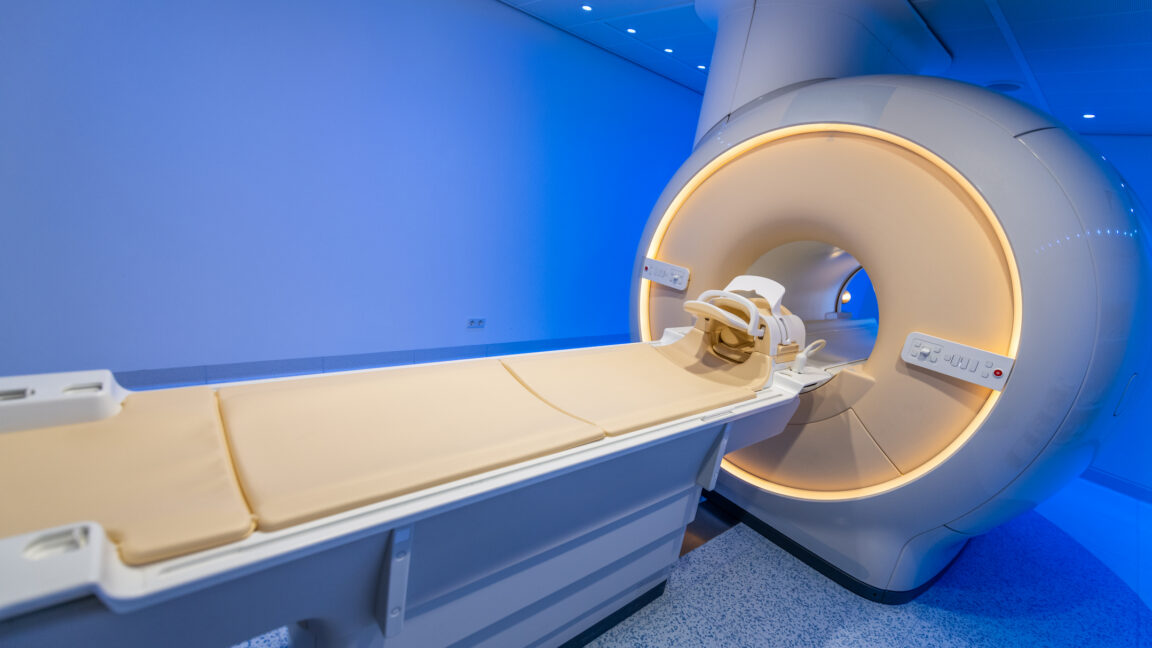
The team designed the "PsiConnect" experiment to preserve this authenticity. Sixty-two participants, all psychedelic-naïve, underwent a rigorous four-part protocol, conducted both in a sober state and after receiving a 19-milligram dose of psilocybin. The sequence was designed to be immersive rather than taxing: eight minutes of resting, a period of guided meditation, an 11-minute curated music playlist, and six minutes of watching video footage of clouds.
By avoiding cognitive demands, the researchers allowed the psychedelic effect to unfold naturally. The results were profound: nearly half of the participants described their session as one of the most meaningful experiences of their lives, with 24 ranking it in their top five.
Chronology of Discovery: From Noise to Nuance
The journey to these findings began with a shift in analytical methodology. Conventional neuroscience typically relies on two layers of averaging: averaging brain activity over time (to get a stable signal) and averaging across participants (to eliminate individual "noise").
Stoliker’s team realized that these standard practices were likely masking the very phenomena they sought to understand. By averaging out the "noise," researchers were essentially smoothing over the fleeting, dynamic structures that characterize the psychedelic state. To rectify this, the Monash team turned to CEBRA, a sophisticated machine-learning algorithm capable of processing moment-by-moment neural data while preserving the temporal trajectory of brain states.
When the team fed the activity of 332 distinct brain regions into the AI, a clear pattern emerged. While the sober brain showed relatively little differentiation between the four contexts (rest, meditation, music, and clouds), the psilocybin-influenced brain demonstrated a high level of organizational complexity. The AI could accurately categorize the specific context the participant was in simply by observing their neural activity. This suggests that under psilocybin, the brain becomes hyper-attuned to its environment, creating distinct, structured "trajectories" of activity that are more defined than those of a sober brain.
Supporting Data: The Erosion of Boundaries
The quantitative data provided a granular look at how the brain reconfigures itself. One of the most striking observations was the shift in modularity—the degree to which the brain remains sorted into specialist teams. Under psilocybin, connections within specific brain networks weakened, while connections between different networks strengthened.
This leads to what Stoliker terms "embeddedness." As the sensory and associative regions of the brain begin to communicate more freely, the rigid boundaries between the internal self and the external environment begin to dissolve. The visual network, for instance, showed a dramatic reduction in the gap between "eyes-open" and "eyes-closed" states. Under psilocybin, the brain’s ability to "see" imagery with eyes closed becomes nearly as vivid as sensory input from the outside world.
Further evidence came from the EEG data, which showed that alpha-band activity—typically the brain’s mechanism for gating visual input—was reduced by nearly 50 percent. This confirms the subjective reports of participants who described a world where the distinction between the self and the external reality was porous and interconnected.
Official Responses and Theoretical Implications
The implications of this research are substantial. By identifying that psilocybin induces a specific, reproducible state of "hidden order," the study challenges the reductive view that psychedelics are merely "brain-breaking" agents.
"Theoretically, we could suggest that psychedelics are temporarily altering the organization of brain networks that ordinarily help maintain this separation that we experience," Stoliker notes. "It really challenges the idea of whether the internal world and external world are separate and highlights the idea that the brain may be responsible for constructing both."
The research has been met with significant interest in the psychiatric community. Dr. Elena Vance, a clinical psychologist not involved in the study, noted that "the discovery that the brain organizes itself around context during a trip suggests that ‘set and setting’ are not just philosophical concepts, but measurable clinical variables. If we can map the brain’s response to specific external stimuli, we might one day be able to ‘tune’ the therapeutic environment to optimize patient outcomes."

Toward a New Era of Psychedelic Medicine
The path forward, however, is marked by cautious optimism. The Monash team is the first to acknowledge the limitations of their work. All participants were healthy individuals; the impact of psilocybin on brains affected by clinical depression, PTSD, or other psychiatric disorders remains to be seen. Furthermore, the "optimal" conditions for therapy—the specific music, visual cues, or environmental parameters—are currently unknown.
Stoliker emphasizes that future research must move beyond the "one-size-fits-all" model. "It’s quite possible we would want to take different approaches for each individual, or depending on what their diagnosis is," he says. The goal is to move from the current, somewhat experimental approach to a precise, data-driven methodology where the therapeutic "environment" is tailored to the individual’s neural landscape.
The success of the classifier in tracking the participants’ profound psychological shifts suggests that these brain trajectories are indeed meaningful. Those who experienced the most significant "reorganization" of their neural networks also reported the most significant positive psychological changes the following day. This correlation offers a potential biomarker for therapeutic success, providing clinicians with a way to gauge whether a session is effectively facilitating the desired psychological shifts.
Conclusion: A Shift in Perspective
The Monash University study serves as a critical bridge between the phenomenological experience of a "trip" and the hard data of neuroscience. For years, the scientific narrative focused on the "noise" of the psychedelic brain. By looking beneath that noise, Stoliker and his colleagues have uncovered a symphony of reorganization.
As we move toward a future where psychedelics are increasingly integrated into medical practice, the recognition that these substances do not cause chaos, but rather a profound, context-sensitive reordering, is a paradigm shift. It transforms the psychedelic experience from a mysterious, uncontrollable event into a potential tool for neuro-architectural repair. The brain, it seems, is not merely being disrupted; it is being liberated to communicate in ways that are as beautiful as they are orderly. The journey into the psychedelic mind is only just beginning, but for the first time, we have a map of the landscape.


 Lina Irawan
 Suro Senen
 Laily UPN
 Iffa Jayyana
 Rifan Muazin

 Lina Hope