
 Sagoh
Sagoh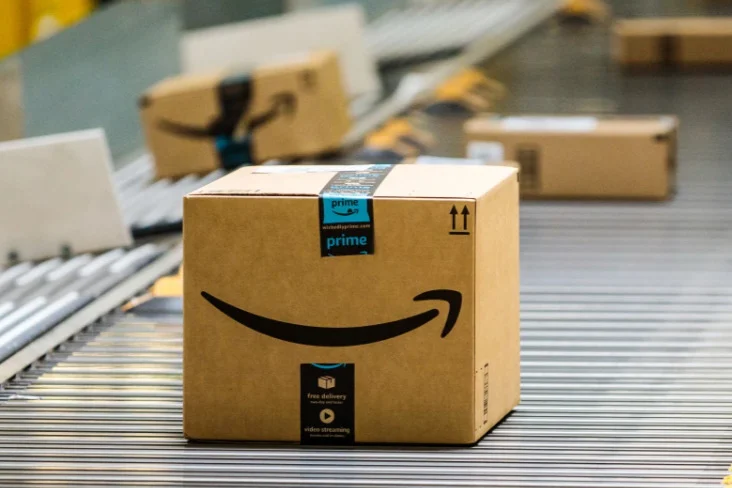
In an era of shifting global commerce and accelerating digital transformation, Amazon continues to solidify its footprint across Europe. The e-commerce behemoth, under the leadership of CEO Andy Jassy, has doubled down on its commitment to its largest international markets, most notably the United Kingdom and France. Recent financial disclosures reveal that Amazon is not merely maintaining its operations but is aggressively scaling its logistics, infrastructure, and workforce to meet the rising demands of a digitally savvy European consumer base.
The UK Strategy: A Multi-Billion Euro Commitment
The United Kingdom remains the bedrock of Amazon’s European operations. As of 2025, the UK stands as the company’s third-largest market globally, trailing only the United States and Germany. This position is underscored by a staggering financial commitment: last year alone, Amazon poured more than €17 billion (£15 billion) into the British economy.
This expenditure is not an isolated event but a critical component of a broader, long-term roadmap. The company has publicly committed to a total investment of €46 billion (£40 billion) by the end of 2027. This ambitious capital deployment is designed to modernize logistics, bolster cloud infrastructure through Amazon Web Services (AWS), and expand the physical footprint of its fulfillment network.
Financial Performance and Economic Impact
The scale of Amazon’s influence in the UK is reflected in its recent economic impact report. In 2025, the company reported total revenues exceeding €34 billion (£30 billion) within the British market. Beyond top-line growth, the company has seen a significant rise in its tax contribution, with payments totaling more than €1.5 billion (£1.3 billion)—a 20% increase compared to 2024.
This financial footprint is supported by a robust workforce of approximately 75,000 permanent employees in the UK, making Amazon one of the largest private-sector employers in the country. The economic ripple effect of these operations extends to thousands of small and medium-sized enterprises (SMEs) that utilize the Amazon marketplace to reach domestic and international customers, further cementing the company’s role as a vital cog in the British economy.
Expanding the Continental Footprint: The French Initiative
While the UK remains a priority, Amazon’s focus is equally intense across the English Channel. Last month, the company announced a massive €15 billion investment in France to be distributed over a three-year period. Unlike the UK investment, which is spread across various sectors, the French initiative is laser-focused on logistics efficiency and supply chain resilience.
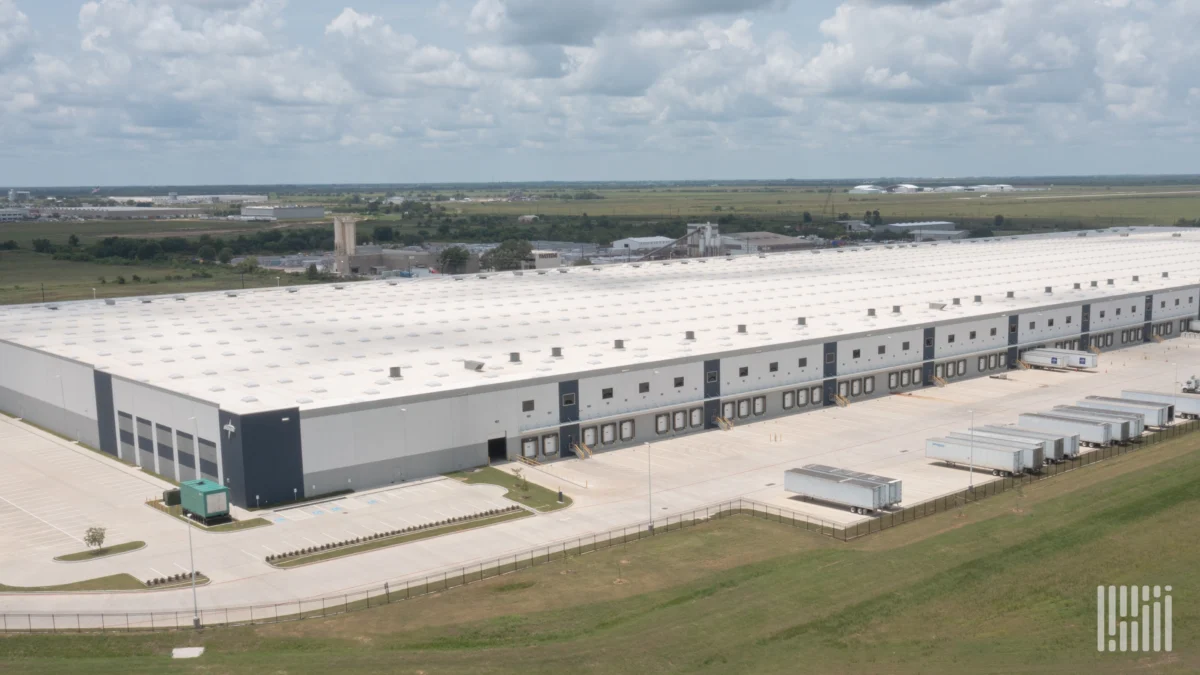
The plan involves the construction of four state-of-the-art distribution centers. By optimizing the proximity of these hubs to major population centers, Amazon aims to drastically reduce delivery times and improve the sustainability of its last-mile logistics. Furthermore, this expansion is projected to generate over 7,000 new permanent jobs, providing a significant boost to regional employment figures in France.
Chronology of Investment: A Strategic Timeline
The current trajectory of Amazon’s investment is the culmination of years of calculated planning. To understand how the company reached this point, it is necessary to examine the sequence of its recent moves:
- Mid-2024: Amazon officially unveils its long-term roadmap for the UK, announcing the €46 billion investment pledge aimed at the 2025–2027 period. This announcement signaled a transition from a reactive "pandemic-growth" strategy to a "proactive infrastructure" strategy.
- Late 2024: The company initiates the planning phase for new fulfillment centers in the UK, specifically targeting the Midlands and Northern England to rebalance logistics capabilities away from the congested Southeast.
- Early 2025: Amazon reports a 20% year-on-year increase in tax contributions in the UK, signaling that its revenue growth is successfully translating into fiscal contributions.
- May 2025: Official reports confirm the €34 billion revenue milestone for the UK, solidifying its ranking as the third-largest global market.
- June 2025: The French expansion project is greenlit, with the announcement of the €15 billion investment, focused on technological integration and the construction of the four new French hubs.
The Logistics Revolution: Investing in New Warehouses
At the heart of Amazon’s multi-billion euro investment is the "warehousing revolution." The retail landscape has evolved from simple distribution to complex, automated, and AI-driven fulfillment.
In the UK, the focus is on "regional decentralization." By building new warehouses in Central and Northern England, Amazon is effectively shortening the "distance to customer." This strategy serves a dual purpose: it lowers carbon emissions by reducing transit mileage and increases the viability of "Prime" delivery services in underserved areas. These new facilities are not merely storage units; they are hyper-automated hubs equipped with robotics and sophisticated inventory management software that allow for higher throughput with fewer errors.
Official Responses and Corporate Philosophy
Amazon’s leadership has consistently framed these investments as a commitment to the "local" nature of their business. In official statements, Amazon executives often emphasize that while the company is a global entity, its operations are inherently local.
"Our investment in the United Kingdom is a reflection of our confidence in the British economy," a company spokesperson noted during the most recent financial briefing. "We are not just building warehouses; we are building the infrastructure that will support the next decade of digital commerce in the UK and beyond."
Economists, however, provide a more nuanced perspective. While governments generally welcome the tax revenue and job creation, there is ongoing scrutiny regarding the competitive impact these investments have on local brick-and-mortar retail. Amazon’s expansion is often seen as a double-edged sword: it creates high-tech, permanent jobs, but it also increases the pressure on traditional high-street businesses that cannot compete with the speed and scale of an Amazon-dominated supply chain.
Implications for the Future: What Lies Ahead?
The implications of these multi-billion euro investments are far-reaching.
1. The Labor Market
Amazon’s move toward permanent, full-time employment—rather than seasonal or gig-based roles—suggests a change in the company’s labor philosophy. By investing in the long-term training of its staff, Amazon is positioning itself as a career destination rather than a stopgap employer. This shift is likely a response to both legislative pressures and the need for a more skilled workforce to manage increasingly complex automated systems.
2. Supply Chain Resilience
The COVID-19 pandemic and subsequent geopolitical tensions highlighted the fragility of global supply chains. By investing heavily in regional distribution centers, Amazon is "insulating" its European market from global disruptions. If a major hub is compromised, the network is now robust enough to reroute orders, ensuring that the consumer experience remains seamless.
3. Regulatory Scrutiny
As Amazon’s market share grows, so does the attention from competition regulators. The European Commission and the UK’s Competition and Markets Authority (CMA) are closely monitoring how these investments influence market dominance. Amazon’s strategy of "investing in the ecosystem" (providing tools for third-party sellers while simultaneously competing with them) remains a point of contention. Future investments may need to be increasingly transparent to satisfy the concerns of regulatory bodies.
4. Technological Integration
The next phase of Amazon’s investment will likely shift from physical brick-and-mortar structures to "invisible infrastructure." This includes artificial intelligence, machine learning for demand forecasting, and autonomous delivery vehicles. The massive physical investment currently underway serves as the foundation for this future digital layer.
Conclusion: A Continent Reconfigured
Amazon’s recent investment spree in the UK and France is more than a display of financial might; it is a clear declaration of the company’s vision for the future of European retail. By spending tens of billions on infrastructure, the company is effectively building a "moat" that will make it difficult for competitors to catch up in terms of speed, reach, and efficiency.
As the 2027 deadline for the current investment cycle approaches, the company will likely shift its focus toward optimization and the integration of emerging technologies. For the UK and French markets, the result will be a faster, more responsive, and highly digitized shopping experience. However, the true legacy of these billions will be determined by how successfully Amazon integrates these massive operations into the local economies, balancing its need for efficiency with the societal and regulatory expectations of the nations in which it operates.
The retail revolution is not slowing down; if anything, with the deployment of these capital-intensive projects, it is merely entering its most significant phase yet. For the consumer, the change will be subtle—a faster delivery, a wider selection, a smoother checkout. But behind the scenes, a massive, multi-billion-euro transformation is reshaping the very fabric of how Europe shops.


 Jia Lissa
 Basiran
 Nila Kartika Wati

 Lina Hope