
 Laily UPN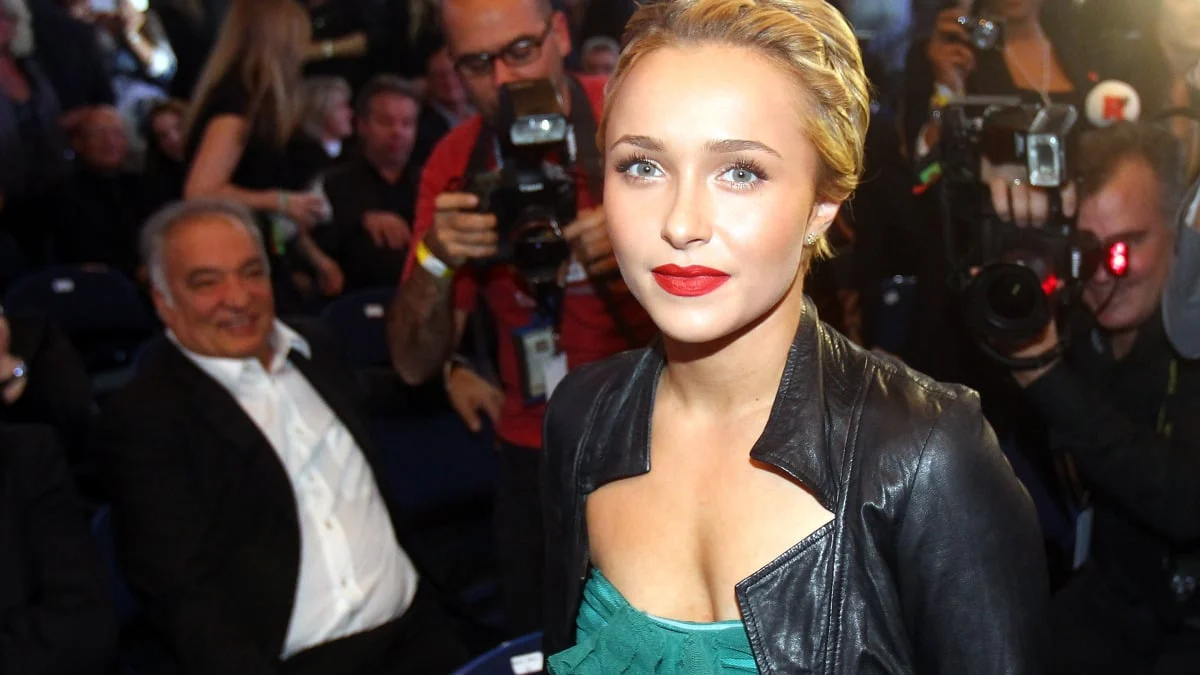
The sudden passing of actress Hayden Panettiere on August 16, at the age of 36, has triggered a profound wave of public grief and, unexpectedly, a significant corporate reckoning. As fans worldwide revisit the legacy of the Heroes and Nashville star—a career defined by both immense early talent and a courageous, public battle with addiction and postpartum depression—a specific, controversial chapter of her professional life has resurfaced, igniting a firestorm of digital activism.
At the center of this controversy is an allegation made by Panettiere regarding the beauty giant Neutrogena. The actress claimed that in the wake of her 2015 disclosure regarding her struggle with postpartum depression, the brand attempted to terminate their long-standing partnership, citing a "morals clause" in her contract. As the public revisits her memoir, This Is Me: A Reckoning, this account has galvanized a massive movement to boycott the brand, marking a pivotal moment in the ongoing cultural conversation about how corporations treat the mental health of their ambassadors.
The Genesis of the Conflict: A Candid Admission
To understand the current backlash, one must return to the fall of 2015. Panettiere, then a staple of the popular drama Nashville, had recently become a mother to her daughter, Kaya. During an appearance on Live with Kelly and Michael, the conversation shifted toward her television character’s own struggles with new motherhood. In a moment of raw honesty, Panettiere drew parallels to her own life, confirming that she was grappling with the debilitating effects of postpartum depression.
"There’s a lot of misunderstanding," she told the hosts, describing the experience as a "scary" and isolating ordeal that necessitated significant support. At the time, the revelation was seen as a brave move that helped destigmatize a condition often shrouded in shame. However, behind the scenes, the professional fallout was immediate.
The "Morals Clause" Confrontation
In recent months, particularly during the promotional cycle for her 2026 memoir and a May appearance on Jay Shetty’s On Purpose podcast, Panettiere detailed the internal coldness she experienced following that interview. According to the actress, she received word that Neutrogena—a brand she had represented in advertising campaigns for nearly a decade—sought to invoke a "morals clause" to dissolve their contract.
"Of all the things that they would fire me over, this was the last thing I thought they would fire me over," she recounted. The implication was that by speaking openly about a medical and psychological struggle, she had somehow breached the standard of behavior expected of a "wholesome" brand ambassador. While her representatives were able to stave off immediate termination, the relationship was irreparably fractured. Her contract was not renewed the following year, and perhaps most painful for Panettiere, the exit was silent. There were no parting gifts, no public statements of gratitude, and no acknowledgments of the decade of service she had provided.
Chronology of a Corporate Fallout
The timeline of this incident reveals a stark disconnect between public sentiment and corporate decision-making.
- 2000s – 2014: Hayden Panettiere establishes a long-term partnership with Neutrogena, becoming the face of several major skincare and acne-prevention campaigns.
- September 2015: Panettiere appears on Live with Kelly and Michael, disclosing her struggle with postpartum depression.
- Late 2015: Panettiere alleges that Neutrogena executives contact her team, threatening to terminate her contract for violating a morals clause.
- 2016: The brand does not renew the actress’s contract, ending the decade-long partnership without public comment or fanfare.
- May 2026: Panettiere discusses the incident in detail on the On Purpose podcast and in her memoir, This Is Me: A Reckoning, bringing the issue into the mainstream discourse.
- August 16, 2026: Hayden Panettiere passes away.
- Late August 2026: Social media users, mourning the actress, discover these past allegations. The story goes viral, leading to organized boycotts on Reddit, X (formerly Twitter), and TikTok.
The Digital Uprising: From Grief to Boycott
The scale of the current backlash is unprecedented in the beauty industry. Within days of the resurgence of these allegations, a Reddit thread on the r/Anticonsumption community surged to over 7,000 upvotes, with thousands of users sharing their intent to purge their medicine cabinets of Neutrogena products.
The criticism is not merely directed at the brand’s past actions, but at the perceived hypocrisy of companies that market themselves on "self-care" and "empowerment" while penalizing those who demonstrate the reality of the human condition. On TikTok and X, users are creating compilation videos juxtaposing the brand’s advertisements with interviews of Panettiere discussing her mental health struggles. The sentiment is unified: consumers are demanding that if brands want to benefit from the image of celebrities, they must support those individuals when they are at their most vulnerable.
Market Impact and Financial Consequences
The outrage has spilled over from social media into the financial sector. On Monday, following the height of the digital campaign, shares of Kenvue—the parent company of Neutrogena, which also manages household staples like Tylenol, Band-Aid, and Aveeno—dipped by more than 2 percent. While market fluctuations are complex, analysts suggest the sustained negative sentiment and the potential for a long-term brand equity decline are weighing on investor confidence.
The Silence of the Corporation
Despite the mounting pressure and multiple requests for comment from major media outlets, Neutrogena and Kenvue have maintained a position of strategic silence. The company has not issued a statement addressing the allegations, nor have they clarified their internal policies regarding the use of "morals clauses" in relation to medical or mental health disclosures.
This silence, according to crisis management experts, may be exacerbating the situation. By failing to acknowledge the claims, the company appears to be confirming the coldness Panettiere described in her final months. In an era where corporate transparency is increasingly demanded by Gen Z and Millennial consumers, the "no comment" approach is proving to be a high-risk strategy.
Broader Implications for the Influencer Economy
The Panettiere-Neutrogena case serves as a microcosm for a larger, systemic issue in the entertainment and advertising industries. The reliance on "morals clauses"—broad, often vague contractual provisions that allow companies to exit agreements if a talent engages in "disreputable" conduct—is being called into question.
The Evolution of the "Morals Clause"
Legal experts are beginning to argue that these clauses are outdated and fundamentally discriminatory when applied to mental health, addiction, or reproductive health issues. If a company claims to be a champion of women, as Neutrogena often does, critics argue that they cannot simultaneously punish those women for experiencing the biological or psychological realities of motherhood.
The movement following Panettiere’s death is forcing a reckoning. Agencies are now being urged to rewrite these clauses to ensure that talent is protected during medical crises. Furthermore, the incident has highlighted the "disposability" of talent in the eyes of multinational conglomerates. When an artist gives a decade of their life to a brand, they expect a partnership; what Panettiere described was a transaction that lacked basic human empathy.
Conclusion: A Legacy of Accountability
The outpouring of support for Hayden Panettiere is a testament to the impact she had on her audience. She was not just an actress; she was a voice for the voiceless, someone who refused to hide her scars. The fact that her final months were spent fighting to expose a corporate culture that she felt had wronged her shows a woman determined to leave the industry better than she found it.
As the boycott against Neutrogena continues, the message from the public is clear: consumers are no longer willing to look the other way. They are demanding that the brands they support align with their values—not just in their marketing slogans, but in their treatment of the people behind the camera. Whether this leads to a formal apology from the company or a permanent change in how beauty brands handle mental health disclosures remains to be seen. However, one thing is certain: the conversation has shifted, and the "reckoning" that Panettiere called for in her memoir is now being carried out by the very fans she fought so hard to represent.
For the industry, the lesson is stark: the cost of silence is no longer just a reputation; it is the trust of an entire generation of consumers who are watching, waiting, and refusing to support companies that prioritize bottom lines over the mental well-being of their own faces.

 Reynand Wu
 Iffa Jayyana
 Raul Delapena Setiawan

 Sagoh
Sagoh

 Azzam Bilal Chamdy
 Ali Ikhwan