
 Dwi Wanna
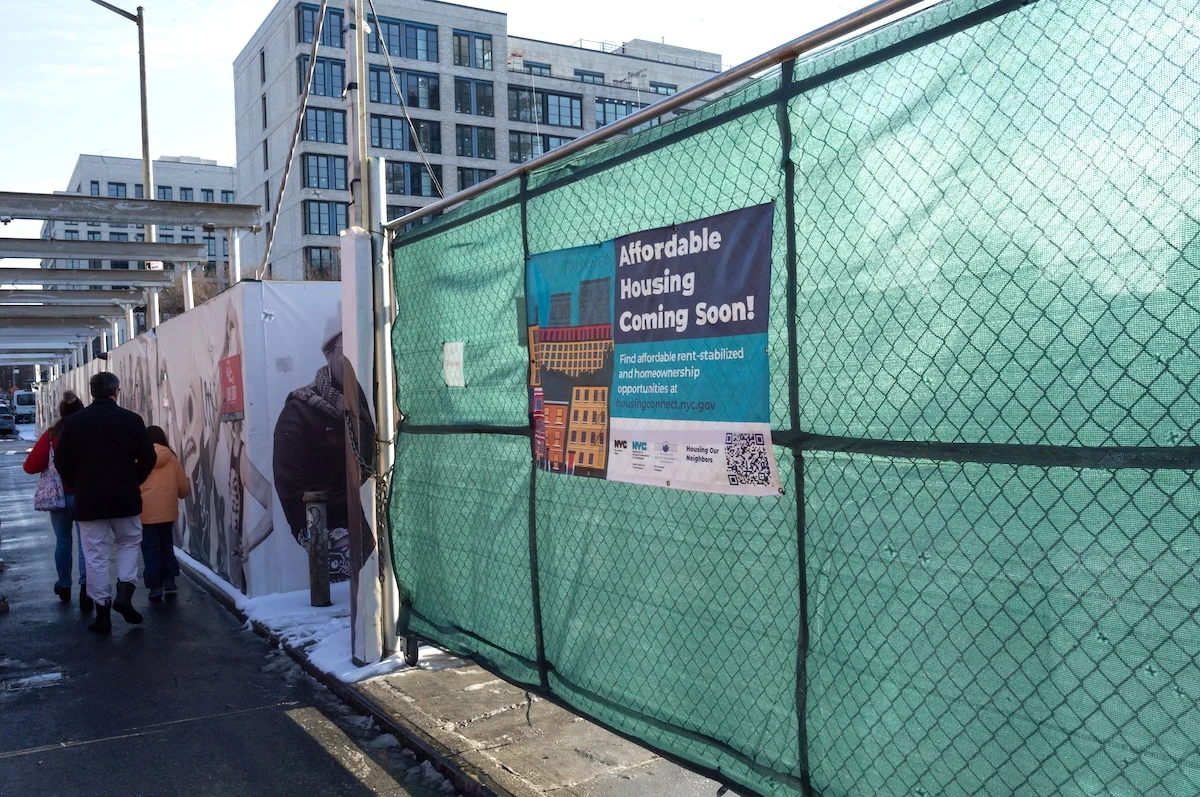
In a landmark shift for American urban planning and environmental policy, New York has officially become the first state in the nation to mandate that new building construction be entirely electric. This transition, which effectively eliminates gas hookups and other fossil fuel infrastructure in new developments, represents a watershed moment in the national effort to combat climate change. By decoupling the construction sector from the volatility and emissions of the fossil fuel industry, New York is signaling a fundamental redesign of how the state will heat, cool, and power its future.
The Mandate: What the New Rules Entail
The transition to all-electric construction is not an overnight occurrence but a phased regulatory rollout. The mandate, formalized through the state’s building codes, requires that new buildings move away from gas-burning appliances—such as stoves, furnaces, and water heaters—in favor of high-efficiency electric heat pumps and induction technology.
According to the rules finalized by the State Fire Prevention and Building Code Council in late July 2025, the requirements are tiered based on building size and project application dates:
- Small-to-Mid-Sized Residential: Residential buildings up to seven stories in height that have permit applications approved on or after December 31, 2025, must be fully electric.
- Commercial and Industrial: Commercial and industrial projects up to 100,000 square feet with permits approved on or after December 31, 2025, must also adhere to the mandate.
- Large-Scale Commercial/Industrial: Larger commercial and industrial buildings exceeding 100,000 square feet are granted a longer lead time, with the mandate taking full effect in 2029.
While the ruling is comprehensive, it is not absolute. To ensure public safety and operational continuity, the state has provided specific exemptions. Facilities such as hospitals, medical clinics, laboratories, crematoriums, and certain agricultural structures remain exempt from these requirements, acknowledging the specialized energy demands that current electric infrastructure may struggle to meet in high-intensity, mission-critical environments.
A Chronology of the Legislative Battle
The path to this historic mandate was neither short nor simple. The "All-Electric Buildings Act" (AEBA) was initially passed by the New York State Legislature in 2023, setting the stage for a prolonged legal and political showdown.
2023: The Legislative Spark: The state legislature passed the AEBA, aiming to address the massive carbon footprint of the building sector. The move was met with immediate pushback from fossil fuel interest groups and construction trade associations.
2023–2024: The Legal Resistance: Opponents of the bill utilized a legal strategy that had proven successful in California, where a federal court overturned a local ban on natural gas in Berkeley. Industry groups argued that the New York law was preempted by federal regulations governing energy efficiency standards.
July 2025: The Judicial Green Light: In a critical ruling earlier in July 2025, the U.S. District Court of the Northern District of New York delivered a major victory to the state, ruling that New York could proceed with the AEBA. The court’s decision effectively cleared the final major legal obstacle, allowing the state’s building code council to finalize the regulations.
Late July 2025: Finalization: Following the court’s blessing, the State Fire Prevention and Building Code Council moved swiftly to finalize the building codes, solidifying the mandate and establishing the December 31, 2025, deadline for compliance.
Supporting Data: Why Electrification Matters
The primary driver behind this shift is the undeniable data regarding the state’s emissions profile. Currently, buildings account for approximately 31% of all greenhouse gas emissions in New York. Without a fundamental shift in how these structures are built and powered, the state’s ambitious climate goals—as outlined in the Climate Leadership and Community Protection Act—would remain out of reach.
Beyond the climate impact, the economic case for electrification is increasingly compelling. Data from the New Buildings Institute suggests that electrification is not a financial burden but a long-term investment.

- Operational Savings: Residents are expected to see a 17% reduction in energy usage in new homes. Over a 30-year span, this is projected to save the average household nearly $5,000 in utility costs.
- Construction Efficiency: Contrary to the narrative that "green" construction is inherently more expensive, recent studies show that building a 100% electric single-family home can result in initial construction cost savings ranging from $7,500 to $8,200 compared to conventional homes that require extensive gas line installation and ventilation infrastructure.
Official Responses and Stakeholder Perspectives
The victory has been framed by proponents as a triumph of community health and long-term sustainability over corporate lobbying.
"The fossil fuel industry was sent a powerful message by the court in this case—the health, well-being, affordability, and prosperity of our communities matters more than the industry’s profits and the hollowness of its fear-mongering," said Dawn Wells-Clyburn, executive director of PUSH Buffalo. Her sentiment highlights the social justice component of the law, as the shift away from fossil fuels is expected to improve indoor air quality, directly benefiting residents who have historically suffered from respiratory issues linked to gas appliances.
Alex Beauchamp, Northeast region director at Food & Water Watch, underscored the grassroots nature of the achievement. "When New Yorkers come together… we can win even in the face of opponents with an almost-limitless budget. That is how we won this bill. It’s also how we are going to continue the fight to get fossil fuels out of all the existing buildings in the state."
However, the opposition has not entirely disappeared. Industry groups have reportedly petitioned the U.S. Department of Justice to block the implementation of the act, citing concerns over grid capacity and the potential impact on utility markets. While the law stands, the prospect of further federal legal challenges remains a point of contention that analysts are watching closely.
Implications for the Future of American Real Estate
New York’s decision acts as a bellwether for the rest of the United States. As the first state to implement such a policy, New York is creating a blueprint for other jurisdictions to follow.
1. Market Transformation
The demand for high-efficiency heat pumps and electric appliances is set to skyrocket. Manufacturers are likely to see increased pressure to scale production, which will further drive down costs through economies of scale. Real estate developers will need to adapt their blueprints, shifting from traditional HVAC and gas-piping models to modern, integrated electric systems.
2. Grid Modernization
The mandate implicitly necessitates an upgrade to the state’s electrical grid. As new construction moves toward total electrification, utility companies will need to accelerate their transition toward renewable energy sources to ensure that the "all-electric" mandate is truly carbon-neutral. This shift will likely spur investment in energy storage solutions, smart grid technologies, and local renewable generation.
3. Policy Cascades
Historically, policies adopted by New York and California tend to create a "policy cascade" throughout the country. With the legal hurdles in New York partially cleared, other states with ambitious climate goals—such as Washington, Massachusetts, and Colorado—may feel empowered to introduce similar legislation.
4. Public Health and Equity
The shift toward all-electric buildings is also a public health imperative. Studies have consistently linked gas stoves to increased levels of nitrogen dioxide and fine particulate matter, which are associated with childhood asthma. By mandating electric alternatives, New York is effectively legislating better indoor air quality, potentially reducing the long-term healthcare burden on the state.
Conclusion
The finalization of the all-electric building mandate is a historic achievement that proves climate policy can withstand intense scrutiny when backed by robust data and public support. As New York enters this new phase of development, the eyes of the nation will be fixed on the state’s ability to execute this transition.
While the journey is far from over—with existing buildings still requiring massive retrofits and legal challenges still looming—the message from Albany is clear: the era of burning fossil fuels in our living rooms and offices is coming to an end. For the construction industry, the energy sector, and the average New York resident, this is not just a change in building codes; it is the beginning of a cleaner, more efficient, and more sustainable future.


 Raul Delapena Setiawan

 Laily UPN

 Reynand Wu

 Sagoh


 Azzam Bilal Chamdy

 Ali Ikhwan
