
 Jia Lissa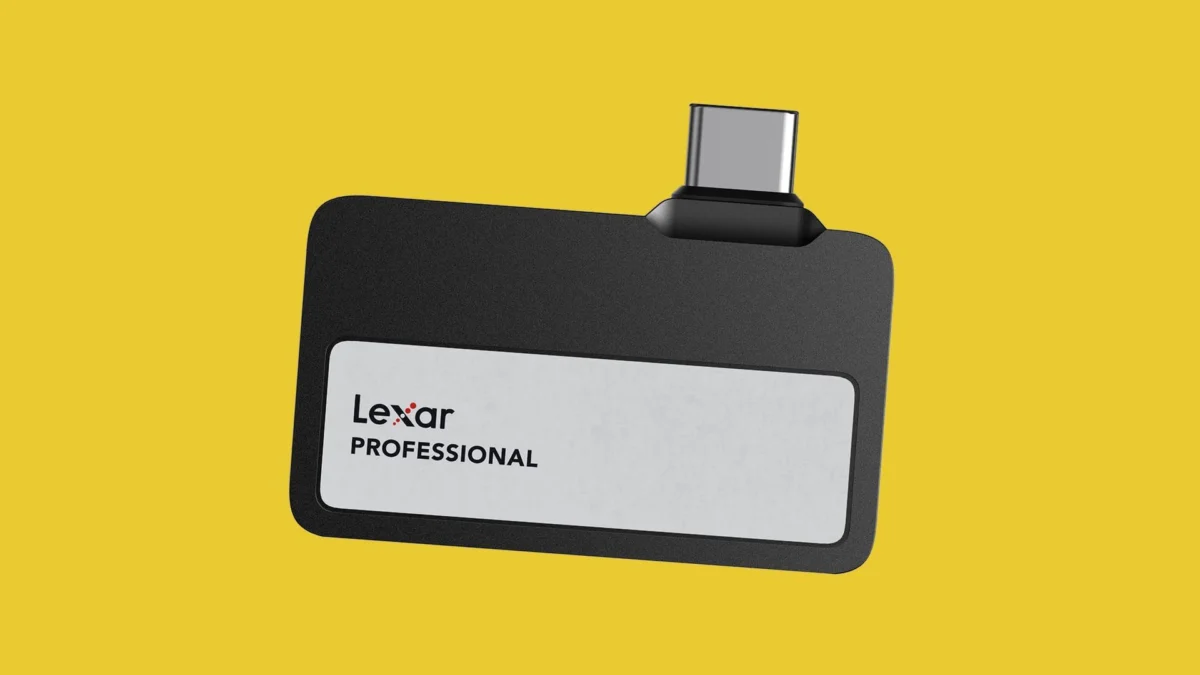
For modern content creators, the smartphone has evolved from a convenient communication tool into a powerhouse of mobile cinematography. With the advent of Apple’s ProRes codec and the high-frame-rate capabilities of the latest iPhone Pro models, the quality gap between a dedicated cinema camera and a pocket-sized device has narrowed significantly. However, this shift toward professional-grade video comes with a demanding shadow: the insatiable need for high-speed, high-capacity storage.
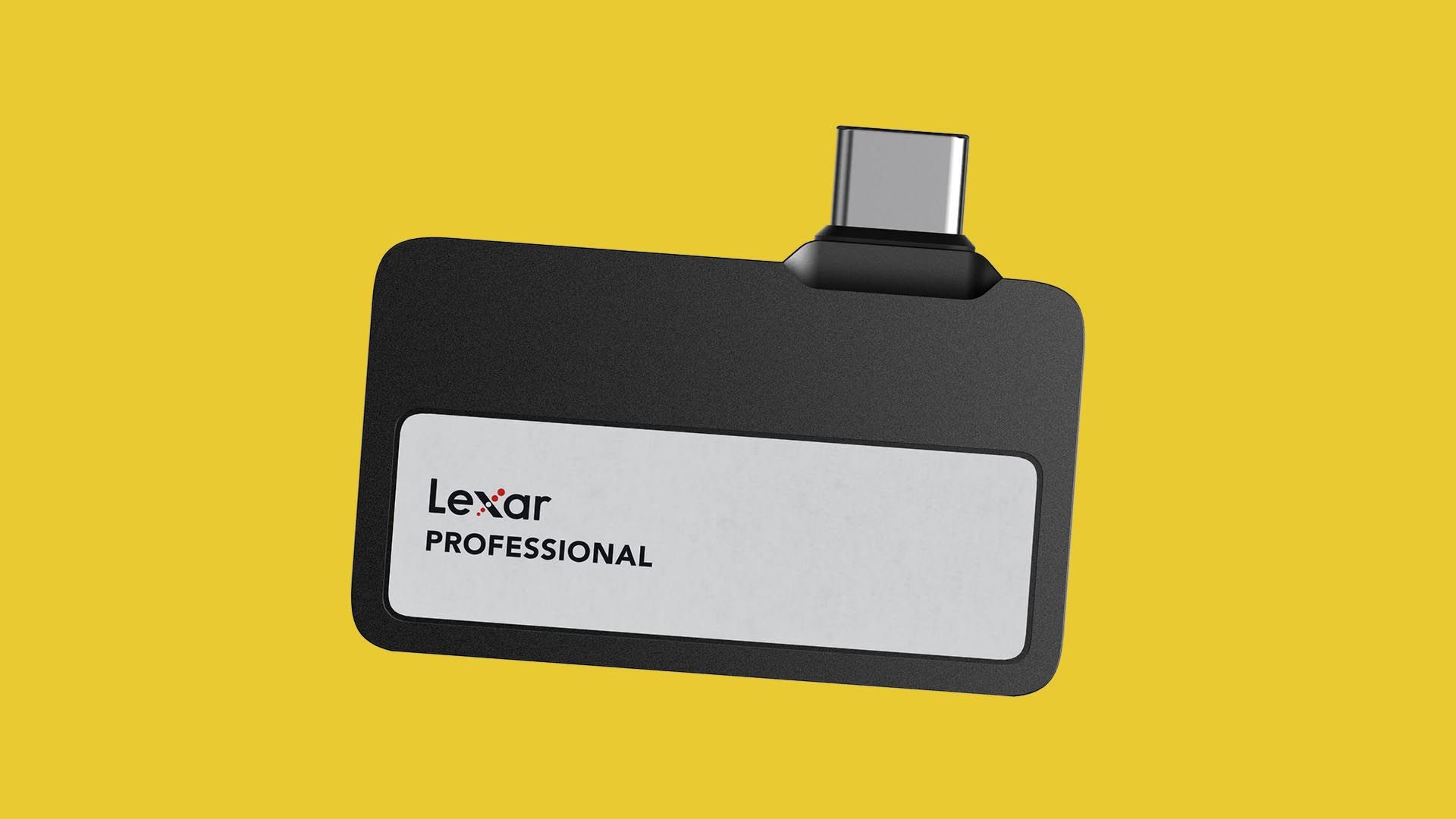
As we navigate through 2026, the cost of flash memory has surged due to the insatiable appetite of AI data centers, making storage a significant overhead for creators. Amidst these market headwinds, a rare opportunity has emerged: the Lexar Professional Go Portable SSD has seen a substantial price reduction at B&H Photo, dropping from $379.99 to $229.99. This discount represents a critical intervention for videographers struggling to balance high-bitrate recording with limited internal device storage.
The Bottleneck: The Cost of Cinematic Quality
To understand the significance of this deal, one must first look at the technical reality of filming in ProRes. When an iPhone 18 Pro records in 4K ProRes, it is not merely capturing pixels; it is recording a vast amount of uncompressed or lightly compressed data intended for professional-grade color grading and post-production manipulation.
A single minute of 4K ProRes footage can consume upwards of 7 GB of storage. When a creator pushes the device to its limits—shooting at 60 fps or 120 fps—this figure climbs even higher. Internal storage, while fast, is finite. A standard 256GB or even 512GB iPhone can be filled in under an hour of professional-grade shooting. Once the internal memory is exhausted, the camera app ceases to function, effectively ending a shoot prematurely.
The industry’s reliance on cloud storage is insufficient for this use case; the sheer volume of data makes instantaneous offloading to the cloud impossible for the mobile creator on the move. Thus, the external SSD has become the industry-standard "digital film roll."
Chronology: A Turbulent Market for Flash Memory
The current landscape of memory hardware is defined by the "AI Boom" of the mid-2020s.
- Early 2024: The demand for high-performance enterprise SSDs, required to train Large Language Models (LLMs), began to exert massive pressure on the global supply chain.
- Late 2024 to 2025: Prices for NAND flash memory—the core component of SSDs—witnessed a steady, aggressive climb. Consumer-grade portable storage, which previously enjoyed years of price deflation, suddenly became a luxury.
- Early 2026: Prices reached a relative plateau at an elevated level. For the mobile creator, this meant that high-speed, reliable external storage was often priced out of reach, forcing many to settle for lower-quality recording formats like HEVC (High-Efficiency Video Coding), which, while storage-friendly, lack the flexibility of ProRes in a professional editing suite.
- The Current Moment: The recent discount on the Lexar Professional Go SSD at B&H marks the first significant price correction of 2026. This move is viewed by industry analysts as a strategic attempt by hardware manufacturers to move inventory during a period of reduced consumer spending on non-essential tech, offering a rare "window of opportunity" for creators to bolster their gear bags.
Supporting Data: The Case for the Lexar Professional Go
The Lexar Professional Go is not merely a standard external drive; it is a specialized tool engineered for the "run-and-gun" creator. Its primary value proposition lies in its modularity and form factor.
Technical Specifications and Performance
The drive functions as a "plug-and-play" extension of the smartphone’s file system. By utilizing a USB-C interface, it establishes a direct data pathway that bypasses the internal flash memory entirely.
- Direct-to-Drive Recording: The device allows users to record 4K ProRes footage directly to the SSD in real-time. This eliminates the need for post-shoot file transfers, as the drive can be plugged directly into an iPad or a MacBook Pro for immediate editing in Final Cut Pro or DaVinci Resolve.
- Portability: The Lexar unit is remarkably "minuscule," designed to sit flush against the back of an iPhone. This is critical for creators who use gimbal stabilizers. A bulky external drive can disrupt the balance of a handheld gimbal, but the Lexar’s compact footprint minimizes torque and weight issues.
- Modular Versatility: Beyond the 1TB SSD, the inclusion of a hub (available for an additional $20) allows for pass-through charging. This solves the "battery anxiety" often felt during long shoots, where the USB-C port is occupied by the drive, preventing the phone from being charged simultaneously.
Official Responses and Industry Sentiment
While Lexar has not issued a formal press release regarding the specific pricing strategy for this sale, industry experts at B&H Photo and other major retailers suggest that this is part of a broader push to keep the mobile photography ecosystem viable.
"We are seeing a trend where accessory manufacturers are realizing that the ‘Pro’ user is becoming more sensitive to the cost of peripherals," notes tech analyst Marcus Thorne. "When you are already spending $1,500 on a flagship smartphone, a $400 SSD feels like an exorbitant tax. By bringing that price closer to the $200 mark, Lexar is tapping into a massive segment of the creator economy that has been sitting on the sidelines, waiting for hardware costs to stabilize."
Furthermore, creators have praised the drive’s compatibility. Unlike some generic external SSDs that struggle with the specific file-formatting requirements of iOS, the Lexar Professional Go is optimized for the Apple ecosystem, ensuring that the handshake between the iPhone’s camera firmware and the drive is seamless.
Implications for the Future of Mobile Filmmaking
The accessibility of this hardware has profound implications for the democratized future of cinema.
The Shift Toward Professional Standards
As high-bitrate recording becomes the standard, the definition of "prosumer" equipment is shifting. We are seeing a blurring of lines where the tools used by a YouTuber or a TikTok content creator are functionally identical to those used in professional documentary production. The availability of affordable, high-speed storage ensures that this trend continues, rather than stalling due to hardware costs.
The Sustainability of High-Resolution Workflows
The environmental and practical implications of these drives are also significant. By investing in a high-quality SSD, creators reduce the need for constant, destructive file management. Instead of deleting footage to make space, they are archiving it. This fosters a culture of higher-quality content creation, where the footage captured is preserved for its potential future use, rather than being treated as ephemeral data.
Future-Proofing
As we look toward the remainder of 2026, the integration of AI-assisted editing tools and increasingly complex camera algorithms will only demand more of our devices. The move toward modular, external hardware is not a temporary trend; it is the long-term solution to the physical constraints of mobile hardware.
Conclusion: A Strategic Investment
For the content creator, the Lexar Professional Go is more than just a peripheral; it is a gateway to the full capabilities of their smartphone camera. At the reduced price point of $229.99, it represents a significant value proposition that addresses the two greatest hurdles in modern mobile production: the cost of storage and the reliability of high-speed data transfer.
Whether you are a filmmaker shooting short-form content for social media or a documentary enthusiast pushing the boundaries of mobile cinematography, the constraints of internal storage are no longer an excuse for compromising on quality. With the market volatility of 2026 showing few signs of immediate reversal, securing reliable hardware like the Lexar Professional Go at a discounted rate is, perhaps, one of the most prudent decisions a creator can make this year. As the technology continues to evolve, those who have invested in the right infrastructure will be the ones best positioned to capture the next generation of visual stories.

 Layla Zulfa
 Nana Wu
 Ali Ikhwan
 Raul Delapena Setiawan
 Nana
Nana
 Muslim
 Asep Darmawan
 Neng Nana