
 Lina Hope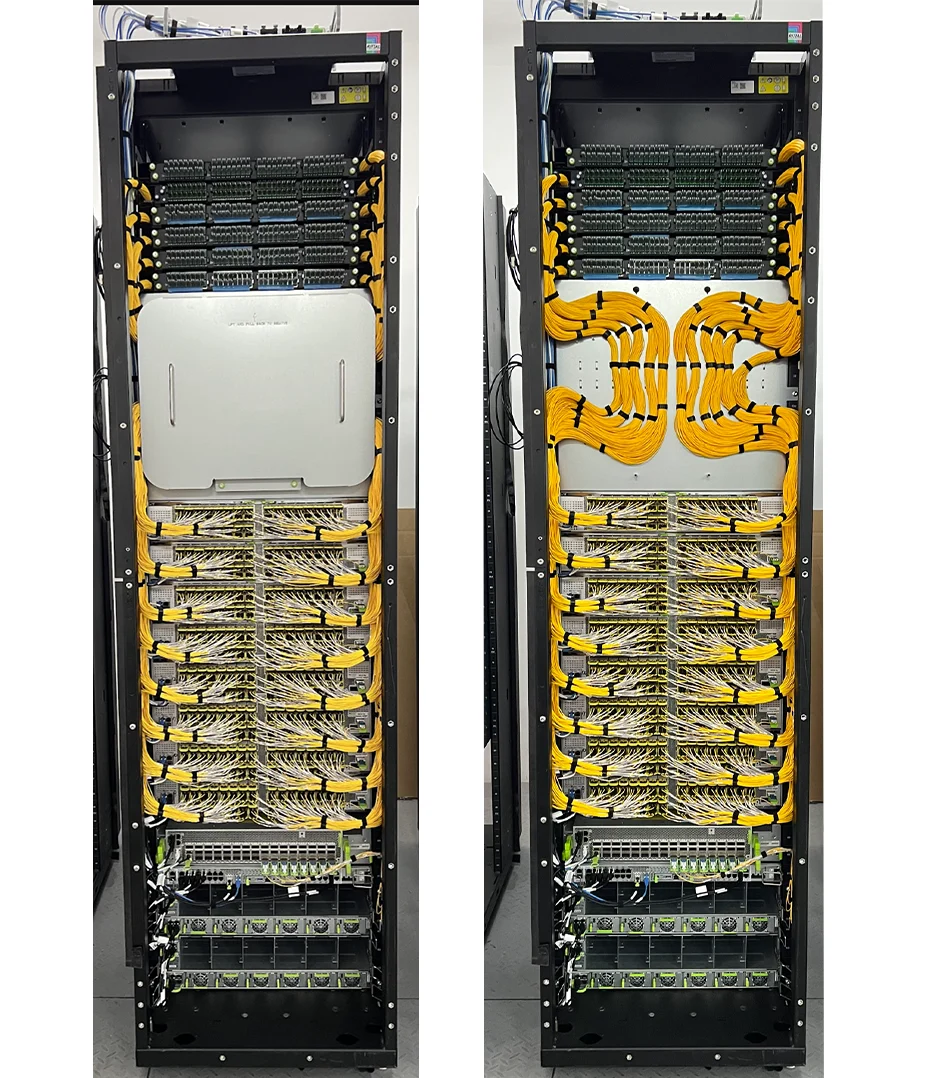
The rapid escalation of artificial intelligence—from the sophisticated, multi-modal "Muse" models to personal AI agents serving millions—has placed an unprecedented burden on the physical infrastructure of the internet. As AI clusters transition from building-scale experiments to gigawatt-scale, region-spanning monoliths, the traditional bottlenecks of proprietary hardware and fragmented networking standards are no longer sustainable.
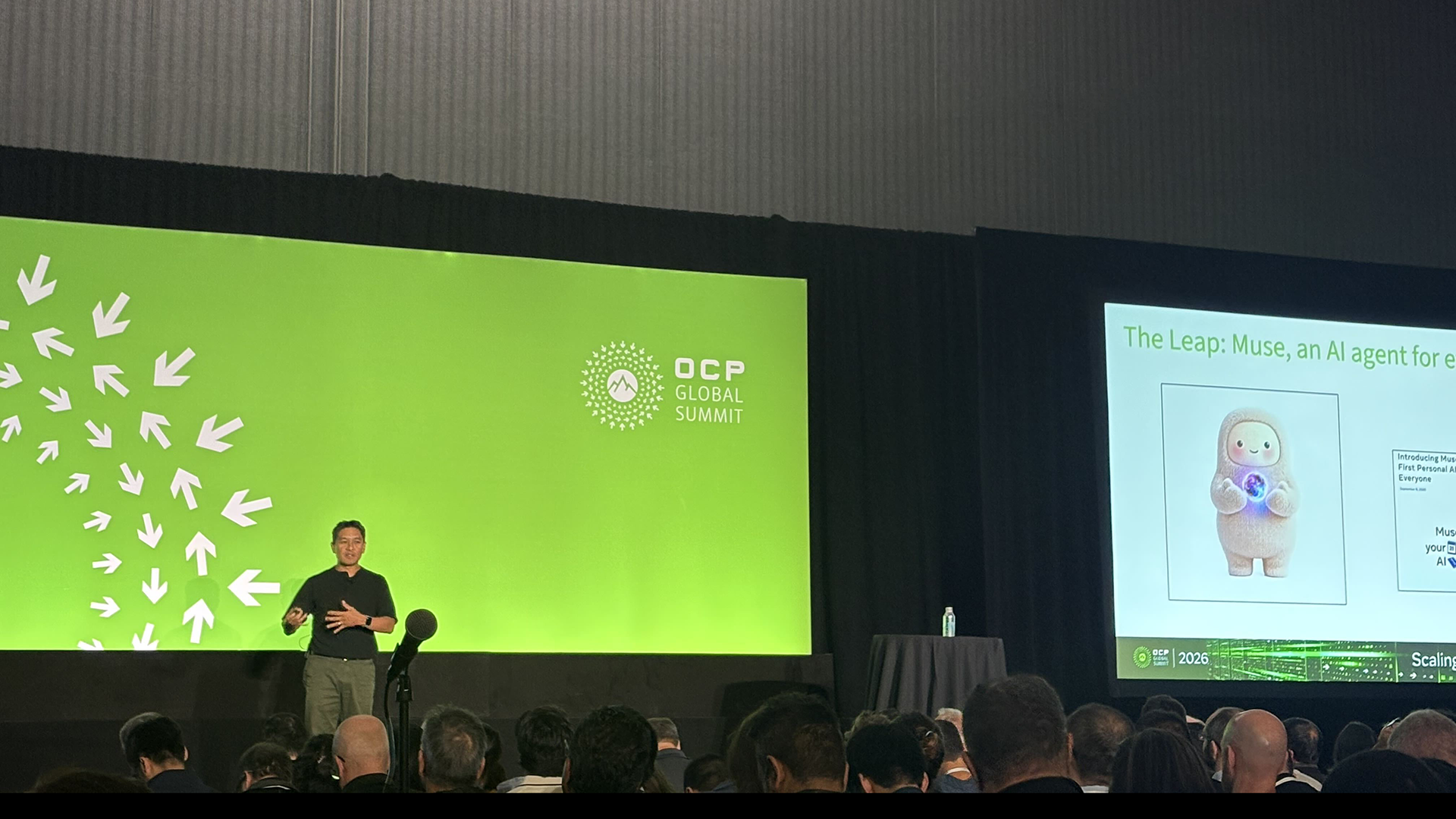
At the Open Compute Project (OCP) Summit 2026, Meta, a founding architect of the open-source hardware movement, unveiled a comprehensive roadmap to solve these challenges. By moving toward a fully liquid-cooled, Ethernet-centric, and standardized networking stack, Meta is attempting to dictate the future of how AI workloads are connected, scaled, and managed.
The Main Facts: A New Networking Paradigm
Meta’s 2026 announcements center on a pivot toward massive, open, and modular networking. The core of this strategy is the shift to the 102.4T (Terabit) generation of networking silicon, which Meta is operationalizing through its new IcePack rack architecture.
Key pillars of this transformation include:
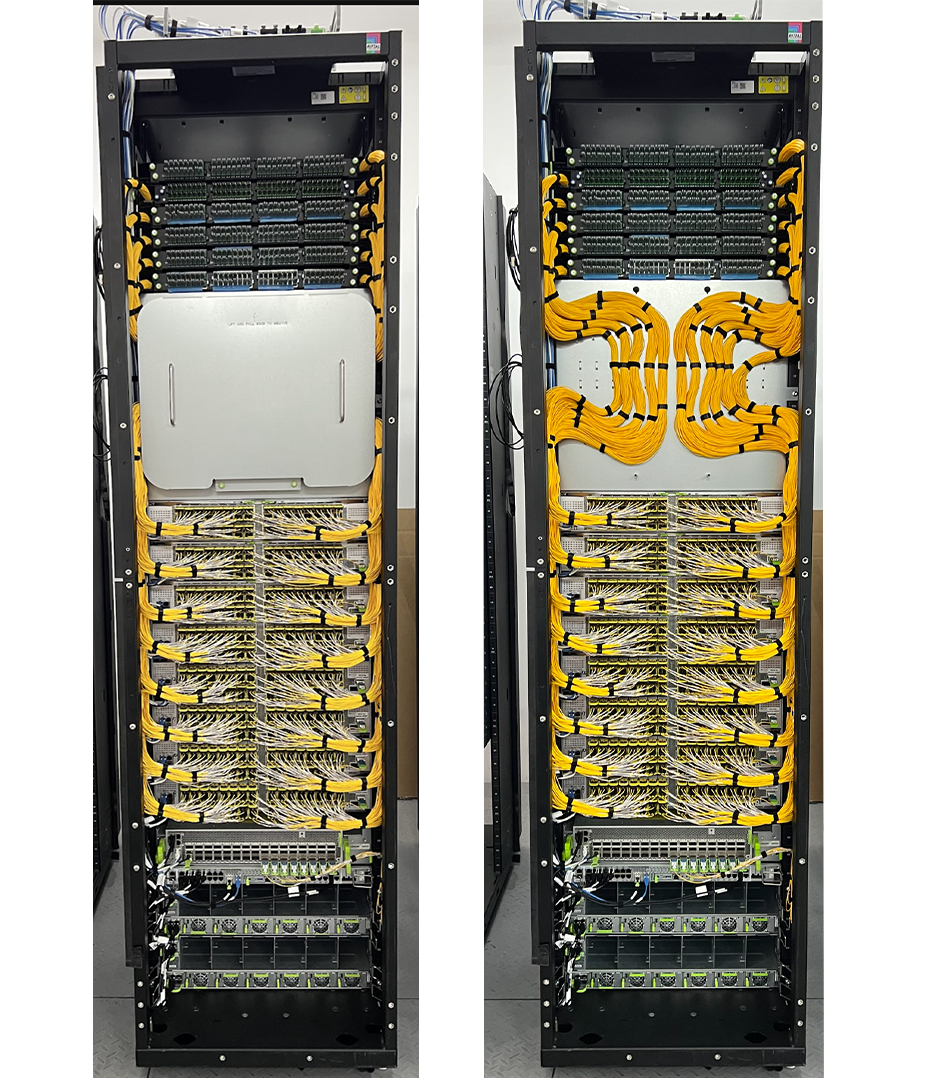
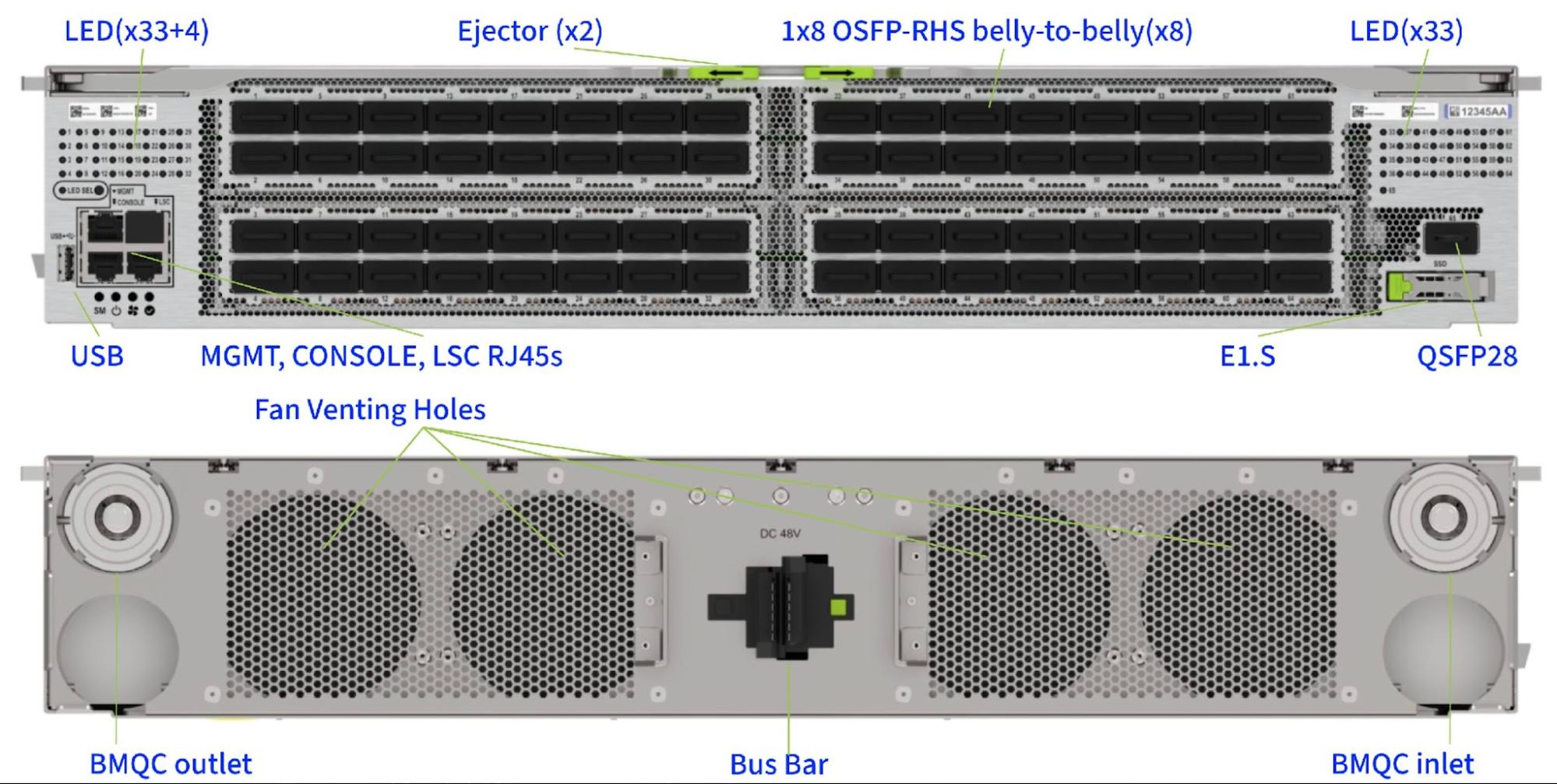
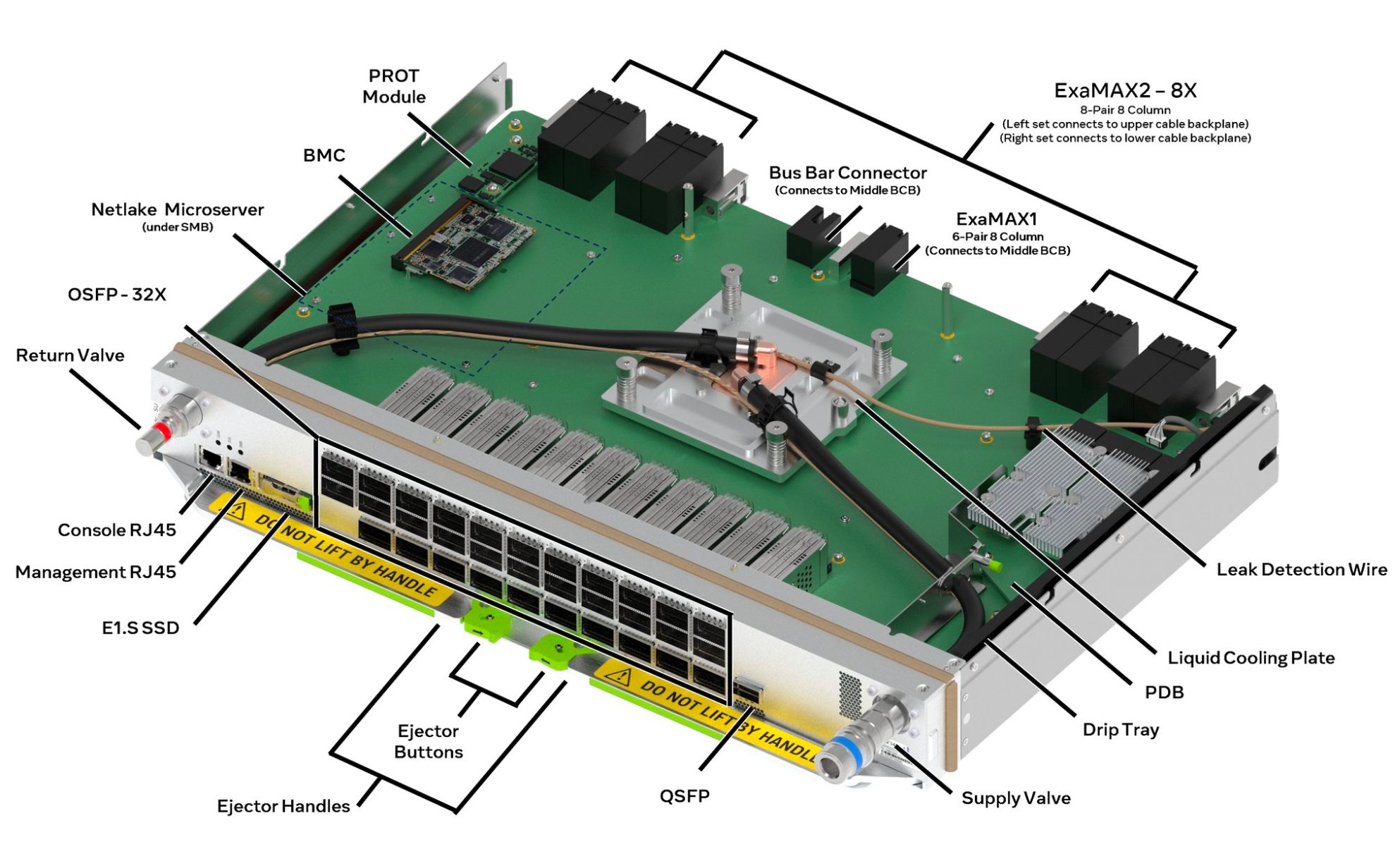
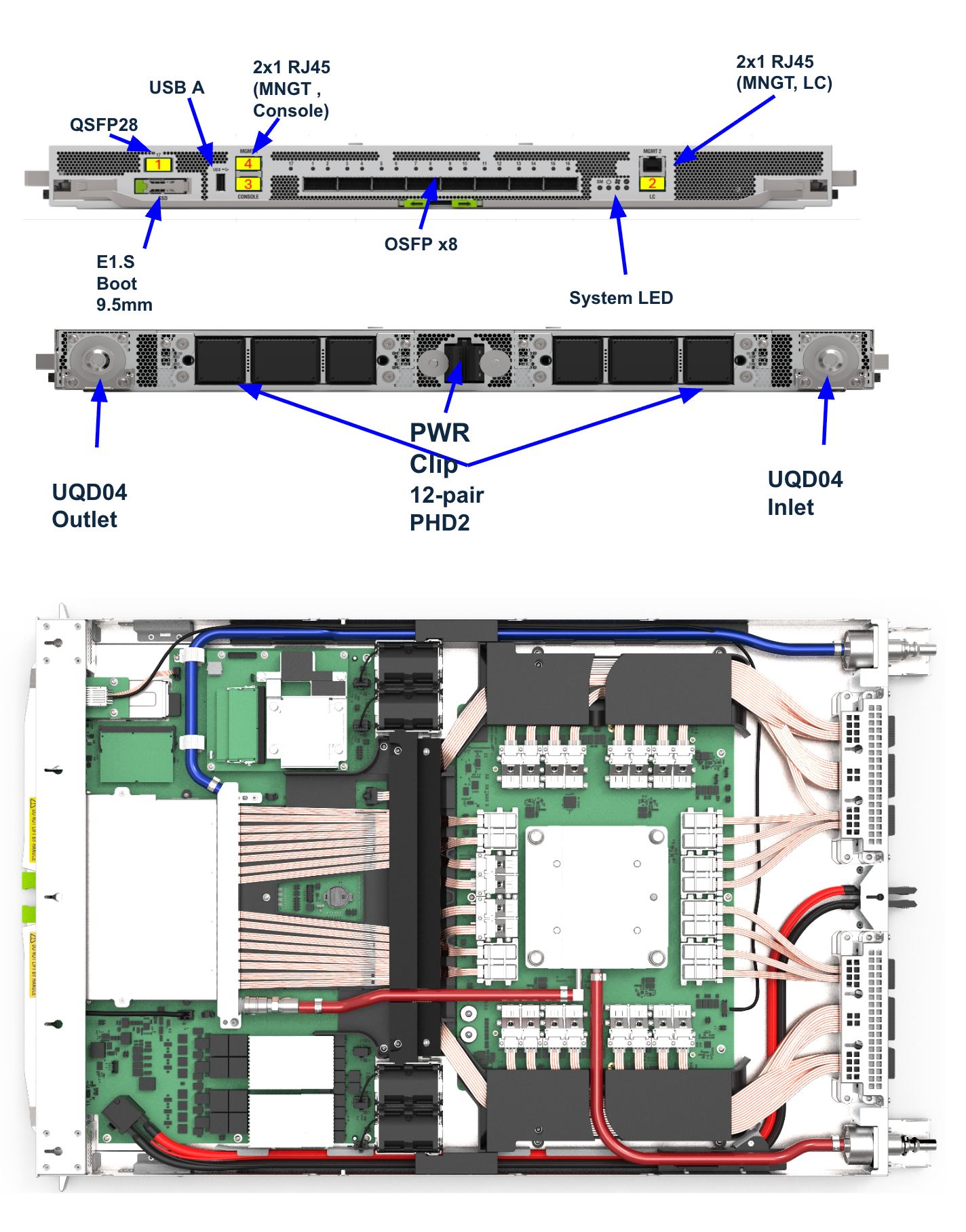
- IcePack & IceCube: Meta’s first liquid-cooled network rack and 102.4T switch blades, supporting non-blocking capacity for 128x800G connectivity.
- Flattened Planar Fabric (FPF): A new, highly resilient multiplane backend architecture that revolutionizes how GPUs interface with the network.
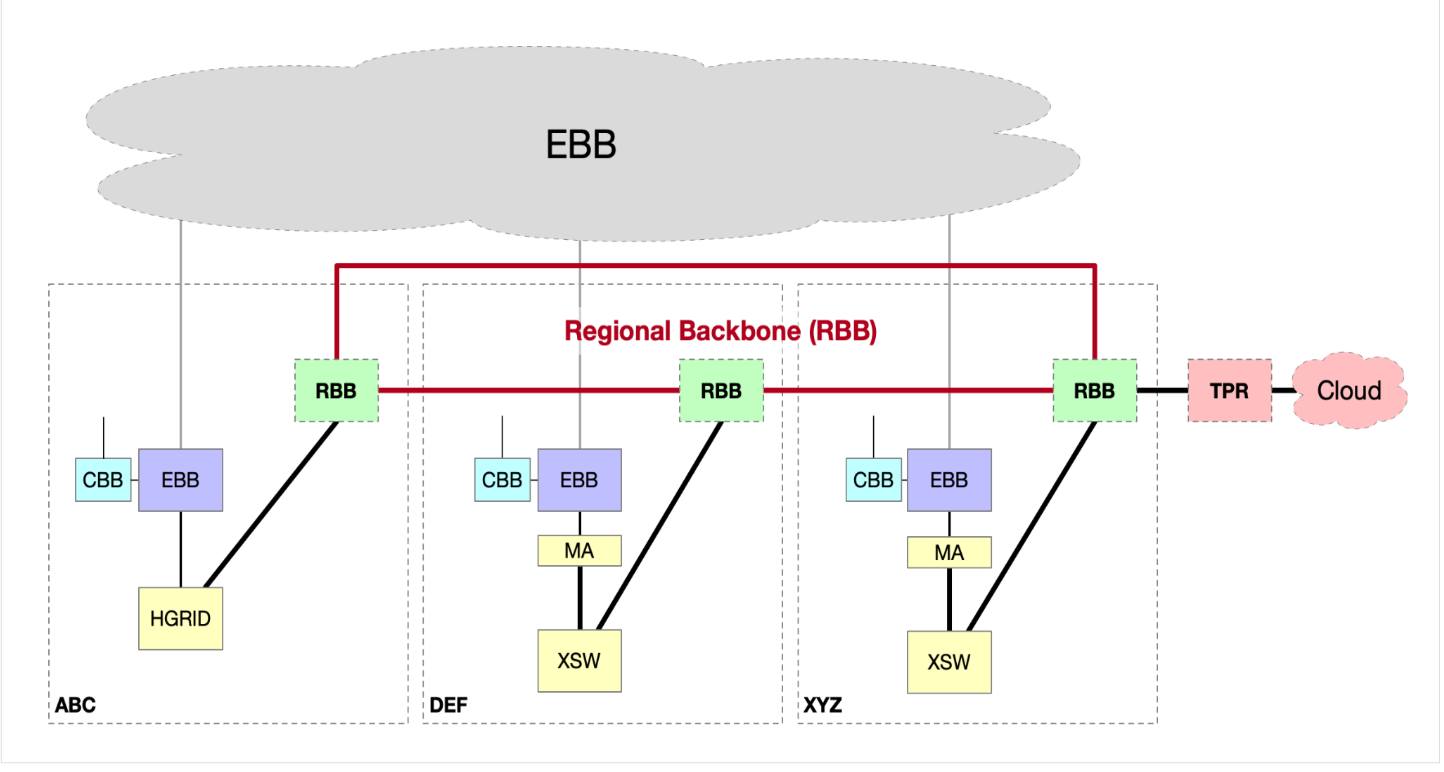
- Backend Aggregation (BAG): A petabit-scale, super-spine fabric designed to unify AI clusters across multiple physical data center buildings and regions.
- Tahan: A specialized, Ethernet-based scale-up switch built for Meta’s custom MTIA 300 training accelerators.
- OSPA: A new industry-wide initiative to standardize the "switch platform layer," reducing the engineering tax associated with proprietary hardware.
Chronology: From OCP 2011 to the Gigawatt Era
The journey to the 2026 OCP summit began fifteen years prior.
- 2011: Meta co-founds the Open Compute Project, aiming to bring hyperscale efficiency to data centers through open design.
- 2025: Meta shifts focus to the "AI revolution," introducing the Ethernet for Scale-Up Networking (ESUN) initiative to challenge proprietary interconnects.
- 2026 (Early): Meta details the "Prometheus" cluster, a massive infrastructure project pushing the limits of gigawatt-scale power consumption.
- 2026 (October – OCP Summit): Meta unveils the culmination of its R&D: the full-stack adoption of 102.4T silicon, the deployment of the IcePack rack, and the open-sourcing of the MetaRoCE transport protocol.
Supporting Data: Scaling the Impossible
The transition to AI-centric infrastructure is not merely about adding more servers; it is about managing thermodynamic and physical limits.
The Thermal Density Challenge
As switches scale to 102.4T, the heat generated by the ASICs (specifically the Broadcom Tomahawk6C and NVIDIA Spectrum-6) makes traditional air-cooling inadequate. The IcePack rack represents a 2x increase in bandwidth density compared to the previous 51.2T generation. By utilizing liquid cooling, Meta ensures that the 128x800G switches remain within stable thermal envelopes, preventing the performance throttling that plagues traditional data centers.
The Geography of Scale
Meta’s "Prometheus" and "Hyperion" projects highlight the sheer scale of the challenge. With Hyperion projected to scale toward 5 gigawatts, a single data center building can no longer house the compute.
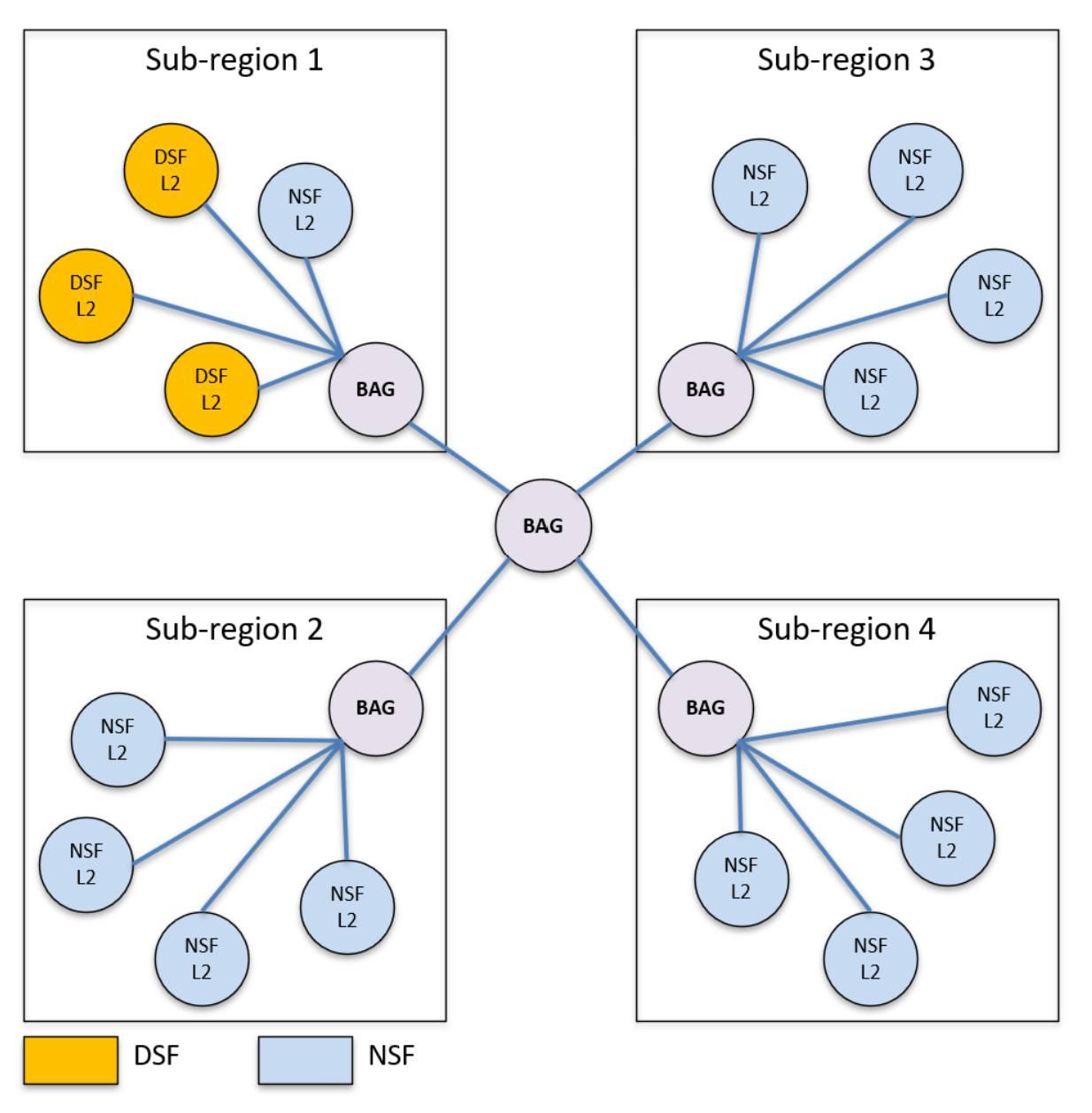
- BAG (Backend Aggregation): This layer acts as the "glue" between disparate spines. Inter-BAG capacity between regions has now reached tens of petabits per second.
- Cable-Length Sensitivity: Because Ethernet requires buffer headroom, the distance between racks in a sprawling gigawatt campus creates latency. Meta has implemented a dynamic measurement system within its FBOSS operating system, which uses probe traffic to calculate round-trip distance in real-time, allowing the network to tune its buffer headroom for specific cable lengths dynamically.
Official Responses and Strategic Collaboration
Meta’s strategy is heavily reliant on industry-wide buy-in. Unlike the early days of OCP, which focused on servers, the 2026 initiative is a collaborative effort involving heavyweights like NVIDIA, Broadcom, Microsoft, and Alibaba.
"Heterogeneity is manageable, but standardization is what makes it affordable," noted the Meta engineering team in their summary of the 2026 roadmap. By partnering with NVIDIA on the Flattened Planar Fabric (FPF), Meta is ensuring that its high-performance requirements are baked into the hardware roadmaps of their silicon suppliers. Furthermore, by working with Microsoft and Alibaba on OSPA (Open Switch Platform Architecture), Meta is addressing the "onboarding tax"—the months of custom engineering required to bring up new hardware—by unifying the platform-level interfaces.
The ESUN (Ethernet for Scale-Up Networking) initiative also represents a strategic shift. By coordinating with the IEEE and the Ultra Ethernet Consortium (UEC), Meta is preventing the market from fracturing into proprietary islands. The ESUN 1.0 specification serves as a foundational "requirements document" that allows vendors to innovate on the implementation while ensuring the network fabric remains predictable and interoperable.
Implications: The Death of Proprietary Interconnects?
The most significant implication of Meta’s 2026 roadmap is the firm assertion that Ethernet—once considered "good enough" but too slow for high-performance computing—is now the definitive standard for AI scale-up.
Democratizing AI Infrastructure
Historically, high-bandwidth interconnects between GPUs were the domain of proprietary protocols (such as InfiniBand). By introducing Tahan and optimizing MetaRoCE for AI traffic, Meta is signaling that a common, Ethernet-based protocol can match the performance of proprietary solutions while maintaining the flexibility of an open standard. This lowers the barrier to entry for smaller players, as they can now leverage the same high-performance networking stack that powers Meta’s massive "Muse" AI models.
Operational Simplification
The open-sourcing of FBOSS (Meta’s Network Operating System) and its ability to support third-party, self-onboarded hardware marks a turning point. If vendors can build hardware that simply "plugs and plays" into a hyperscale environment, the speed of infrastructure deployment will accelerate significantly. This self-service model is essential for a future where AI clusters must be built in months, not years.
Future-Proofing for Multi-Regional Training
The most daunting challenge on the horizon is training jobs that span hundreds or thousands of kilometers. Meta’s work on SRv6-powered regional backbones and its focus on adaptive routing demonstrates that the company is preparing for a world where the "cluster" is not a building, but an entire geographic region.
Conclusion
Meta’s OCP 2026 announcements represent a maturation of the AI infrastructure sector. By standardizing the physical rack (IcePack), the scale-up fabric (ESUN/Tahan), and the platform management layer (OSPA), Meta is effectively creating an "operating system" for the physical data center. As the industry races toward the 5-gigawatt scale, these open standards will likely serve as the bedrock upon which the next decade of artificial intelligence is built, ensuring that innovation remains a matter of software and architecture rather than proprietary physical barriers.


 Nana Wu

 Azzam Bilal Chamdy
 Pevita Pearce
 Asep Darmawan
 Sagoh
Sagoh