
 Azzam Bilal Chamdy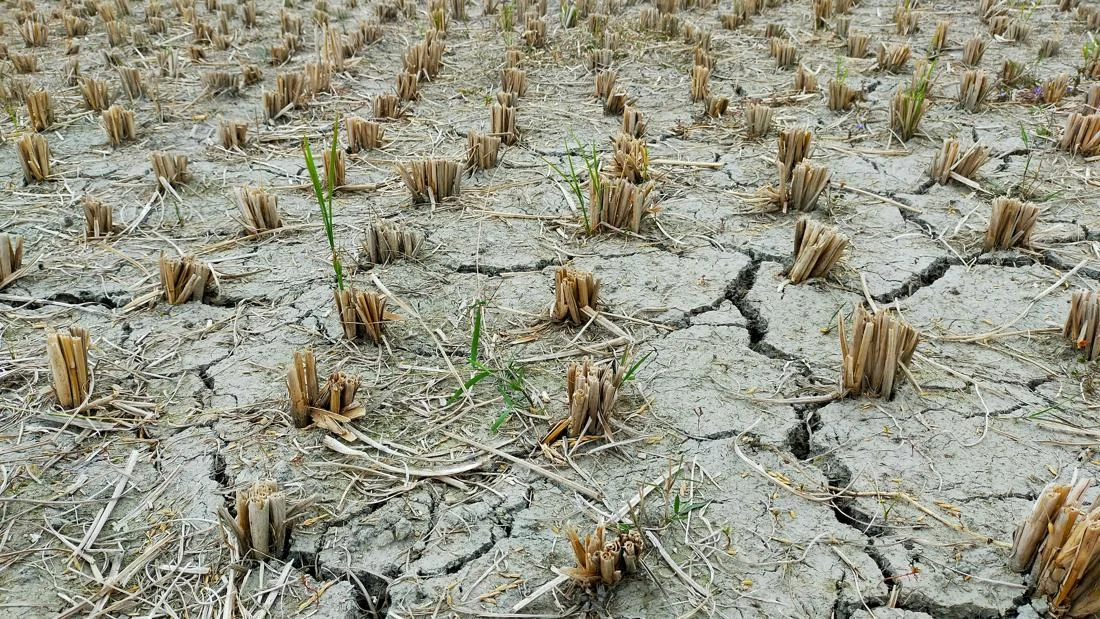
JAKARTA, Indonesia – The Indonesian Agency for Meteorology, Climatology, and Geophysics (BMKG) has issued a critical early warning for meteorological drought, anticipating severe conditions across numerous regions of the archipelago during the second dasarian of October 2026 (October 11-20). With approximately 76% of Indonesia still grappling with the lingering dry season, the agency underscores the urgent need for water conservation and heightened vigilance against potential environmental and socio-economic crises.
The warning, disseminated via BMKG’s official channels, highlights the persistent dry spell and its potential ramifications, urging communities to adopt responsible practices. "Currently, around 76% of Indonesia’s territory is still experiencing the dry season. For communities in affected areas, we strongly advise conserving water and using it wisely, refraining from land and waste burning, reducing outdoor activities during the day if possible, and consistently monitoring weather and climate information via InfoBMKG’s Instagram, Sob!" the agency stated on Monday, October 12, 2026. This stark advisory serves as a clarion call for preparedness and proactive measures as the nation navigates a challenging climatic period.
Understanding Meteorological Drought: A Natural Phenomenon with Far-Reaching Impacts
Meteorological drought, as defined by the Regional Disaster Management Agency (BPBD) of Klaten and echoed by BMKG, refers to a deficit in rainfall, where a region experiences precipitation levels significantly below its historical average or normal threshold. This type of drought is a naturally occurring phenomenon, primarily characterized by prolonged periods without rain or sustained low rainfall, leading to a substantial reduction or complete depletion of soil moisture content. Unlike hydrological drought (affecting water bodies like rivers and reservoirs) or agricultural drought (impacting crop yields), meteorological drought is the precursor, setting the stage for these subsequent forms of water scarcity. Its onset is often subtle, gradually intensifying over weeks or months, making early detection and intervention crucial to mitigate its cascading effects.
The current warning signals that the natural hydrological cycle in many parts of Indonesia is significantly off-kilter. When rainfall is consistently below normal, the ground’s capacity to retain moisture diminishes, impacting everything from vegetation health to groundwater replenishment. This condition is exacerbated in regions that have already endured an extended dry season, pushing them further into a state of acute water stress.
Chronology of a Persistent Dry Season
The current meteorological drought warning for mid-October 2026 is not an isolated event but rather the culmination of an extended dry season that has gripped much of Indonesia for several months. Historically, Indonesia experiences a distinct dry season, typically from May to September, followed by a rainy season. However, recent years have seen increasing variability in these patterns, often influenced by global climate phenomena such as El Niño.
Preceding Months (May-September 2026): The dry season of 2026 has been characterized by below-average rainfall across a significant portion of the archipelago. While specific data on rainfall deficits for the entire period were not immediately detailed in the BMKG alert, the agency’s statement that "76% of Indonesia’s territory is still experiencing the dry season" strongly indicates a prolonged and perhaps intensified dry spell leading up to October. This extended period of reduced precipitation has already stressed water resources, impacted agricultural cycles, and heightened the risk of forest and land fires in many areas. Regions heavily reliant on rain-fed agriculture would have likely begun experiencing signs of agricultural drought even before the meteorological drought reached critical levels.
Dasarian I October 2026 (October 1-10): The period immediately preceding the current warning would have likely continued the trend of minimal rainfall, setting the stage for the elevated alert levels. BMKG’s practice of issuing warnings based on dasarian (ten-day periods) allows for granular monitoring and localized advisories. The transition from the peak dry season months into October, which traditionally marks the beginning of the rainy season in many parts of Indonesia, has evidently not brought the expected relief. The absence of significant rainfall during the first ten days of October would have intensified the existing dry conditions, pushing more regions into "Standby" and "Alert" categories.
Dasarian II October 2026 (October 11-20): This current period is the focus of BMKG’s most recent and urgent warning. The categorisation of regions into "Alert" (Awas), "Standby" (Siaga), and "Watch" (Waspada) indicates a progression of drought severity. The fact that entire provinces are under "Alert" signifies a critical situation, demanding immediate and coordinated responses. This period is crucial as any further delay in the onset of the rainy season could exacerbate water scarcity, threaten food security, and elevate disaster risks significantly. The BMKG’s warning serves as a crucial mid-term forecast, allowing communities and authorities to prepare for the coming days and weeks.
Potential Future Outlook (Beyond October 2026): The persistence of dry conditions into October, a month typically associated with the transition to the rainy season, raises concerns about a delayed or suppressed wet season. A delayed rainy season could prolong the period of water stress, leading to more severe and widespread impacts across various sectors, particularly agriculture and public health. Long-term climate projections often point to increased variability, making such extended dry spells more frequent and intense.
Supporting Data: A Detailed Look at Predicted Drought Categories (October 11-20, 2026)
BMKG’s detailed prediction for the second dasarian of October 2026 categorizes regions into three levels of meteorological drought severity: "Awas" (Alert), "Siaga" (Standby), and "Waspada" (Watch). These classifications are critical for targeted interventions and resource allocation.
1. Kategori Awas (Alert)
The "Alert" category signifies a critical level of meteorological drought, indicating severe rainfall deficits that have likely led to acute water scarcity, high risk of wildfires, and significant agricultural distress. This is the most severe warning level, demanding immediate attention and proactive measures from both authorities and the public.
Affected Regions:
- Parts of Provinces: Bali (especially its dry northern and eastern coasts), Banten (particularly the western coastal areas and agricultural plains), DKI Jakarta (highly vulnerable due to its dense population and reliance on external water sources), West Java (agricultural heartland, especially in its northern and eastern districts), Central Java (rice-producing areas and southern regions), East Java (prone to drought in its eastern parts), Kalimantan Selatan (South Kalimantan, often affected by peatland fires), Kalimantan Tengah (Central Kalimantan, also highly susceptible to peatland fires), Kepulauan Bangka Belitung (island provinces with limited freshwater reserves), Lampung (southern Sumatra, critical for agriculture), Maluku (island regions facing water supply challenges), Maluku Utara (North Maluku), NTB (West Nusa Tenggara, historically drought-prone), Papua Selatan (South Papua), Sulawesi Selatan (South Sulawesi, major agricultural hub), Sulawesi Tengah (Central Sulawesi), Sulawesi Tenggara (Southeast Sulawesi), and Sumatera Selatan (South Sumatra, another area prone to fires).
- Entire Provinces: Daerah Istimewa Yogyakarta (Yogyakarta Special Region, highly populated and agriculturally significant), Gorontalo (North Sulawesi province), Sulawesi Utara (North Sulawesi), and NTT (East Nusa Tenggara, one of Indonesia’s driest regions, consistently facing water scarcity).
The inclusion of entire provinces like DI Yogyakarta, Gorontalo, North Sulawesi, and especially NTT, under the "Alert" category is particularly concerning. NTT, for instance, is known for its arid climate and experiences prolonged dry seasons even in normal years, making it exceptionally vulnerable to further rainfall deficits. Similarly, highly populated and agriculturally intensive areas in Java and Sulawesi face immense pressure on their water resources, potentially impacting food security for millions.
2. Kategori Siaga (Standby)
The "Standby" category indicates a significant level of meteorological drought, where rainfall deficits are substantial, leading to considerable water stress and elevated risks. While not as critical as "Alert," regions in this category require careful monitoring and preparedness to prevent escalation.
Affected Regions:
- Parts of Provinces: Bali (other areas not yet in ‘Alert’), DKI Jakarta (specific sub-regions), Jawa Tengah (Central Java, areas with moderate deficits), Kalimantan Selatan (South Kalimantan), Kepulauan Bangka Belitung (Bangka Belitung Islands), Lampung (Sumatra), Sulawesi Tengah (Central Sulawesi), Sulawesi Tenggara (Southeast Sulawesi), Maluku, and Papua Selatan (South Papua).
These regions are on the cusp of more severe conditions. Water management strategies and public awareness campaigns are crucial to prevent these areas from slipping into the "Alert" category, especially if the dry spell continues beyond the current dasarian.
3. Kategori Waspada (Watch)
The "Watch" category represents an early warning stage, where rainfall deficits are noticeable but not yet critical. It serves as a reminder for communities and local authorities to be vigilant, monitor conditions, and begin implementing preliminary water conservation measures.
Affected Regions:
- Parts of Provinces: Bali, Jawa Tengah (Central Java), NTB (West Nusa Tenggara), Kalimantan Selatan (South Kalimantan), Kalimantan Tengah (Central Kalimantan), Kalimantan Timur (East Kalimantan), Papua Selatan (South Papua), Sulawesi Selatan (South Sulawesi), Sulawesi Tengah (Central Sulawesi), and Sulawesi Tenggara (Southeast Sulawesi).
Regions under "Watch" are advised to initiate proactive measures such as checking water reserves, repairing leaky pipes, and educating the public on efficient water use. This early warning can prevent more severe impacts if the dry conditions persist.
Official Responses and Urgent Recommendations
BMKG’s comprehensive warning is coupled with a robust set of recommendations aimed at mitigating the immediate and long-term impacts of the meteorological drought. These official responses underscore a multi-pronged approach involving public participation, inter-agency coordination, and continuous monitoring.
1. Water Conservation and Prudent Usage:
The primary directive from BMKG is the imperative to conserve water. This extends beyond individual households to encompass agricultural, industrial, and municipal sectors.
- Household Level: Citizens are urged to minimize water waste by taking shorter showers, turning off taps while brushing teeth, fixing leaks, and reusing water where possible (e.g., collecting greywater for gardening).
- Agricultural Sector: Farmers, especially in rain-fed areas, are advised to adopt water-efficient irrigation techniques, consider drought-resistant crop varieties, and adjust planting schedules. Local agricultural extension offices are expected to provide guidance on optimizing water use for irrigation.
- Industrial Sector: Industries are encouraged to implement water recycling programs and optimize their water consumption processes.
- Municipalities: Local governments must ensure efficient distribution networks, minimize leakage, and explore alternative water sources where feasible.
2. Prohibition of Land and Waste Burning:
With soil and vegetation parched, the risk of wildfires, particularly peatland fires, escalates dramatically. BMKG’s explicit warning against burning land and waste is crucial to prevent widespread haze and ecological destruction.
- Preventing Forest and Peatland Fires: The dry conditions create a tinderbox environment, making small fires quickly escalate into uncontrollable infernos. Such fires not only devastate ecosystems and biodiversity but also release massive amounts of carbon, contributing to climate change, and produce thick haze that can blanket entire regions, causing severe respiratory health issues.
- Enforcement: Local authorities, including law enforcement and disaster management agencies (BPBD), are expected to rigorously enforce anti-burning regulations and monitor hotspots using satellite imagery.
3. Reducing Outdoor Activities During Peak Heat:
The combination of high temperatures and potential haze from fires can pose significant health risks. BMKG advises reducing outdoor activities, especially during the midday hours when temperatures are highest.
- Health Protection: This recommendation aims to prevent heatstroke, dehydration, and respiratory problems exacerbated by poor air quality. Vulnerable populations, including children, the elderly, and those with pre-existing health conditions, are particularly at risk.
- Public Awareness: Health agencies are encouraged to disseminate information on staying hydrated, seeking shade, and recognizing symptoms of heat-related illnesses.
4. Continuous Monitoring of Weather and Climate Information:
BMKG emphasizes the importance of staying informed through its official channels, particularly its Instagram account (@InfoBMKG). Timely updates are vital for communities to adapt their plans and responses.
- Dynamic Conditions: Meteorological conditions can change rapidly, and continuous monitoring allows for adaptive strategies.
- Reliable Source: Relying on official sources prevents the spread of misinformation and ensures that communities receive accurate and actionable advice.
5. Inter-Agency Coordination:
While not explicitly stated in the public advisory, such widespread warnings necessitate robust coordination among various government agencies.
- BPBD (Badan Penanggulangan Bencana Daerah): Regional disaster management agencies play a pivotal role in coordinating emergency responses, including water distribution to affected areas, managing fire suppression efforts, and providing aid to drought-stricken communities.
- Ministry of Agriculture: This ministry is crucial for assessing crop damage, providing assistance to farmers, and implementing strategies for food security.
- Ministry of Health: Responsible for addressing public health concerns related to drought, including access to clean water, sanitation, and managing respiratory illnesses.
- Local Governments: Provincial and regency administrations are on the frontline, responsible for implementing national directives, allocating local resources, and ensuring community preparedness.
Implications: A Cascade of Challenges for Indonesia
The widespread meteorological drought predicted for mid-October 2026 carries profound implications across various sectors, threatening to create a cascade of environmental, economic, and social challenges for Indonesia.
Economic Impact
- Agriculture and Food Security: As Indonesia’s agricultural sector is largely rain-fed, prolonged drought can lead to widespread crop failures, particularly for staple crops like rice, corn, and soybeans. This not only threatens the livelihoods of millions of farmers but also raises concerns about national food security, potentially leading to increased food prices and inflation. Livestock farming is also affected as pastures dry up and water for animals becomes scarce.
- Fisheries and Aquaculture: Reduced water levels in rivers, lakes, and reservoirs can impact freshwater fish populations and aquaculture activities.
- Energy Sector: Hydropower plants, a significant source of renewable energy in Indonesia, face reduced capacity due to diminished water flow, potentially leading to electricity shortages or increased reliance on fossil fuels.
- Tourism: Natural attractions like waterfalls and lakes may dry up or recede, impacting eco-tourism. Water scarcity can also affect resort operations and visitor experiences in popular tourist destinations like Bali and Lombok.
Social Impact
- Water Scarcity and Sanitation: The most immediate and critical social impact is the lack of access to clean drinking water and water for sanitation. Communities in remote and arid regions are often the first and hardest hit, forcing them to travel long distances for water or rely on unsafe sources, increasing the risk of waterborne diseases.
- Health Concerns: Beyond waterborne diseases, the drought exacerbates heat-related illnesses (heatstroke, dehydration). Furthermore, if dry conditions lead to forest and land fires, the resulting haze can cause severe respiratory problems, eye irritation, and skin conditions, particularly affecting vulnerable populations.
- Livelihood Disruption: Farmers, who form a significant portion of Indonesia’s workforce, face severe economic hardship due to crop failures, potentially leading to rural-urban migration or increased poverty.
- Social Unrest: In extreme cases, prolonged water scarcity can lead to competition over dwindling resources, potentially sparking social tensions or unrest within communities.
Environmental Impact
- Forest and Land Fires: The heightened risk of fires in dry forests and peatlands is perhaps the most visible and devastating environmental consequence. These fires destroy vast swathes of biodiversity-rich ecosystems, release massive amounts of greenhouse gases, contribute to air pollution, and can take years to recover.
- Ecosystem Degradation: Drought conditions stress natural ecosystems, impacting wildlife that depends on specific water sources and vegetation. Rivers and wetlands can dry up, threatening aquatic life and migratory bird species.
- Soil Degradation: Prolonged dryness can lead to soil erosion, desertification, and a loss of soil fertility, making it harder for vegetation to recover even when rains eventually return.
- Biodiversity Loss: Habitats are destroyed, and species unable to adapt or migrate may face extinction.
Long-term Outlook and Adaptation
The current drought warning serves as a stark reminder of Indonesia’s vulnerability to climate variability and change. The persistence of dry conditions into what should be the onset of the rainy season raises concerns about a potentially delayed or suppressed wet season, prolonging the period of water stress.
In the long term, Indonesia needs to bolster its climate resilience through:
- Integrated Water Resource Management: Developing comprehensive strategies for water storage, distribution, and efficient use, including dam construction, groundwater management, and smart irrigation systems.
- Early Warning Systems: Continuously improving BMKG’s forecasting capabilities and ensuring that warnings reach communities effectively.
- Drought-Resistant Agriculture: Investing in research and development of drought-tolerant crops and sustainable farming practices.
- Forest and Peatland Restoration: Implementing aggressive programs to restore degraded peatlands and forests to enhance their water retention capabilities and reduce fire risks.
- Public Education: Empowering communities with knowledge and tools to adapt to changing climatic conditions and participate in conservation efforts.
As Indonesia navigates this challenging period, the BMKG’s early warning stands as a crucial guide, emphasizing the collective responsibility to conserve precious water resources and protect the environment for a sustainable future.


 Pevita Pearce
 Ali Ikhwan
 Nana Wu
 Lina Hope
 Asep Darmawan
 Sagoh
Sagoh