
 Reynand Wu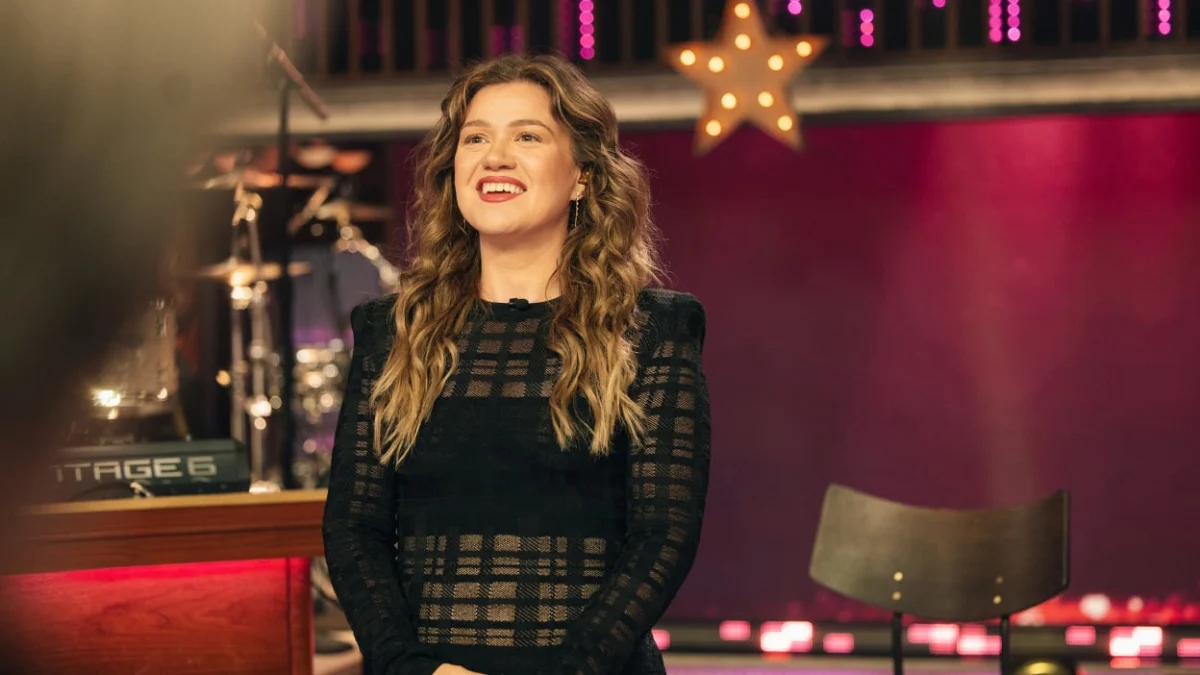
A $15,000 price tag, a mechanical bird, and a clash of reputations. In the digital age, a simple shopping trip can escalate into a national discourse on celebrity influence, the ethics of public call-outs, and the volatile nature of customer service in the era of social media. This past weekend, global pop icon Kelly Clarkson found herself at the center of a firestorm following her public criticism of "Art of Play," a niche boutique in Brooklyn Heights. What began as a personal grievance quickly spiraled into a polarized internet debate that has left observers questioning the boundaries of celebrity power and the vulnerability of small businesses.
The Catalyst: A Shopping Trip Gone Wrong
The controversy ignited on October 10, 2026, when Kelly Clarkson, the beloved singer and television personality, took to X (formerly Twitter) to vent her frustration regarding a visit to Art of Play, a Brooklyn-based retailer specializing in high-end curiosities, magic-themed games, puzzles, and artisanal home goods.
Clarkson’s post, which quickly went viral, described an experience that left her feeling alienated and judged. "Just drove all the way to Brooklyn to check out this store I thought looked really rad and had a few things in mind to buy and literally was looked at as if I couldn’t afford it and was told he could find something comparable for me," Clarkson wrote.
She did not mince words, comparing the interaction to the iconic scene in the film Pretty Woman, where a store clerk refuses to serve Julia Roberts’ character under the assumption that she lacks the financial means to be a patron. "Wow, dude. You’re an idiot and just lost a huge sale," she added. The public tagging of the business served as a flare, drawing immediate attention to the shop’s social media channels and reviews.
Chronology of a Digital Conflict
The timeline of the feud suggests a rapid escalation, moving from a private interaction to a public relations crisis within hours.
- October 10, 2026: Kelly Clarkson posts her initial complaint on X, alleging she was treated condescendingly and discouraged from making a purchase.
- October 11, 2026: Art of Play releases a formal statement on Instagram. The store explains that the item in question—a mechanical singing bird named "Molly"—was a display piece permanently attached to the wall and not for sale. The shop notes the overwhelming surge of negative attention from users who had never visited the store.
- October 11, 2026 (Later): Clarkson responds with a follow-up post, including photographic evidence of a $15,000 price tag on a "Singing Bird." She refutes the shop’s claim that she was simply being difficult, asserting that the employee had looked her up and down before quoting the price.
- October 12, 2026: The shop provides further context, clarifying that while Molly was part of a magic exhibit, they had offered to put her in touch with the creator for a commission, or pointed her toward a different, $2,000 unit. They state they have reached out to Clarkson privately to resolve the matter.
The Mechanical Bird: A Dispute Over Facts
At the heart of the disagreement lies "Molly," a singing and dancing mechanical bird that served as the focal point of the store’s magic show. The shop, founded by twin magicians Dan and Dave Buck along with author Adam Rubin in 2013, maintains that the item was never a standard retail product.

According to the business, the confusion stemmed from a lack of clarity during the exchange. They contend that they attempted to explain the bird’s status as a display piece and even offered alternatives. "He told us he would be willing to part with Molly’s twin for $15,000," the store’s statement clarified. "We explained all of this to Kelly Clarkson."
Clarkson, however, remained steadfast in her assessment of the employee’s demeanor. Her second post, which featured the price tag, was a direct challenge to the shop’s narrative. By labeling the shop’s response as "lying," she shifted the narrative from a simple misunderstanding to an accusation of deceptive PR. She maintained that the issue was not the availability of the product, but the "elevator" glance and the condescending tone she claimed to have received upon entering.
The Internet Takes Sides: A Social Media Analysis
The online reaction was immediate and deeply divided. The discourse quickly fractured into two primary camps: those who support the "customer is always right" doctrine, and those who argue that a celebrity’s platform is a weapon that should not be used against small, local establishments.
The "Defend the Icon" Camp
Many of Clarkson’s long-term fans pointed to her history of kindness and down-to-earth demeanor. On various platforms, users argued that if someone as famously amiable as Clarkson felt compelled to air a grievance publicly, the experience must have been egregious. "Anyone who’s been a fan of Kelly’s for years knows that she is incredibly kind, generous, and very humble," wrote one user on Facebook. "The experience she had at that store had to be pretty bad for her to speak out about it."
The "Small Business Protection" Camp
Conversely, a vocal group of internet users criticized the "punching down" aspect of the interaction. Critics argued that a celebrity with millions of followers, even if offended, should not use their reach to potentially destroy a small business’s reputation. Reviews on Google and Yelp saw a temporary influx of negative ratings, though many were flagged or removed as the store’s supporters rallied to counter-balance the trend. "So a celebrity walks into a small, privately owned business. She doesn’t get exactly what she wants, so she cops an attitude and trashes said small business," one critical reviewer wrote.
Implications: The Power of the Celebrity Platform
This incident highlights the precarious nature of the "Influencer Economy." When a celebrity calls out a business, they are no longer just a customer; they are an engine of viral sentiment.

The fact that Art of Play received an influx of "8 million people who have never visited our store" speaks to the speed at which modern digital mobs operate. The shop’s attempt to use humor—referencing the lyrics to Clarkson’s hit "Stronger"—was a risky PR maneuver that some found clever and others found dismissive. It underscored the difficulty of navigating a public feud where the "victim" status is being contested in real-time.
Furthermore, the situation serves as a case study for businesses on the necessity of de-escalation. By the time the shop explained they had offered to connect Clarkson with the artist, the court of public opinion had already largely rendered its verdict. The lesson for small businesses is clear: in the era of viral transparency, the first response is often the only one that defines the brand for the foreseeable future.
Broader Context: Clarkson’s Year of Scrutiny
This incident is not the first time this month that Clarkson has faced public friction. Her recent comments on the rise of Artificial Intelligence, shared during a podcast appearance, sparked a wave of backlash from fans who felt her enthusiasm for the technology was out of step with her creative base.
As Clarkson navigates a post-talk-show career—having concluded The Kelly Clarkson Show this past August—she is clearly in a period of transition. Returning as a coach on The Voice keeps her in the public eye, but as her brand evolves, she is finding that the "everywoman" persona that made her a superstar is increasingly subject to the intense, unyielding scrutiny of the modern digital landscape.
Conclusion: A Misunderstanding or a Lesson?
As of mid-October, the status of the "Bird Feud" remains unresolved. The store has expressed a desire to clear the air, hoping that the incident might eventually be looked back upon as a humorous misunderstanding.
However, the lingering effects of the controversy remain. For the consumer, it is a reminder of the fragility of retail relationships. For the celebrity, it is a warning about the unintended consequences of the "public call-out." Whether or not Kelly Clarkson and the owners of Art of Play eventually share a laugh over this remains to be seen, but the incident has undoubtedly carved its place into the annals of 2026’s most bizarre and defining pop-culture moments. It serves as a stark, if somewhat whimsical, reminder that when celebrities go shopping, the entire world is watching the receipt.

 Lina Irawan
 Nana Muazin
 Sagoh
Sagoh
 Nila Kartika Wati
 Nana Wu