
 Reynand Wu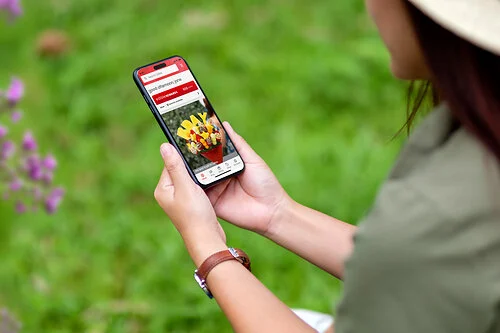
The retail landscape is undergoing a tectonic shift, where the battle for consumer attention is increasingly fought on the screens of smartphones. Edible Brands, the parent company of the iconic Edible Arrangements, has emerged as a significant case study in this digital evolution. By fundamentally restructuring its mobile application and loyalty ecosystem in late April, the retailer has demonstrated how legacy brands can successfully pivot toward a "marketplace-forward" digital strategy.
Ranking at No. 182 in the Digital Commerce 360 Top 1000 Database, Edible Brands is not merely following trends; it is actively shaping its operational model to match the expectations of a modern, mobile-dependent consumer base.
The Strategic Overhaul: A New Vision for Mobile Engagement
In April, Edible Brands unveiled a redesigned mobile application for iOS and Android, marking a milestone in its ongoing digital transformation. The primary objective was twofold: to simplify the gifting process—from initial product discovery to the final checkout—and to breathe new life into its loyalty program.
Key Enhancements to the User Experience
The redesign was rooted in data-driven insights into how consumers interact with gift-giving platforms. To reduce friction, the company introduced:
- Intuitive Navigation: A streamlined interface designed to facilitate faster gift selection.
- Curated Gift Lists: Users can now create and share personalized gift lists, turning the app into a collaborative social tool.
- Personalized Reminders: The integration of birthday and event reminders ensures the retailer remains top-of-mind during key gifting moments.
According to Erica Randerson, Chief Digital Officer at Edible Brands, the app’s evolution is defined by its transition into a broader marketplace. "As you go into the Edible app today, you’re going to be introduced to a lot more products than you would necessarily even on our mobile website or our desktop website," Randerson explained. By integrating both franchise-fulfilled products and offerings from external partners, the brand has successfully expanded its utility beyond its core business of fruit bouquets.
Chronology of Digital Success
The path to this relaunch was not an overnight endeavor. It represents the culmination of a long-term strategy aimed at reclaiming market share in a fragmented digital landscape.
Q1 2025: The Foundation of Data Acquisition
Before the app relaunch, Edible Brands initiated a strategic push to capture the contact information of gift recipients. Recognizing that gift-givers are often one-time purchasers, the company sought to convert the recipients—who have already experienced the brand’s product—into loyal customers.
The strategy involved a simple, high-conversion tactic: physical "hang tags" attached to gifts, containing a QR code. When scanned, these codes lead recipients to a landing page offering a free Dipper Fruit Cone at local stores in exchange for their contact information, alongside a promo code for future online orders.
Late April 2026: The Relaunch
The redesigned app and tiered loyalty program officially went live. A crucial technical achievement during this phase was the seamless migration of existing members’ points and rewards, ensuring zero disruption to the brand’s most loyal advocates.
Summer 2026: Scaling and Optimization
Through the end of August 2026, the brand saw significant traction, with 160,000 new app downloads and 25,000 new account registrations. The focus shifted from acquisition to retention, utilizing the new app features to nurture these newly acquired users.
Supporting Data: By the Numbers
The success of Edible Brands’ digital initiatives is backed by robust performance metrics that underscore the efficacy of a mobile-centric approach.
Traffic and Conversion Gains
Since the late April relaunch, mobile app traffic has surged by 200%. Perhaps more importantly, the conversion rate for the app has stabilized at over 3%, a healthy metric in the competitive specialty retail space.
Customer Migration Trends
One of the most telling indicators of success is the "app-stickiness" observed among existing customers. Data reveals that 34% of customers who transacted with the brand digitally since January 2024 have migrated to the mobile app since its relaunch.
"We’ve seen a lot of movement of existing customers that were not app customers convert into app customers, which is also exactly what we were hoping for," said Randerson. This shift is critical, as app users generally demonstrate higher lifetime value and deeper brand engagement than web-only shoppers.
Revenue Breakdown by Channel
The company’s revenue distribution highlights the necessity of the mobile investment:
- Mobile Website: Represents 59% of total revenue.
- Desktop Website: Represents 36% of total revenue.
- Mobile App: Currently generates 5% of revenue, a figure the company is aggressively looking to grow.
Interestingly, while the Average Order Value (AOV) remains relatively consistent across platforms, it remains highest on desktop. This suggests that while mobile is the primary driver for high-frequency, smaller-ticket gifting, desktop remains the destination for more complex or high-value orders.
The Success of the Recipient Campaign
The gift-recipient campaign has proven to be a major driver of growth. Since its launch, the brand has captured more than 175,000 new contacts. With a 10% redemption rate for the free in-store gift, the company has successfully driven foot traffic, resulting in an incremental AOV of approximately $62. While this is slightly lower than the company’s overall average, the acquisition cost of these customers is significantly lower, representing a highly efficient growth channel.
Official Responses and Strategic Implications
Edible Brands’ leadership has framed this period as a validation of their "marketplace-forward" philosophy. By focusing on the mobile app as a hub, they are effectively turning a transactional relationship into a continuous service model.
Implications for the Future
The implications for Edible Brands are clear: the future of gifting is personalized, mobile-first, and data-rich. By leveraging the AI-commerce rankings (where they hold the No. 581 spot), the brand is positioned to further refine its recommendation engines and personalization tactics.
The success of the app also signals a broader shift in franchise retail. By enabling franchisees to offer a wider array of products through the app, Edible Brands is increasing the store-level utility of its technology. This keeps local franchises relevant in a digital-first world while maintaining the high-touch, human-centric service that the brand was built upon.
The Role of AI and Future Evolution
The mention of the brand’s inclusion in the AI Rankings suggests that Edible Brands is preparing for the next phase of its digital journey. As the company continues to amass data from its 160,000+ new app users and 175,000+ new contact leads, the application of artificial intelligence to predict gifting needs, automate re-engagement, and optimize inventory will be the next frontier.
Conclusion: A Blueprint for Legacy Brands
Edible Brands has successfully navigated the "digital transformation" buzzword to create tangible, bottom-line results. By focusing on the fundamentals—reducing friction, rewarding loyalty, and bridging the gap between physical and digital experiences—the company has secured its place as a leader in the competitive retail landscape.
The combination of a robust mobile application, a tiered loyalty program, and a highly effective contact-capture campaign provides a comprehensive blueprint for other retailers. As mobile continues to dominate the consumer’s attention, Edible Brands’ pivot proves that even well-established brands can achieve rapid, sustainable growth by putting the smartphone at the center of their ecosystem.
For retail leaders, the takeaway is evident: success is found at the intersection of technological utility and customer-centric strategy. As Edible Brands looks toward the future, the integration of AI and further marketplace expansion will likely keep them at the forefront of the industry, proving that for those willing to innovate, the potential for growth is as fresh as the products they sell.


 Rifan Muazin
 Asro
Asro
 Nila Kartika Wati
 Raul Delapena Setiawan
 Dwi Wanna
 Muslim
 Nana Wu