
 Basiran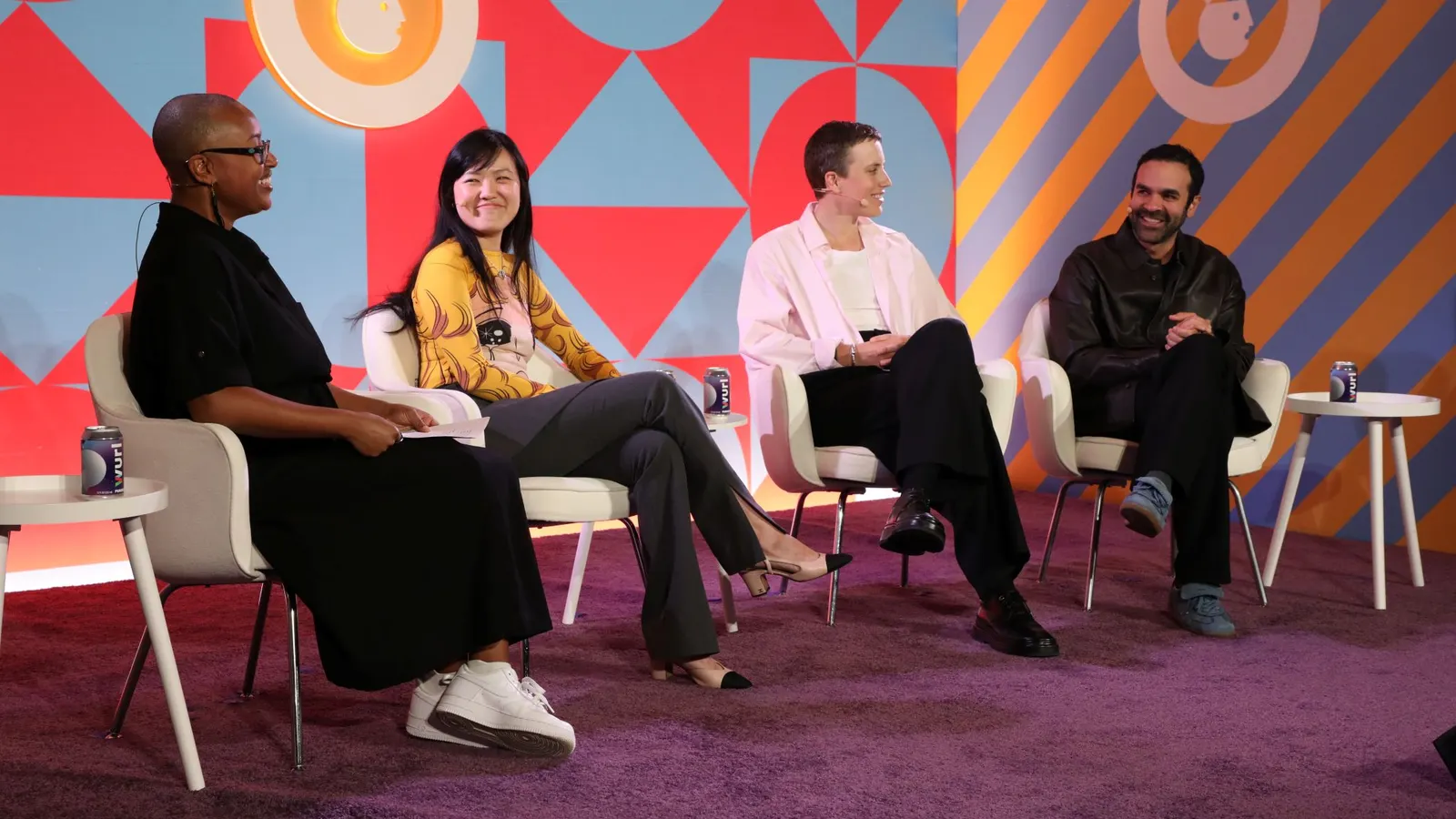
As the global purchasing power of Generation Z hurtles toward an estimated $12 trillion by 2030, the mandate for global brands has shifted from "reaching" this demographic to "earning" their attention. For decades, traditional marketing playbooks relied on mass-media repetition and aspirational lifestyle imagery. However, Gen Z—a cohort characterized by digital fluency, a hyper-vigilance toward "cringe" marketing, and a complex relationship with consumerism—has rendered those old tactics largely obsolete.
Recent success stories from industry titans like Smirnoff and Hinge offer a masterclass in how to bridge the gap between corporate objectives and the nuanced, rapidly shifting preferences of today’s younger consumers. By prioritizing authenticity, calculated risk-taking, and cultural participation, these brands are demonstrating that the "elusive" nature of Gen Z is not an obstacle, but an invitation to evolve.
The Main Facts: A Paradigm Shift in Engagement
The challenge for modern CMOs is profound: how does a brand maintain its identity while appearing organic in a digital landscape that detects inauthenticity with surgical precision? During a panel at Advertising Week New York, industry leaders highlighted that the traditional "top-down" approach to marketing is dead.
The core consensus is that brands must move away from "talking at" Gen Z and toward "co-creating with" them. This shift is best exemplified by Smirnoff’s "Go Off" campaign, fronted by musician Troye Sivan, and Hinge’s ongoing "No Ordinary Love" initiative. Both campaigns succeed because they avoid the common trap of forced relatability, opting instead to embed themselves within the specific cultural touchpoints—humor, literature, and social behavior—that define Gen Z’s daily existence.
Chronology: The Evolution of "Authentic" Advertising
To understand how we arrived at this moment, one must look at the recent trajectory of these brands’ creative strategies:
- Early 2024: Brands began to pivot away from high-gloss, expensive commercials in favor of "lo-fi" content that mimics user-generated social media posts.
- Mid-2024 (The Hinge Pivot): Hinge began emphasizing real-world connection over digital perfection, launching the first iteration of "No Ordinary Love," a campaign designed to encourage users to take their dating lives offline.
- Late 2024 (The Smirnoff Shift): Smirnoff appointed Troye Sivan as "Chief Vibes Officer," signaling a departure from traditional alcohol advertising, which typically depicts bar settings, in favor of surrealist, dry-humored content that aligns with modern internet culture.
- 2025-2026 (Refinement): The "No Ordinary Love" campaign evolved into a multi-platform literary experience, including the release of physical, limited-edition books. This highlighted a growing trend: the "phygital" (physical plus digital) approach.
- October 2026 (Advertising Week New York): The industry leaders gathered to synthesize these successes, formalizing the philosophy that "from Gen Z to Gen Z" is the only sustainable strategy for future growth.
Supporting Data: Why the Stakes are Higher Than Ever
The urgency of this shift is underscored by hard economic realities. With $12 trillion in purchasing power on the horizon, the opportunity cost of failing to capture this demographic is catastrophic for long-term brand equity.
Furthermore, the data suggests that Gen Z’s behavioral patterns are fundamentally different from those of Millennials or Gen X. For instance, alcohol consumption among younger cohorts is in a steady decline. Smirnoff’s success in this environment is notable precisely because it does not try to sell "drinking culture." Instead, by moving Sivan out of the bar and into relatable office or press-conference scenarios, the brand aligns itself with how Gen Z actually socializes—at festivals, in cafes, or during intimate creative moments.
Additionally, the rise of "BookTok" and the resurgence of long-form, thoughtful content on platforms like Substack have provided a roadmap for brands like Hinge. These platforms prove that while Gen Z is often associated with short-form video (TikTok/Reels), they are equally engaged with deep, narrative-driven content if it feels personal and curated.
Official Responses: The Creative Architects Speak
The panel at Advertising Week New York featured Jose Nicolas Velez (Global Marketing Director at Smirnoff), Ola Sobiecki (Executive Creative Director at Hinge), and Rachel Effendy (Executive Creative Director at Dazed Studios). Their insights provided a rare glimpse into the "war room" of modern advertising.
"Make sure that it’s from Gen Z to Gen Z," Velez stated, emphasizing that the creative process must be collaborative rather than dictatorial. He noted that the success of the "Go Off" campaign wasn’t just about the finished product, but the inclusion of raw, unpolished materials—such as a phone-recorded out-of-office message from Sivan—which allowed fans to interact with the brand on their own terms.
Ola Sobiecki of Hinge addressed the tension between "raw" and "polished" content. While there is a demand for authenticity, Sobiecki and Effendy pushed back on the idea that Gen Z dislikes high production values. "We had conversations about, ‘do we move this text two millimeters to the right?’" Effendy remarked. "I do think there is value in that as well, because I do feel some Gen Zers also appreciate craft."
The consensus among the panelists was clear: Gen Z doesn’t hate high-quality production; they hate pretension. If the intent behind the polish is genuine, the audience will reward it.
Implications: The Future of Brand-Consumer Relations
The implications of these campaigns extend far beyond the alcohol and dating sectors. Several key takeaways define the future of the industry:
1. The Death of the "Brand-Safe" Mold
Brands that attempt to squeeze their messaging into rigid, traditional corporate formats will inevitably be viewed as "cringe." The most successful brands today are those that embrace the absurdity and fluidity of the internet. By allowing themselves to be "a bit more raw and organic," brands can foster a sense of community that traditional advertising cannot replicate.
2. The Power of Cultural Participation
Marketing is no longer about interrupting a user’s experience; it is about participating in it. Hinge’s move to use Substack for long-form storytelling shows that brands must be willing to meet the audience on the platforms where they seek intellectual or emotional fulfillment, rather than just where they consume entertainment.
3. The Need for Radical Adaptability
As Velez aptly noted, "Everything’s going by so fast." The shelf-life of a trend is shorter than ever. Brands must build internal structures that allow for rapid response and creative pivots. Being "boring" is the ultimate risk. To stay relevant, brands must treat their marketing teams like creative studios, constantly analyzing behaviors and responding to the cultural zeitgeist in real-time.
4. The "Phygital" Mandate
As digital fatigue sets in, the most successful campaigns will be those that bridge the gap between the screen and the real world. Hinge’s transition from a digital app to a tangible, physical book publisher is a testament to the fact that Gen Z craves real-world, visceral experiences. Brands that can facilitate these "offline" moments will find themselves at the center of the Gen Z lifestyle.
Conclusion: A Call to Courage
The success of Smirnoff and Hinge is a beacon for marketers struggling to find their footing in a complex, digital-first world. The lesson is not to mimic Gen Z, but to listen to them, respect their intelligence, and have the courage to take calculated risks.
In an era where consumers can identify a marketing ploy from a mile away, the only viable strategy is one of radical transparency and genuine cultural contribution. As the $12 trillion horizon approaches, the brands that win will be those that realize that the best way to sell is to stop selling—and start participating. The future of marketing is not about volume; it’s about resonance. And for Gen Z, resonance is the only currency that matters.


 Rifan Muazin
 Asro
Asro
 Raul Delapena Setiawan
 Dwi Wanna
 Muslim
 Nana Wu
