
 Siti Muinah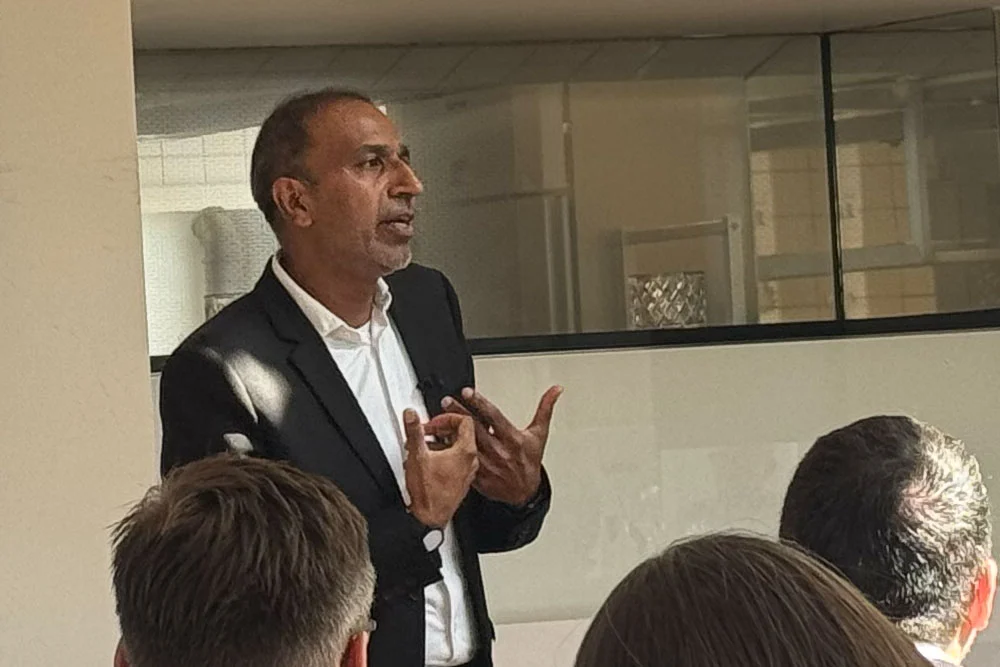
In the modern era of global supply chain management, the role of the Chief Procurement Officer (CPO) has evolved into something resembling a high-stakes geopolitical strategist. As trade barriers rise, protectionist rhetoric intensifies, and the global economic order undergoes what economists are calling "the great rewiring," the temptation to succumb to the 24-hour news cycle has never been stronger.
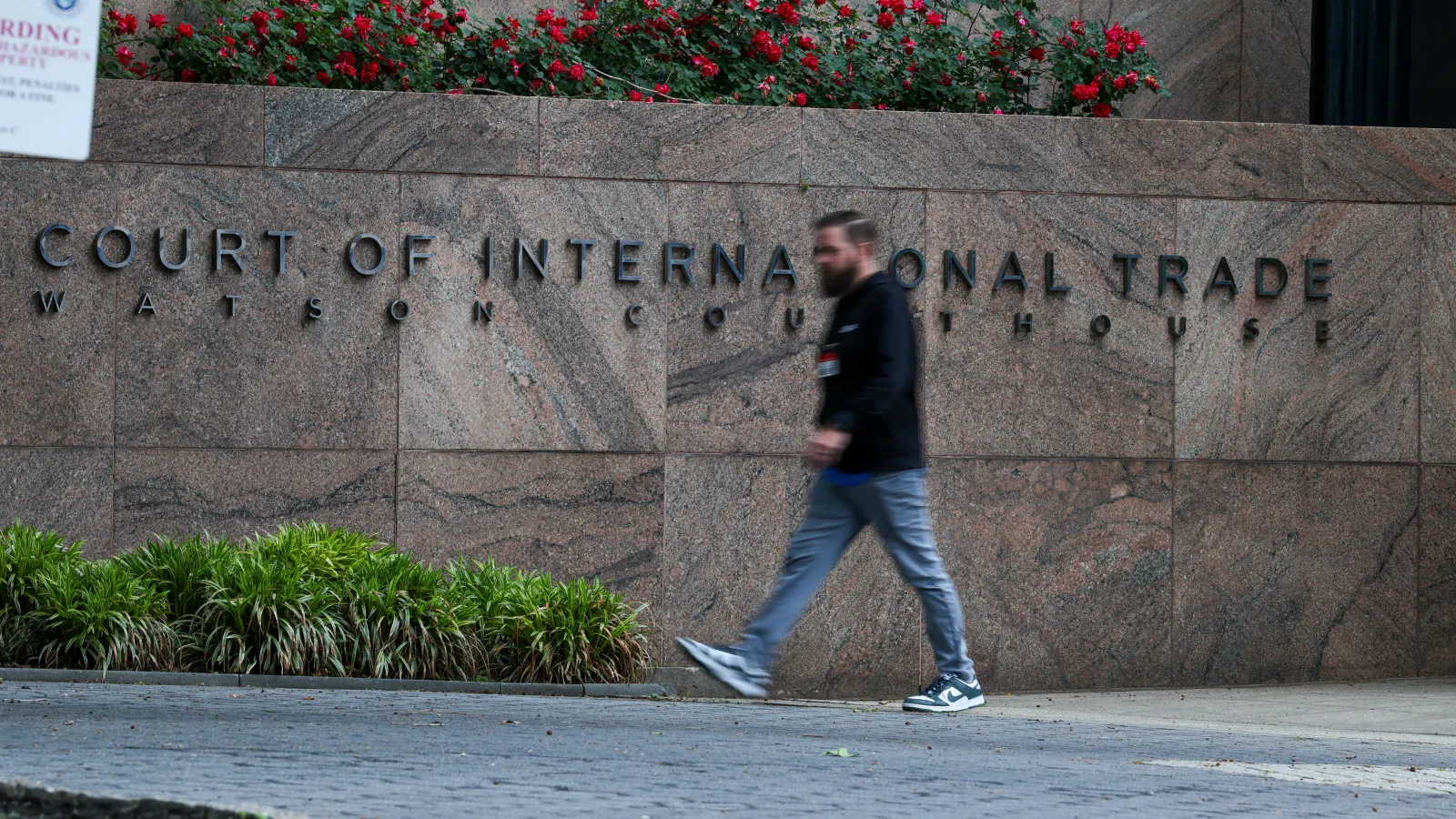
However, beneath the volatility of breaking news—such as the recent announcement that the United States is set to levy a new wave of tariffs across 60 nations—lies a deeper, more permanent structural shift. For the CPO, the challenge of the next decade is not merely navigating the next headline; it is distinguishing between the fleeting "noise" of political theater and the fundamental, long-term trends reshaping the global economy.
The Anatomy of the New Trade Reality: Main Facts
The current trade environment is defined by a paradox: while global interdependence remains at an all-time high, the political appetite for decoupling and regionalization is reaching its zenith. The recent US announcement regarding broad-based tariffs is merely the latest manifestation of a trend that has been building since the post-pandemic supply chain shocks.
For procurement leaders, these tariffs are not just line-item cost increases; they are indicators of a shift toward "geoeconomic fragmentation." Unlike the globalization of the 1990s and early 2000s, which prioritized efficiency and lowest-cost sourcing, the current era prioritizes national security, supply chain sovereignty, and political alignment.
The core issue facing organizations today is that procurement functions are being forced to navigate a "polycrisis"—a convergence of geopolitical instability, climate-related disruptions, and a fundamental realignment of trade flows. The danger, as noted by economists, is that CPOs may become trapped in a loop of "reactive fatigue," where every social media post or policy announcement triggers an emergency procurement pivot, ultimately undermining long-term organizational health.
A Chronology of the Great Rewiring
To understand the current state of procurement, one must view the timeline of the last five years not as a series of isolated events, but as a compounding structural transformation.
- 2020: The Catalyst: The COVID-19 pandemic exposed the fragility of lean, just-in-time global supply chains. For the first time in decades, procurement moved from a back-office function to a C-suite priority.
- 2021–2022: The Inflationary Surge: As global demand roared back, supply constraints and rising energy costs triggered the first wave of modern protectionism, with nations scrambling to secure essential goods like semiconductors and medical supplies.
- 2023: The Pivot to "Friend-shoring": The focus shifted from mere availability to the geopolitical reliability of suppliers. Organizations began the slow, expensive process of migrating production from high-risk or politically sensitive regions to "friendly" or domestic markets.
- 2024–Present: The Era of Escalating Tariffs: With the latest US announcements, the era of "open trade" has been formally replaced by a "managed trade" regime. We are now witnessing a permanent integration of trade policy into national security agendas.
This chronology demonstrates that we are not currently experiencing a temporary hiccup in trade relations; we are living through a fundamental rewriting of the rules of international commerce.
Supporting Data: The Cost of Over-Responsiveness
Data from recent industry surveys, including the Procurement Leaders pulse survey, suggests that while CPOs are acutely aware of these shifts, the pressure to react to every headline is creating a "resilience tax."
- The Fatigue Factor: Over 65% of CPOs report that their teams spend more than 40% of their time managing "urgent but minor" geopolitical alerts.
- The Investment Gap: While reactive measures consume the bulk of the day-to-day budget, long-term structural investments—such as digitizing the supply chain for end-to-end visibility or diversifying supplier bases—are frequently sidelined to address immediate inflationary pressures.
- The Efficiency Paradox: Companies that have successfully navigated the recent years are those that have stopped treating geopolitical volatility as an "exception" and instead have integrated it into their standard risk-management frameworks.
As economist Sony Kapoor famously noted during the Ovation event, the transformation of global trade is not being driven by a handful of high-profile political pronouncements. Rather, it is being driven by "millions of small decisions" made by procurement and supply chain managers globally. These decisions, while individually minor, represent the true force of the "great rewiring."
Perspectives from the Frontline: Official Responses
During the Ovation retreat—held in the calm of the Danish coast, a stark contrast to the volatility of Washington—industry leaders grappled with how to balance short-term profitability with long-term survival.
The prevailing wisdom among attendees was that the "high-frequency obsessive monitoring" of political headlines is fundamentally corrosive. By reacting to every tweet or policy change, CPOs risk losing sight of their core mandate: the preservation of the basic architecture that has historically delivered prosperity.
"Your decisions are both deeply affected by this daily unpredictable policymaking and essential to preserving the basic architecture that delivered us so much prosperity," Kapoor told the attendees. "The tradeoff is that you have to make sure to separate the noise from the trend, the noise from the structural change and not get so hyper-responsive to the noise that you sacrifice longer-term opportunities."
This sentiment is echoed by corporate boards globally, who are increasingly demanding that their CPOs provide not just "firefighting" capabilities, but long-term strategic insulation against geopolitical risk.
Strategic Implications: Building Resilience in a Brave New World
For the modern CPO, navigating this landscape requires a fundamental shift in philosophy. To survive and thrive in this era, leaders must focus on four critical pillars:
1. Distinguishing Signal from Noise
The first step is psychological. Procurement teams must develop a filter to ignore the "high-frequency" news cycle that serves only to incite panic. Strategic planning should be based on structural trends—such as shifting labor demographics, long-term carbon regulation, and permanent trade blocs—rather than the daily shifts in political rhetoric.
2. Building Structural, Not Reactive, Resilience
Resilience is not about reacting quickly to a tariff; it is about having a supply chain so diversified and agile that a 10% tariff or a border closure does not necessitate an emergency board meeting. This involves investing in regionalization, multi-sourcing, and digital twin technology to model the impact of potential trade shifts before they occur.
3. Embracing the "Great Rewiring" as Opportunity
While the current environment is difficult, it also presents a rare opportunity to rethink the entire value chain. Organizations that proactively align their supply chains with the new geopolitical reality will find themselves at a competitive advantage when their slower, more reactive peers are still reeling from the latest regulatory shock.
4. Integrating Procurement into Geopolitical Strategy
The CPO can no longer operate in a silo. Procurement must work closely with legal, risk, and corporate affairs departments to ensure that supply chain decisions are informed by the highest-level geopolitical intelligence. This ensures that the organization is not just responding to policy, but anticipating the next phase of the global shift.
Conclusion: The Path Forward
The "energizing calm" of the Danish retreat serves as a metaphor for the mindset required of today’s CPOs. Amidst the storm of global trade wars and political volatility, the ability to maintain a clear, long-term focus is the ultimate competitive advantage.
The noise from Washington and other capitals will continue to dominate the headlines. There will be more tariffs, more rhetoric, and more instability. However, the most successful CPOs will be those who refuse to let the noise dictate their agenda. By focusing on the structural realities of the "great rewiring," they can build organizations that are not only resilient in the face of today’s challenges but are also positioned to define the prosperity of tomorrow.
The job of the CPO has changed forever. It is no longer enough to be a master of cost and procurement; one must now be a master of the global, political, and economic currents that shape our world. The future belongs to those who can look past the breaking news to the structural shifts occurring beneath the surface.

 Laily UPN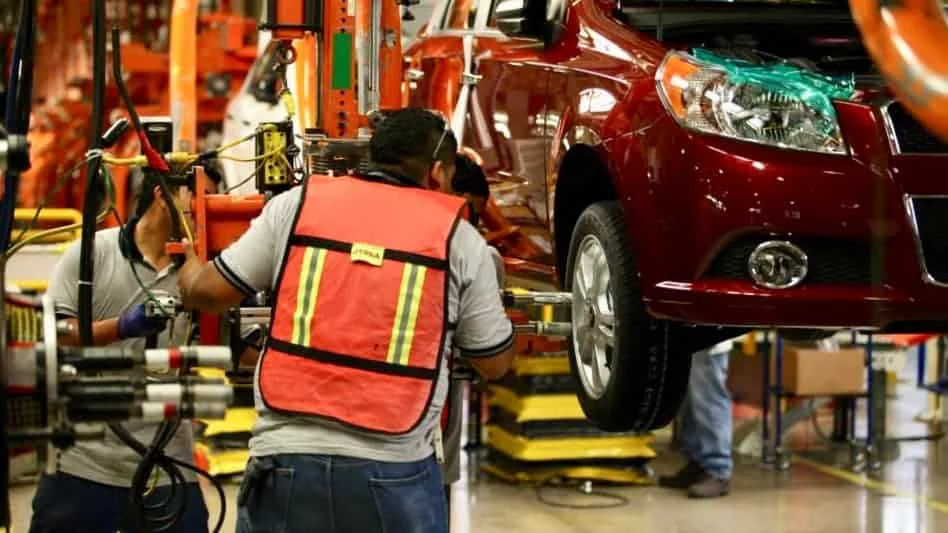
 Rifan Muazin
 Pevita Pearce
 Dwi Wanna
 Lina Hope
 Layla Zulfa
 Asep Darmawan
 Azzam Bilal Chamdy