
 Evan Lee Salim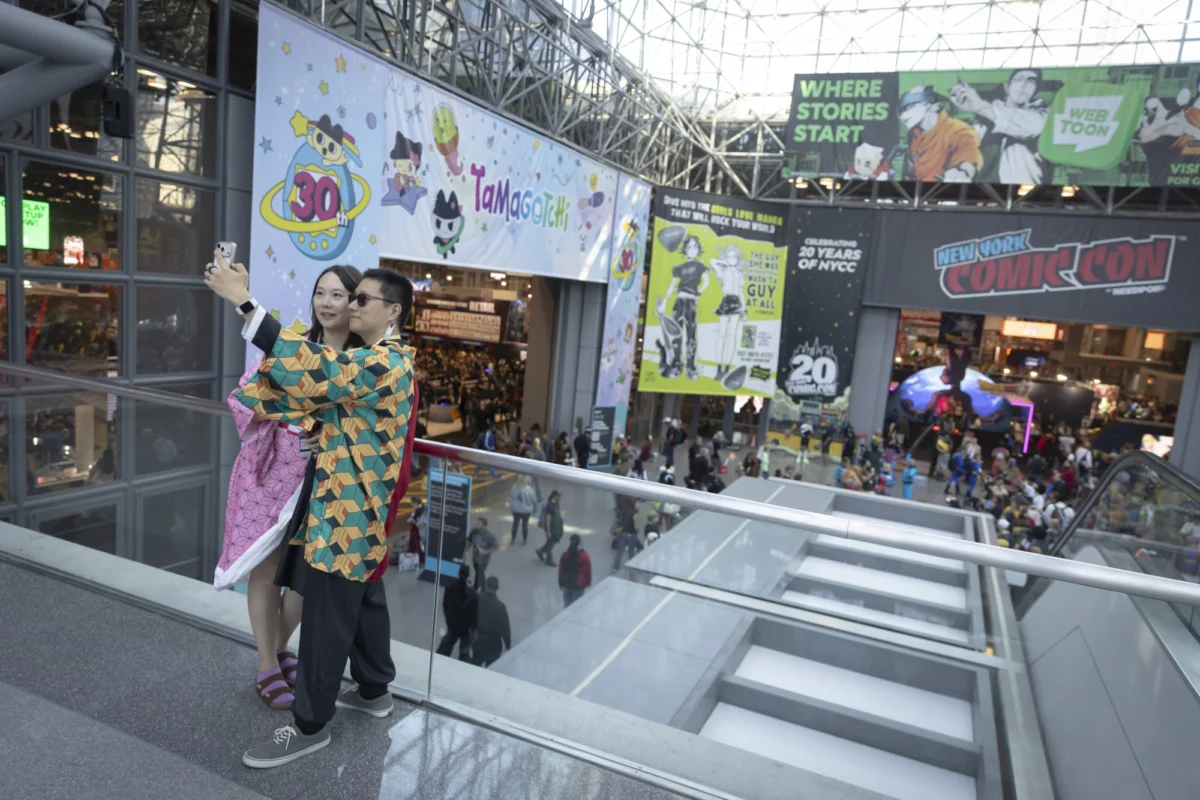
By Crystal Bell
October 11, 2026
The Javits Center, during the annual New York Comic Con (NYCC), has long been a pilgrimage site for the die-hard, the curious, and the costumed. But in 2026, the convention has transformed into something more than a marketplace for rare collectibles and celebrity autographs. It has morphed into a sprawling, high-octane production studio. As you stand in the dedicated creator lounge, the view is a masterclass in modern media: below, thousands of attendees move like a tide of neon-colored wigs, intricate armor, and pop-culture tributes.
This isn’t just a fan gathering; it is the beating heart of the creator economy. With the rise of short-form video as the primary language of fandom, NYCC organizers have pivoted, designing the convention’s physical architecture to accommodate the cameras, microphones, and digital ambitions of the modern creator.
The Architectural Pivot: Designing for the Feed
For this year’s 20th anniversary, the planning team at ReedPop didn’t just focus on foot traffic and crowd control. They focused on "shareability." In the venue’s iconic Crystal Palace, the banners and signage were intentionally designed with lower-level visual focal points. These weren’t just aesthetic choices; they were engineered backdrops for TikTokers and Instagrammers, anticipating the precise angles needed for a perfect "get-ready-with-me" transition or a high-quality interview background.

This is a deliberate evolution. Following the post-pandemic return of live events in 2021, NYCC organizers realized that the attendees weren’t just passive consumers of content—they were the primary broadcasters. "We started engaging with them very intentionally when live events were coming back," says Fallon Prinzivalli, Marketing Director at NYCC.
Chronology of a Digital Shift
The transformation of the convention into a media hub didn’t happen overnight. It was a gradual professionalization of the "fan-reporter" dynamic.
- 2021 (The Catalyst): As live events tentatively resumed, NYCC took a risk by handing over their official TikTok account to two independent creators. The experiment was an immediate success, generating over 8 million views in just four days.
- 2022-2024 (Formalization): Seeing the potential, the convention moved away from traditional press-only gatekeeping. They began recognizing that independent creators, despite lacking "traditional" media credentials, held more sway over younger demographics than legacy outlets.
- 2025 (The Infrastructure): The "Creator Lounge" became a standard feature. No longer just a room with tables, it evolved into a technical hub with high-speed Wi-Fi, ring lights, and charging stations.
- 2026 (The Integration): This year, the entire convention floor was treated as an active studio. The integration of official livestreaming with independent creator programming solidified the convention’s role as the premiere "content launchpad" for the entertainment industry.
Data Points: The Scale of Influence
The hunger for this access is staggering. This year, NYCC received thousands of applications for their dedicated creator badges. By August, the program was at full capacity, forcing organizers to close applications early. While the convention does not release official figures on badge distribution, the selectivity is clear: they prioritize creators who demonstrate community impact, originality, and consistent engagement over simple vanity metrics.
For the creators, the return on investment is undeniable. For a creator like Kallen Zborovsky-Fenster (@king_kallen), the convention is the "highest priority event" on a yearly calendar. The badge isn’t just a ticket; it’s a professional credential that allows him to secure interviews with industry insiders and fellow creators, bridging the gap between niche fan content and professional entertainment reporting.

Official Perspectives: The Blur Between Fan and Professional
The line between a "journalist" and a "creator" has become functionally invisible. Brandon Bullock, known as "Anime News Guy," embodies this transition. His workflow is that of a modern wire service reporter: he hits the floor, captures an exclusive reveal from an anime studio, retreats to the creator lounge to edit on a mobile device, and pushes the video to his audience while the news is still "fresh."
"We are very conscious that everything we create now is a shareable moment," Prinzivalli explains. From the perspective of the organizers, this is a symbiotic relationship. The convention provides the infrastructure (Wi-Fi, quiet spaces, access), and in return, the creators provide real-time, authentic, and highly-distributed marketing that no traditional advertising campaign could replicate.
Some creators have reached a level of influence where they are essentially celebrities in their own right. Prinzivalli notes that it is now common for popular creators to be stopped on the floor for photos—not by their friends, but by fans who follow their daily updates. This creates a circular ecosystem: the creator reports on the fandom, the fandom elevates the creator, and the convention becomes the stage where that power dynamic is performed in real-time.
The Human Element: When Passion Meets Production
Despite the corporate-adjacent shifts, the heartbeat of the convention remains the fan experience. Creators like Caroline Martini (@newyorkcaroline) highlight the tension inherent in this new landscape. While she utilizes the professional lighting and quiet of the creator lounge, she remains a fan first. She spends months in her own home, crafting intricate cosplays like her Lord of the Rings Éowyn costume.

For many, the pressure to "capture" the moment can threaten to overshadow the joy of actually living in it. Many creators report that they often struggle to disconnect, with vlogs and edits sometimes taking precedence over the spontaneous connections that once defined the convention experience. Yet, the community building is a powerful incentive. The lounge allows disparate creators to meet in person, turning "mutuals" into real-world collaborators, fostering a network that extends far beyond the four days of the event.
Implications for the Future of Fandom
What does this mean for the future of pop culture events? The "studio-fication" of conventions suggests that the physical space is becoming a secondary asset to the digital output.
- The Death of Passive Attendance: Attendees are no longer just coming to watch; they are coming to produce. Every fan with a smartphone is effectively an amateur cinematographer.
- Industry Legitimacy: As creators like Brandon Davis are integrated into official convention programming, the divide between "influencer" and "media professional" will continue to erode. Studios and publishers are already prioritizing creator-led Q&As over traditional press junkets.
- The Circular Economy of Content: The future of event management is circular. The event creates the moment, the creator captures the moment, and the resulting content drives the next wave of fandom, which in turn leads to even larger attendance at the next event.
As the 2026 edition of New York Comic Con concludes, the message is clear: fandom is no longer a hobby that exists in a vacuum. It is a media machine. By embracing this, NYCC hasn’t just survived the digital age—it has successfully integrated into it.
Whether you are a casual observer or a career content creator, the message from the Javits Center is consistent: if you aren’t filming, you aren’t really there. The "content studio" model is the new baseline for live events, and as we look toward 2027, the only certainty is that the next convention will be even more designed, more captured, and more shared than the last.

For the fans, the reporters, and the people who manage to be both, the convention floor is no longer just a place to see their favorite characters. It is the place where the next big trend is manufactured, one upload at a time.

 Lina Hope
 Nana Wu
 Ali Ikhwan
 Iffa Jayyana
 Reynand Wu
 Jia Lissa