
 Asep Darmawan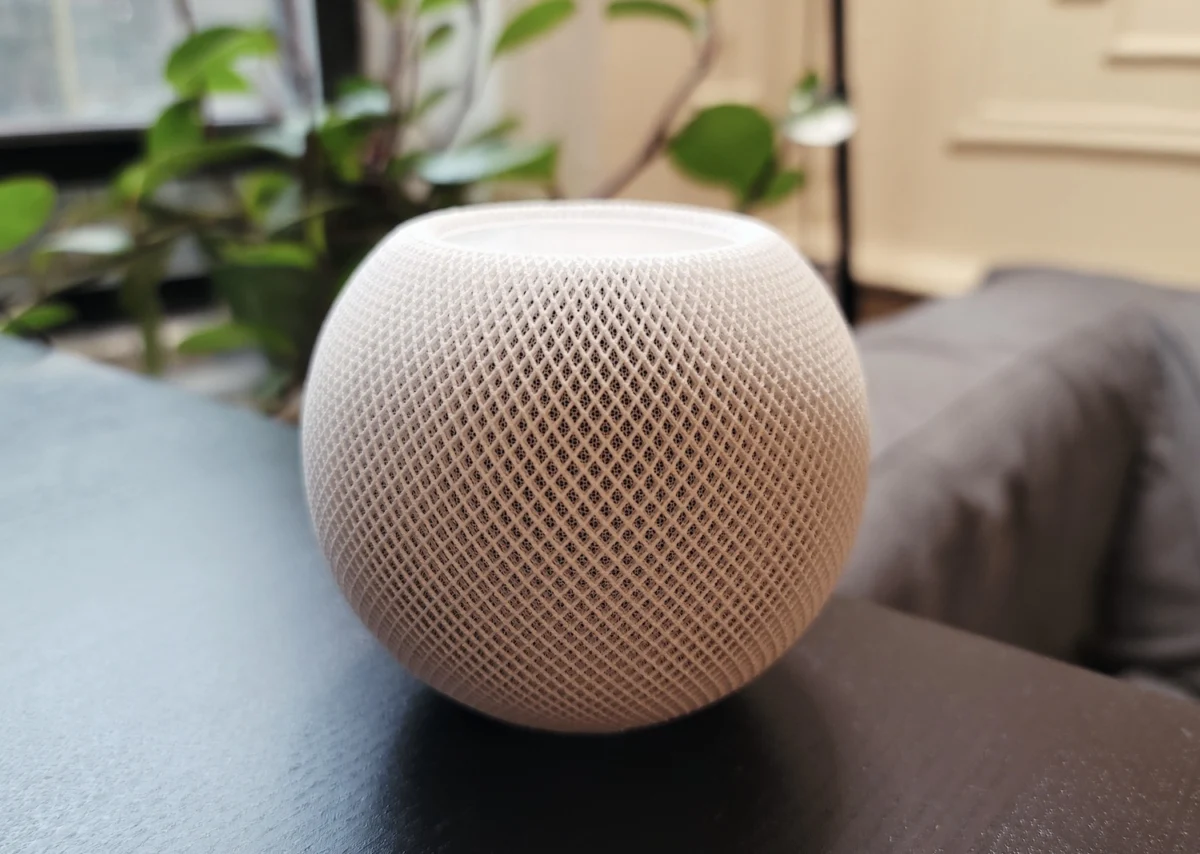
By Tech Insights Bureau
October 11, 2026
In a move that signals a significant strategic pivot, Apple is poised to redefine its presence in the domestic technology market. Following years of speculation, development hurdles, and a lukewarm reception to its previous home-focused hardware, the company is set to unveil "HomeView"—a dedicated smart home hub designed to serve as the nerve center of the modern living space.
According to reports from Bloomberg’s Mark Gurman, the official announcement is scheduled for Tuesday, October 13, 2026. This launch represents more than just a new product release; it is a declaration that Apple is finally ready to compete in the high-stakes arena of home automation, moving beyond the peripheral status of its past offerings.
The Core Offering: What is HomeView?
The HomeView is described as a purpose-built smart home command center. Unlike the HomePod, which primarily focused on audio fidelity and Siri-integrated voice commands, the HomeView is a visual-first device. Powered by Apple’s high-performance A18 chip, the device will feature a dedicated display intended to streamline the control of smart appliances, security feeds, and communication protocols throughout the home.
The product will launch in two distinct form factors, addressing different use cases within the domestic environment:
- The Countertop Model: Designed for accessibility in kitchens, bedside tables, or home offices, this version emphasizes portability and immediate interaction.
- The Wall-Mounted Model: Targeting the "smart home enthusiast," this version aims to integrate directly into the home’s infrastructure, acting as a permanent digital dashboard for climate control, security, and lighting.
By incorporating the A18 chip, Apple is ensuring that the HomeView is capable of sophisticated on-device processing. This is a critical departure from earlier smart home efforts that relied heavily on cloud-based latency, promising a faster, more private, and more responsive user experience.
A Chronology of Apple’s Smart Home Ambitions
To understand the significance of the HomeView, one must look back at the rocky road that led to its inception.
- 2014: Apple announces HomeKit, a framework designed to let users control smart home accessories using Apple devices. While the vision was ambitious, the implementation faced fragmentation, with manufacturers slow to adopt the strict security standards Apple required.
- 2018: The launch of the original HomePod. While praised for its acoustic performance, it failed to capture significant market share against incumbents like Amazon’s Echo and Google’s Nest, largely due to its high price point and the perceived limitations of Siri at the time.
- 2023–2024: Industry reports begin to swirl regarding internal turmoil within Apple’s home-device division. Multiple sources suggest that the project was delayed repeatedly due to "Siri challenges"—specifically, the voice assistant’s inability to keep pace with the generative AI advancements being integrated by competitors.
- March 2025: TechCrunch confirms that an anticipated smart home hub project has been significantly delayed. Reports indicate that Apple executives were unsatisfied with the device’s ability to manage complex "if-this-then-that" automation scenarios without requiring constant manual intervention.
- October 2026: After eighteen months of intense development and a total rethink of the user interface, Apple is finally prepared to launch the HomeView, alongside an refreshed lineup of home accessories.
Supporting Data: Why Now?
Apple’s entry into the dedicated hub market comes at a time when the smart home sector is undergoing a consolidation phase. Market data indicates that consumers are suffering from "app fatigue," where managing a dozen different devices through a dozen different smartphone applications has become a significant barrier to entry.
The HomeView directly addresses this friction. By centralizing control into a single physical interface, Apple is betting that the "frictionless" experience will win over users who have previously been intimidated by the complexity of smart home setups. Furthermore, by partnering with LG to release a suite of smart home essentials—including smart locks, thermostats, and video doorbells—Apple is attempting to create a "walled garden" that is both easier to manage and more secure than the disjointed ecosystems currently dominating the market.

Analysts suggest that this ecosystem play is essential for Apple’s long-term growth. With smartphone market saturation nearing its peak in developed economies, the home environment represents the next logical frontier for the "Services and Wearables/Home" revenue segment.
Official Responses and Strategic Implications
While Apple has maintained its customary silence regarding unreleased products, the industry sentiment is clear. The company is no longer content with the HomePod mini or the Apple TV acting as "de facto" hubs. These devices were compromises; the HomeView is a solution.
The Ecosystem Strategy
The implications for the broader tech industry are profound. By launching the HomeView, Apple is signaling a move toward a more integrated, local-first smart home. Unlike competitors that often mine user data to refine cloud-based AI, Apple’s emphasis on the A18 chip suggests that much of the HomeView’s intelligence will happen locally. This is a massive selling point for privacy-conscious consumers, a demographic that has historically been Apple’s strongest base.
Impact on Competitors
Amazon and Google have long enjoyed a head start in the smart home space, largely thanks to the affordability of their "Echo" and "Nest" devices. However, their business models often rely on data harvesting or recurring subscription services. If Apple can successfully position the HomeView as a premium, privacy-first alternative, it may force its competitors to pivot their own strategies.
The Role of the Apple TV and HomePod mini
Tuesday’s announcement will not be limited to the HomeView. Apple is also expected to announce iterative updates to the Apple TV and the HomePod mini. This suggests a three-pronged approach:
- HomeView: The central command center for the home.
- Apple TV: The multimedia and entertainment hub.
- HomePod mini: The distributed audio and voice-input nodes.
By upgrading all three, Apple is creating a cohesive "mesh" of hardware that talks to each other more efficiently than ever before.
Conclusion: A New Chapter for Cupertino
The launch of the HomeView on October 13 will be a watershed moment for Apple. For years, critics have argued that the company lacked a coherent vision for the home, treating it as an afterthought rather than a core pillar of its product roadmap.
The HomeView appears to be the answer to those criticisms. By combining hardware design, advanced silicon, and a renewed focus on home-centric software, Apple is attempting to do for the smart home what it did for the smartphone in 2007: simplify it, secure it, and elevate it.
Whether the market—which has become accustomed to the low-cost, high-convenience models provided by Amazon and Google—is ready for Apple’s premium vision remains to be seen. However, one thing is certain: with the HomeView, the battle for the center of the home has officially entered a new, more sophisticated phase. Investors, enthusiasts, and competitors alike will be watching Tuesday’s event with bated breath, as Apple attempts to turn the "smart home" into the "Apple home."


 Layla Zulfa
 Rifan Muazin
 Sagoh
Sagoh

 Nila Kartika Wati