
 Ali Ikhwan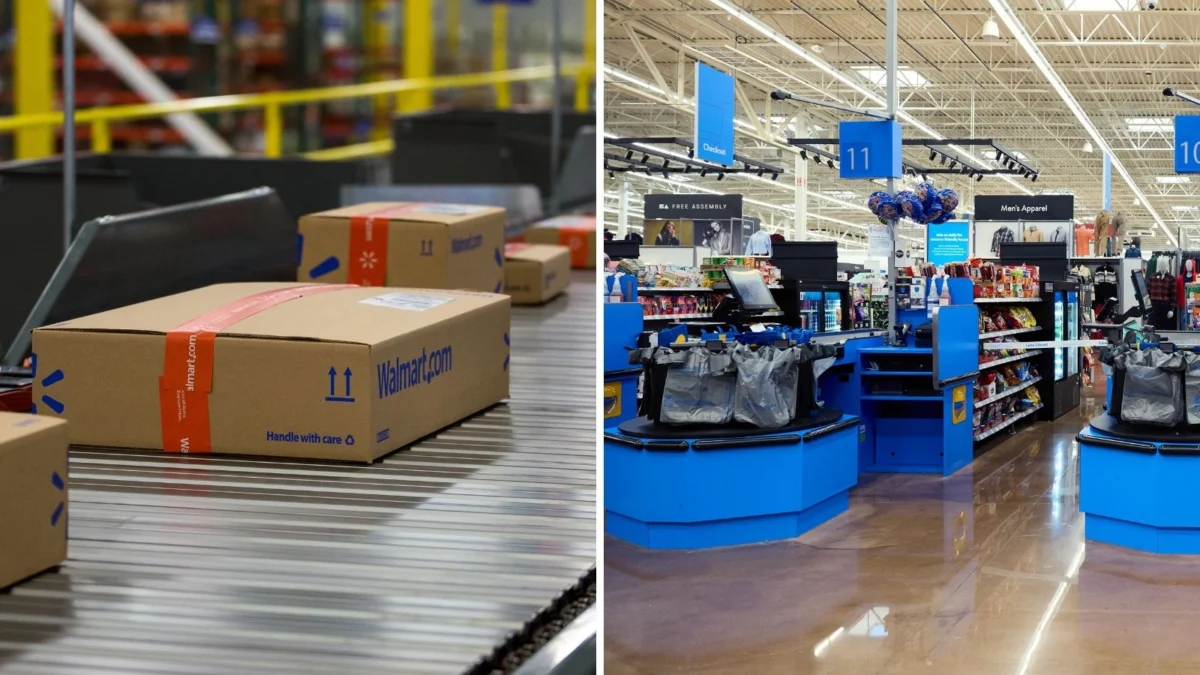
In a move that signals a seismic shift in the competitive landscape of e-commerce, Walmart has confirmed it is testing a new program that integrates its third-party marketplace sellers directly into its physical store infrastructure. The initiative, unveiled by Kyle Carlyle, Senior Vice President of Global Marketplace Fulfillment, during a Walmart Connect event in New York, represents a significant evolution in how the retail giant handles its burgeoning digital storefront.
For years, Walmart’s marketplace—which hosts thousands of independent merchants—has functioned largely as a parallel, digital-only operation. While customers could purchase items online, the logistical reality meant that these goods were either shipped from the seller’s private warehouse or via Walmart’s dedicated fulfillment centers. Now, the retailer is exploring ways to weave these third-party products into the high-velocity environment of its physical store network, potentially allowing customers to pick up marketplace items during their routine grocery runs or receive them via rapid local delivery.
Main Facts: The Integration of Digital and Physical
The core of this pilot program lies in logistics and accessibility. Previously, third-party sellers on Walmart.com faced a distinct limitation: their inventory was decoupled from the company’s massive footprint of over 4,700 U.S. stores. This created a "latency gap," where customers had to wait several days for shipping, even if they were located within a few miles of a Walmart location.
Under the new test parameters, select marketplace products will be eligible for in-store fulfillment. This means:
- Omnichannel Availability: Products sold by third-party entities can now be positioned to take advantage of Walmart’s "Buy Online, Pick Up In-Store" (BOPIS) infrastructure.
- Logistical Efficiency: By utilizing stores as micro-fulfillment centers, Walmart aims to reduce the "last mile" delivery time for third-party goods, moving from a multi-day shipping model to a same-day or next-day local delivery model.
- Inventory Blending: The initiative effectively erases the visible boundary between Walmart’s first-party inventory and the goods curated by its marketplace partners, providing a more cohesive shopping experience for the consumer.
A Chronology of Walmart’s Marketplace Evolution
Walmart’s journey toward this integration has been a deliberate, multi-year progression aimed at neutralizing the dominance of Amazon.
The Foundation (2009–2016)
Walmart launched its marketplace in 2009 to expand its online assortment. For the better part of a decade, the marketplace was a secondary play, focusing on long-tail items that were not stocked in physical stores.
The Aggressive Expansion (2017–2020)
Recognizing that scale was the only way to challenge Amazon, Walmart revamped its marketplace strategy. They invested heavily in Walmart Fulfillment Services (WFS), allowing sellers to store their products in Walmart warehouses. This ensured that more items qualified for the "2-day delivery" promise that had become the industry gold standard.
The Integration Phase (2021–2023)
Walmart began leveraging its physical stores to fulfill online orders, utilizing store associates to pick and pack items. This proved successful for first-party inventory, but left the marketplace ecosystem somewhat siloed.
The Current Pivot (2024–Present)
The current testing phase represents the final frontier: opening the physical store’s operational capacity to third-party partners. This shift is designed to turn every Walmart store into a hub for a broader array of goods, regardless of who technically owns the inventory.
Supporting Data: Why This Shift Matters
The rationale behind this move is supported by clear industry data regarding consumer behavior and operational costs. According to recent retail analytics:
- The "Convenience Premium": Research indicates that over 60% of online shoppers prefer retailers that offer in-store pickup options. By integrating marketplace goods, Walmart is effectively increasing the value of its "Walmart+" membership, as these items will likely count toward the benefits of free, fast delivery.
- Reduced Shipping Costs: Shipping from a centralized warehouse to a customer’s doorstep is notoriously expensive. By utilizing local stores to fulfill orders, Walmart reduces the distance a package travels, significantly lowering fuel and labor costs associated with long-haul logistics.
- Marketplace Growth: Walmart’s e-commerce sales have consistently grown in the double digits over the last several quarters. As the marketplace segment expands, the retailer must find ways to optimize the supply chain; otherwise, the cost of servicing these digital orders would erode profit margins.
Official Responses and Stakeholder Perspectives
The announcement by Kyle Carlyle underscores a broader corporate strategy to turn Walmart Connect—the company’s retail media arm—into a powerhouse. By allowing third-party sellers to utilize physical stores, Walmart is not just offering a logistical service; it is creating a new advertising opportunity.
"We are constantly looking for ways to provide our customers with more options, more speed, and more value," Carlyle noted during the New York event. While he did not provide a specific timeline for a nationwide rollout, he emphasized that the company is taking a "measured, data-driven approach" to ensure that the in-store experience for regular shoppers remains seamless.
Industry analysts have praised the move as a logical extension of Walmart’s "moat." By owning the physical locations, Walmart has a distinct advantage over pure-play e-commerce competitors. If a customer can pick up a specialized third-party product alongside their weekly groceries, the incentive to shop on rival platforms diminishes.
Implications: The Future of Retail
The implications of this shift are profound for several key stakeholders:
1. For Third-Party Sellers
Sellers who can meet Walmart’s strict inventory and performance standards will likely see a surge in sales. Being part of the "in-store eligible" inventory provides a level of visibility and trust that digital-only listings often struggle to achieve. However, it also places higher demands on sellers to manage their inventory levels precisely to avoid stock-outs in physical locations.
2. For Competitors
Amazon, which has long relied on its vast network of fulfillment centers, now faces a competitor that is turning every suburban storefront into a distributed logistics node. If Walmart successfully scales this program, they effectively lower their cost-to-serve while simultaneously improving the customer experience, putting immense pressure on other regional and national retailers to innovate their own fulfillment strategies.
3. For the Consumer
The consumer is the ultimate winner in this scenario. The "omnichannel" experience—where the line between physical and digital is blurred—means more product choices, faster turnaround times, and the elimination of shipping fees for many items that were previously relegated to slow-speed delivery.
4. For Walmart’s Operations
The challenge, however, will be execution. Managing the complexities of store-level inventory for thousands of independent sellers requires robust technology and significant training for store associates. Walmart will need to ensure that the influx of third-party goods does not clutter the store floor or interfere with the efficiency of its core grocery and retail operations.
Conclusion: A New Retail Paradigm
Walmart’s decision to integrate third-party sellers into its physical stores is more than just a logistical update; it is a fundamental shift in how the company defines its retail ecosystem. By treating its stores as the central nervous system for both its first-party and third-party businesses, Walmart is reinforcing its position as a dominant force in the modern economy.
As the retail industry moves toward a future defined by instant gratification and hyper-local fulfillment, the lines between "online" and "in-store" will continue to fade. Walmart’s current test is the latest proof that the retailers who win will be those who can most effectively merge their physical footprints with the infinite shelf space of the internet. For competitors, the message is clear: the race to the local store has only just begun.

 Nana
Nana
 Lina Hope
 Basiran
 Neng Nana
 Iffa Jayyana
 Raul Delapena Setiawan
 Rifan Muazin
 Asro
Asro