
 Dwi Wanna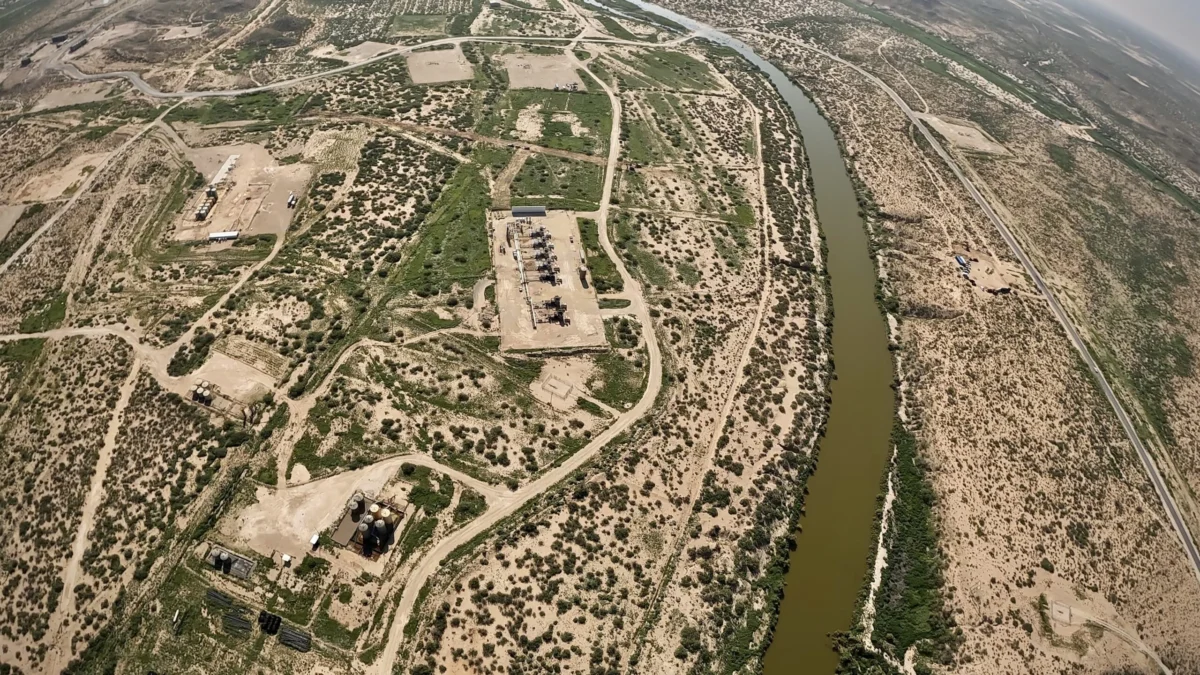
This report was originally published by Capital & Main.
In the high-desert landscape of southern New Mexico, the Pecos River is a lifeline—a historic, winding artery that once defined the rugged frontier of the American West. Today, however, it finds itself trapped in the middle of an industrial "hellscape." As the Permian Basin, the most prolific oil and gas region in the United States, continues to expand, the river is being pushed to its ecological breaking point, caught between the demands of the fossil fuel industry and the harsh reality of a rapidly aridifying climate.
The Toxic Reality: Oilfield Waste on the Banks
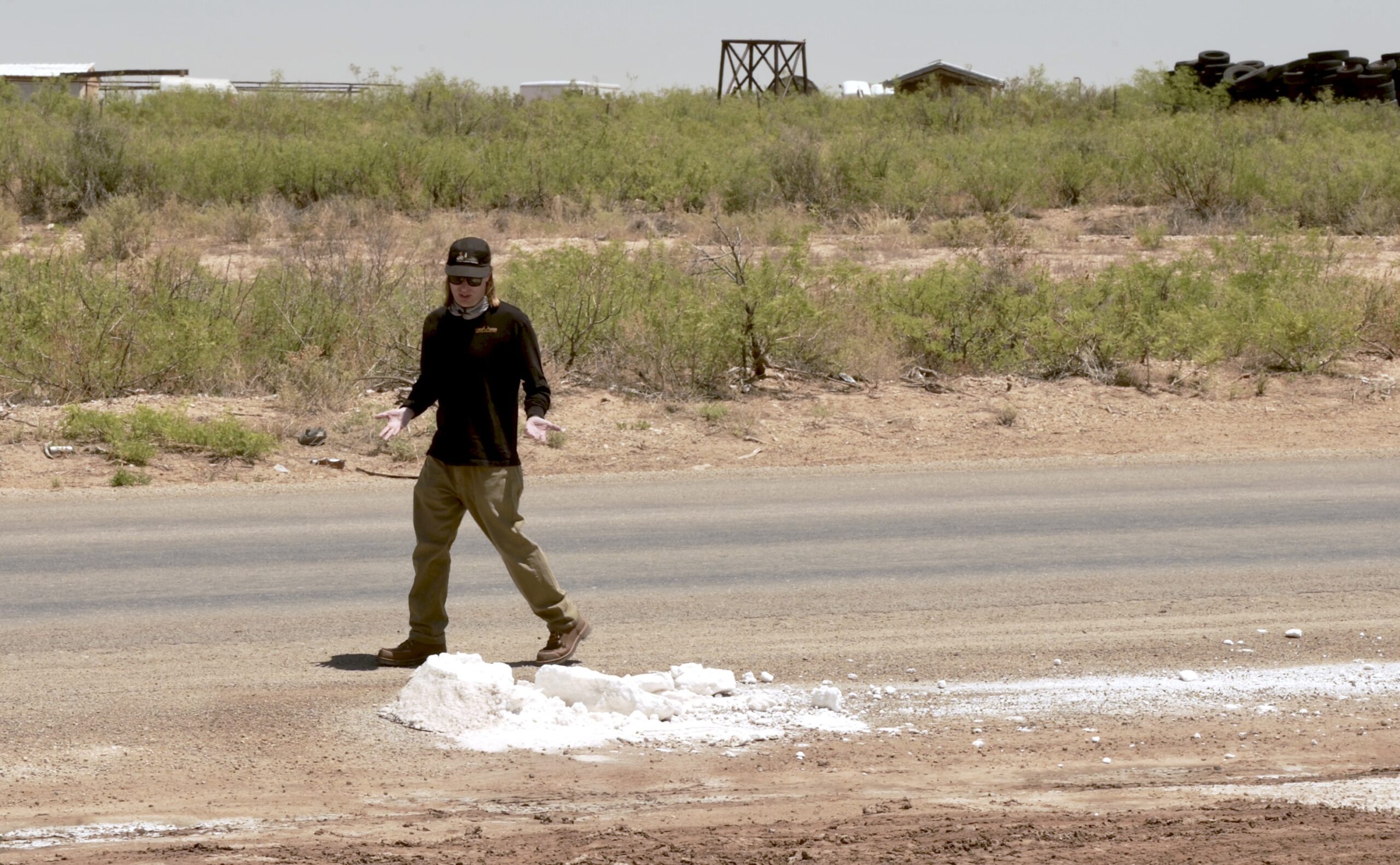
On an early May afternoon, Charlie Barrett, a professional thermographer with the watchdog group Oilfield Witness, pulled his truck onto a dusty shoulder just a mile from where the Black River converges with the Pecos. He was there to conduct a routine survey of nearby oil and gas operations. Stepping out of his vehicle, he immediately noticed that the ground was unseasonably muddy. Despite an ongoing, punishing drought, the pullout was slick and marked by ominous white, shimmering crystals.
It was salt—a sign of illegal dumping. A gray chunk of salt, roughly the size of a medicine ball, sat amidst the muck. "Unfortunately, this is pretty common," Barrett observed. "It’s also quite dangerous."
What Barrett had encountered was "produced water"—a toxic, hyper-saline byproduct of oil and gas extraction that often contains heavy metals, petroleum compounds, and, in some cases, radioactive isotopes. For every barrel of oil extracted in New Mexico, producers pull more than three barrels of this toxic wastewater from the ground. As fields age and "water out," that ratio often climbs even higher. The result is a massive logistical nightmare: every day, hundreds of semi-trucks traverse the rural highways of New Mexico, hauling this toxic sludge to disposal sites. When accidents occur, or when illegal dumping happens, the consequences for local ecosystems—and unsuspecting passersby—are severe.
Chronology of a Crisis
The degradation of the Pecos River did not happen overnight; it is the culmination of a century of industrial growth and shifting climate patterns.
- 19th and 20th Centuries: The Pecos serves as a vital water source for agriculture, ranching, and the growth of the American Southwest, eventually earning a "Wild and Scenic" designation for its headwaters.
- Late 20th Century to Present: The expansion of the Permian Basin transforms the region into a global energy hub. Tens of thousands of wells are drilled, and infrastructure is built to support the massive extraction of oil and gas.
- 2021–2024: The river is repeatedly named one of the "Most Endangered Rivers in the United States" by the organization American Rivers, highlighting the combined threats of pollution and chronic water scarcity.
- 2026: The U.S. Fish and Wildlife Service removes protections for the lesser prairie chicken, and the Department of the Interior rolls back key enforcement mechanisms of the Endangered Species Act, signaling a shift in federal priorities toward economic considerations over environmental ones.
The Invisible Threat: Emissions and Flaring
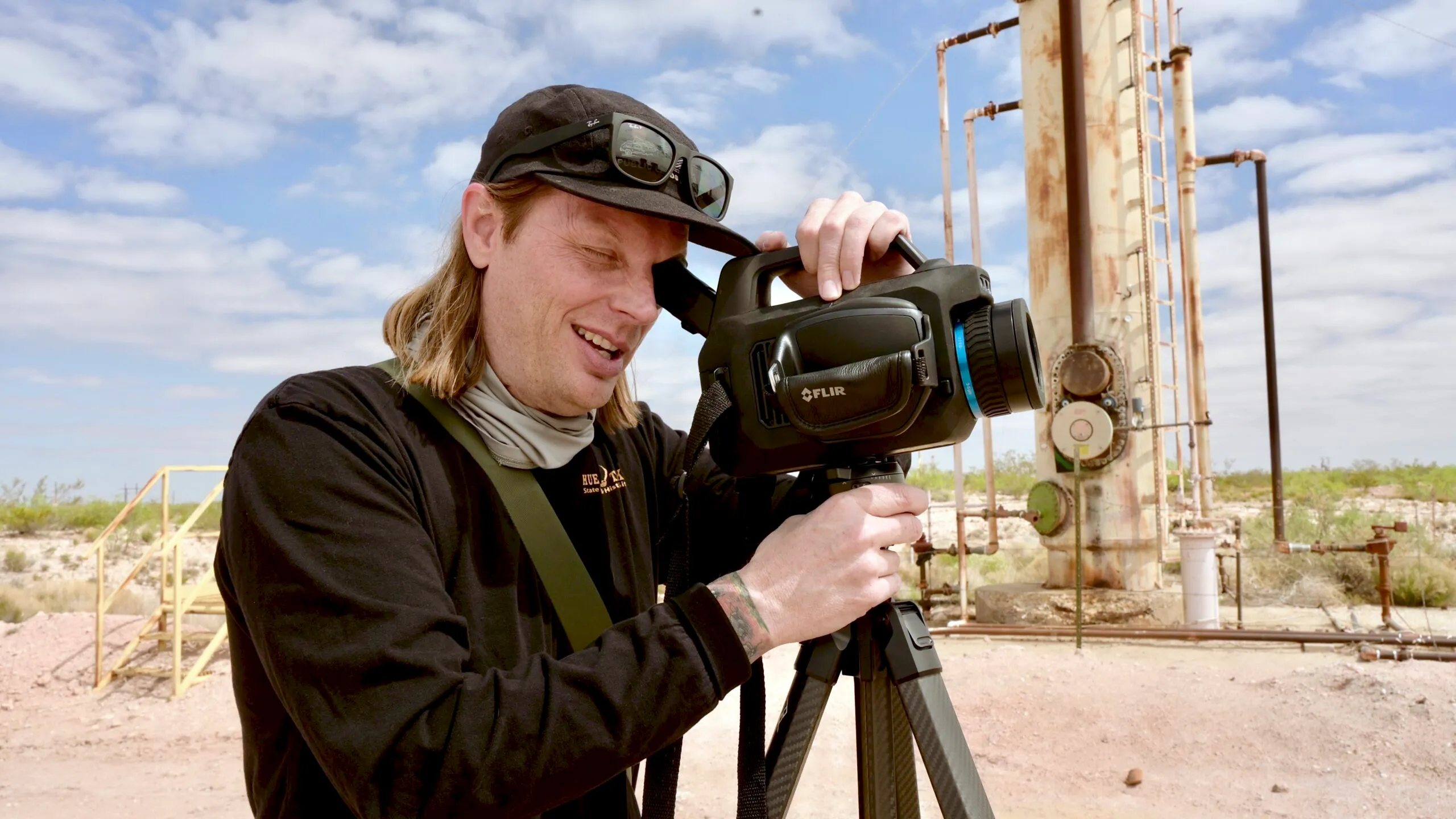
Barrett’s work with Oilfield Witness involves using high-end thermal cameras to visualize what the human eye cannot see: the gaseous plumes of volatile organic compounds (VOCs), methane, and carbon dioxide escaping from oilfield equipment.
Setting up his camera near a residential area, Barrett watched the screen in frustration. The thermal feed revealed the heat signatures of four active flares—gas being burned off by industry equipment. This is a common practice, occurring when gas is over-pressurized or during maintenance, but it is effectively a rejection of New Mexico’s 2022 ban on nearly all routine flaring. "Got a person’s home here and then this mess," Barrett noted, gesturing to the screen. "All producing CO2 and methane… blowing right into their home."
These emissions are not just atmospheric issues; they are the direct cause of the warming that is drying out the Pecos. By releasing carbon trapped for millions of years, the industry is effectively fueling the very climate change that threatens the water security of the region.
Hydrological Data and Aridification
The environmental strain on the Pecos is backed by decades of data. U.S. Geological Survey (USGS) records indicate a steady, long-term decline in annual snowpack in the mountains feeding the river’s headwaters. This decline in snowmelt is the primary "tap" for the river, and as that supply shrinks, the pressure on the basin intensifies.
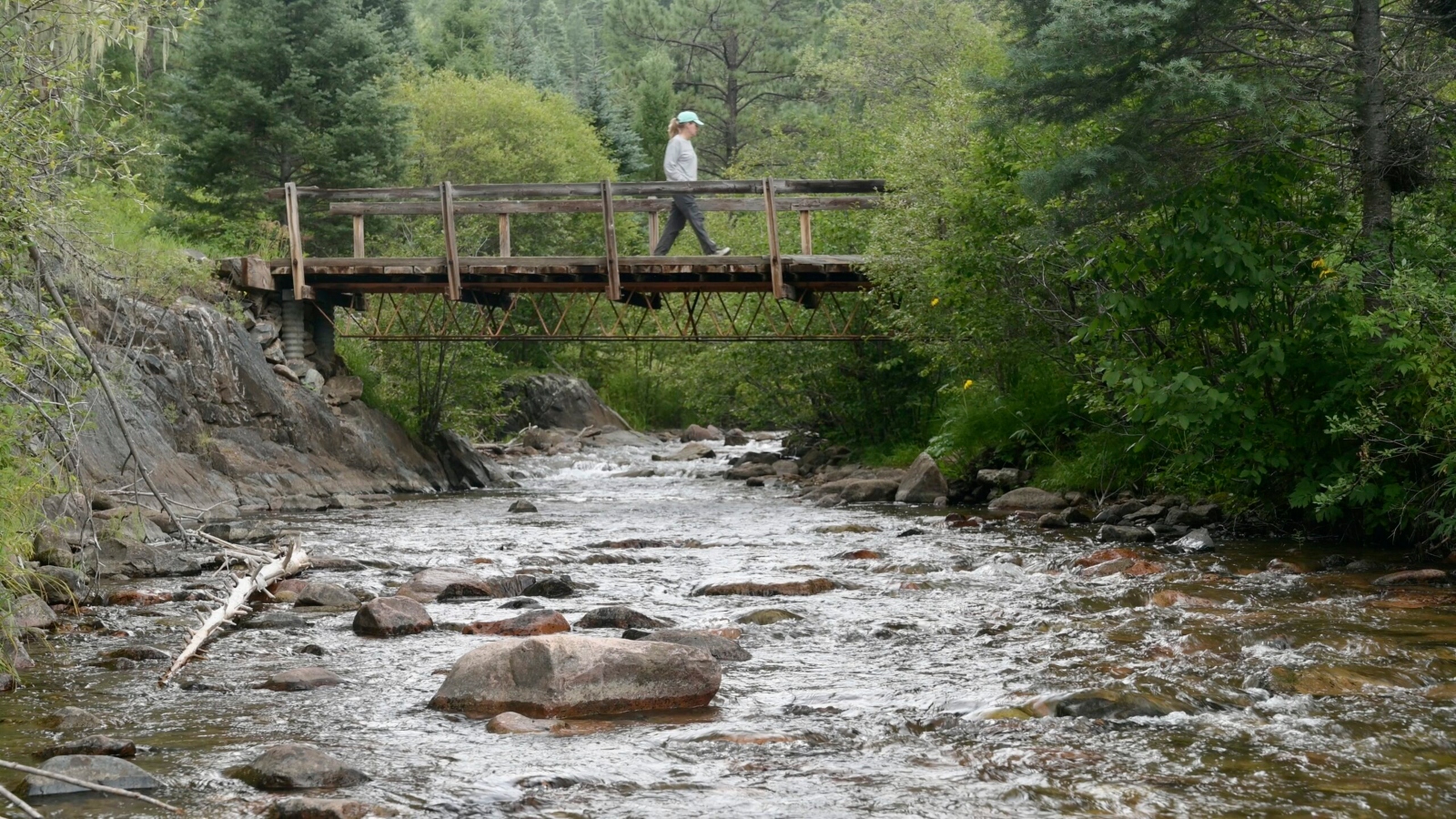
Hannah Riseley-White, director of the New Mexico Interstate Stream Commission, manages the state’s water obligations. She describes the current situation as "totally terrifying." Her department’s projections are stark: a 25% to 30% decrease in river water availability is expected by 2070.
"It wasn’t just record-breaking," Riseley-White said of the recent winter snowpack data. "It was beyond anything that we could have imagined." This "aridification" is the defining challenge of the next half-century, forcing state officials to consider radical solutions—some of which are highly controversial.
Official Responses and Industrial Proposals
Governor Michelle Lujan Grisham’s 50-Year Water Action Plan acknowledges that traditional water sources are no longer enough. The plan explores the possibility of treating produced water to a standard that would allow it to be used outside the oilfield—potentially for agriculture or industrial replenishment.
The industry, facing a surplus of toxic water and a lack of disposal options, has become a vocal advocate for this approach. However, environmental groups remain fiercely opposed. The primary concern is the integrity of the treatment process; critics argue that it is currently impossible to guarantee that all toxic and radioactive constituents are removed from the wastewater.
"The industry’s actually advocating for repurposing produced water and pumping it into this river," Barrett said, sitting on a boulder near the Pecos. To date, legal and regulatory attempts to implement widespread wastewater reuse have been stalled by public outcry and intense oversight, though the pressure to monetize or "recycle" this waste continues to mount.
Implications for Biodiversity and Ecology
The ecological cost of the industrial footprint is becoming impossible to ignore. The Pecos is home to sensitive species, including the Texas hornshell mussel and the dunes sagebrush lizard. The recent federal rollbacks of the Endangered Species Act, which now limit the definition of "harm" to exclude habitat destruction and noise pollution, have left these species significantly more vulnerable.
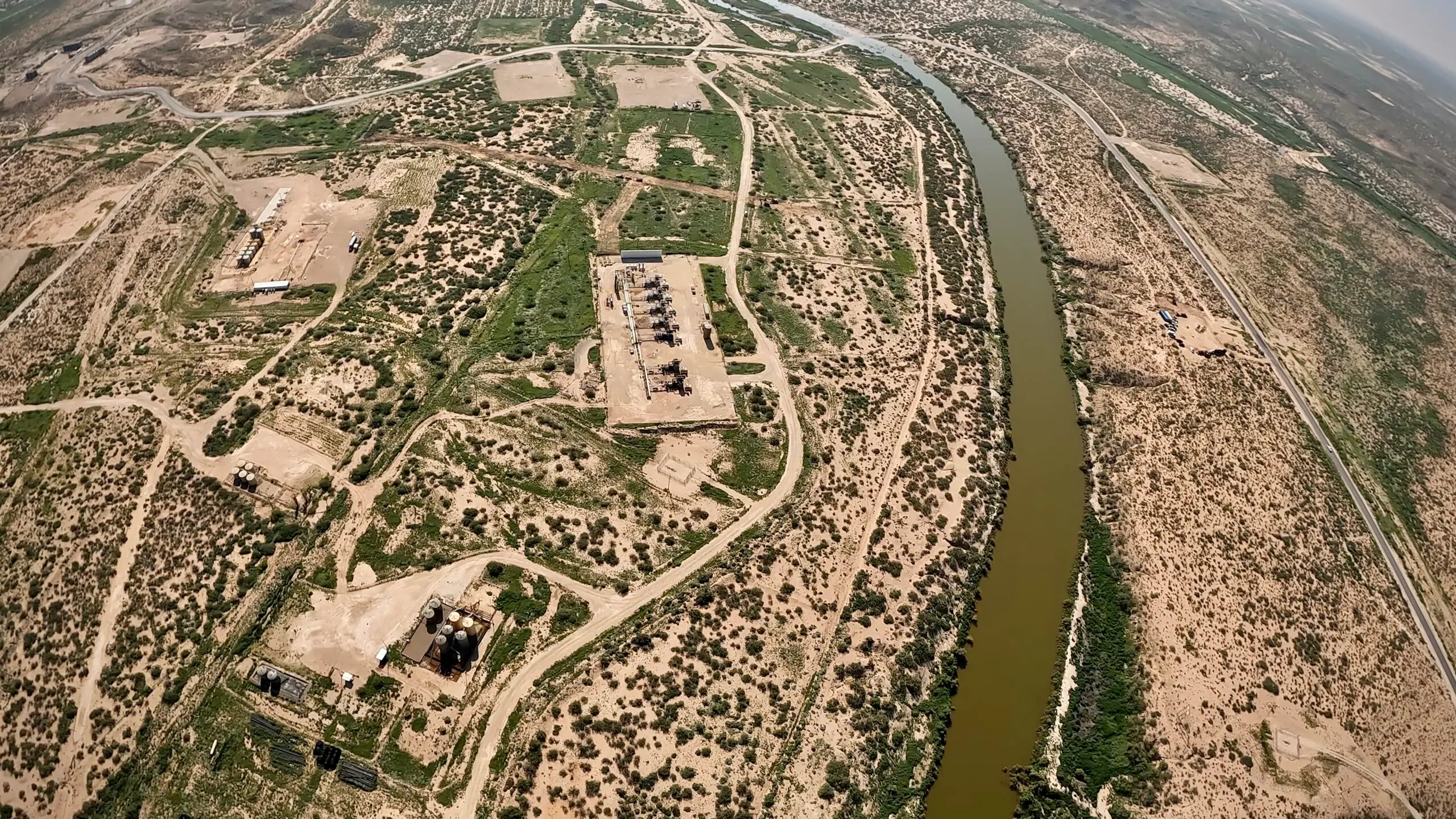
Barrett, who holds a background in ecology, emphasizes that the damage extends beyond spills. "The sound pollution and light pollution also affect this river ecosystem," he explained. The constant hum of pumps, the glare of industrial lighting, and the physical presence of 380 oil and gas wells within a half-mile of the river create an environment hostile to wildlife. "It drives a lot of species away from this ecosystem, which can lead to extirpation," Barrett warned.
The Path Forward: A Question of Balance
Despite the bleak outlook, there are pockets of progress. Collaborative efforts between landowners and state agencies have shown that when ecological health is prioritized, it often yields benefits for human users as well. For example, preserving water for the Texas hornshell mussel in the Black River has inadvertently secured water access for local ranchers.
Riseley-White remains cautiously optimistic that creative governance can bridge the divide between industrial demand and environmental necessity. "My hope in the Pecos is that as we face these challenges, we can get all of the different interests at the table and find solutions that make sense to everybody," she said.
For now, however, the Pecos remains a river in flux. As the trucks continue to haul waste along its banks and the heat continues to climb, the future of the river will serve as a bellwether for the entire American Southwest—a test of whether a region built on the extraction of the past can find a way to preserve its future.

 Neng Nana
 Raul Delapena Setiawan
 Evan Lee Salim
 Suro Senen
 Lina Hope