
 Layla Zulfa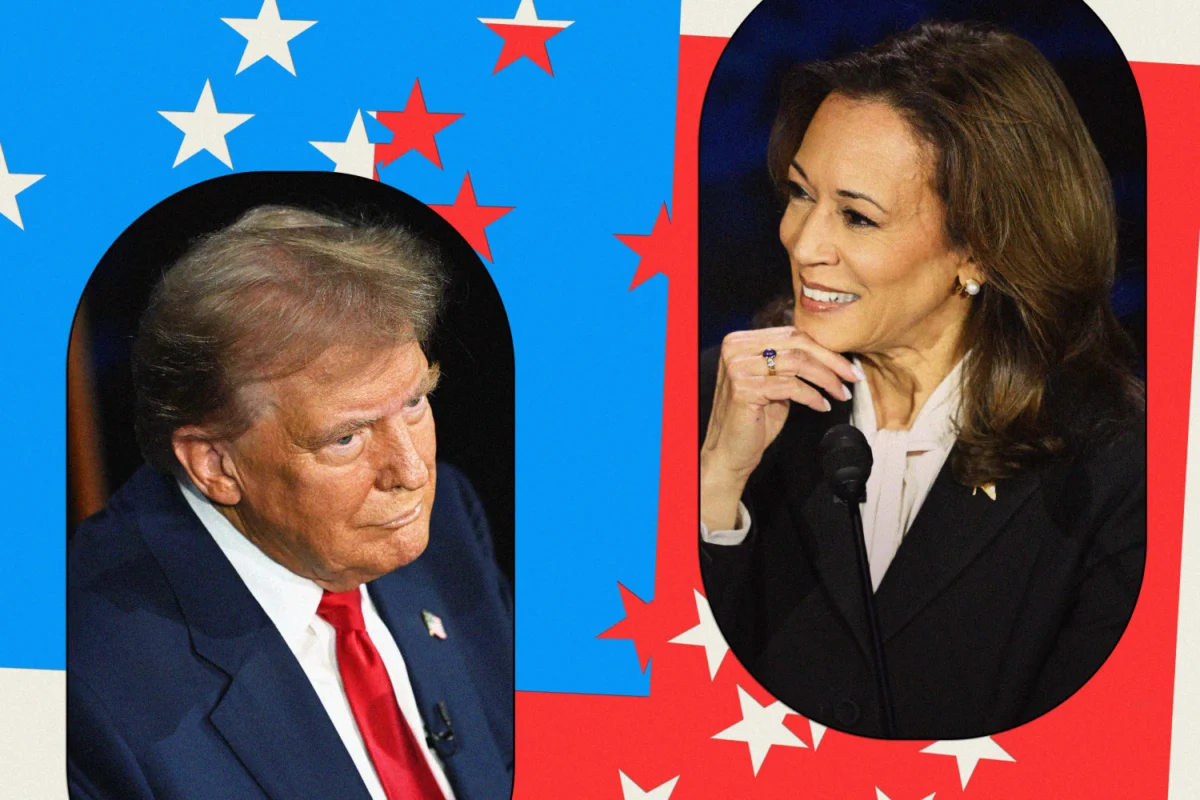
As the United States enters the heat of another presidential election cycle, the airwaves and digital feeds are once again saturated with competing narratives about the American economy. From the debate stage to social media, candidates Harris and Trump are locked in a battle to define the nation’s financial health. However, for the discerning observer—or what the financial independence community calls the "Advanced Mustachian"—this theater of political posturing often obscures the underlying realities of the global market.
To navigate this season, it is essential to distinguish between political rhetoric and economic data. When we strip away the hyperbole, we find that the U.S. economy remains a remarkably resilient, albeit complex, machine that is far less susceptible to presidential intervention than either party would have voters believe.
The Disconnect Between Perception and Data
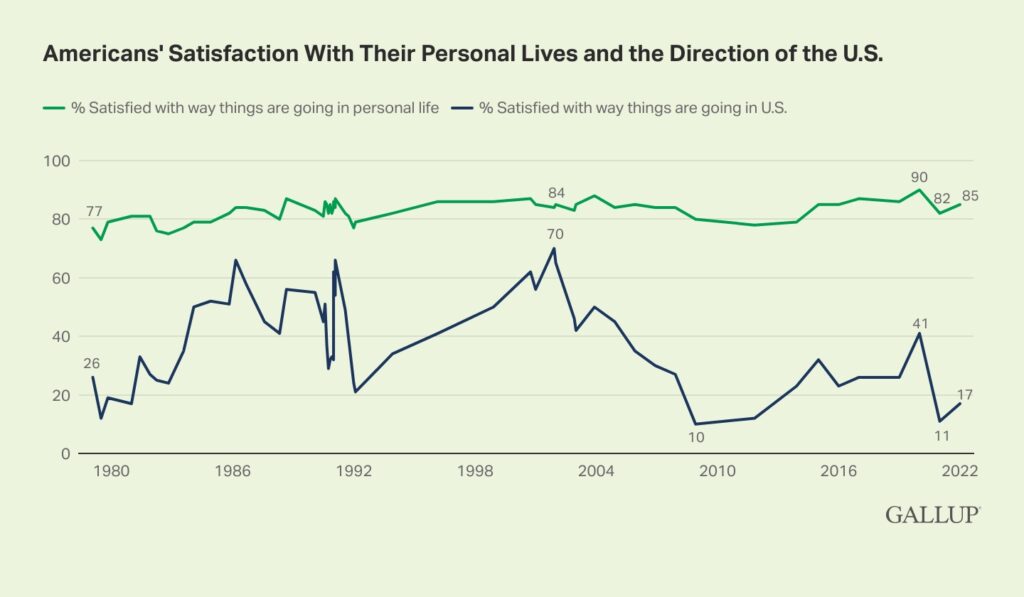
A striking phenomenon of the current cycle is the disconnect between how individuals perceive their personal financial situation and how they perceive the national economy. Recent polling data from Gallup underscores this anomaly: while a significant majority of Americans report that they are doing well personally, only a small fraction believes the national economy is thriving.
This is a mathematical impossibility. If the vast majority of citizens are experiencing individual prosperity, the collective economy is, by definition, performing well. This cognitive dissonance suggests the influence of pervasive misinformation and the tendency of political discourse to prioritize emotional narratives over empirical evidence. When voters are bombarded with claims of a "broken economy," they often ignore their own bank accounts in favor of partisan talking points.

Chronology of Economic Shifts: From Pandemic to Present
To understand the current state of the economy, one must look at the recent timeline of events:
- 2020–2021 (The Pandemic Shock): Global supply chains collapsed, leading to widespread shortages. Simultaneously, unprecedented government stimulus and near-zero interest rates were deployed to prevent a total economic freeze.
- 2022–2023 (The Inflationary Peak): The combination of pent-up demand and supply bottlenecks triggered a surge in inflation. The Federal Reserve, acting as the economy’s "braking system," began a series of aggressive interest rate hikes to cool the market.
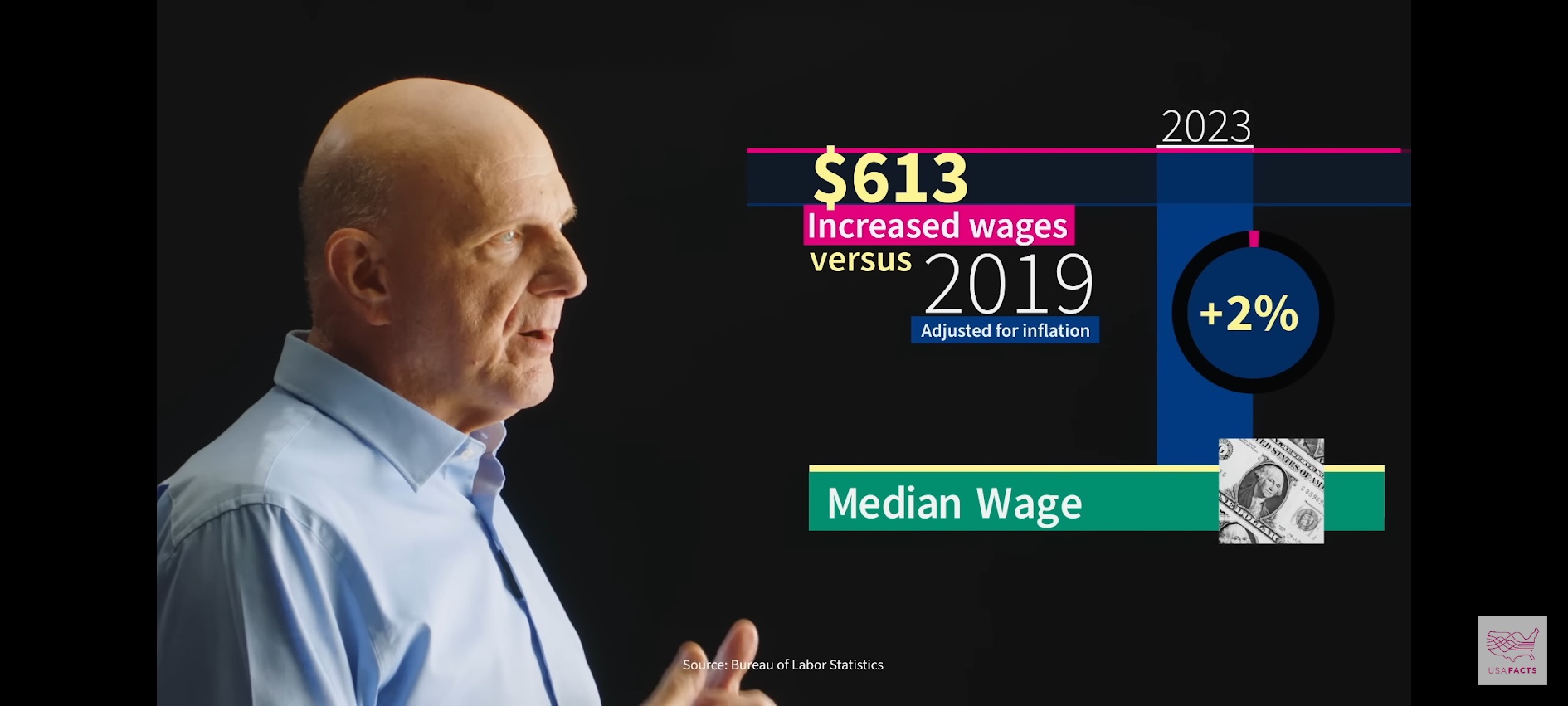
- 2024 (The Current Stabilization): Inflation has successfully decelerated to approximately 2.4%. Crucially, wage growth has consistently outpaced inflation since 2019, meaning the average worker’s purchasing power is higher today than it was before the pandemic.
Supporting Data: Why the "Bad Economy" Narrative Falls Flat
Politicians frequently characterize the current economy as a failure, yet the metrics tell a different story. Unemployment is currently at historically low levels, and real wages—adjusted for the recent bout of inflation—have risen by approximately 21%, while prices have risen by roughly 19%.
Furthermore, the "greedflation" argument, which posits that corporations are single-handedly driving prices up to hoard profits, has been largely debunked by independent analyses. A recent study by NPR found no evidence of windfall profits in the grocery sector, suggesting that market competition remains a far more potent force than corporate intent.
The Top Myths Perpetuated by the Campaign Trail
1. The Myth of Presidential Economic Control
Candidates routinely claim credit for economic booms and blame opponents for recessions. In reality, the U.S. economy accounts for only 26% of global economic activity. It is a massive, decentralized machine driven by the labor and innovation of millions of individuals, not a lever pulled by a single occupant of the White House. While the executive branch can adjust the rudder via tax policy, these effects are often slow-moving and secondary to global market forces.
2. The Myth of Presidential Interest Rate Control
Perhaps the most dangerous narrative is the suggestion that a president should influence interest rates. These rates are managed by the Federal Reserve, an independent body designed to function without political interference. Using interest rates as a political tool would invite volatility, as seen in countries where monetary policy is tethered to the whims of the executive.
3. The Myth of Housing Affordability
Housing costs are a genuine concern, but political solutions—such as federal subsidies for homebuyers—often exacerbate the problem by increasing demand without addressing the root cause: supply. The path to affordable housing lies in dismantling the regulatory roadblocks, such as restrictive zoning laws and "NIMBY" (Not In My Backyard) activism, that prevent the construction of new units.
4. The Obsession with Gas Prices
Gasoline remains a fixation of political campaigns, yet it is arguably an obsolete metric. When adjusted for inflation, gas prices are comparable to levels seen in 1950. Furthermore, the average household spends a marginal percentage of their income on fuel compared to other car ownership costs. The shift toward electric vehicles (EVs) further renders the political hand-wringing over gas prices an artifact of a bygone era.
Official Responses and Political Implications
Both the Democratic and Republican parties have leaned into these myths to mobilize their bases. The opposition often points to the "burden of inflation" as a failure of the incumbent, while the incumbent points to job creation numbers as a testament to their own policy efficacy.
However, neither side is incentivized to explain that the economy is a cyclical, self-correcting system. The political implication of this silence is a misinformed electorate that feels perpetually anxious, even when the data suggests they should feel secure.
Beyond the "Enough" Threshold
Perhaps the most profound takeaway for the modern citizen is the realization that the pursuit of more wealth often hits a point of diminishing returns. As many reach the threshold of "Enough," the focus should shift from macro-economic anxiety to personal agency.
True financial stability is found within one’s "Circle of Control"—the ability to save, invest wisely, and cultivate life skills—rather than the outcome of an election. When citizens understand that their personal well-being is not inextricably linked to the daily fluctuations of the S&P 500 or the latest campaign speech, they can move past the cycle of political fear.
Conclusion: A Data-Driven Perspective
For those seeking to bypass the noise, resources such as Steve Ballmer’s USA Facts provide a necessary antidote to political hype. By focusing on objective data rather than partisan commentary, individuals can gain a clearer understanding of the world.
As we approach the ballot box, the most empowered voters are those who recognize that while their vote is a critical civic duty, their economic future is built on sound personal principles. The economy is not a fragile object that breaks every four years; it is a durable, evolving landscape. Understanding this allows us to stop worrying about the "bad economy" and start focusing on the elements of our lives that we can actually influence.
Happy voting, and may your focus remain on the things that truly generate long-term value.


 Ali Ikhwan
 Laily UPN
 Iffa Jayyana
 Rifan Muazin
 Suro Senen
 Lina Hope
 Lina Irawan