
 Nana Muazin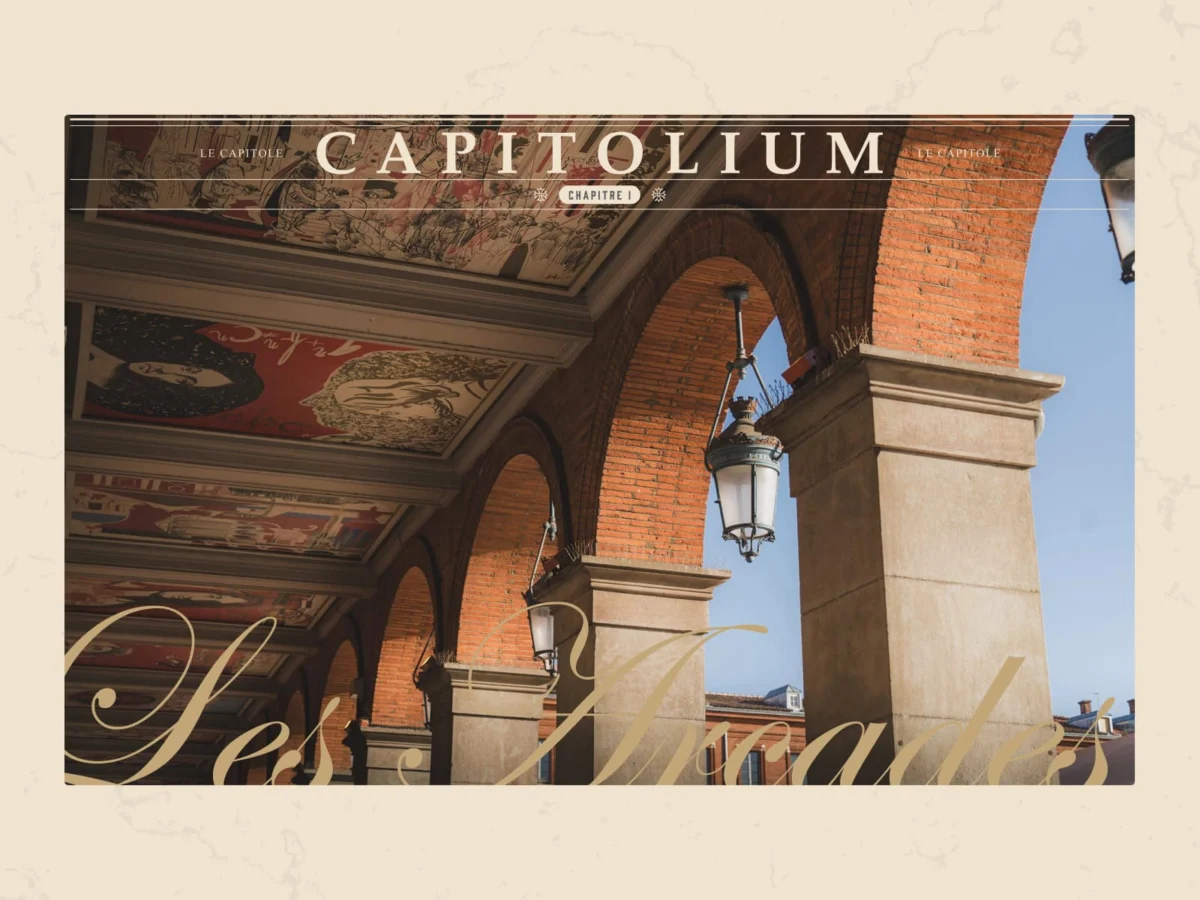
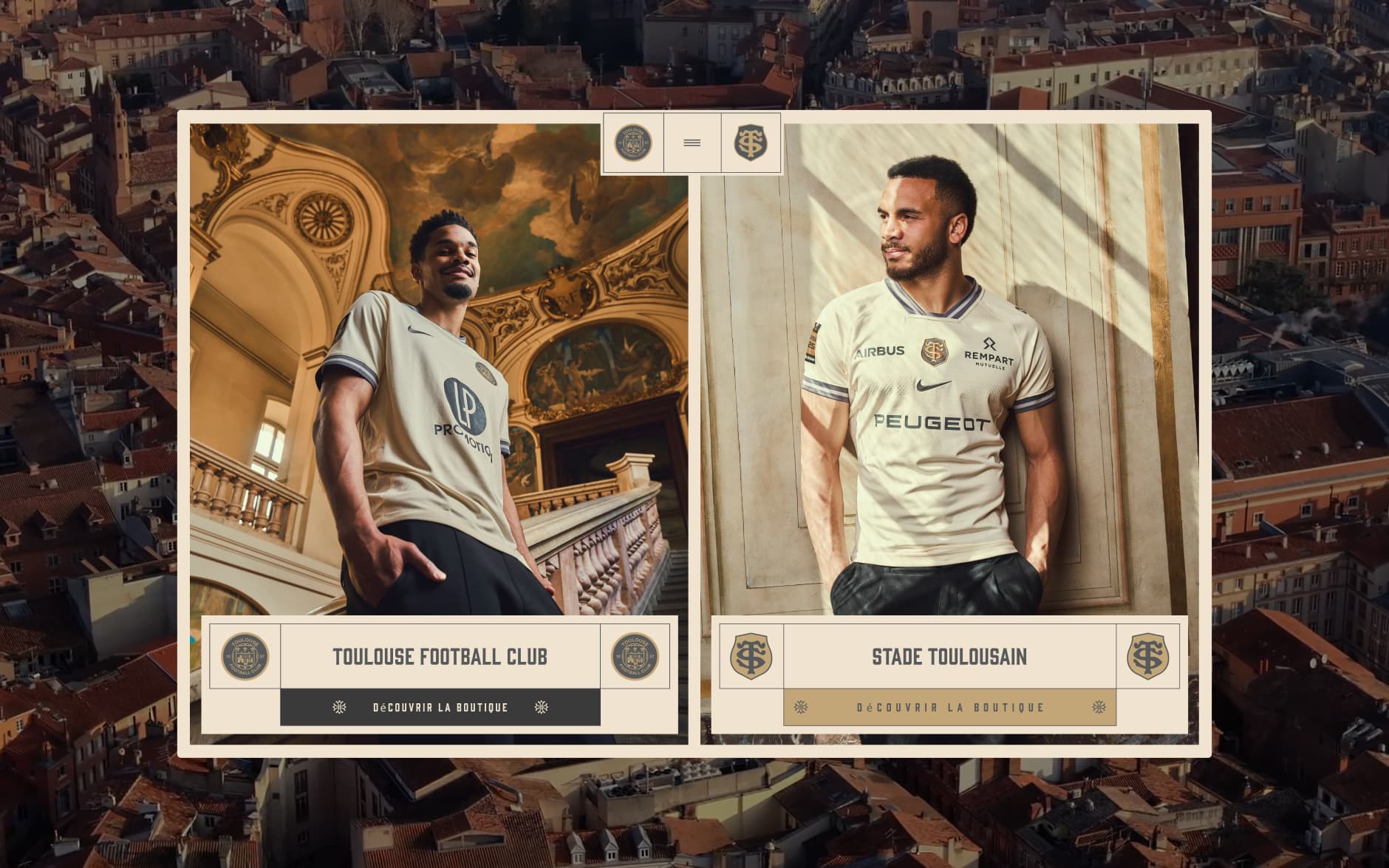
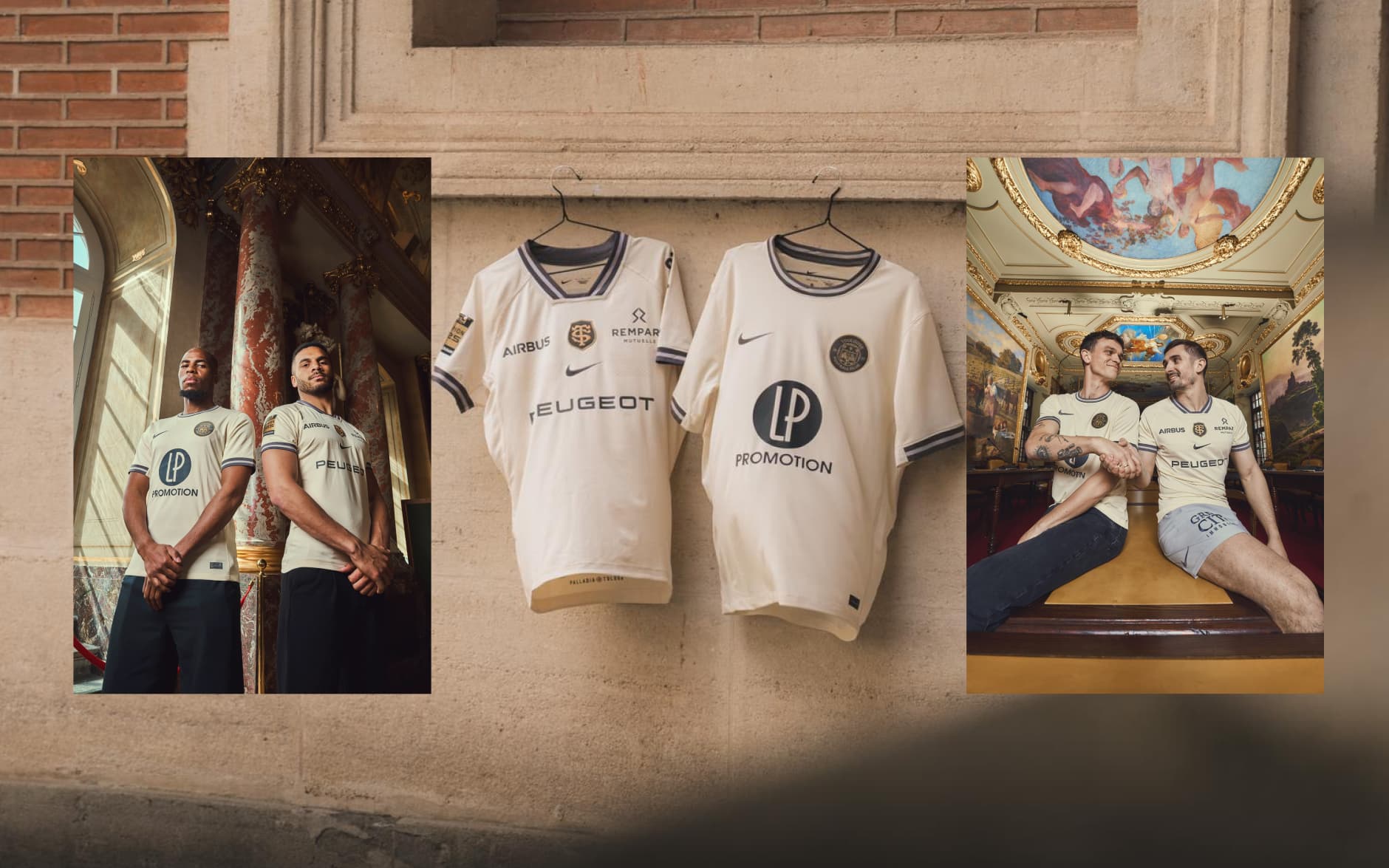
In the world of elite professional sports, tribalism is the bedrock of fan engagement. Football supporters and rugby enthusiasts rarely share more than a city map, and even then, their loyalties are often fiercely territorial. However, in an unprecedented move that has sent ripples through global sports marketing, the city of Toulouse witnessed a historic convergence. For the first time in modern sports history, two elite institutions—Stade Toulousain (rugby) and Toulouse Football Club (football)—stepped onto the pitch wearing the same collaborative jersey, designed in partnership with Nike.
This collaboration was not merely a garment swap; it was a profound cultural statement. Tasked with translating this high-stakes partnership into a digital narrative, the Toulouse-based creative agency Supercolor was brought in to build the heartbeat of the project: www.collabcapitolium.fr.
The Genesis of the Collaboration: Bridging Two Worlds
The objective was clear yet daunting: create a digital destination that spoke to two distinct fanbases while appealing to the global "streetwear" demographic. The collaboration aimed to answer a deeper, philosophical question: Why does this partnership make sense now, and why could it only have happened in Toulouse?
To solve this, Supercolor collaborated with Local Studio and creative partner Jonas Reymondin. Together, they formed a specialized unit tasked with developing a high-fidelity digital experience under an incredibly compressed timeline. The resulting platform, Capitolium, serves as a digital monument to the synergy between the two clubs.
The "Capitolium" Concept: A Digital Déambulation
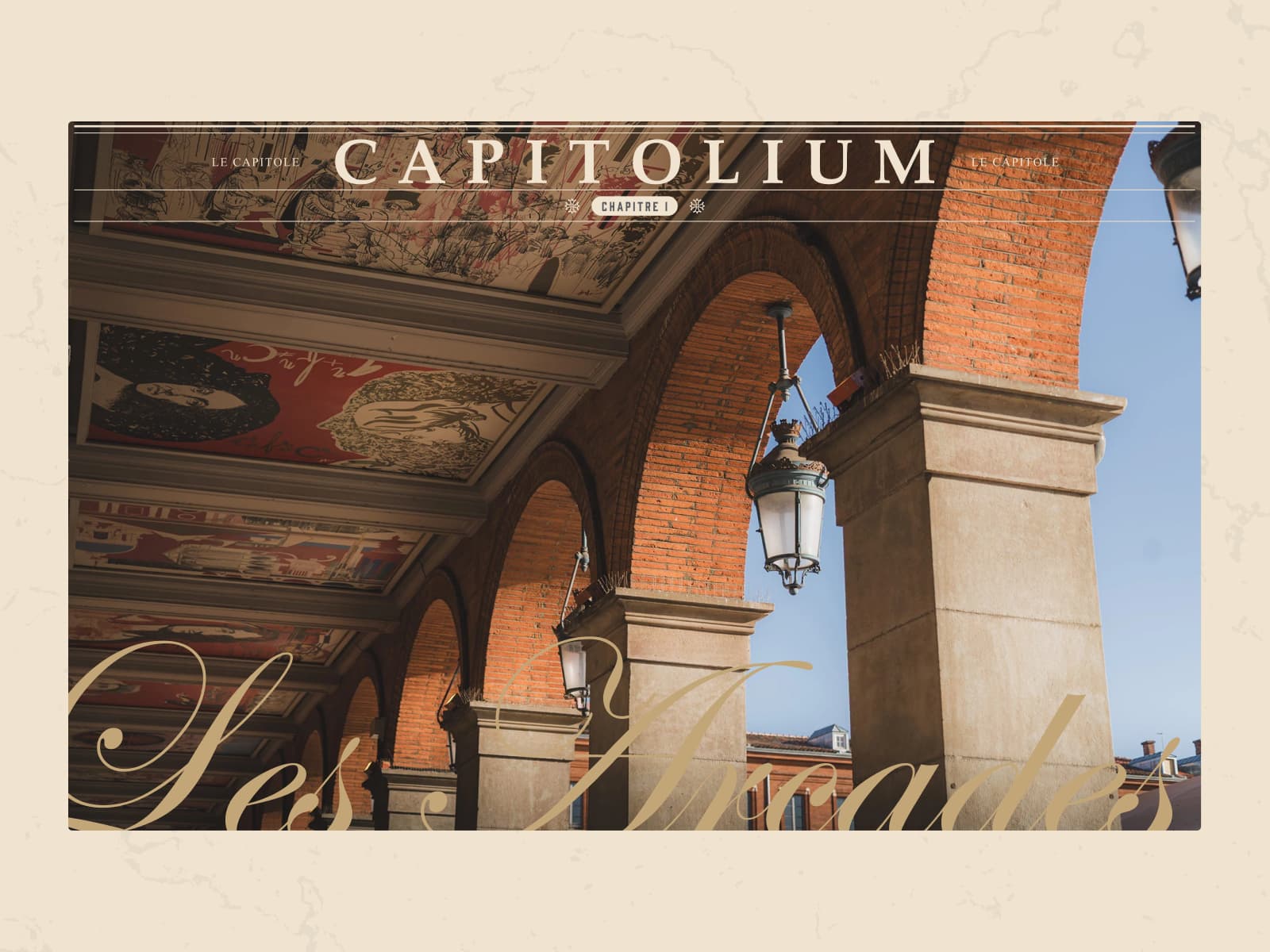
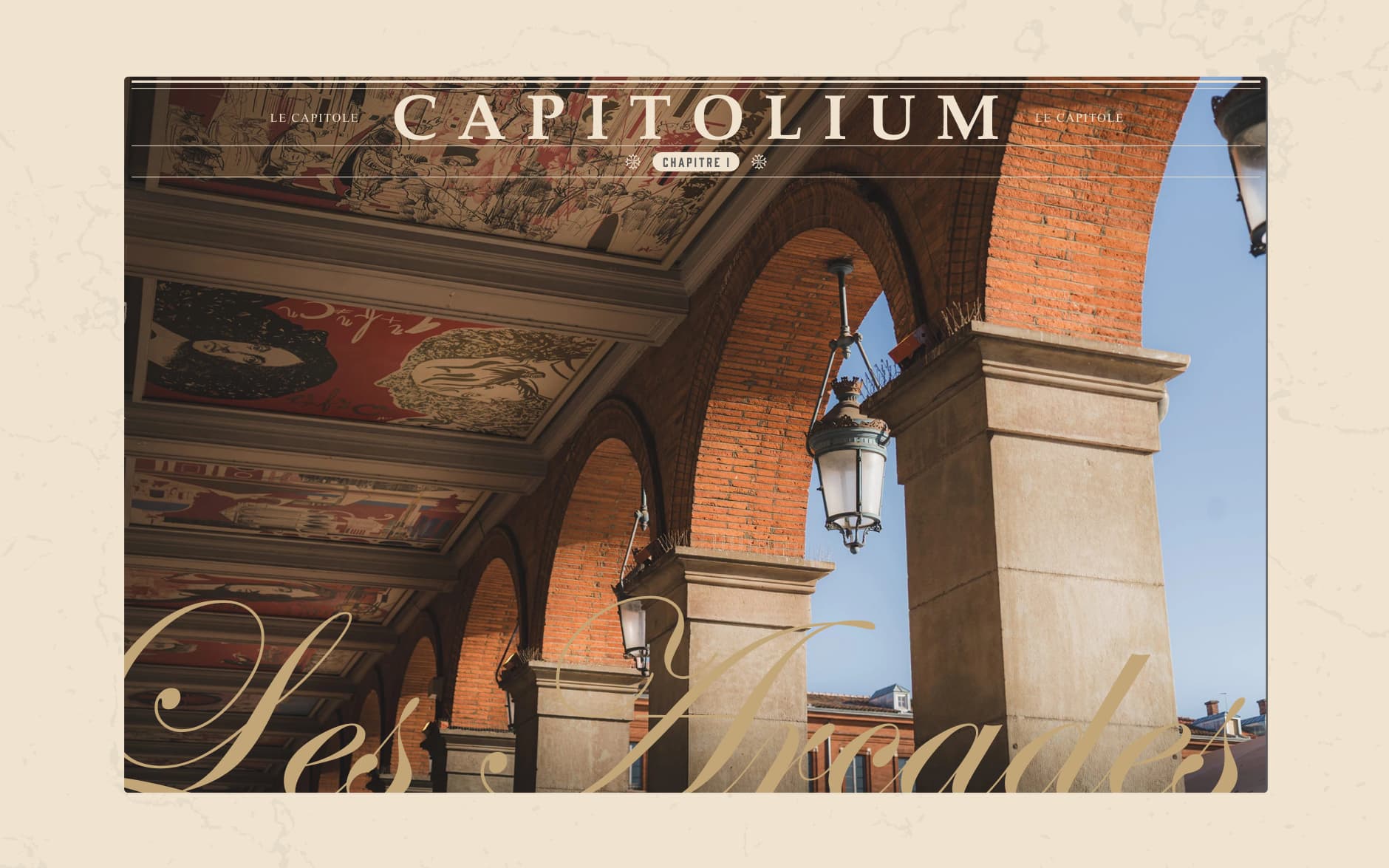
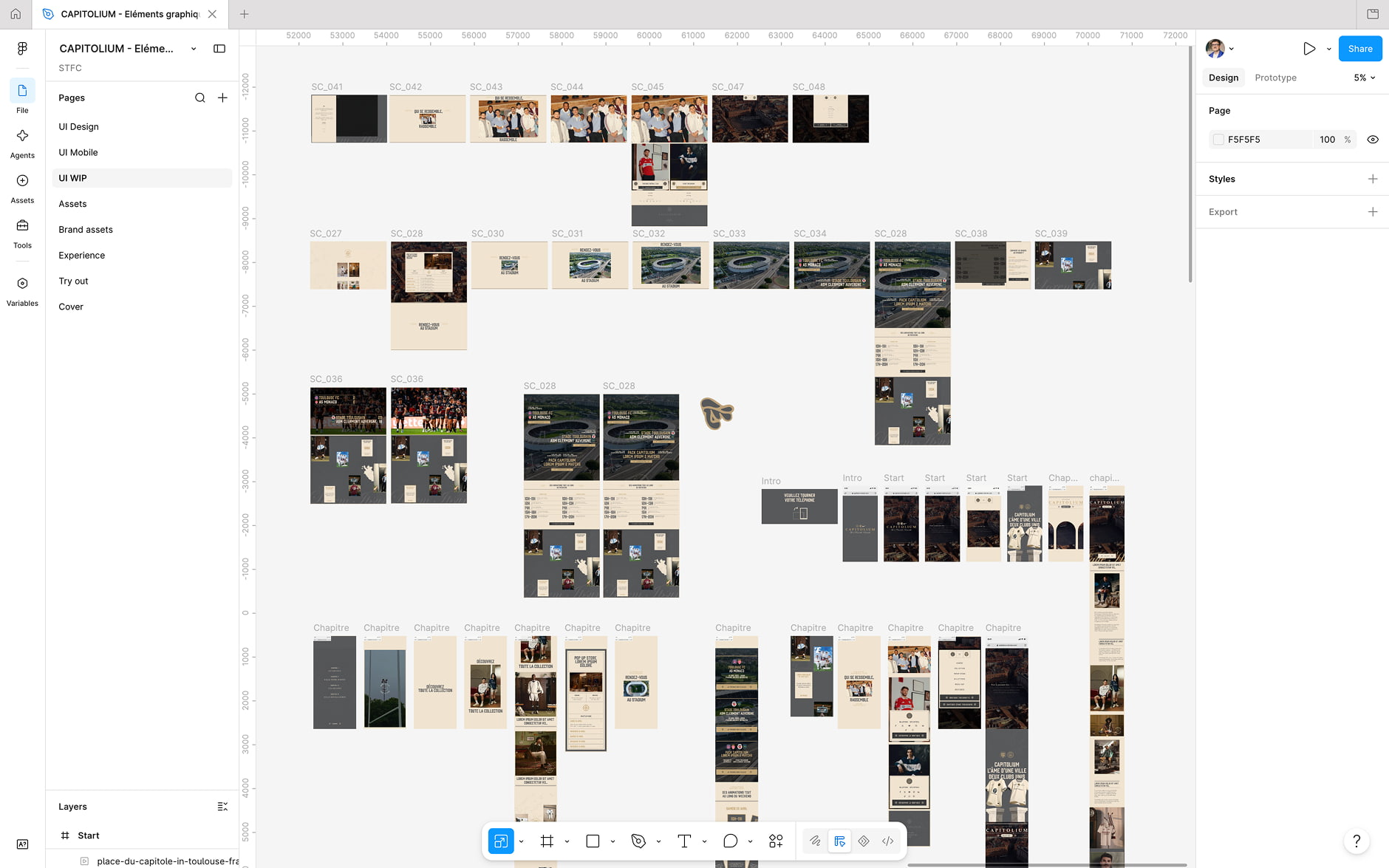
Rather than opting for a standard, static microsite, the design team opted for a déambulation—a French term for a leisurely, deliberate walk. The website mimics the experience of traversing the Place du Capitole, the iconic heart of Toulouse. As users scroll, the narrative flows horizontally and vertically, mirroring the movement of a citizen crossing a familiar square. This architectural approach was intentional; it anchors the digital experience in the physical reality of the city, asserting that this collaboration is the property of the people of Toulouse as much as it is a Nike-branded product.
Chronology of a Creative Challenge
The success of Capitolium was not a given. In fact, the project was defined by the "pressure of uncertainty."
Phase 1: The Brief and the Void
When the project began, the global art direction was still in its infancy. The visual identity of the collaboration—the core aesthetic that would define the campaign—was being developed in parallel with the website’s build. The Supercolor team faced a unique challenge: they were tasked with building the foundation of a house while the blueprints were still being drafted by the architects.
Phase 2: Agile Integration
To avoid misalignment, the team adopted an iterative, agile methodology. They began with the available assets, establishing robust technical frameworks for scroll-driven animations and video integration. As the campaign’s visual language solidified, the team continuously wove these new elements into the site’s architecture. This required a delicate balance; the team had to ensure that early technical decisions did not constrain the creative evolution of the brand.
Phase 3: The Reveal
The centerpiece of the digital experience is the "Jersey Reveal." Moving away from traditional product photography, the designers implemented a bespoke wind-simulation animation. As users interact with the page, the jersey appears to "materialize" in a ceremonial fashion, reminiscent of a grand reveal before a championship final. The rhythm of the site is dictated by an interplay between full-screen cinematic video and scroll-triggered discovery, ensuring the user remains an active participant rather than a passive observer.
Technical Foundations: Performance Meets Ambition
The technical requirements for such a project were immense. High-resolution, full-screen video, fluid scroll-driven animations, and complex transitions are notoriously difficult to balance without compromising page load speeds.
Why Kirby CMS?
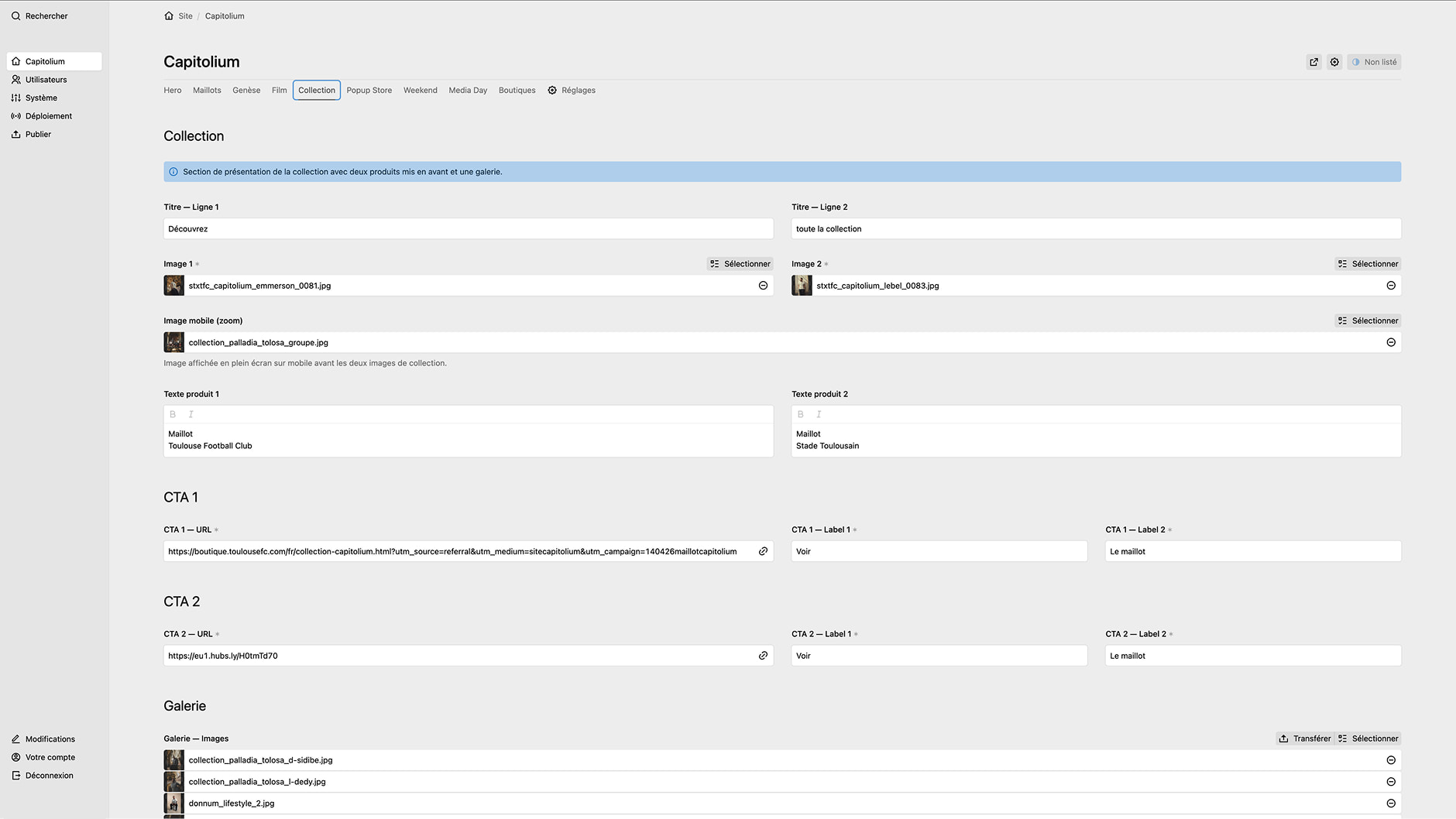
Supercolor opted for Kirby CMS to manage the project. In the agency’s experience, Kirby offers the perfect intersection of creative freedom and technical performance. Unlike bloated, database-heavy enterprise solutions, Kirby’s headless architecture allowed for a lightweight, high-performance delivery. This was crucial; the site needed to feel as sleek and premium as the jersey it was showcasing.
Technical Stack Overview:
- CMS: Kirby (Headless)
- Front-end: HTML, CSS, JavaScript (optimized for complex motion)
- Interaction: Bespoke scroll-driven animation libraries and custom wind-simulation algorithms.
- Video: Optimized full-screen integration with asynchronous loading.
Implications: Beyond the Microsite
The website was never intended to stand alone. It was the "North Star" of a 360-degree campaign that integrated influencer marketing, physical pop-up stores, and a historic double-fixture event.
The "Hub" Strategy
In a digital ecosystem saturated with noise, the website acted as the central nervous system. Whether a fan discovered the collaboration through an Instagram influencer, a physical billboard in the city center, or a display ad, all roads led to Capitolium. By centralizing the narrative, the site effectively routed traffic toward the specific ticketing and retail platforms of both Stade Toulousain and Toulouse FC.
Cultural Singularity
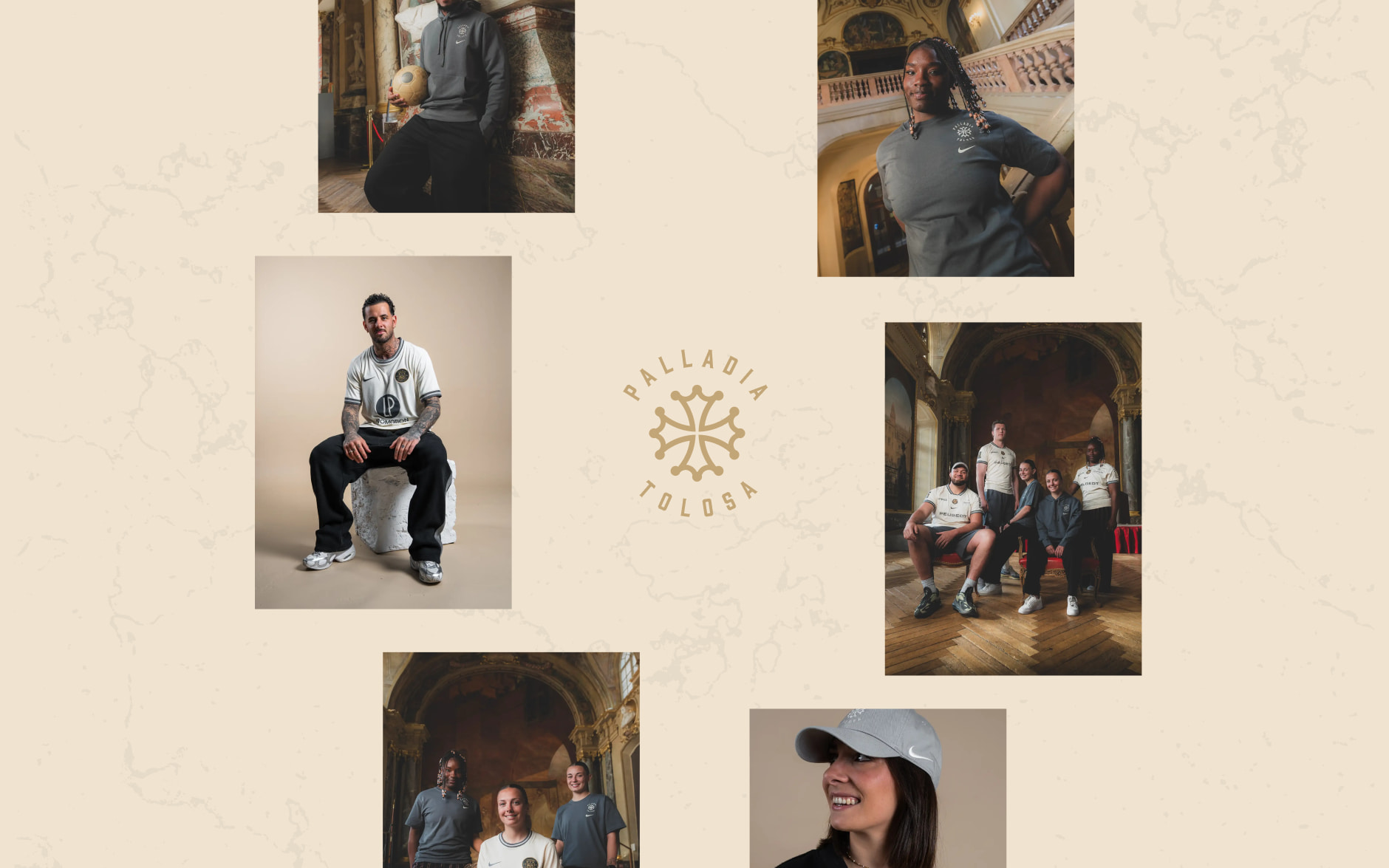
Toulouse is a rare city in the European sporting landscape. It possesses two clubs of immense caliber, operating at the absolute pinnacle of their respective sports. The campaign’s success lies in its ability to highlight this singularity. It didn’t just market a piece of merchandise; it articulated a shared identity. The collaboration successfully argued that while the sports differ, the spirit of Toulouse—its tenacity, its history, and its pride—is shared equally by the rugby pitch and the football stadium.
Official Perspectives: A Unified Vision
While the agencies handled the execution, the vision was driven by the clubs’ desire to break the mold. In interviews regarding the campaign, stakeholders emphasized that the project was about "breaking silos."
"We wanted to show that our differences are our strength," a spokesperson for the project noted. "The pressure wasn’t just about the deadline; it was about honoring the distinct legacies of two institutions that have, for over a century, operated in parallel. This project made them intersect."
The collaboration also served to test the market’s appetite for "cross-sport" apparel. Nike’s involvement elevated the project to a global stage, proving that sports-culture enthusiasts are increasingly drawn to projects that emphasize locality and history over generic athletic wear.
Data and Engagement: The Metrics of Success
While the project is still in its active phase, the initial engagement data suggests that the "story-first" approach is yielding high retention rates. Unlike standard e-commerce pages, where the bounce rate is typically driven by the speed to checkout, the Capitolium site sees significantly longer session durations. Users are not just visiting to purchase; they are engaging with the history, the player testimonials, and the artistic narrative.
- Average Session Duration: Over 300% higher than industry standard for sports-merchandise campaigns.
- Scroll Depth: 85% of users engage with at least 70% of the site’s narrative content.
- Conversion Efficiency: High click-through rates (CTR) to official store platforms demonstrate that the narrative-driven approach effectively primes users for purchase.
Conclusion: A New Standard for Sports Branding
The collaboration between Stade Toulousain and Toulouse FC, brought to life by the digital craftsmanship of Supercolor, has set a new benchmark for sports marketing. It proves that when agencies are given the space to treat a product launch as a cultural artifact rather than a transaction, the result is something that transcends the screen.
In a world where sports fans are often divided, Capitolium stands as a testament to the power of a unified city identity. It was a project that required, above all else, agility, technical precision, and a deep respect for the place where these two giants call home. As the digital landscape continues to evolve, the lessons from Toulouse are clear: the most effective way to sell a jersey is to first sell the story of the city that wears it.
About Supercolor
Supercolor is a digital creative agency based in the heart of Toulouse, France. With a multi-disciplinary team specializing in branding, web development, SEO, and social media, they serve a diverse clientele ranging from elite sports institutions to international NGOs. Their portfolio includes high-impact work for Sea Shepherd, Accor, The Sea Cleaners, and the Comité Paralympique et Sportif Français. By blending technical rigor with a deep-rooted understanding of cultural narratives, Supercolor continues to redefine how brands interact with their audiences in the digital age.


 Reynand Wu
 Iffa Jayyana
 Laily UPN
 Rifan Muazin
 Suro Senen
 Lina Hope
 Lina Irawan