
 Nana
Nana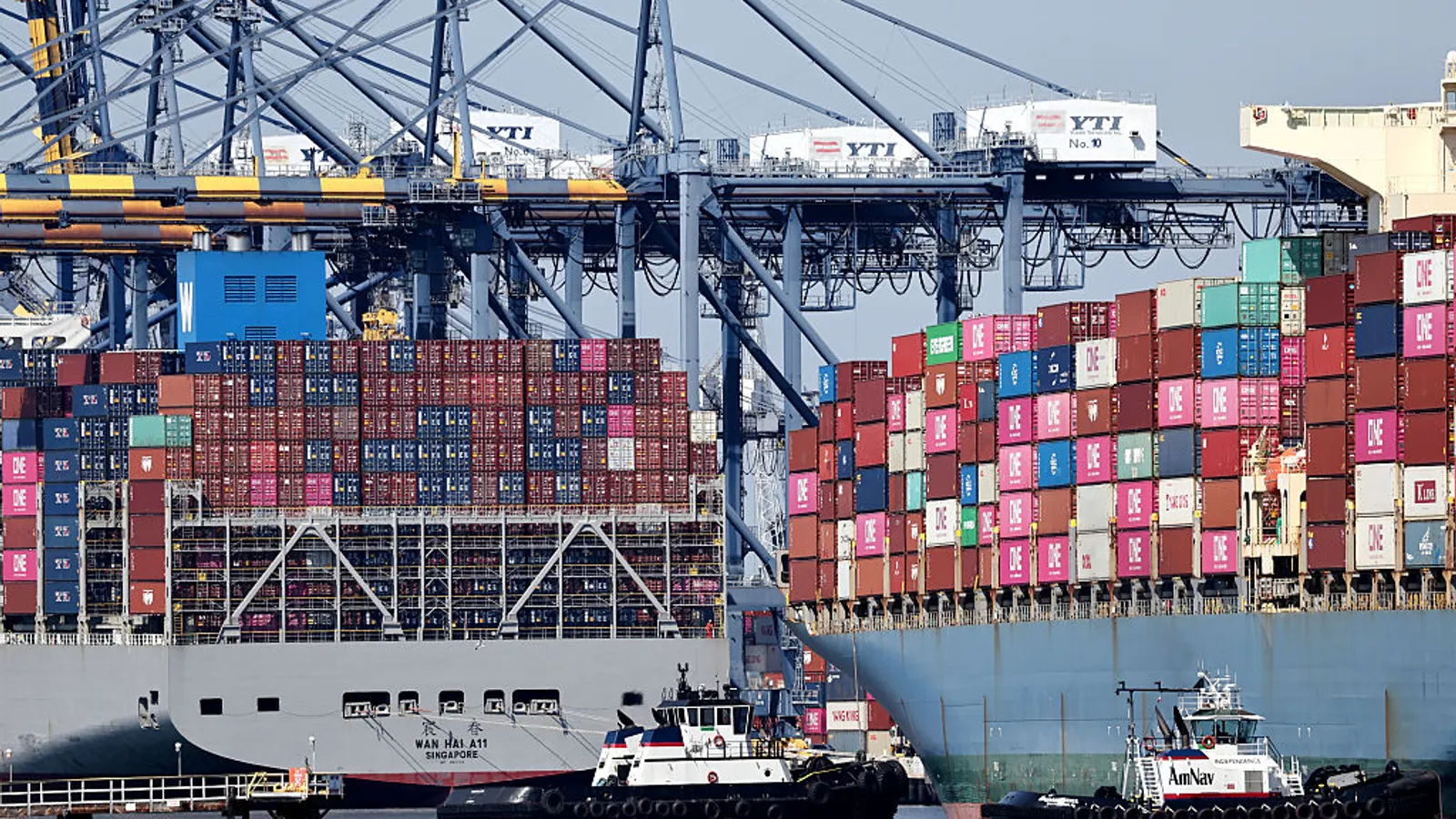
By Supply Chain Intelligence Desk
Published: October 9, 2026
The global logistics landscape, usually defined by predictable cycles of peak demand and seasonal lulls, is currently grappling with a stubborn defiance of traditional market patterns. As the world navigates the fourth quarter of 2026, the anticipated relief typically provided by China’s "Golden Week"—a seven-day national holiday that traditionally serves as a pressure-relief valve for international shipping—has failed to materialize. Instead, a potent combination of extreme weather, lingering port congestion, and the structural aftershocks of a frantic, front-loaded peak season has kept freight rates elevated, leaving shippers and carriers in a state of high-stakes uncertainty.
The Myth of the Holiday Lull: Main Facts
Under normal circumstances, the first week of October marks a significant transition in the transpacific shipping trade. With factories across China shuttering their operations from October 1 through October 7, export volumes typically plummet, allowing ports to clear backlogs and carriers to stabilize their schedules.
However, 2026 has been an outlier. According to data provided by the Freightos Baltic Index, spot rates for a 40-foot equivalent unit (FEU) from Asia to the U.S. West Coast sat at $8,322 as of October 6, while routes to the U.S. East Coast commanded a staggering $9,606 per FEU. These figures represent a market that refuses to cool down, even as the calendar suggests the peak season should be winding into a period of stagnation before the pre-Lunar New Year rush.
Industry experts note that the current environment is defined by "vessel bunching." Because carriers are struggling to maintain integrity in their sailing schedules, ships are arriving at ports in clusters rather than in a steady, manageable flow. This creates a "feast or famine" scenario for terminal operators, leading to prolonged berth wait times that currently hover between seven and ten days at major hubs like Shanghai.
A Chronological Breakdown of the 2026 Logistics Crisis
To understand why the current market is so volatile, one must look at the timeline of events that have defined the year:
- Q2 2026 – The Frontloading Catalyst: Anticipation of shifting U.S. trade policies and looming tariff deadlines prompted a massive wave of frontloading. Importers, fearing increased costs in the coming year, pulled forward their inventory requirements, effectively extending the traditional peak season by months.
- August 2026 – The Endurance Test: Contrary to initial forecasts that suggested an early peak would lead to a late-summer slowdown, import volumes remained aggressively high. Major ports across the U.S. reported record-breaking throughput, with August becoming one of the most congested months in recent history.
- September 2026 – The Weather Factor: As if high demand wasn’t enough, a series of severe typhoons struck major Asian gateways. These weather events disrupted vessel departures and forced carriers to skip ports entirely, creating a ripple effect of delays that cascaded across the Pacific. By mid-September, roughly 157 vessels were logged waiting at berth in Shanghai alone.
- October 2026 – The "Non-Holiday" Holiday: Golden Week arrived, but rather than seeing a reduction in rates, carriers maintained elevated pricing. The industry entered the month with a backlog of cargo that made the week-long factory shutdown feel like a minor speed bump rather than a true operational break.
Supporting Data: The Cost of Congestion
The financial impact of this extended disruption is quantifiable through the Freightos reporting metrics. While rates have fluctuated throughout the year, the stability of these high price points is the most striking feature of the current data.
| Route | Spot Rate (per FEU) as of Oct 6 |
|---|---|
| Asia to U.S. West Coast | $8,322 |
| Asia to U.S. East Coast | $9,606 |
These costs are not merely abstract figures; they are being passed directly down the supply chain. Small and medium-sized enterprises (SMEs) are particularly vulnerable, as they lack the long-term contract leverage of major retailers and are forced to navigate the spot market’s volatility. The "vessel bunching" phenomenon, cited by experts like Albert Zerega, SVP of commercial at American Global Logistics, indicates that the current capacity is being choked by inefficiencies. When ships are forced to wait at anchor for over a week, the effective capacity of the global fleet is reduced, artificially tightening supply even when there are technically enough ships to handle the volume.
Official Perspectives and Industry Insights
The consensus among logistics analysts is that the industry is currently in a state of "recovery mode" that will likely persist through the remainder of the year.
In a recent assessment, Ascent Global Logistics highlighted the mechanical nature of the problem: "Typhoon-related disruption at major Asian gateways has contributed to congestion, port omissions, vessel bunching, and schedule changes. Recovery can take several weeks as terminals and carriers work through accumulated cargo volumes."

This perspective is echoed by the National Retail Federation (NRF) and Hackett Associates in their latest Global Port Tracker report. Jonathan Gold, NRF Vice President for Supply Chain and Customs Policy, offered a pragmatic look at the current state of inventory: "Most holiday merchandise has arrived, and the remainder of the year is just a matter of last-minute replenishment and preparation for early 2027."
This suggests that while the "panic buying" phase of 2026 may be over, the logistics sector is trapped in the aftermath of its own success. The sheer volume of goods moved during the summer has created a "long tail" of logistics requirements that will keep the ports and carriers busy well into the winter months.
Strategic Implications for Global Trade
The events of 2026 have profound implications for how global businesses will approach supply chain management in the future.
1. The Death of Predictable Seasonality
The traditional "peak season" model is becoming increasingly irrelevant. With global trade subject to sudden geopolitical shifts (tariff threats) and climate-driven volatility (typhoons), supply chain managers are moving toward a "just-in-case" inventory model. This shift prioritizes buffer stocks over lean inventory, which naturally keeps shipping demand higher for longer periods.
2. Infrastructure Limitations
The inability of ports to absorb sudden surges—such as those seen in August and September—highlights a critical vulnerability in global infrastructure. As vessels get larger and the frequency of climate events increases, the current throughput capacity at major terminals appears insufficient to handle the "new normal" of global trade surges.

3. The Carrier-Shipper Power Dynamic
The decision by carriers to maintain high rates during Golden Week demonstrates a clear shift in market power. With the industry consolidating and major alliances controlling the majority of capacity, carriers have demonstrated a greater ability to manage capacity to maintain price floors, even in the face of seasonal lulls. For shippers, this means the era of cheap, reliable, and predictable shipping may be a thing of the past.
4. Preparation for Early 2027
As the industry turns its attention to the early months of 2027, the primary concern remains the potential for labor issues or further policy changes in the United States. Shippers are already beginning to factor in the possibility of another "early peak" next year, which could lead to a cycle of constant inventory frontloading, further straining the global maritime network.
Conclusion
The 2026 Golden Week served as a sobering reminder that the global supply chain is no longer governed by the quietude of traditional holidays. Instead, it is a complex, reactive system currently working overtime to process the excesses of an extended peak season. While the immediate chaos of the summer surge is beginning to stabilize, the high cost of shipping and the ongoing congestion at key ports suggest that the logistics industry will remain in a state of high alert for the foreseeable future.
For retailers, manufacturers, and logistics providers, the lesson of October 2026 is clear: flexibility, resilience, and a departure from seasonal assumptions are the new requirements for navigating the transpacific trade route. As the industry looks toward 2027, the focus will undoubtedly shift from simply moving cargo to navigating the systemic risks that have turned the global ocean into a permanent, high-stakes testing ground.

 Basiran
 Neng Nana
 Iffa Jayyana
 Raul Delapena Setiawan
 Rifan Muazin
 Asro
Asro