
 Iffa Jayyana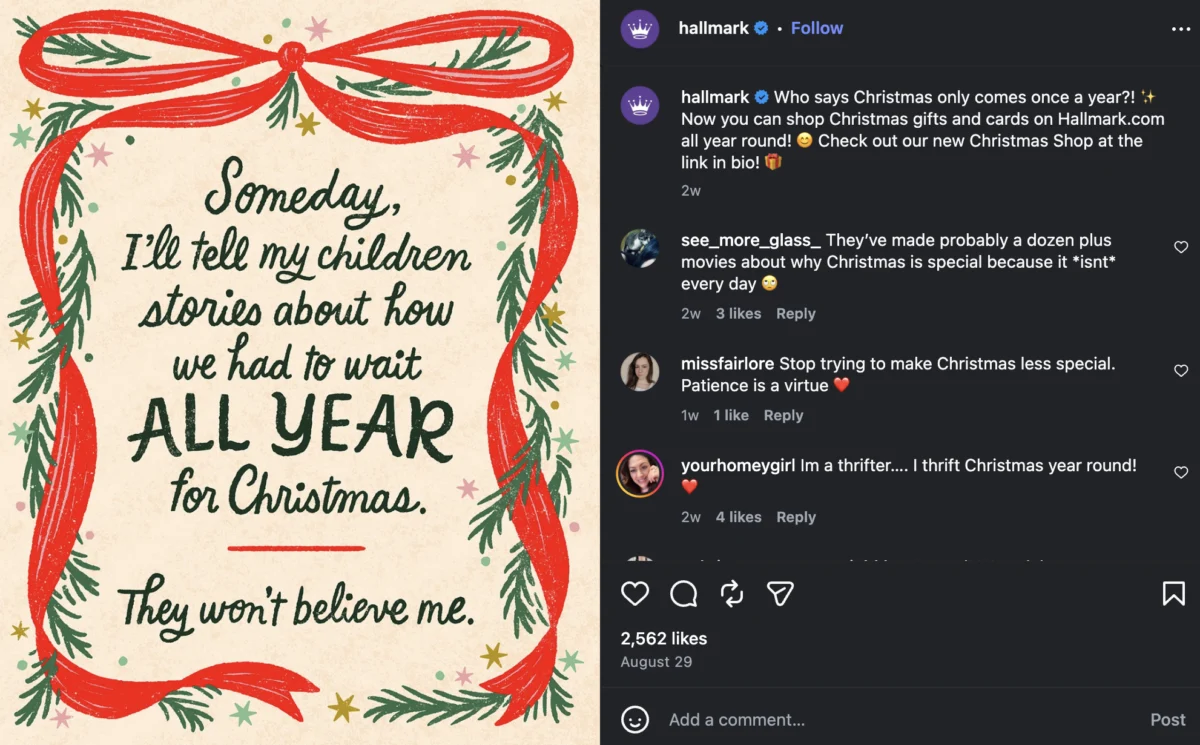
As the leaves begin to turn and the air cools, the retail industry prepares for its most critical quarter. For years, the rhythm of the holiday shopping season has been a predictable march toward Black Friday and Cyber Monday. However, the 2026 holiday season—informed by new data from the Sprout Social Q3 Pulse Survey—reveals a fundamental transformation in how consumers discover, evaluate, and purchase gifts.
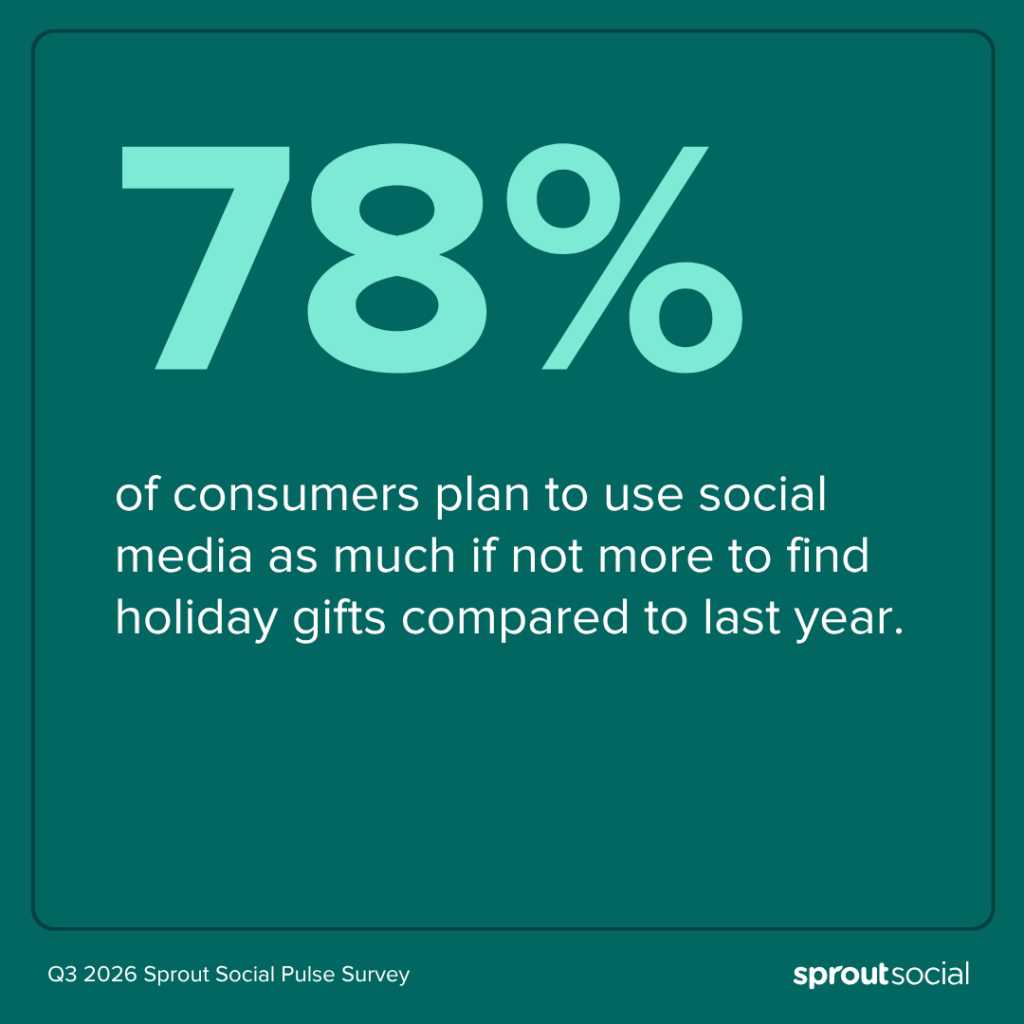
In a landscape defined by economic caution and the rising influence of social search, the "most wonderful time of the year" is no longer just a physical retail event; it is a digital-first experience. According to the latest data, more than three-quarters (78%) of consumers plan to use social media as much, if not more, to find holiday gifts this year compared to last.
The Evolution of the Holiday Shopping Journey
Social media has matured into a comprehensive retail ecosystem. It is no longer merely a top-of-funnel discovery tool; it is a one-stop destination for product research, price comparison, influencer-led validation, and direct customer support.

This year, the convergence of social media and commerce is being accelerated by two primary drivers: a volatile global economy and the normalization of "social search." As consumers become increasingly budget-conscious due to tariff-related price hikes and inflationary pressures, they are turning to social platforms to find the best deals and the most reliable product demonstrations.
Chronology of the 2026 Holiday Creep
The "holiday creep"—the phenomenon of seasonal marketing arriving earlier each year—has reached a point of friction. In previous years, brands pushed holiday messaging into August and September to capture early-bird shoppers. In 2026, however, consumer sentiment has diverged from corporate strategy.
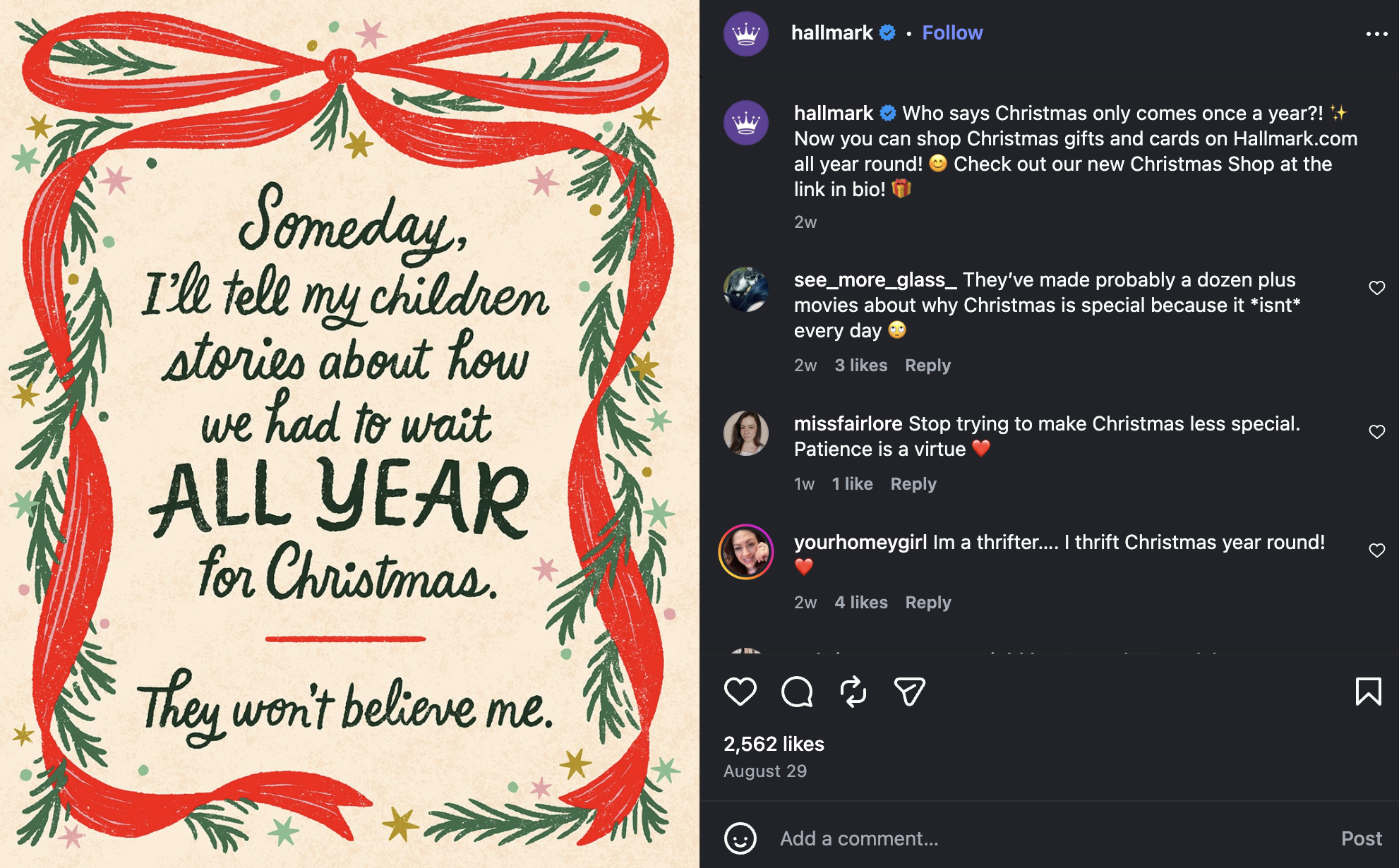
- The June-August "Soft Launch": Brands like Hallmark and major coffee chains began teasing holiday-themed content as early as mid-summer.
- The October Mandate: Despite these early efforts, 50% of consumers now explicitly state that they prefer brands to begin their holiday advertising in October. This represents a significant shift from the 2025 preference for late-summer campaigns.
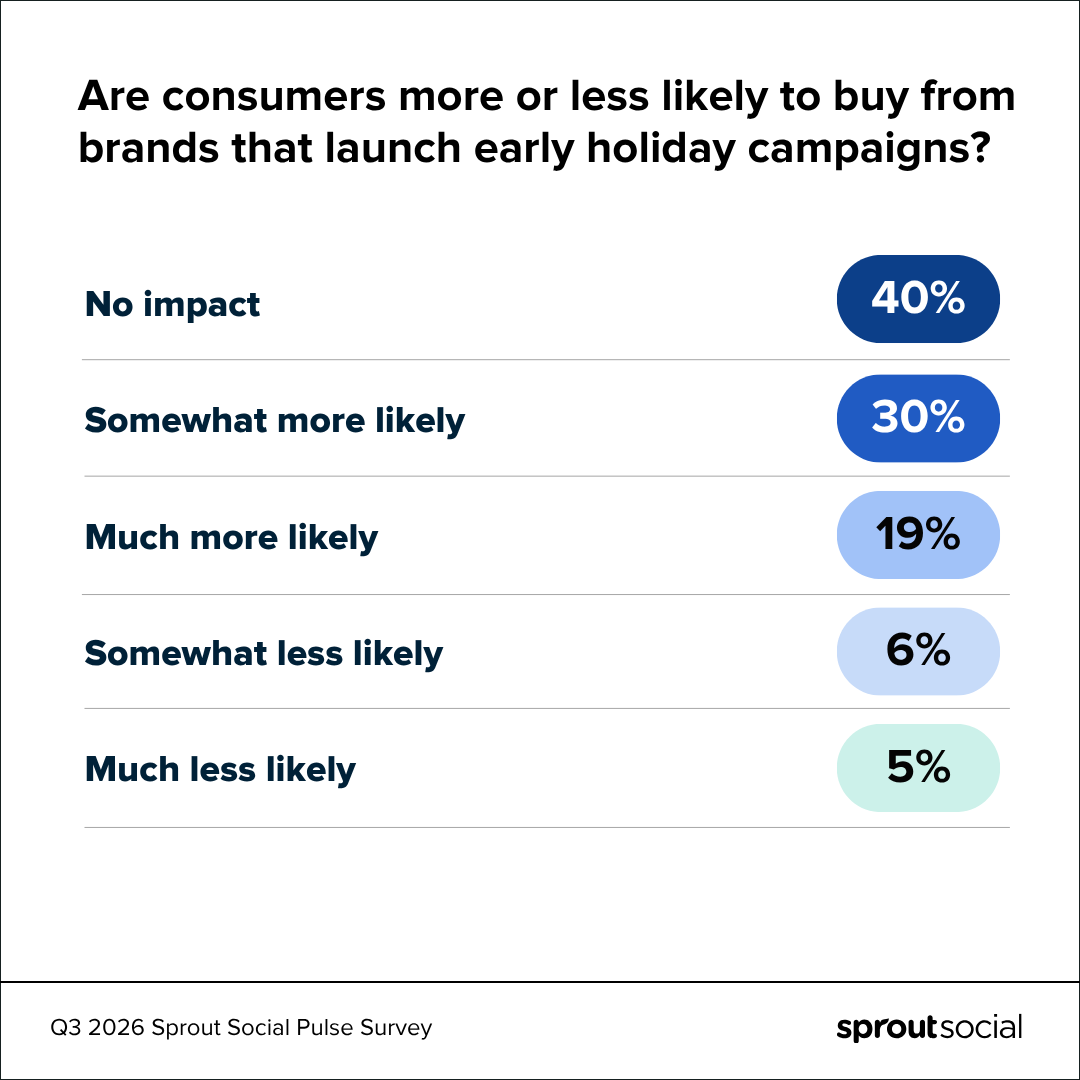
- The Behavioral Gap: Interestingly, while consumers express a preference for an October start, their actual purchasing behavior remains indifferent to the timeline. Approximately 40% of shoppers indicate that early August campaigns have zero impact on their decision to buy, while nearly 50% report that they are more likely to purchase from a brand that advertises early.
The takeaway for CMOs is clear: the calendar is less important than the content. Consumers may complain about "Christmas in July," but their wallets remain open for brands that provide value, regardless of the date.
Economic Headwinds and the Price-Conscious Shopper
The 2026 holiday season is undeniably shaped by the tightening of household budgets. With 69% of consumers expressing concern over tariff-driven price increases, the psychological approach to shopping has transitioned from "indulgence" to "strategic acquisition."
The Strategic Shift in Spending
The data paints a clear picture of the modern consumer:
- Early Procurement: 36% of shoppers plan to purchase gifts earlier than usual to hedge against potential future price hikes.
- The Spending Squeeze: Over half (56%) of all consumers have explicitly stated their intent to reduce total holiday spending this year.
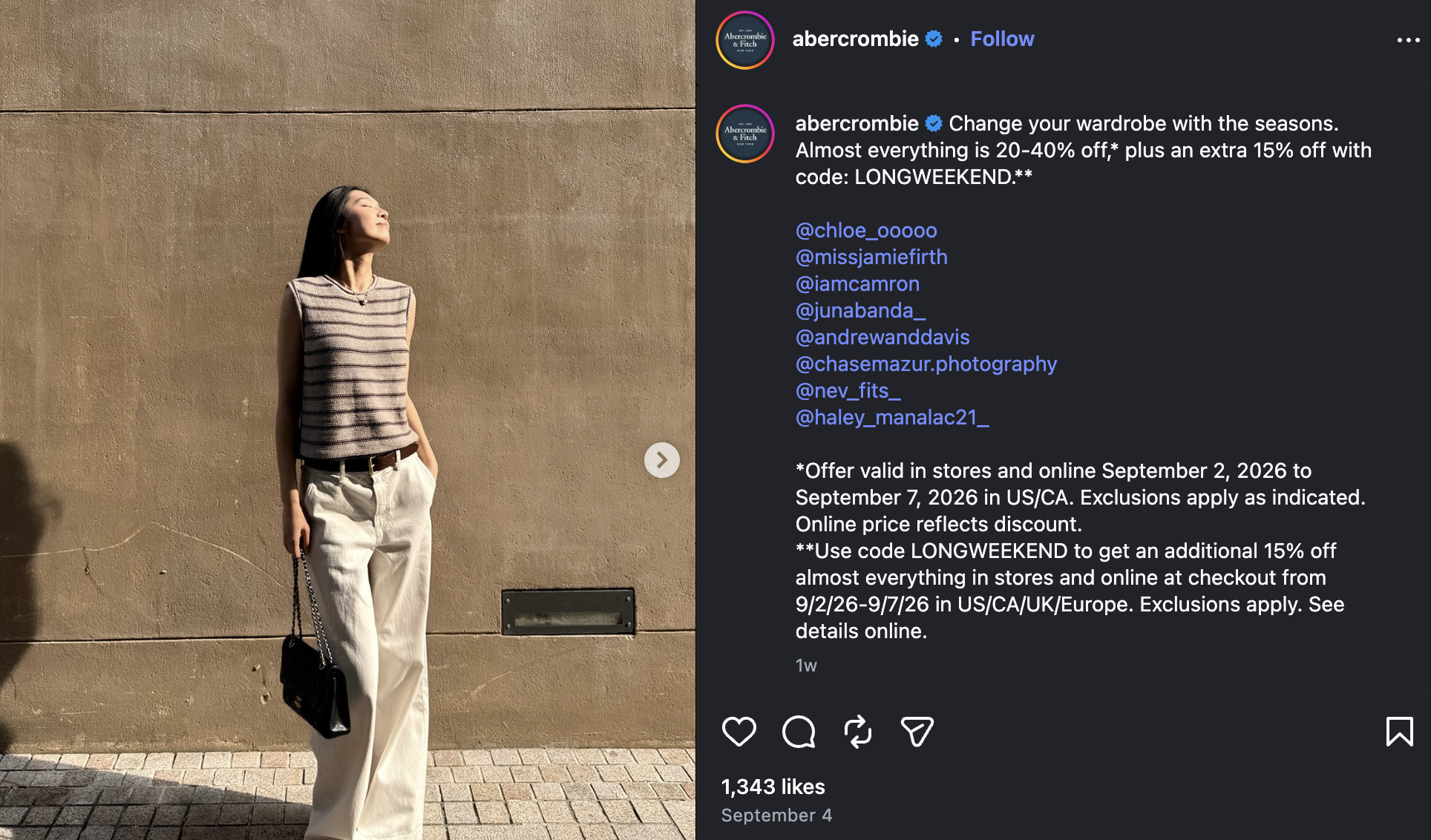
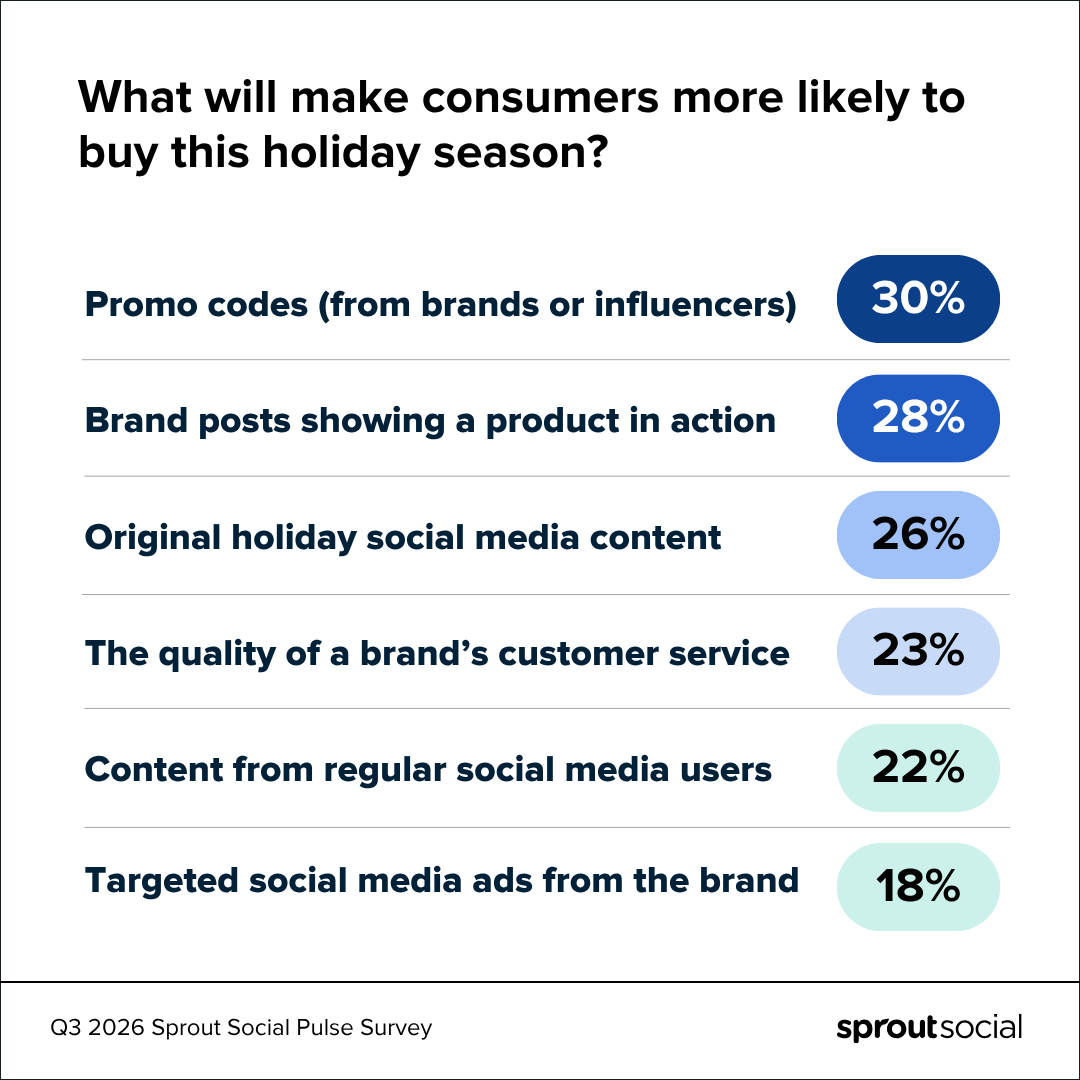
This environment necessitates a change in marketing tactics. The "lifestyle" marketing that dominated the early 2020s is being replaced by utility-focused campaigns. Promo codes are currently the most powerful tool in a brand’s arsenal, with 30% of consumers identifying them as the primary factor that would persuade them to finalize a purchase.
The Rise of Social Search and Discovery
Perhaps the most significant trend in 2026 is the solidification of social media as a primary search engine. For younger demographics, particularly Gen Z and Millennials, the traditional search bar is being bypassed in favor of the TikTok and Instagram feeds.
The New Discovery Pipeline
Social media has achieved parity with physical retail as a primary source for gift discovery, with 46% of consumers utilizing both channels equally. However, social media takes the lead when it comes to experiential discovery. When consumers are looking for "things to do" or specific product reviews, 38% and 30% respectively prefer social search over traditional engines.
This preference for social discovery is feeding into a surge in native commerce. Consumers are no longer content to browse on social and buy on a website; they want the frictionless experience of "social checkout." With over half of consumers open to making purchases directly within apps like TikTok Shop or Instagram Checkout, the conversion path is becoming shorter and more efficient than ever before.
Customer Experience: The New Frontline
As digital traffic spikes, so does the demand for real-time customer service. The 2026 data indicates that 86% of users intend to use social platforms for customer service inquiries at the same rate or higher than in previous years.
The Expectations of Speed and Automation
The threshold for "acceptable" response times has become razor-thin. 70% of consumers expect a brand to respond to their social media inquiries within 24 hours. Failure to meet this expectation does not just lead to a lost sale; it leads to a permanent hit to brand reputation, particularly when inquiries are made in public comment sections rather than private direct messages (DMs).
To bridge the gap between high inquiry volume and limited human staffing, many brands are turning to AI. The survey results show a surprisingly high tolerance for this shift: 70% of consumers are comfortable with brands using AI for customer service tasks, a figure that climbs to 77% among Gen Z.
However, the "human-in-the-loop" model remains the gold standard. Brands that successfully deploy AI to handle initial triage and FAQ responses while keeping human agents available for complex, high-value interactions are the ones most likely to maintain high customer satisfaction (CSAT) scores.
Strategic Implications for Brands
As we move into the final months of 2026, the data suggests a multi-faceted approach to holiday success:
- Value-First Content: Move away from pure brand storytelling and toward value-driven content. Highlight promo codes, functional product demonstrations, and influencer collaborations that prove why a product is worth the investment.
- Optimize for Social Search: Ensure that product descriptions, captions, and tags are optimized for discovery. If your brand is not appearing in the social search results for your category, you are effectively invisible to a large portion of your target market.
- Humanize the Service Experience: While AI is a necessary tool for managing the influx of messages, prioritize human intervention for public-facing comments. A negative experience in a comment section can quickly go viral, undermining weeks of positive marketing effort.
- Embrace the Full Funnel: Don’t treat social as a billboard. Treat it as a store. By creating a seamless, in-app shopping experience, you reduce the friction that leads to cart abandonment—a critical step in winning over the price-sensitive 2026 shopper.
Conclusion: A New Era of Retail
The 2026 holiday season is a testament to the resilience and adaptability of the modern consumer. While the economic climate is undoubtedly challenging, the tools available to brands—social discovery, influencer partnerships, and AI-powered service—have never been more sophisticated.
By listening to the data and adjusting to the realities of the current economy, brands can move beyond the "holiday creep" and create a truly resonant shopping experience. Whether it is through an early, value-packed influencer campaign or a hyper-responsive social customer service strategy, the brands that succeed this year will be those that view social media not as an advertising channel, but as the heartbeat of their customer relationship.
Data Methodology: Unless otherwise noted, all data cited is from the Q3 2026 Pulse Survey of 2,286 consumers in the US, UK, and Australia, conducted by Panoplai on behalf of Sprout Social between August 11 and August 18, 2026.


 Nana Wu
 Suro Senen
 Raul Delapena Setiawan
 Dwi Wanna
 Muslim


 Rifan Muazin