
 Raul Delapena Setiawan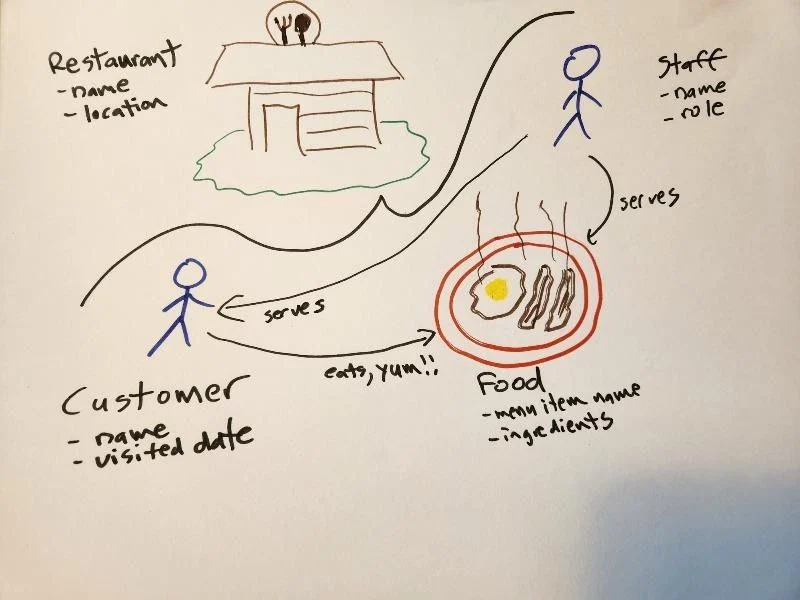
Thirteen years ago, a software engineer embarked on an ambitious project to bridge the gap between abstract architectural design and concrete code implementation. The result was "Mo+," a fully featured, model-oriented programming (MOP) language and integrated development environment (IDE). While the technology proved highly effective for enterprise-scale projects, its creator—who eventually traded the digital keyboard for the literal ax to build Viking and Anglo-Saxon ships—found that the broader software industry was not yet ready to embrace the paradigm shift.
Today, in the age of generative AI and rapid automation, that vision feels more relevant than ever. This article examines the core principles of MOP, explores its untapped potential, and invites the global research community to reconsider a methodology that promises to redefine how we construct software systems.
Main Facts: Defining Model-Oriented Programming
At its most fundamental level, Model-Oriented Programming is the practice of utilizing a formal model to design, create, and maintain a software system. Unlike traditional programming, which focuses on writing code to manipulate data, MOP focuses on defining the "structure" of the domain and using that structure to automate the generation and maintenance of the system.
The core of this philosophy lies in two components: Structure and Data.
- The Structure: A hierarchical "schema" that defines the rules, nodes, and attributes of a system.
- The Data: The specific instances that conform to that hierarchical structure.
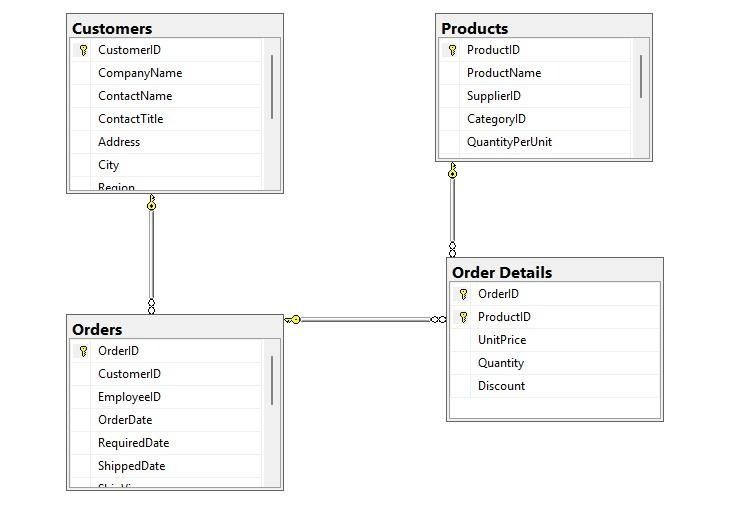
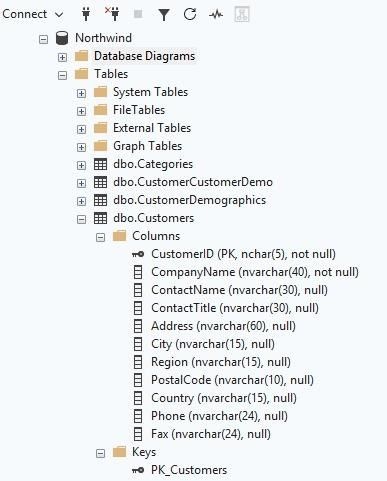
The author argues that all complex systems can be viewed as hierarchies. Even relational databases, which appear non-hierarchical to the naked eye, reveal a strict tree structure when viewed through an IDE schema explorer. By defining this hierarchy as a first-class citizen within a programming language’s grammar, developers can move away from boilerplate code and toward "declarative intent."
A Chronology of a Paradigm
The journey of MOP has been one of quiet, localized success followed by a period of dormancy.
- 2011–2014: The development of Mo+. The creator implemented the technology, applying it to enterprise systems. The tool was released as a Visual Studio add-on, allowing developers to treat models as executable logic.
- 2018: The creator stepped away from software engineering to focus on traditional maritime craft, leaving the codebase in open-source repositories on GitHub.
- 2024: A renewed call for research. As AI begins to "write" code based on patterns, the necessity of having a structured, machine-readable model—rather than just unstructured code—has become a hot topic in software architecture circles.
Supporting Data: The Anatomy of the Model
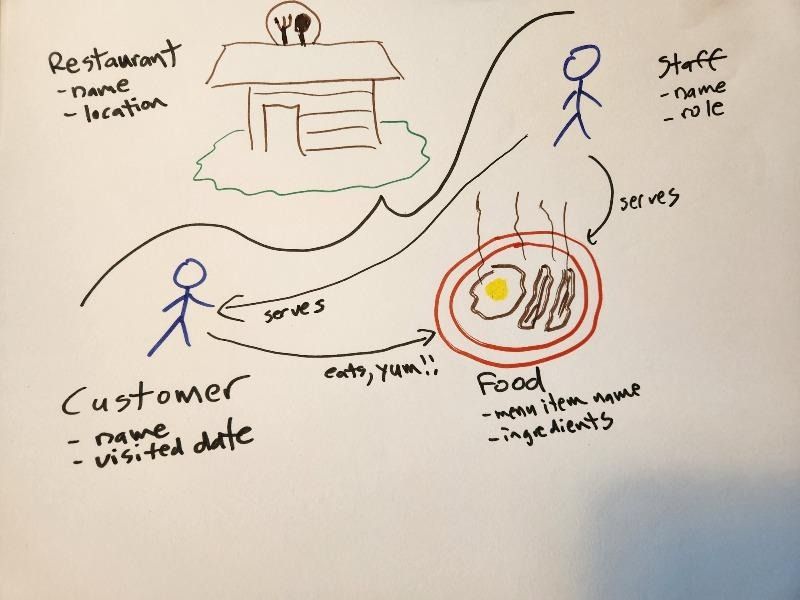
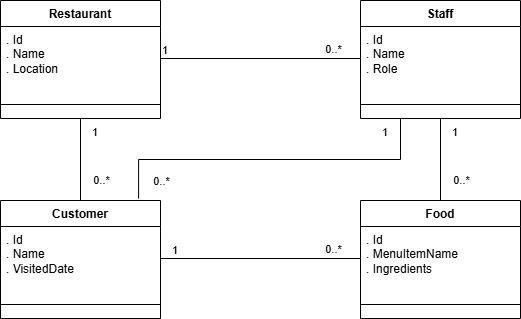
To understand the power of MOP, one must look at the "Restaurant Scenario." In a traditional object-oriented approach, a developer might manually create classes for Restaurant, Staff, Customer, and Food. They would then write methods to manage relationships between these entities.
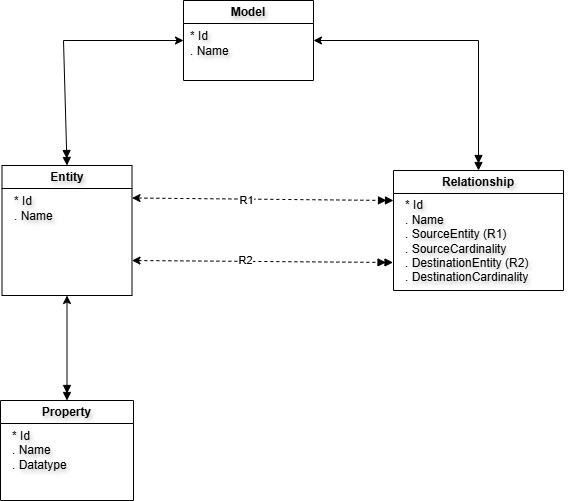
In a MOP environment, the developer defines the hierarchy:
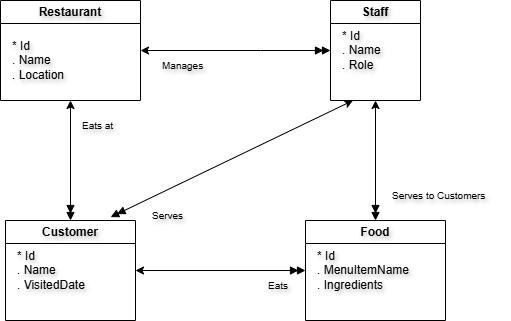
- Model (Root)
- Entities (Restaurant, Staff, etc.)
- Properties (Name, Location, Id)
- Relationships (Hires, Serves, Eats)
Because the MOP language understands this structure, it can perform operations that would take hundreds of lines of code in languages like Java or C#. For example, a simple loop can traverse the entire model hierarchy to generate code, documentation, or database scripts.
The Power of Model Context
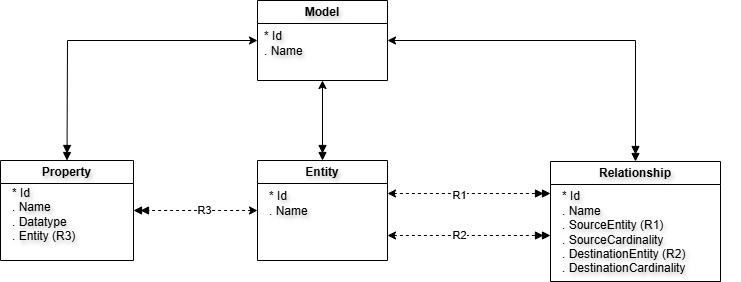
The "Model Context" is a unique feature of MOP. Because the structure is known at runtime, the language does not need complex boilerplate to navigate data. By using a stack-based context, a developer can write a simple foreach statement that acts upon the hierarchy:
foreach (Property)
    print(Entity.Name, ".", Name)
This single block of code, regardless of the size of the model, produces a complete output of all properties across all entities. This is the definition of "massive reusability."
Implications for Modern Software Development
The transition to Model-Oriented Programming has profound implications for how we think about "technical debt" and "system maintenance."
Dynamic Grammar: The Language That Evolves
One of the most radical features of MOP is the "Grammar Builder." If a project requires a new attribute—for instance, a MaxLength field for database validation—the MOP language can be updated at runtime. The language literally learns the new structure, allowing the developer to use MaxLength as a native language keyword.
Separation of Concerns
In MOP, the "Model-Oriented Property" is an independent bit of code associated with a node. Because these properties are modular, they act as "codified best practices." If you define how a class should be declared for a Staff entity, that logic can be applied across every entity in the system, ensuring that your code is 100% compliant with architectural standards at all times.
The AI Synergy
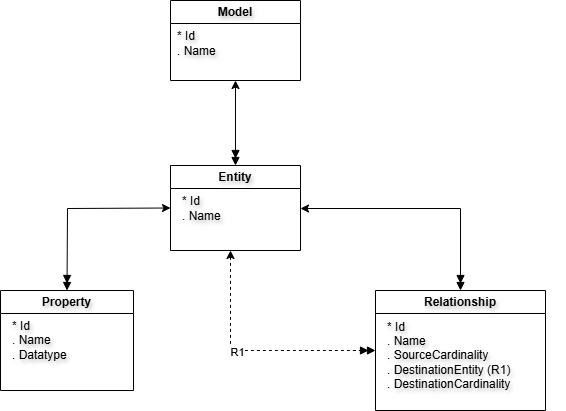
Perhaps the most compelling argument for MOP in 2024 is its synergy with Artificial Intelligence. Modern AI models are excellent at generating code, but they often struggle with the "big picture" architecture of large, legacy systems. A MOP framework provides the AI with a structured, hierarchical model. By providing the AI with the model structure rather than just the source code, we allow the AI to operate within the bounds of a formal system. This prevents the "hallucinations" often seen in LLM-generated code, as the AI is constrained by the strict hierarchical rules of the MOP model.
Official Responses and Calls to Action
While the software industry at large has been slow to adopt MOP, the creator of Mo+ is now reaching out to the academic and business communities to foster a new wave of research. The project remains available on GitHub for those who wish to explore the implementation of a fully-featured MOP environment.
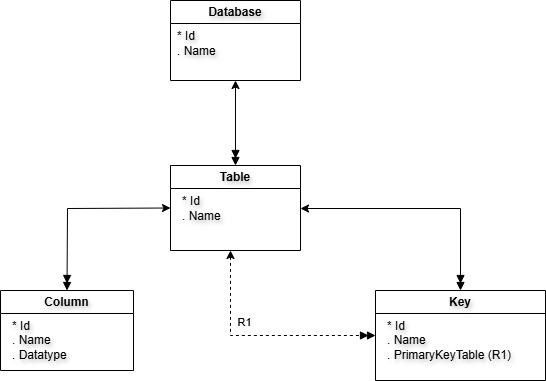
The author notes that while "Inline MOD" (using ORMs like Entity Framework) has become the industry standard, it remains a shadow of what true MOP can achieve. By limiting ourselves to frameworks that simply map data to classes, we have ignored the power of modeling the logic of the system itself.
Looking Ahead: The Future of MOP
The transition from "coding" to "modeling" is not merely a semantic change; it is a fundamental shift in how we build the digital world. If we continue to write systems by hand, we remain beholden to the same manual, error-prone processes that have plagued software engineering for decades.
To make MOP a reality, the following research areas are critical:
- Target Language Integration: How can we better integrate MOP into the workflow of languages like Python, Rust, or C#?
- Standardized Modeling Schemas: Can we develop an industry-wide, hierarchical model standard that transcends individual company needs?
- The "Smart" IDE: Developing environments that can handle the dynamic grammar of a changing model while maintaining the integrity of the underlying system.
The return to the "Art of the Ax"—building things by hand and with intent—has given the author a unique perspective on software. A ship is not built by throwing planks together; it is built by following a design that respects the hierarchy of the materials. Software should be no different.
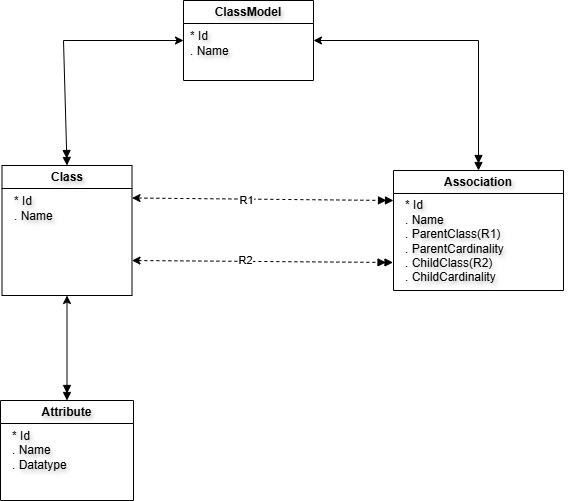
The invitation is open: researchers, business leaders, and engineers are encouraged to investigate the potential of Model-Oriented Programming. By treating our software not as a pile of code, but as a living, hierarchical model, we can finally begin to build systems that are as robust, beautiful, and enduring as a Viking longship.
For those interested in the technical history and the source code, the Mo+ project stands as a testament to what is possible when we stop writing code and start building models. The repository at https://github.com/moplus serves as a starting point for the next generation of engineers who seek to reclaim the architecture of their software.

 Nila Kartika Wati
 Neng Nana
 Basiran

 Iffa Jayyana
 Rifan Muazin
 Asro
Asro